Two skiers were hospitalized after an avalanche in Alaska. The rescue was fast, messy, and familiar to anyone who follows mountain emergencies: reports of two...
Two skiers were hospitalized after an avalanche in Alaska. The rescue was fast, messy, and familiar to anyone who follows mountain emergencies: reports of two patients, a helicopter, and firefighters setting a landing zone in rough weather and rougher terrain. What sounds simple from the outside is usually a hard, ugly race against time.
Key Takeaways
- Two skiers were injured in an Alaska avalanche and taken to a hospital.
- Anchorage firefighters staged a landing zone so a rescue helicopter could reach the site.
- Avalanche response depends on speed, weather, terrain, and plain luck.
- The headline is about rescue, but the deeper story is risk management in the backcountry.
- Nobody gets to ignore mountain rules just because the snow looks inviting.
What is an Alaska avalanche rescue?
An avalanche rescue is the fast, coordinated response that kicks in when snow, slope, and timing turn ugly. In this case, the focus was on two patients and the helicopter that got them out after reports came in from the field. That part gets the headlines. The real work happens before the aircraft arrives, when rescuers decide whether they can even reach the scene, whether the snowpack is still moving, and whether a landing zone can be made safe enough for rotor wash and hoist work.
I’ve covered enough emergency response stories to know the public usually sees the end of the chain, not the strain behind it. A helicopter is not magic. It is a machine with limits, and a crew trying to outpace cold, distance, and unstable snow. Frankly, a rescue can look clean on video and still be chaos on the ground.
The Alaska setting matters. Mountain terrain near Anchorage and across the state gives backcountry skiers and snowboarders huge lines and huge risk. Avalanches are not random in the way people like to pretend they are. They are often tied to weather swings, wind loading, new snow, temperature changes, and human-triggered slope failure. The danger is old as sin and just as stubborn.
The broader public conversation often misses that point. People talk about “accidents” as if the mountain simply decided to misbehave. That’s lazy thinking. The responsible frame is stewardship: understanding the slope, respecting the weather, and not treating rescue crews like a free insurance policy. Human dignity matters here too. The skiers deserve care, the rescuers deserve support, and the community deserves honest reporting instead of melodrama.
For official background on avalanche safety and rescue factors, see the Avalanche.org education materials, the Chugach National Forest Avalanche Information Center, and the Alaska rescue coverage from Anchorage Daily News.
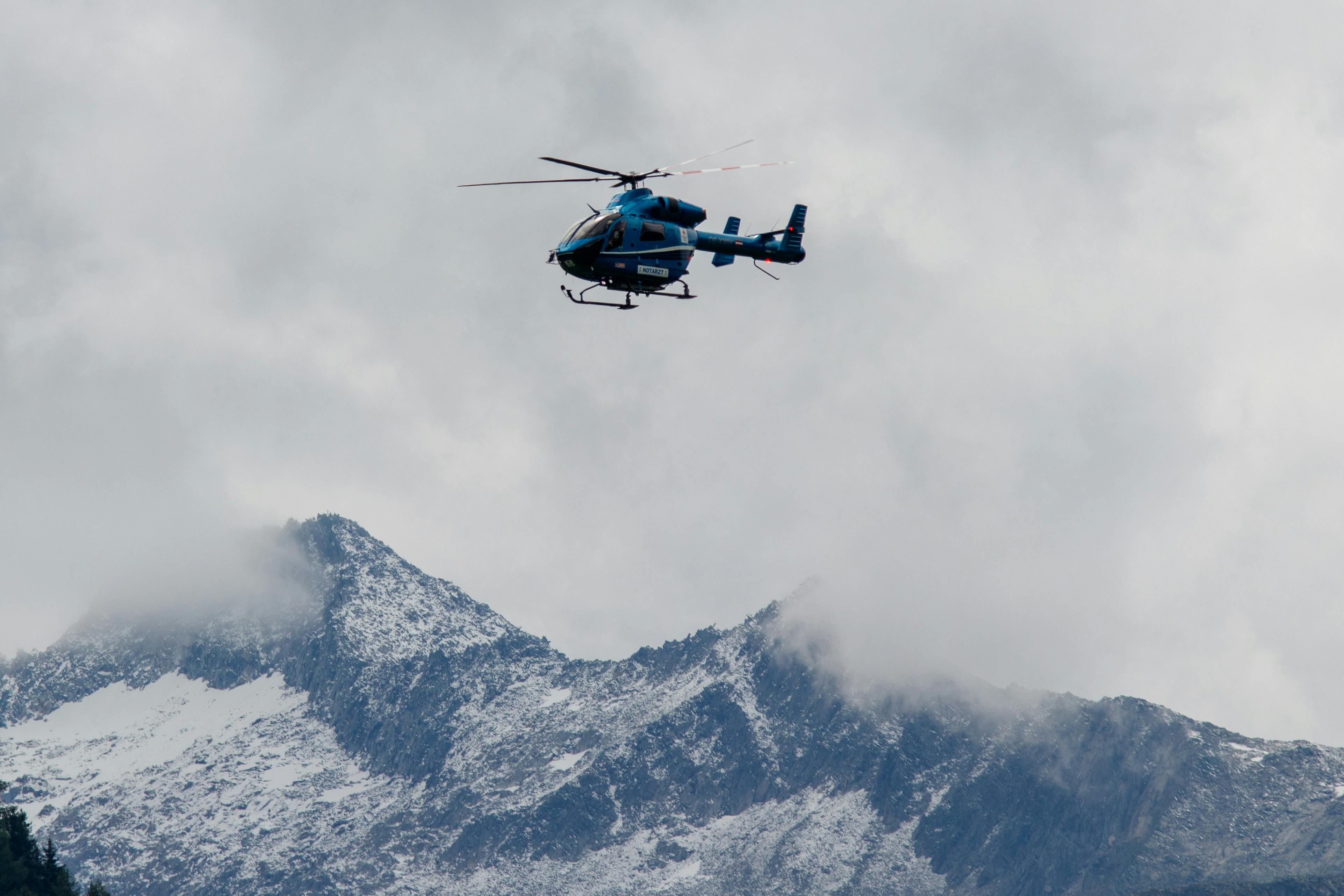
Core details and context
The immediate facts are straightforward, even if the situation was not. Two skiers were hurt in an avalanche, and emergency crews moved quickly to get them out. Firefighters staged a landing zone, which is the sort of detail that sounds minor until you understand what it means: you need a patch of ground that is usable, visible, and safe enough for a helicopter to touch down or come close without adding another casualty.
Here’s the kicker: avalanche incidents are rarely just about the avalanche. They are about access, communications, visibility, patient condition, and whether a rescue team can get enough people and equipment into place before conditions worsen. A buried or partially buried skier can go from injured to critical in minutes. The clock is brutal.
- Terrain is steep, remote, and hard to reach.
- Weather changes fast, which makes planning slippery.
- Wind can stack snow into slabs that break suddenly.
- Human decisions are usually part of the trigger.
- Rescue teams must balance speed with safety.
Most news coverage stops at the drama. That’s convenient. It also misses the practical question: what should backcountry users learn from this? Not “never ski.” That would be childish. The real lesson is that winter recreation in avalanche terrain is a serious tradeoff, not a casual weekend vibe.
Comparing a rescue helicopter to ground-only extraction makes the tradeoffs obvious.
| Factor | Avalanche Helicopter Response | Ground Rescue Alone |
|---|
| Speed to patient | Fast, if weather allows | Slow, often delayed |
| Terrain access | Can bypass blocked routes | Limited by snow and slope |
| Safety for rescuers | Better reach, but rotor and wind risk | More exposure to avalanche terrain |
| Patient transport | Direct hospital transfer | May require multiple handoffs |
| Weather dependence | High | High, but different limits |
The truth is, these operations are not about heroics alone. They are about systems. Dispatch, field judgment, aircraft availability, and local fire or rescue staging all have to line up. When they do, lives are saved. When they don’t, the mountain wins. That sounds harsh because it is.
The public also tends to forget the rescue crews as people. They are workers performing difficult, concrete labor in service of the common good. That matters. In a moral sense, a society shows its character by how it treats the injured and how it equips the people sent to help them. That idea is older than any press release.
For more on rescue coordination and avalanche response, see National Park Service avalanche safety and the U.S. Forest Service public safety guidance.
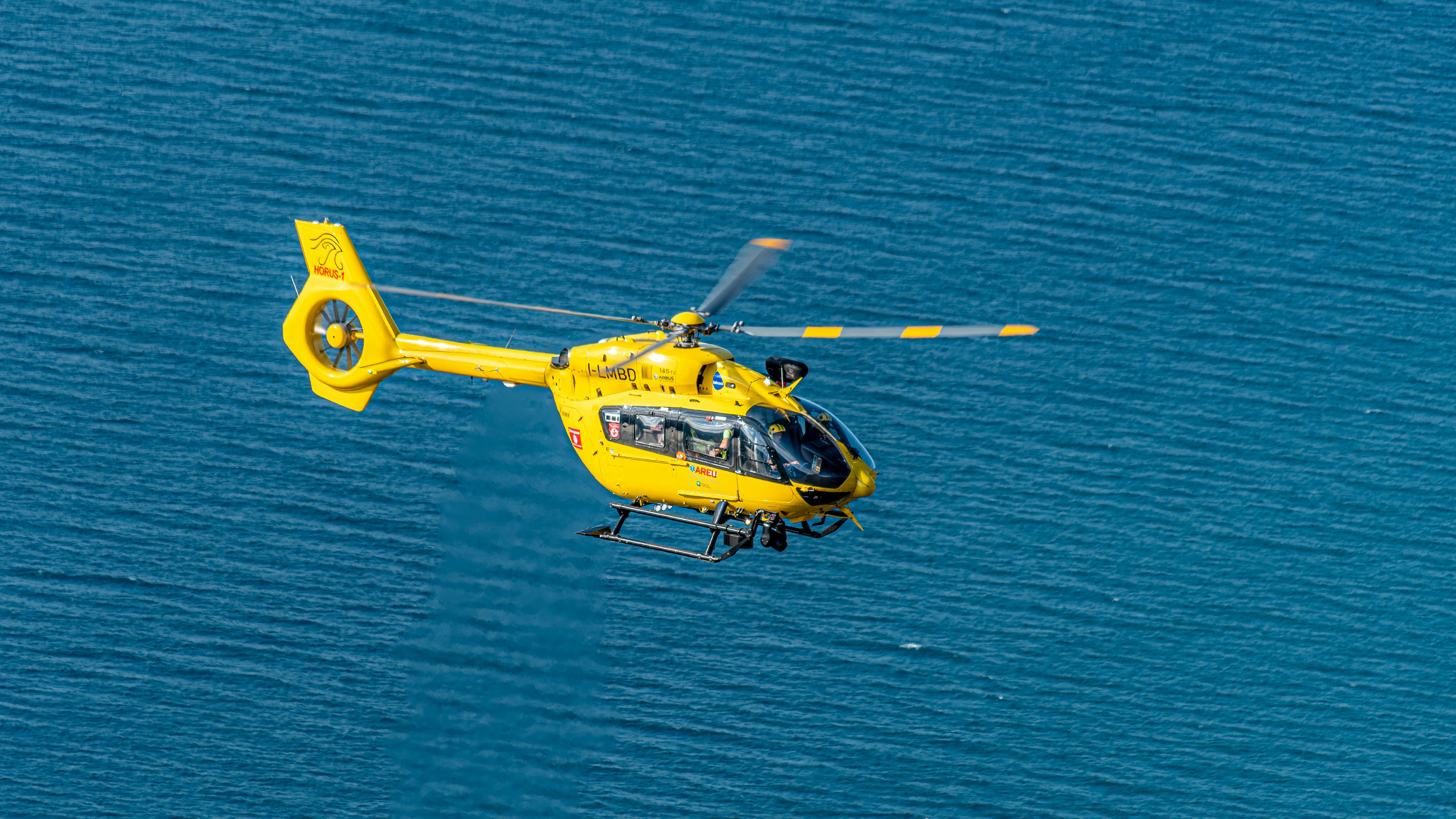
Timeline and step-by-step response
The sequence of an avalanche rescue is usually tighter than the public realizes. I’ve studied enough incident reports to know the pattern: someone spots trouble, someone calls it in, somebody with authority decides whether it’s a recovery, a rescue, or a full-scale response, and then the hard decisions start. Fast.
- The avalanche occurs.
Reports come in that two people are involved. That first call is often incomplete, noisy, and wrong in small ways, which is normal in a panic. - Dispatch receives the alert.
Teams start sorting out location, number of patients, and terrain. If the site is remote, every minute counts. - Anchorage firefighters stage a landing zone.
This is not cosmetic. It tells the helicopter crew where they can safely operate and helps keep the rescue from becoming a second emergency. - Helicopter support arrives.
Air access cuts time, but only if weather and visibility cooperate. People love helicopters on TV. Reality is less glamorous and more exacting. - Patients are stabilized and transported.
Once the skiers are reachable, medics or rescue personnel focus on trauma, cold exposure, and movement precautions. - Hospital care begins.
The headline says “hospitalized,” but the real story is whether there were fractures, head trauma, hypothermia, or internal injuries. Those details matter more than the social media chatter.
What actually happened, in plain language, was a chain of practical decisions. Somebody on scene had to judge risk without the luxury of hindsight. Somebody had to stage the landing zone where the snow and terrain made that harder than it sounds. And somebody had to trust the helicopter crew to do its job without making matters worse. That is not drama. That is disciplined improvisation.
Frankly, the biggest mistake people make after an avalanche story is turning it into a morality play with easy villains. It’s more useful to ask what the conditions were, what warnings existed, and whether the skiers had made informed choices. I’m not interested in scolding for sport. I am interested in patterns.
The major public-facing avalanche systems in Alaska, especially the forecasting and warning work from the Chugach National Forest Avalanche Information Center, exist because the snowpack is not your friend by default. It has to be read, tracked, and respected.
Comparison table: backcountry freedom vs guided risk management
People keep comparing unguided backcountry skiing with guided operations as if the only difference is cost. That’s not true. The gap is judgment, structure, and the quality of risk controls.
| Category | Unguided Backcountry Skiing | Guided or Managed Ski Travel |
|---|
| Decision-making | Individual or small group | Trained leader with protocols |
| Avalanche forecasting use | Varies widely | Usually systematic |
| Route selection | Ad hoc, sometimes optimistic | More conservative and documented |
| Rescue readiness | Depends on the group | Better planning and communication |
| Cost | Lower upfront | Higher upfront |
| Risk profile | Often higher | Often lower, not zero |
| Moral responsibility | Personal and shared | Shared, but more structured |
The contrast matters because the rescue story is really a risk story. It’s easy to romanticize untouched snow and forget that mountains do not care about your weekend plans. The common good argument applies here too: when people enter risky terrain, they create burdens that may fall on rescuers, medics, and public agencies. That doesn’t mean people should stop recreating outdoors. It means they should stop pretending every choice is consequence-free.
That’s the part most news reports gloss over. The mountain isn’t the villain. Complacency is.
For broader safety context and incident trends, check Avalanche.org education and federal winter safety resources from the National Weather Service.
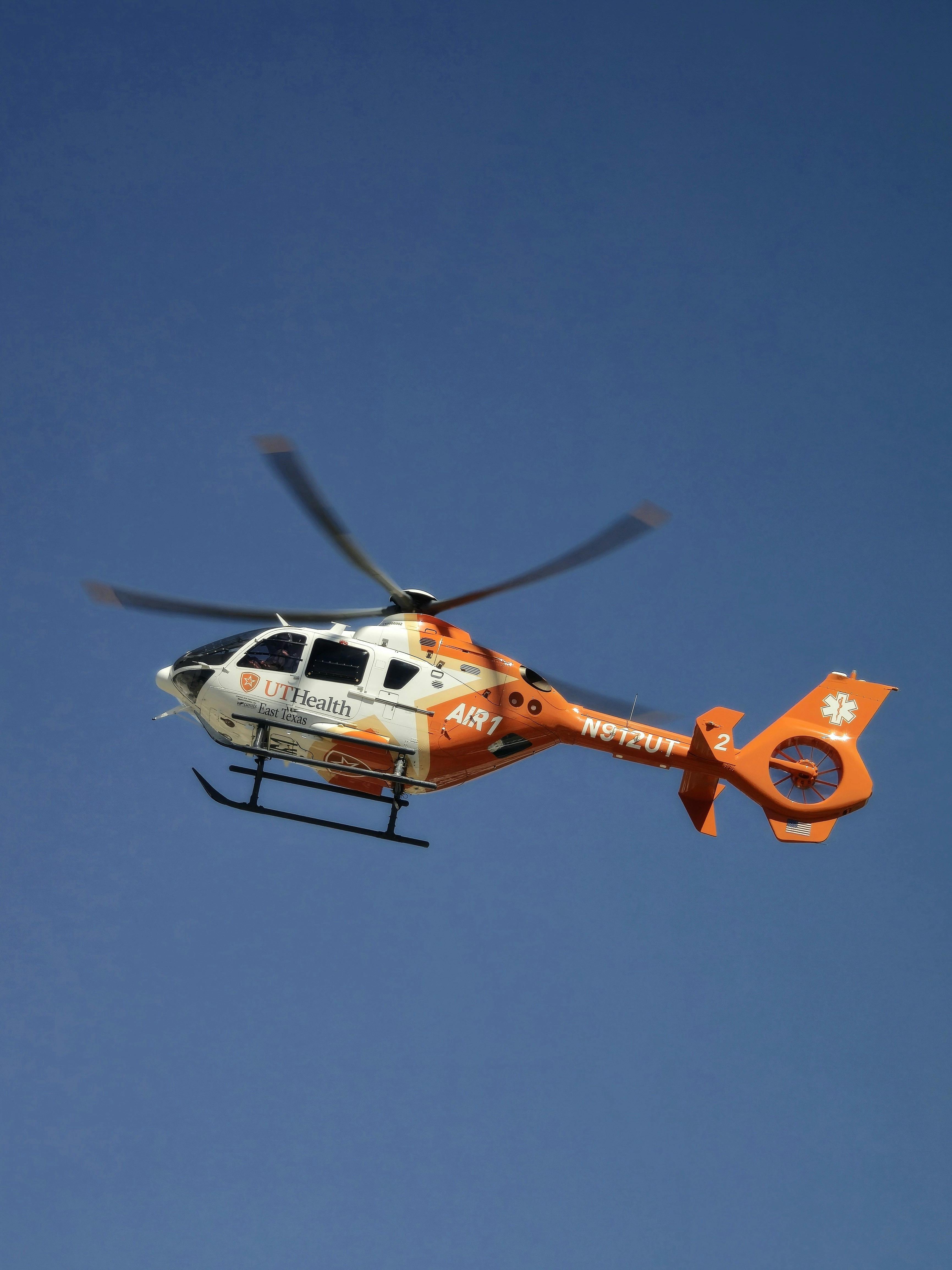
Common misconceptions and what to know
The first misconception is that avalanches only happen to reckless people. That’s false, and it’s a cheap way to feel safe without learning anything. Even experienced skiers get caught when the snowpack changes faster than expected, or when terrain traps them in a bad place. Experience helps, but it does not confer immunity. Nothing does.
The second misconception is that rescue helicopters mean the danger is over. Not even close. Helicopters are limited by wind, visibility, landing options, fuel, and the shape of the site. A landing zone is only one piece of the operation. If conditions turn, the crew may have to back off, wait, or switch to another extraction method. That’s why staged response matters.
The third misconception is that avalanche safety is mostly about gear. Gear matters, sure. Transceivers, probes, and airbags can help. But gear does not replace judgment. If people go out with a bad read on the snowpack, the fancy equipment becomes expensive comfort food for the mind.
The fourth misconception is that a headline about “two hospitalized skiers” tells you enough. It doesn’t. Hospitalized can mean observation, fractures, soft-tissue trauma, or more severe injuries. Public reporting often stays vague for privacy and speed, which is understandable. Still, people should resist making up a cleaner version of the story than the facts allow.
Let’s be real: the internet loves certainty where none exists. People want a single cause, a single mistake, a single lesson. Avalanche incidents usually contain several. Weather, slope angle, snow stability, group decisions, and timing all pile together.
There’s also a moral misconception. Some assume rescue is a blank check. It isn’t. Rescue crews serve the public, and that service is noble, but it rests on resources, training, and real risk. Respect for that labor is not a political slogan. It’s just decency.
If you want the sober version, read avalanche safety guidance from the U.S. Forest Service and local hazard updates from the Chugach National Forest Avalanche Information Center.
Frequently Asked Questions
What happened in the Alaska avalanche?
Two skiers were reported injured in an avalanche, and emergency responders used a helicopter-supported rescue after firefighters staged a landing zone.
Why was a landing zone needed?
A landing zone gives the helicopter crew a safer place to operate, which is essential when terrain is steep, snow-covered, or unstable.
Are avalanches common in Alaska?
Yes, especially in mountainous backcountry areas during winter and spring when weather shifts, wind loading, and unstable snowpack can create dangerous conditions.
What should skiers do before entering avalanche terrain?
Check the avalanche forecast, carry rescue gear, travel with training, and avoid treating the backcountry like a groomed resort run. That’s not paranoia. That’s common sense.
The final word is simple. Snow is beautiful, but it is not benign. The mountain rewards humility and punishes vanity, which is why every serious rescue story carries the same quiet warning: know the terrain, respect the limits, and remember that the people who come to help are not props in your adventure. They are neighbors doing hard work for the rest of us.