Alaska is asking residents how to spend a $6 million federal grant tied to the 2024 glacial outburst flood. The money is meant for unmet recovery and...
Alaska is asking residents how to spend a $6 million federal grant tied to the 2024 glacial outburst flood. The money is meant for unmet recovery and mitigation needs, and the state wants public input before the April 20 survey deadline. That sounds bureaucratic, but it matters because flood recovery is never just about roads and culverts—it is about whether communities can stay put, work, and live with some measure of safety.
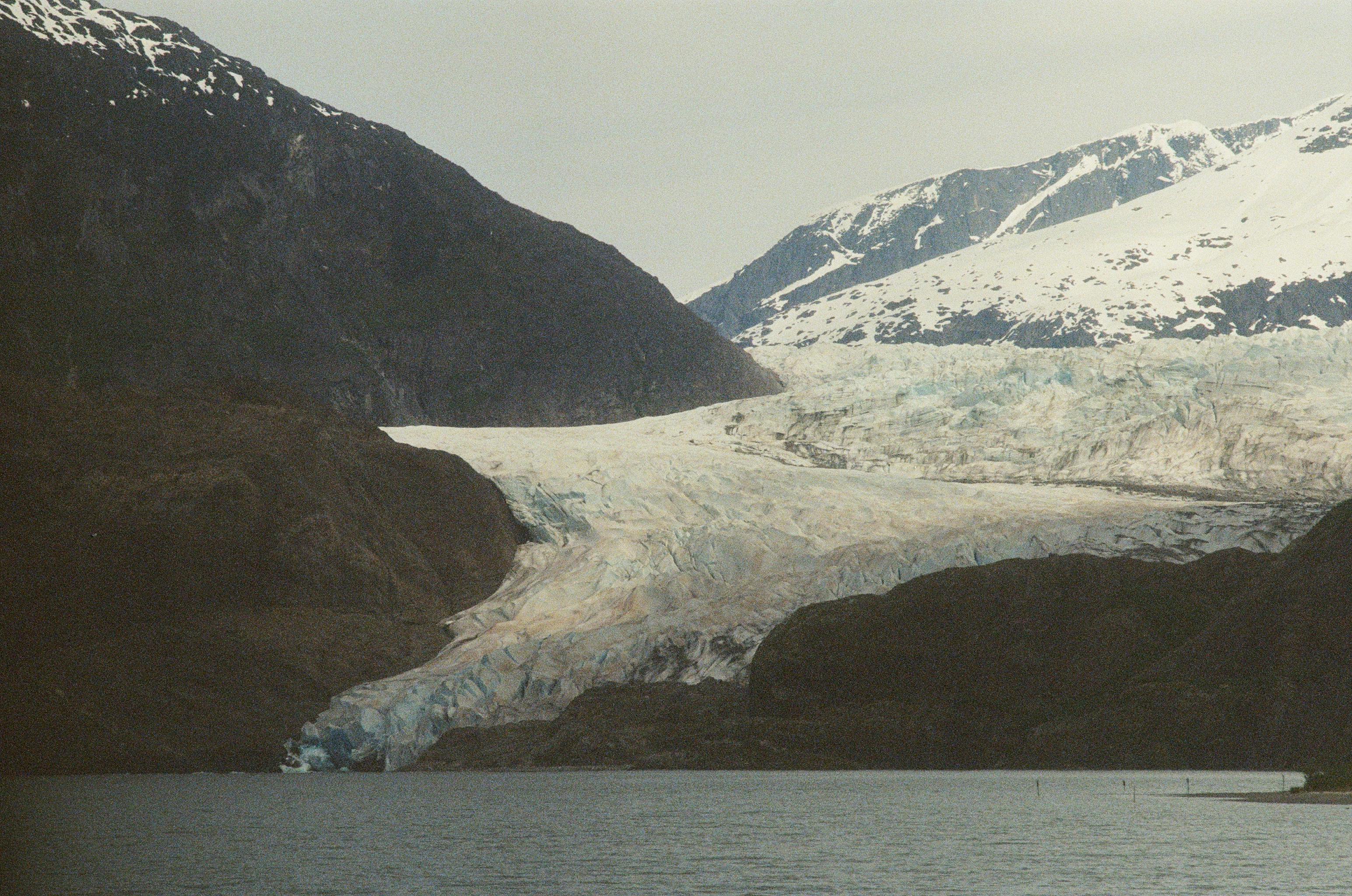
Key Takeaways:
- The state is gathering public input on how to prioritize a $6 million federal grant.
- The money is tied to unmet recovery and mitigation needs from the 2024 glacial outburst flood.
- The survey closes April 20, so residents have a narrow window to weigh in.
- The debate is not just about repairs; it is about risk reduction, public safety, and long-term resilience.
- Flood recovery money often goes to the loudest emergencies, but the smarter move is to back projects that protect people, homes, and critical infrastructure over time.
What is the 2024 glacial outburst flood grant process?
The state’s survey is part of a planning process for a federal recovery grant tied to the 2024 flood event. In plain English, officials are asking residents, local governments, tribes, and other stakeholders what problems still remain and what kinds of projects should rise to the top. That includes both recovery, meaning repairs and restoration, and mitigation, meaning actions that reduce future damage.
A lot of people hear “grant” and assume it means a pile of cash waiting to be spent. Not quite. These programs usually come with rules, deadlines, documentation, and a fair amount of federal paperwork. They also tend to favor projects that can show measurable benefit—less flood damage, stronger infrastructure, safer access routes, better drainage, fewer emergency disruptions. In other words, the money is real, but it is not free-form. There are guardrails.
This matters because the 2024 disaster was not a one-off freak event in the way people like to tell themselves. Alaska has seen repeated flood threats linked to glacial lakes and warming conditions. That reality changes the conversation. The goal should not be to patch one break and move on. It should be to protect homes, roads, utilities, and emergency access in a way that respects the human dignity of people who have to live with the consequences.
Most news coverage about disaster grants overstates the speed of recovery and understates the grind of allocation. The real story is usually slower and more annoying: matching priorities to funds, getting buy-in, satisfying federal rules, and deciding whether the next dollar goes to restoration or prevention. I have covered enough public process to know that this is where outcomes are made, not in the press release.
Core details and context
The grant total is $6 million. That is not a fortune when you spread it across disaster response, infrastructure, drainage, public safety, and mitigation. It is, however, enough to matter if it is targeted with discipline.

- The deadline is April 20. That makes this a short feedback window, not a leisurely consultation.
- The funds are for unmet needs. So the grant is intended to address gaps that other disaster aid did not cover.
- Mitigation is part of the mission. That is important because the cheapest repair is often the one that prevents the next failure.
- Public input is being sought. This is not just a box-checking exercise if done honestly, though plenty of agencies treat community engagement like theater. Let’s be real, that happens.
What should communities prioritize? Probably the boring stuff that saves lives. Drainage upgrades. Road stabilization. Riverbank work. Emergency access routes. Culvert replacement. Utilities protection. Hazard mapping. Long-term planning around the areas most exposed to outburst flooding. None of that is glamorous, and none of it makes for a dramatic headline. But it beats rebuilding the same weak spots over and over.
There is also a political and moral dimension here. Public dollars are not abstractions. They come from taxpayers and, in this case, from federal assistance meant to serve the common good. That means choices should be judged by whether they protect people with the least room to absorb losses—families with one road in and out, elders, workers who cannot relocate easily, and small communities that do not have a spare system lying around.
People also ask what the community input is really worth. Sometimes the answer is “more than officials admit.” Local residents know which road washes out first, which neighborhoods get cut off, which culvert chokes, and which repair never lasted more than a season. If officials listen well, the grant can do more than fill holes. It can reduce suffering.
A few practical questions should guide the public response:
- Which assets failed first during the flood?
- Which repairs are still pending?
- Which projects would reduce the chance of repeat damage?
- Which neighborhoods or facilities face the highest risk?
- Which proposals can be finished in time and documented properly?
Timeline and what happened
- The flood event hit in 2024. Water from a glacial source overwhelmed parts of the affected area, triggering damage that required emergency response and ongoing recovery.
- Damage assessments followed. Officials and local partners identified what had been destroyed, what had merely been damaged, and what still needed help after emergency response ended.
- Unmet needs were identified. Not every problem gets covered by standard relief. Some infrastructure repairs, mitigation measures, or community needs remain outside initial funding streams.
- The federal grant became available. The state gained access to $6 million meant specifically for those gaps. That is the moment when policy becomes a real-world argument over priorities.
- Public input was opened. Residents are now being asked to weigh in before April 20, which is smart if the state genuinely wants to hear from people who know the ground truth.
- Priority decisions will be made. After feedback is collected, the state will sort proposals and likely push toward projects that satisfy recovery needs and lower future risk.
- Implementation will follow. This is where promises get tested. Good intentions are cheap; execution is expensive.
When I analyze disaster recovery cycles, the same pattern keeps showing up. First comes the emergency. Then the paperwork. Then the fight over what counts as urgent. Then the slow work of rebuilding. The communities that come out better are the ones that do not confuse speed with seriousness.
Here’s the kicker: mitigation projects often look optional until the next storm, flood, or slide proves otherwise. A culvert upgrade may not excite anyone, but neither does cleaning mud out of somebody’s kitchen every summer. Human beings are poor at pricing future pain. Governments are, too. That is why this stage matters.
Comparison table: recovery repair vs. mitigation investment
| Factor | Recovery Repair | Mitigation Investment |
|---|
| Main goal | Restore what was damaged | Reduce future flood damage |
| Time horizon | Short to medium term | Medium to long term |
| Public visibility | High, because damage is obvious | Lower, because success means nothing happens |
| Cost effect | Can be repeated after each event | Often saves money over time |
| Risk reduction | Limited if built back the same way | Stronger if designed well |
| Community benefit | Immediate service restoration | Stronger resilience and fewer disruptions |
| Political appeal | Easier to sell fast | Harder to explain, but smarter |
| Best use case | Emergency repairs, road reopening, basic restoration | Drainage, elevation, barriers, redesign, hazard reduction |
The biggest competitor to this grant priority process is not another disaster program. It is inertia. That is the real rival. People want to restore the old setup because it is familiar and politically easier. But familiar does not mean wise. If you rebuild a weak system without improving it, you have bought another round of trouble.
That is where public input can help—if the feedback is concrete and not just angry noise. The state needs to hear which sites matter, which repairs failed, and which projects can prevent the next emergency. Communities should not ask for every possible thing. They should rank what protects the most people and the most essential services.
Common misconceptions and what to know
One common myth is that disaster grants should only fix the obvious damage. That sounds fair until you think for a minute. If all you do is patch the flood’s footprint, you may be paying to repeat the same loss. The better standard is whether a project protects people from the next event.
Another misconception is that mitigation is a luxury. It is not. It is the practical side of prudence. Scripture has a plain line on this kind of thinking: the wise person counts the cost before building. That does not mean refusing help. It means using help well.
A third mistake is assuming the public input phase is meaningless. Sometimes it is. Agencies can treat surveys like ceremonial confetti. But not always. Local feedback can surface details that consultants miss, especially in places where one road, one bridge, or one drainage channel makes the difference between normal life and isolation.
People also tend to overestimate how much money $6 million really is. In disaster terms, that is limited. One major bridge fix, one drainage corridor, or one round of utility protection can eat a large share. So the debate should not be “what can we dream up?” It should be “what gets the most real-world protection per dollar?” That is plain stewardship.
A final misconception: recovery and mitigation are separate moral categories. They are not. If a community cannot get to work, school, or a clinic because flood damage keeps recurring, then recovery is incomplete. A government that ignores future risk is not being frugal; it is being careless with public trust.
Frequently asked questions
What is the survey for?
It is meant to gather community input on how Alaska should prioritize a $6 million federal grant for unmet recovery and mitigation needs related to the 2024 glacial outburst flood.
When does the survey close?
The survey closes April 20. That deadline matters because the state needs enough time to review public comments before deciding which projects should rise to the top.
What kinds of projects could be funded?
Likely candidates include recovery repairs and mitigation work such as road fixes, drainage improvements, culvert upgrades, emergency access protection, and other measures that reduce future flood risk.
Why does mitigation matter as much as repair?
Because repair alone can leave the same weakness in place. Mitigation lowers the odds of repeat damage, which protects people, businesses, and public services over time.
Final thought
This is not just a budget exercise. It is a judgment call about what kind of future Alaska wants to pay for. You can spend public money chasing yesterday’s damage, or you can spend it with a sharper eye on tomorrow’s risk. The second choice is usually harder, slower, and less photogenic. It is also the one that respects people who have to live with the consequences.
The best disaster policy is rarely flashy. It is steady, local, and honest about limits. It asks who is still exposed, who is still paying, and which fixes will actually hold. That kind of thinking is not ideological. It is decent. It is also the sort of prudence that treats public funds as a trust, not a prize.
If Alaska gets this right, the grant will not just rebuild what was lost. It will strengthen communities in a way that acknowledges reality, honors human dignity, and spends scarce money like it belongs to everyone—which, of course, it does.