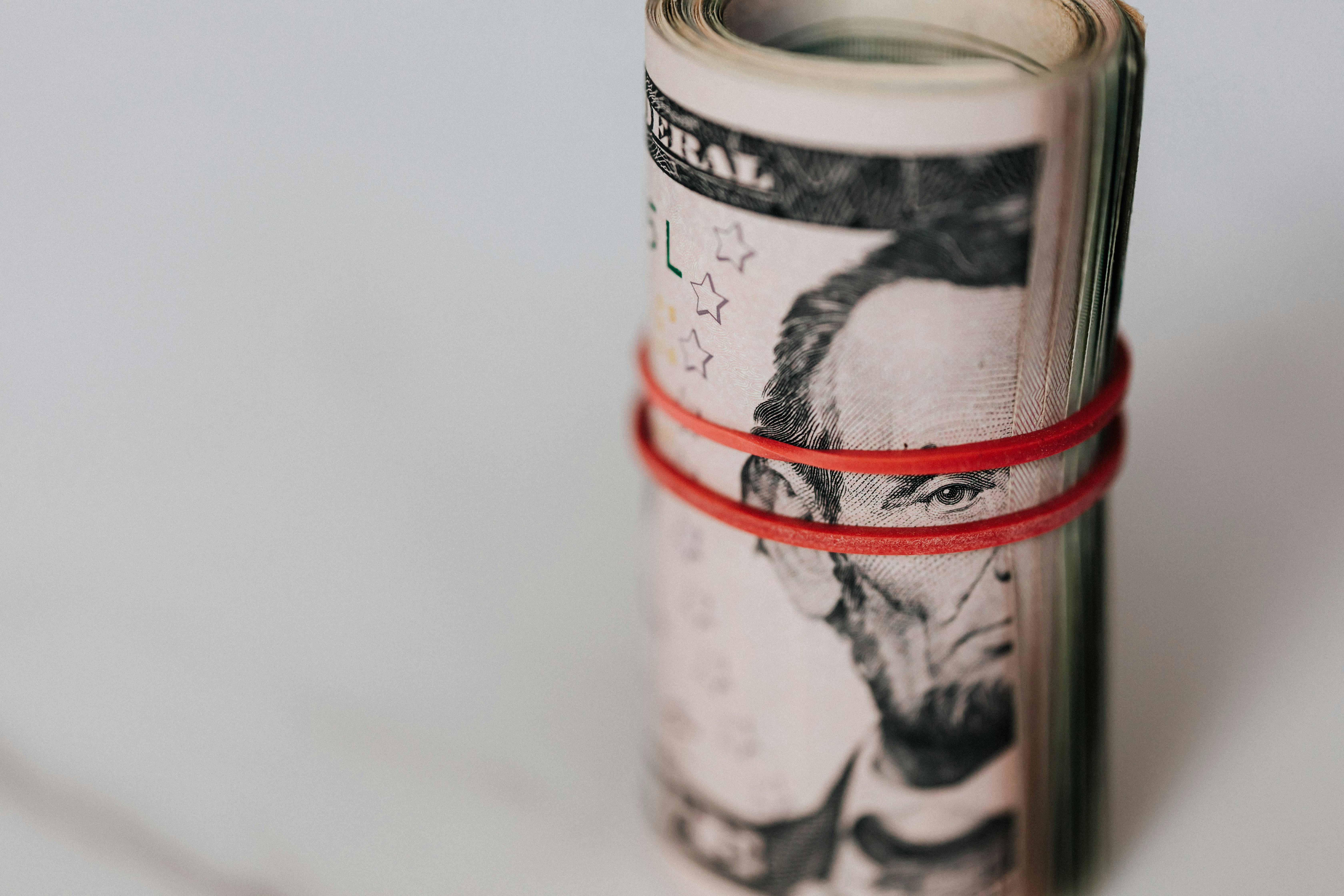
Alaska's <strong>Permanent Fund Dividend</strong> is heading toward a smaller payout. The Senate Finance Committee cut the 2025 dividend to...
Alaska Senate Cuts Permanent Fund Dividend to $1,000 as Budget Fight Sharpens
Alaska's Permanent Fund Dividend is heading toward a smaller payout. The Senate Finance Committee cut the 2025 dividend to $1,000 on Wednesday, a move that tightens the budget as lawmakers enter the final month of the session. The fight is not really about one check. It is about government priorities, fiscal limits, and what residents think the state owes them after years of political drift.
What is the Permanent Fund Dividend?
The Permanent Fund Dividend, or PFD, is Alaska's annual cash payment to eligible residents from earnings on the state's oil wealth fund. It is simple on paper and messy in practice, which is often how politics works when real money is involved. The fund itself was built to preserve resource wealth for the public good, and that idea still matters; stewardship is not a slogan when the state has to decide whether to spend today or save for tomorrow.
I've covered enough budget fights to know the headline is usually too neat. People hear "dividend cut" and assume the issue is stinginess. Frankly, that misses the grind underneath. The PFD has long sat at the center of Alaska's tug-of-war over taxes, savings, education funding, health care, and capital spending. Every dollar sent out through the dividend is a dollar not available for schools, roads, public safety, or shoring up reserves.
The check is also political. Residents see it as a right, not a bonus, and lawmakers know that touching it can trigger backlash fast. That is why the current reduction matters. It is not a technical adjustment. It is a signal that the legislature is still trying to fit too many demands into too little fiscal room. When I look at these debates, the pattern is obvious: everyone wants a clean answer, but the numbers keep refusing to cooperate.
Most coverage treats the dividend like a feel-good payment with a fixed value. Not so. Its size has shifted with oil prices, legislative formulas, and the state's changing budget posture. The real question is whether Alaska wants to keep treating the dividend as the first claim on public wealth or as one claim among many. That is where the fight sits now.
Core Details and Context
- Budget pressure is real. Alaska relies heavily on revenue tied to oil, and that makes the budget vulnerable when prices or production weaken.
- Services compete with dividends. Education, transportation, corrections, and health programs all need funding, and lawmakers have to decide what gets protected.
- The PFD is politically sensitive. Cuts can anger voters quickly, especially in rural areas where the dividend can matter as household cash.
- There is no painless option. Bigger dividends usually mean tighter spending elsewhere, new revenue, or both.
- Public trust is on the line. Residents want predictability, but the state has spent years changing the rules and leaving people to guess what comes next.
Here's the kicker: some lawmakers still talk as if there is a magical formula that can deliver a large dividend and fully fund government. There isn't. The state has already burned through years of uncertainty, and Alaska's fiscal structure now forces choices that were postponed for too long. I find that this gets lost whenever the debate turns into a shouting match over who "deserves" what.
There is also a moral layer here that pundits avoid. Government has a duty to protect the dignity of work and the common good, not just distribute cash in a way that flatters short-term politics. If the dividend drains the ability to maintain schools, roads, clinics, and public order, then the state is not being prudent. Stewardship means asking what serves families over time, not just what wins applause this week.
The committee's action also matters because it sets the tone for negotiations with the full legislature. A Senate number is not law until both chambers agree and the governor signs off, but these early figures often shape the final deal. That is the real contest now: not ideology in the abstract, but a ledger.
Timeline and Step-by-Step
- Lawmakers entered the closing stretch of session. The calendar is now working against delay, and every unresolved item becomes more expensive in political terms.
- The Senate Finance Committee reviewed the dividend. Members weighed the PFD against the rest of the budget, where health care, education, and state operations all press for room.
- The committee settled on $1,000. That number signals restraint, and it tells the rest of the legislature that the Senate is not going to pretend the budget is bigger than it is.
- Negotiations now widen. The full Senate, the House, and the governor must all confront the same basic problem: the state cannot spend in three directions at once without consequences.
- Final bargaining begins. This is where voters often hear slogans, but the actual work is more practical—line items, offsets, and tradeoffs.
When I analyzed past Alaska sessions, the pattern was consistent. Early numbers often look firm until revenue estimates shift, then the whole structure starts wobbling. That is why the current move should be read as a starting point, not a finish line. The public hears a dividend amount and thinks the matter is settled. It is not.
A quick look back helps. Alaska has repeatedly struggled to create a durable fiscal plan that balances the PFD with state obligations. Oil wealth gave the state room to dream, but it also encouraged habits that were hard to break. Now the bill comes due in a more ordinary way: limited revenue, growing costs, and voters who expect government to do more than shrug.
The practical question is whether the final budget process will produce a stable compromise or another year of uncertainty. That, frankly, is the whole game.
Comparison Table
| Item | Permanent Fund Dividend | Biggest Competitor: State Services Funding |
|---|
| Primary purpose | Direct cash payment to residents | Support for schools, public safety, roads, health care, and government operations |
| Political appeal | High and immediate | Lower visibility, but broader long-term effect |
| Fiscal impact | Reduces money available for other needs | Protects core functions and public infrastructure |
| Public perception | Feels personal and tangible | Often seen as abstract until services fail |
| Budget flexibility | Limited when revenue is tight | Can stabilize state operations if funded consistently |
| Common criticism | Too large when budget is strained | Too easy to cut, even when needed |
| Long-term value | Helps households in the short run | Supports the common good and long-run stability |
The comparison is ugly, but useful. The dividend is emotionally powerful, while services are structurally important. That tension defines Alaska politics every spring.
If you want a wider sense of how state budgets get twisted by competing claims, see our coverage of Alaska budget negotiations, oil revenue and state finance, and the final month of the legislature. Those pieces show why this debate keeps coming back.
Common Misconceptions and What to Know
The loudest claim is usually the weakest one. People like clean villains and easy fixes, but this issue does not reward either.
- Misconception: Cutting the PFD means lawmakers do not care about residents. Not necessarily. It may mean they think schools, public safety, and basic operations cannot be starved forever.
- Misconception: A larger dividend is always the better political answer. Not if it leaves the state unable to pay for services people rely on every day.
- Misconception: This is just a one-year disagreement. No. It is another chapter in a long fiscal problem that Alaska has not solved.
- Misconception: The amount is purely economic. It is also cultural and moral. Residents have attached meaning to the dividend, and that makes every cut feel personal.
Let's be real: most reporting focuses on who won the latest round, not on whether the state has built a budget model that can survive the next ten years. That is the actual issue. A society cannot live on short bursts of cash and improvisation forever. At some point, prudence has to replace habit.
The Catholic instinct here is straightforward. Resources are entrusted, not owned without responsibility. Public money should be used for the common good, especially where the vulnerable depend on stable services. That does not mean ignoring household needs. It means refusing to treat public finance as a slot machine.
For readers following the wider policy picture, our analysis of oil market effects on Alaska and public spending priorities adds helpful context. The dividend debate does not sit alone; it sits inside a system that is already strained.
Frequently Asked Questions
Why did the Senate Finance Committee cut the dividend to $1,000?
Because lawmakers are trying to close a budget gap while balancing the dividend against the cost of funding state services. The cut reflects fiscal pressure and limited revenue.
Is the $1,000 dividend final?
No. It is a committee decision, not the final law. The full legislature and governor still have to agree on the final budget package.
Why is the Permanent Fund Dividend so controversial?
Because it affects both household income and the state budget. Residents see it as a direct share of Alaska's wealth, while lawmakers see it as one part of a much larger spending puzzle.
What happens if the legislature cannot agree?
The budget process can run long, and lawmakers may have to keep negotiating until there is a deal. If they miss deadlines, that creates more uncertainty for residents and agencies.
Final Thought
The dividend fight is about more than a number. It is about whether Alaska can tell the truth to itself about scarcity, duty, and the limits of political theater. That is not glamorous, but it is how grown-up government behaves. People want fairness, and they should. They also deserve honesty about what the state can actually sustain.
A smaller PFD is never easy to sell, because the payment has become part of family planning, not just state accounting. But the deeper issue is whether elected officials will stop pretending that every claim can be satisfied at once. They cannot. Choices have weight. Resources are finite. And if public money is a trust, then the people handling it owe residents more than slogans—they owe them prudence, justice, and a budget that can hold together when the oil wind shifts.