Alaska’s latest education bill is a grab bag, but not a random one. The Senate committee’s “mini-bus” package folds one-time money, policy tweaks, and...
Alaska’s latest education bill is a grab bag, but not a random one. The Senate committee’s “mini-bus” package folds one-time money, policy tweaks, and a student loan forgiveness plan into a single measure, because lawmakers want to move several school fixes at once rather than fight the same battles in separate bills.
Key Takeaways
- The Senate committee’s bill would add nearly $82 million for school district energy costs, transportation, reading instruction, and career and technical education.
- It also includes a student loan forgiveness program, a policy item that reaches beyond K-12 into teacher recruitment and retention.
- The “mini-bus” format is meant to combine funding and policy changes into one vehicle, which saves time but also packs unrelated fights into one vote.
- The proposal comes amid persistent pressure over school funding, student outcomes, and the state’s struggle to keep teachers and support staff.
- The real issue is not the slogan. It is whether the bill fixes short-term strain without dodging the deeper question of how Alaska pays for education fairly and consistently.
What is Alaska’s mini-bus education bill?
It is a compact legislative vehicle. Not cute, just compact.
In Alaska politics, a “mini-bus” bill is the smaller cousin of a giant omnibus measure, a way to bundle several related or semi-related policy items into one piece of legislation so lawmakers can advance them together. In this case, the Senate committee’s package aims to do two things at once: send more money to school districts for immediate needs, and make policy changes that are supposed to shore up the education system over time.
The headline number is nearly $82 million. That money would be directed toward energy costs, transportation, reading instruction, and career and technical education. Those are not glamorous line items. They are the unglamorous machinery of school operations. Heat the building. Move the buses. Teach kids to read. Give older students a path into skilled work. That is the real work, and frankly, it matters more than the usual rhetorical fog.
The bill also includes student loan forgiveness. That part is significant because Alaska, like many states, has trouble recruiting and keeping educators, especially in rural and remote communities where staffing shortages can become chronic. If a teacher or related education professional can get help paying down debt, the state may have a better shot at keeping that person in the classroom. Maybe. Incentives are not magic, and nobody should pretend they are.
I have watched enough legislative sessions to know what usually happens here. Lawmakers often frame one-time spending as a fix for structural problems, when in reality it is a patch. Patches have their place. A winter leak needs a bucket before it needs a whole new roof. But if the roof keeps failing, the bucket is not a strategy.
That is why this bill matters. It is not just about dollars. It is about whether Alaska treats education as a stewardship duty tied to the common good, or as another annual bargaining chip. The difference is not philosophical fluff. It shapes what students actually receive.
Core Details and Context
The committee package points to several pressure points in Alaska’s education system. Each one has its own constituency, which is exactly why these bills get bundled. Separate votes would mean separate fights. One bill makes the bargaining easier, even if the policy logic gets messier.
- Energy costs: Schools in Alaska face brutal utility bills. Cold is not a metaphor there. Districts spend heavily just to keep buildings functioning, and energy expenses can crowd out classroom spending. Adding money here is not a luxury; it is maintenance.
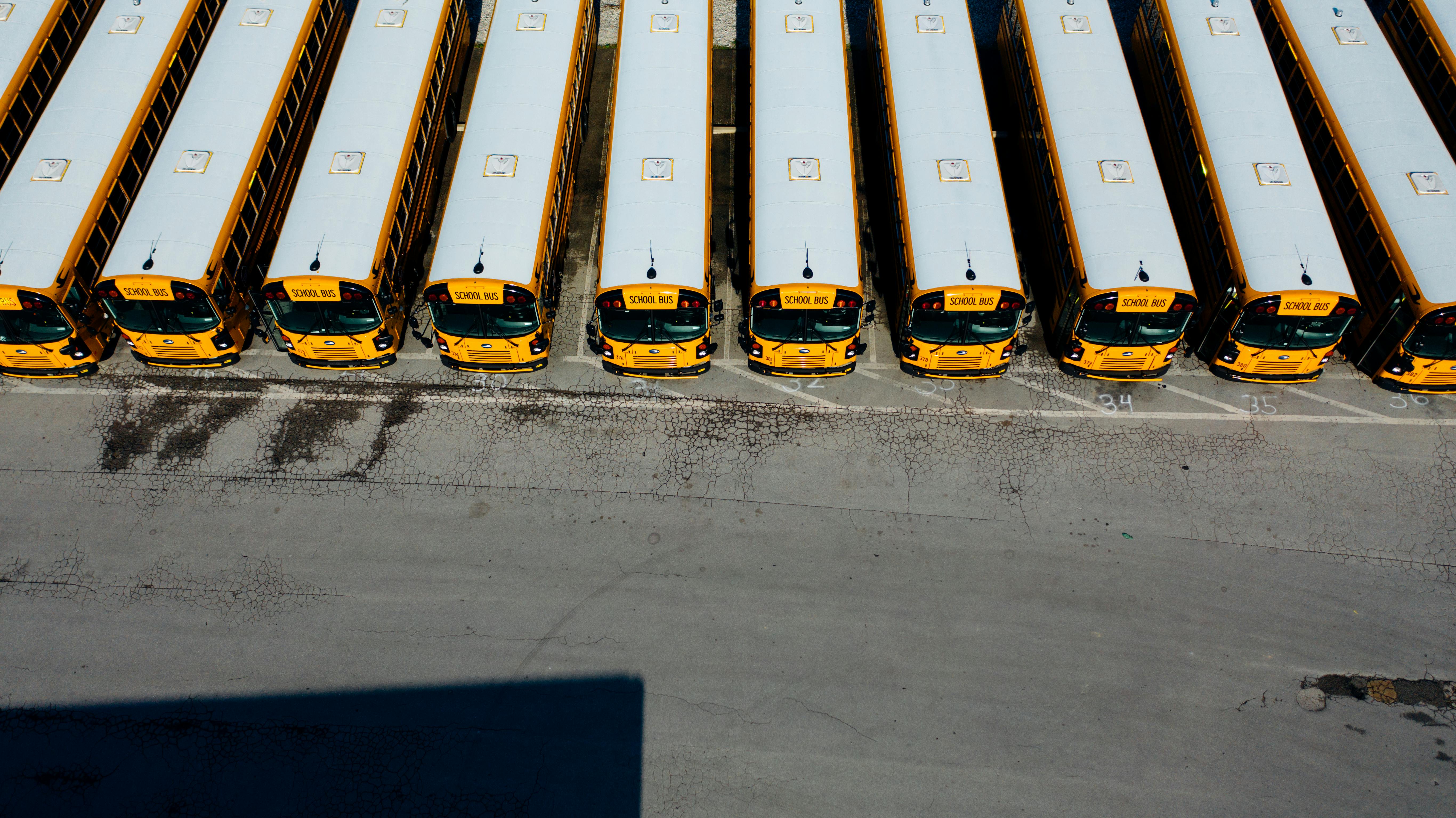
- Transportation: Rural Alaska depends on expensive logistics. Students in some places travel by bus, boat, or plane. That is not theory. It is geography. If transportation support falls short, attendance and access suffer.
- Reading instruction: This is the part that should keep everyone awake. Reading is the foundation, not an accessory. If early literacy lags, everything downstream gets harder, from graduation rates to workforce readiness.
- Career and technical education: CTE gets less attention than it should, which is odd because plenty of students need practical routes into welding, health care, construction, aviation support, and other trades. The labor market does not care about status games. It cares about skills.
- Student loan forgiveness: Teacher retention is not fixed by applause. If Alaska wants people to stay, it has to make the profession more sustainable. That includes pay, support, and some relief from debt burden.
The bill’s design suggests lawmakers are trying to respond to both immediate budget pain and long-term workforce problems. That sounds sensible until you remember that one-time money is, by definition, temporary. Districts can use it to stabilize operations in the short term, but they cannot build a durable plan around a check that disappears next year.
Here is the kicker: the most important debate may not be about the size of the appropriation. It may be about whether the state keeps using one-off measures because it cannot settle on a broader funding formula. That is where policy gets serious. Stable schools need stable rules.
The proposal also sits inside a bigger public argument about public education and accountability. Some lawmakers want stronger returns for state spending. Others argue schools are already underfunded and should not be forced to do more with less. Both sides sometimes talk past the actual data. I’ve covered this kind of fight for years, and the pattern is familiar: politicians want credit for funding increases, but few want to own the hard part, which is measuring whether the money reaches students in ways that matter.
This is where a sober view helps. Good government is not about dramatic language. It is about doing the ordinary things well: paying bills, keeping buses running, teaching children to read, and giving young people a real route into work. That is stewardship in the plain sense. No incense needed.
The funding and the policy changes may also serve different political purposes. The money can be sold as immediate relief. The loan forgiveness can be sold as workforce support. The literacy and CTE items can be sold as student outcomes. Together, they create a broader coalition. That is how the sausage gets made. Not pretty, but effective if the ingredients are decent.

Timeline and Step-by-Step
The path from committee talk to actual law is where many shiny proposals go to die.
- Committee discussion begins. Senators float the “mini-bus” idea as a way to combine education spending and policy changes. The bill gains attention because it addresses several recurring pain points at once.
- Funding targets are identified. The package lines up nearly $82 million for district energy bills, transportation, reading support, and career and technical education. That tells you the state is focused on operational pressure, not just abstract reform.
- Policy add-ons are included. The student loan forgiveness program enters the bill. That changes the bill’s scope, because now it is not only about school district budgets. It is also about staffing, recruitment, and keeping educators in Alaska.
- Lawmakers test political support. This is where reality intrudes. Some senators will like the money but dislike the policy rider. Others will love the teacher retention angle but balk at the cost. If a bill tries to please everyone, it usually ends up pleasing no one.
- Fiscal scrutiny follows. Budget analysts and legislative staff will examine whether the proposed funding is one-time or recurring, how it fits into the state budget, and whether it creates expectations districts cannot meet next year. That question matters a lot. One-time money can bridge a gap, but it can also create a cliff.
- Public debate sharpens. Parents, teachers, school boards, and local administrators will likely focus on whether the proposal addresses real needs. People on the ground tend to care less about bill labels than about whether classrooms stay warm and teachers stay put.
- Possible amendments. This is the part everyone pretends is technical. It is not. Amendments can strip out loan forgiveness, shift money between categories, or attach reporting rules and conditions. Small changes can alter the whole point of the bill.
- Final vote and follow-up. If the bill moves forward, the real test begins after passage. Districts will need to spend the money. The state will need to assess whether the policy changes improve outcomes. Otherwise, the legislation becomes just another file in a cabinet.
I’ve seen enough legislative cycles to say this plainly: the story is often less about the first announcement and more about what survives the amendments. That is where intent meets arithmetic.
Comparison Table
| Feature | Alaska Senate “Mini-Bus” Education Bill | Biggest Alternative: Separate Standalone Bills |
|---|
| Legislative format | Bundled funding and policy in one measure | Each issue handled individually |
| Funding focus | Nearly $82 million for schools | Varies by bill, often narrower |
| Policy scope | Includes loan forgiveness plus K-12 funding items | More limited, issue-specific |
| Speed | Faster to advance if coalition holds | Slower, more hearings and votes |
| Risk | One controversial item can sink the whole package | Lower risk per bill, but more fragmentation |
| Budget clarity | Can be harder to see how each piece fits | Easier to track line by line |
| Political trade-off | Compromise-heavy | More pure, less efficient |
The table makes the trade-off obvious. Bundling can get things done. It can also bury weak ideas inside stronger ones. That is the price of convenience.
Common Misconceptions and What to Know
The public narrative around education bills is usually mushy. The word “funding” gets thrown around like confetti, and then everyone acts shocked when schools still struggle. Let’s be real: money matters, but money without structure often produces disappointment.
Misconception 1: More money automatically fixes schools.
No. It helps, sometimes a lot, but only if the money is aimed at real constraints. Alaska’s bill points to energy, transportation, reading, and CTE because those are actual bottlenecks. Still, if the state uses one-time funds to cover recurring needs, districts may just be buying time.
Misconception 2: Policy changes are always separate from funding.
That sounds tidy. It is not how legislatures work. Funding and policy are usually tied together because lawmakers want leverage. If a state funds reading instruction, it may also demand more accountability around literacy outcomes. If it offers loan forgiveness, it may expect teacher retention in return. That is ordinary governance, not a conspiracy.
Misconception 3: Student loan forgiveness is just a perk.
Not really. In a tight labor market, debt relief can function as a retention tool. For rural districts, the problem is not abstract. They need adults in classrooms and on buses now, not after three more task forces and a ribbon-cutting.
Misconception 4: Bundled bills are automatically bad.
Also false. Sometimes a mini-bus is the only practical way to move a difficult package. The danger is not the format itself. The danger is stuffing the bill with unrelated items and pretending that makes them coherent. Legislators love to call that efficiency. Citizens should call it what it is: a bargain with strings.
The deeper issue is whether Alaska is willing to treat education as a matter of justice, not just cost. Schools are not factories, and children are not line items. A serious system respects human dignity, which means giving students more than slogans and teachers more than applause.
One more thing. When politicians frame school support as charity, they miss the point. Public education is a civic obligation. Communities owe children a fair shot. Not perfection. Fairness.
Frequently Asked Questions
What is a mini-bus bill in Alaska?
A mini-bus bill is a smaller omnibus-style measure that combines several funding items or policy changes into one package. It is used to move multiple related issues through the legislature at once.
How much money is in this education bill?
The bill would add nearly $82 million for school district energy costs, transportation, reading instruction, and career and technical education.
Why include student loan forgiveness in an education bill?
Because Alaska has long struggled to recruit and keep educators. Loan forgiveness can help with retention, especially in rural districts where staffing shortages are often severe.
Is this a one-time funding bill or a permanent fix?
It is mainly a one-time funding package with policy changes attached. That makes it useful for immediate pressure, but it does not by itself solve broader structural questions about school funding.
The real test is whether lawmakers treat this as a stopgap or a starting point. If it becomes a habit to patch education with temporary money and hope for the best, the state will keep revisiting the same mess. If it uses the bill to stabilize schools while building a cleaner long-term plan, then at least somebody was paying attention.
Final Thought
This bill is not flashy, and that is exactly why it matters. The practical stuff always gets ignored until it breaks. Heat, buses, books, teachers, training. That is the backbone of a school system, and a state that pretends otherwise is fooling itself.
When I look at Alaska’s education debate, I do not see a mystery. I see a government trying to patch immediate gaps while dodging the harder question of durable funding and accountability. Maybe the mini-bus is the best available tool. Maybe it is just a decent patch. Either way, the people who matter most are the students and the adults responsible for their formation. The common good is not an abstract slogan. It shows up in classrooms, not press releases.
The legislature can spend money. Fine. The harder task is spending it wisely, with enough humility to admit that children deserve more than improvisation.