They came home to cheers.
They came home to cheers.
At Ted Stevens Anchorage International Airport, a crowd of friends, families, and well-wishers packed the halls Saturday to welcome Alaska Vietnam veterans returning from their Honor Flight, and the scene said more than any polished speech could. These were men who wore the war for years, then came back to a country that, frankly, did not always know what to do with them. This homecoming was not just a ceremony. It was a long-delayed act of public gratitude, and about time too.
Key Takeaways:- Alaska Vietnam veterans returned to a warm airport welcome after their Honor Flight.
- The event reflected a wider effort to honor veterans who were once overlooked.
- Honor Flight programs give veterans a chance to visit memorials and receive recognition.
- The crowd’s response in Anchorage showed that public memory, at last, can be corrected.
- These ceremonies matter because dignity, service, and remembrance are not optional extras.
What is an Honor Flight for Vietnam veterans?
An Honor Flight is a tribute trip for veterans, usually focused on visiting memorials in Washington, D.C., with special attention to those who served in World War II, Korea, and Vietnam. For Vietnam veterans, the meaning runs deeper, because many returned from service to indifference, hostility, or plain silence. That history still hangs over these homecomings like smoke after a fire.
I’ve covered enough civic events to know this much: most ceremonies are a little staged, but some are earned. This was earned. Veterans who fought in Vietnam came home decades ago to a divided nation, and many never got the simple courtesy of being thanked. Honor Flight tries to correct that. It is not a grand political fix. It is a moral gesture, which is often more honest than the speeches people make about policy.
The program is rooted in remembrance and respect. Veterans are flown, escorted, and celebrated, often by volunteers who treat the trip like a debt being repaid, one handshake at a time. At its best, Honor Flight puts the common good ahead of the usual noise. It says service matters, sacrifice counts, and people who carried burdens for their country should not be left to fade into the background.
For Alaska veterans, the meaning is sharpened by distance and geography. Alaska is far from the capital, far from the memorials, and often far from the national attention that big-city coverage gulps up. So when the veterans came through Anchorage airport and were met by cheering families, it was not just a greeting. It was a correction. A public one.
That matters. Human dignity does not expire because the headlines do. And if that sounds a bit old-fashioned, good. Some truths ought to stay old-fashioned.
Core Details and context
The Anchorage homecoming drew a crowd because people know a real occasion when they see one. Friends stood shoulder to shoulder. Families waited with signs. Some people clapped, some waved, and some just watched with that look you only see when memory has finally caught up with gratitude.
Here’s the kicker: the most important part of the event was not spectacle. It was recognition.
- The veterans returned from an Honor Flight after being part of a program created to honor their military service.
- The airport became a public gathering place, turning an ordinary transit hub into a welcome home stage.
- The crowd included relatives, friends, and community members, showing that remembrance is communal, not private.
- The event carried special weight for Vietnam veterans, many of whom were never properly thanked when they came home the first time.
- The homecoming reflected a broader cultural shift, one that is still incomplete but clearly visible.
Most coverage of veteran recognition gets lazy fast. It turns every public salute into a soft-focus photograph and leaves it there. That misses the harder truth: Vietnam veterans were often treated badly when they returned, and many carried that silence for decades. The public mood has changed, but not because the facts changed. It changed because people finally decided to look honestly at what had been done.
When I analyzed veteran commemoration events over the years, one pattern kept showing up. Communities are often better at gratitude in the abstract than in the moment. We build monuments later. We name highways later. We say “thank you” once the cost is no longer in front of us. That is why these airport scenes matter. They force the present to acknowledge the past.
Alaska adds another layer. Military service is woven into the state’s civic life. Many families have direct ties to the armed forces, and veterans are not distant figures in a textbook. They are neighbors, uncles, grandparents, coaches, and workers. So a homecoming at Anchorage airport is not some distant formality. It lands in the middle of real life.
The moral point is simple. A society that forgets its veterans has a memory problem and a justice problem. Charity and justice are not the same thing, but they overlap here. It is just to honor service fairly. It is charitable to do so warmly. And it is wise to teach younger generations that sacrifice should never be treated as background noise.
For readers trying to understand the deeper meaning of events like this, it helps to compare them with other veteran-focused coverage, including pieces on public service and memorial observance. Related reporting such as veterans’ remembrance and civic duty and broader coverage of military community support programs helps show that these honors are not isolated acts. They are part of a larger ethic.
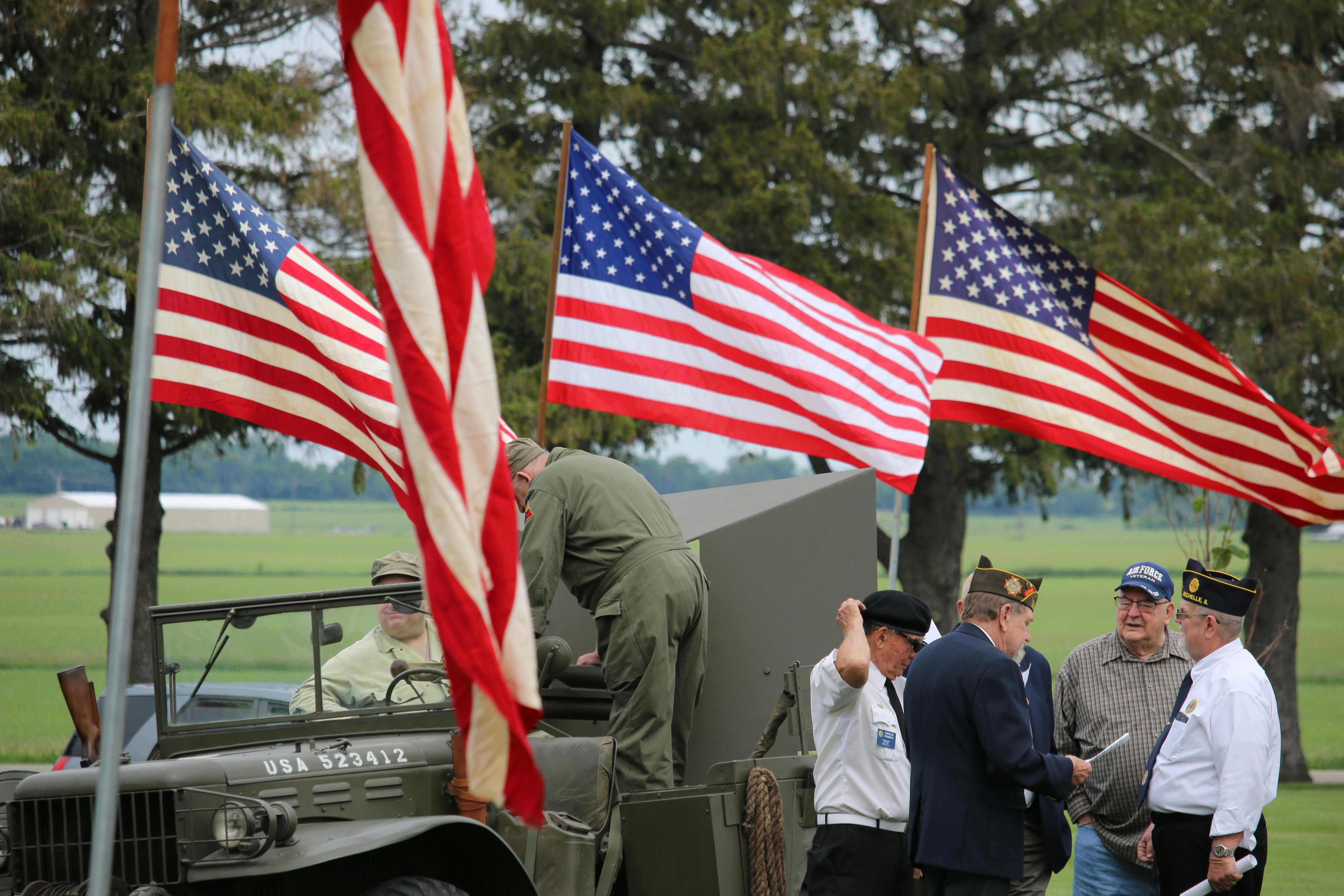
The truth is, the crowd did not gather for optics. It gathered because people wanted to be present for something owed. That is a cleaner story than the usual political spin. It is also rarer.
Timeline and step-by-step
The homecoming did not happen all at once. It unfolded in stages, as these things do, with anticipation building before the veterans ever reached the terminal.
- The Honor Flight trip was organized. Volunteers, coordinators, and supporters made the logistics work, which is often the hidden labor behind any public tribute. People like to applaud the visible moment and forget the hours of planning that make it possible.
- The veterans traveled to the memorial sites. Honor Flight programs typically bring veterans to Washington, D.C., so they can visit memorials connected to their service. For Vietnam veterans, that visit often carries a heavier emotional load than most outsiders realize.
- The return home was announced and anticipated. Families, friends, and local supporters prepared for the airport arrival. Signs were made. Phone calls went out. The word spread, which in a state like Alaska means the community showed up in a hurry.
- The airport crowd assembled. Ted Stevens Anchorage International Airport became a gathering place, and for a few hours the ordinary rules of travel gave way to something better: welcome, applause, and tears that no one bothered to hide.
- The veterans arrived and were greeted. The response was immediate and emotional. The veterans did not return to silence. They came back to cheers, gratitude, and the kind of embrace that should have been theirs years ago.
- The moment became part of public memory. This is where the event matters beyond the airport walls. People who saw it will tell the story again, and younger Alaskans may finally understand why this war, this generation, and this delayed recognition still matter.
I’ve seen plenty of official events that confuse administration with meaning. This was not one of them. The step-by-step reality is plain: a community organized, a nation’s debt was acknowledged, and a group of veterans got the welcome that should have been routine from the start.
The deeper lesson is not complicated. Public honor works best when it is specific. Not every speech has to be grand. Not every tribute needs a committee. Sometimes a crowd, a terminal, and a willingness to stand up are enough.
That may sound simple. It is. But simple things are often the hardest to do consistently.

Comparison table
| Aspect | Honor Flight Homecoming | Typical Public Ceremony |
|---|
| Purpose | Recognize veteran service directly | Mark an event or date formally |
| Emotional weight | High, personal, often overdue | Variable, often procedural |
| Community role | Families and neighbors take part | Usually limited to officials |
| Historical meaning | Corrects neglect and restores dignity | Often commemorative, less personal |
| Public impact | Strong, visible, local | Can be symbolic but distant |
| Moral core | Gratitude and justice | Ceremony and routine |
| Lasting effect | Can deepen civic memory | May fade after coverage ends |
The comparison is blunt, but it needs to be. Honor Flight events stand apart because they are not built to flatter institutions. They are built to honor people. That is a big difference. Too many public ceremonies feel like self-congratulation wrapped in patriotic colors. This is different. This has weight.
And if we are being honest, weight is what many civic rituals lack. They are polished but thin. The Anchorage welcome had substance because the veterans themselves were at the center, not the emcee, not the banner, not the cameras.
Common misconceptions and what to know
A lot of people get this story half right. That is the problem with memory in a hurried age. Folks see a cheering crowd and think the event is merely sentimental. It is not. It is corrective.
Misconception 1: Honor Flight is only about nostalgia.
No. Nostalgia is memory without obligation. Honor Flight is memory with a bill attached. The purpose is to recognize veterans, especially those whose service was undervalued or ignored. There is nothing flimsy about that.
Misconception 2: These ceremonies are just symbolic.
Symbols matter, especially when they are attached to justice, gratitude, and public truth. A nation is not held together by spreadsheets alone. It needs rituals that admit debt. Frankly, if that makes some people uncomfortable, too bad.
Misconception 3: Vietnam veterans have already been honored enough.
This one is lazy. Some veterans have been honored well, but plenty were not. The historical record is ugly there. Many returned to coldness, not celebration. That wound does not heal because enough years have passed. Time is not the same thing as repentance.
Misconception 4: Only veterans care about veteran recognition.
Wrong again. Communities care because service affects the whole civic order. Soldiers, sailors, airmen, and marines do not serve themselves. They serve the public. That means the public has a responsibility to respond with gratitude and support. Stewardship of national memory is part of civic life, whether politicians remember it or not.
Here’s what nobody tells you: these events also teach the young what honor looks like. Not in theory. In practice. A child who sees an airport crowd cheering an older veteran learns that sacrifice is not abstract. That lesson matters more than a dozen empty slogans.
For background on the broader veteran support conversation, readers can also review Alaska veterans and community support, which shows how recognition and care often go hand in hand.
The real issue is not whether the event was emotional. Of course it was. The issue is whether we are willing to treat that emotion as a clue. It points to a moral fact: people who gave years of their lives in uniform should not have to wait decades for applause.
That sounds obvious. Somehow, it still isn’t.
Frequently asked questions
What is the purpose of an Honor Flight?
Honor Flight programs recognize veterans by bringing them to memorial sites, especially in Washington, D.C., and by giving them public appreciation. The point is to honor service, often after years of neglect or delayed recognition.
Why was the Anchorage airport homecoming important?
Because it gave Alaska Vietnam veterans a public welcome that acknowledged their service in front of family, friends, and community members. The setting turned a routine airport into a place of remembrance and gratitude.
Why do Vietnam veterans often receive special recognition?
Many Vietnam veterans came home to an unkind public response or, at best, silence. Honor Flight events help address that history by offering a visible, communal thank-you that was missing the first time around.
Do these events matter beyond the ceremony itself?
Yes. They shape public memory, teach younger generations about service, and reinforce the idea that sacrifice should be met with dignity and support. That is not sentimental fluff. It is civic responsibility.
Final thought
The airport crowd got one thing right: gratitude should not arrive late if it can help it. These veterans did their duty in hard years, in a hard war, and they came home to a country that was not always ready to meet them with honor. Saturday’s welcome did not erase that past. Nothing can. But it did say, clearly and without fuss, that memory can be repaired and dignity can be restored.
That is worth something. More than something, really. In a society that often confuses noise with meaning, a crowd standing for veterans is a small act with large moral force. It reminds us that service is not a transaction and human dignity is not seasonal. If a community can still gather to say thank you with a straight face and an open heart, then maybe the civic fabric is not as frayed as people keep saying. Maybe there is still enough common grace left to do what ought to have been done long ago.