A new Alaska program is betting that prevention is cheaper than crisis care. It’s a plain idea, really, but one that the U.S. health system keeps resisting...
Alaska’s New Preventive Health Program Aims to Cut Costs — and Fix a Broken Incentive
A new Alaska program is betting that prevention is cheaper than crisis care. It’s a plain idea, really, but one that the U.S. health system keeps resisting because the money flows more easily after people get sick, not before. In Alaska, where distance, weather, workforce shortages, and chronic disease all pile on at once, that choice matters more than most.
Key Takeaways- Alaska is pushing a preventive healthcare program designed to reduce long-term costs.
- The goal is simple: catch problems early, before they become ER visits or hospital stays.
- This matters more in Alaska than in many places because access is hard and treatment can be expensive.
- The real test is whether insurers, providers, and patients all actually use it.
- Most coverage focuses on savings. The bigger story is human dignity—keeping people healthy before they hit a medical wall.
What is Alaska’s new preventive healthcare program?
It is a policy shift. Not a miracle. Not a slogan. A policy shift that pays more attention to screenings, early intervention, primary care, and basic disease prevention, with the goal of lowering expensive downstream care. That means fewer avoidable hospitalizations, fewer late diagnoses, and fewer cases where a person shows up in bad shape because the system waited too long to act.
When I look at these programs, I try to strip away the glossy language. What’s left is usually this: governments and insurers finally admit that paying for blood pressure checks, diabetes management, mental health support, and cancer screenings is cheaper than paying for amputations, dialysis, strokes, and emergency flights. Frankly, that is not a radical thought. It is common sense with a ledger attached.
Alaska is a hard place to ignore this logic. Communities are spread out, weather disrupts travel, and many residents live far from large hospitals. A missed checkup can become a major emergency. A small infection can become a plane ride. That reality makes prevention less of a nicety and more of a necessity.
The program’s real aim is not just cost control. It is also better health outcomes for people who often get stuck in a system built around reacting to illness. That distinction matters. A model that treats people as line items will always miss the moral point. The common good requires more than patching holes after the roof collapses. It requires stewardship—of money, time, and human lives.
Most news reports frame preventive care as a budget trick. They’re not wrong, exactly. But they’re incomplete. The deeper value is that prevention respects the person before the crisis. That’s the part too many policy debates skip.
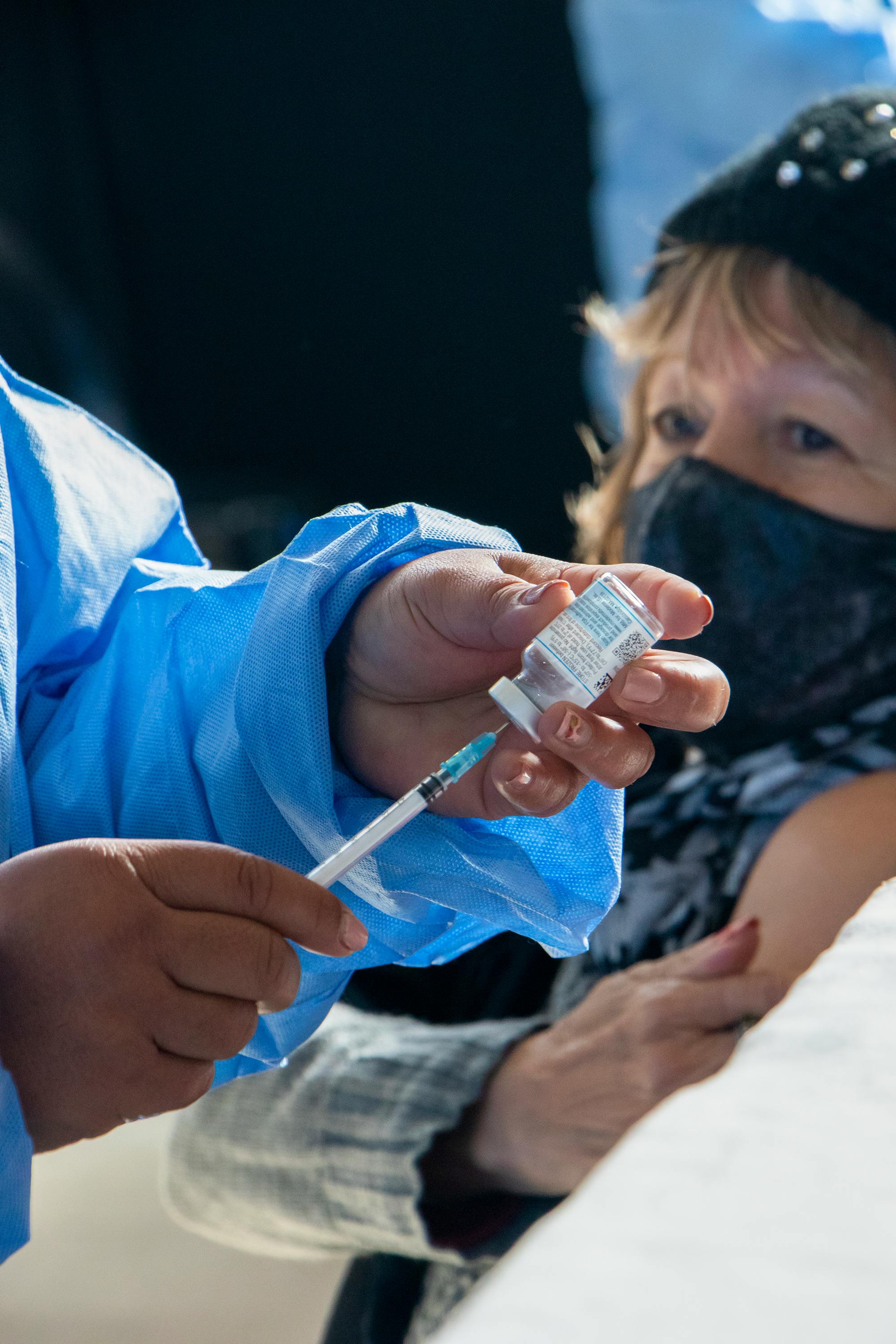
Core details and context
The program is part of a broader move in health policy: shift spending upstream. That sounds neat. It is also messy in practice.
- Primary care first: The model puts more weight on regular checkups, annual screenings, and chronic disease monitoring.
- Earlier diagnosis: Conditions such as hypertension, diabetes, and cancer are less costly when found early.
- Rural access focus: Alaska’s geography forces policymakers to think beyond big-city hospitals and into village clinics, telehealth, and regional care.
- Cost pressure: State budgets, insurers, employers, and households all feel the drag of avoidable medical bills.
- Workforce strain: Prevention only works if there are enough clinicians, nurses, behavioral health workers, and community health aides to deliver it.
Here’s the kicker: prevention saves money only if people can actually reach it. That means no pretending a promise on paper is the same thing as care in practice. A benefit that looks great in a press release can still fail if the nearest provider is six hours away or fully booked for weeks.
I’ve covered enough policy rollouts to know the usual weak spot. Everyone applauds the mission. Then the reimbursement rules get tangled, provider networks shrink, and patients never get the promised help. That is how well-intended programs quietly become paperwork exercises.
The likely pressure points in Alaska include:
- Transportation: Patients in remote areas may still need help getting to appointments.
- Telehealth reliability: Digital care helps, but only if broadband and devices are available.
- Insurance alignment: Preventive services need coverage rules that are clear, generous, and simple.
- Trust: Communities are more likely to use prevention programs when they trust the institutions offering them.
- Follow-through: Screening without treatment is just paperwork with a stethoscope.
This is where public policy gets real. It has to decide whether health care is mainly a market transaction or a shared responsibility tied to the dignity of each person. Catholic social teaching has long leaned toward the latter, and for good reason: a society should not wait for people to collapse before it takes them seriously.
For more context on how Alaska policy debates often intersect with household costs and public services, see this Alaska budget coverage and related reporting on rural health access. Those issues are not side notes. They are the whole ballgame.
The political angle is obvious, of course. Lawmakers like to say they support prevention because it sounds responsible. The real proof is in the budget, the staffing, and the follow-through. If money moves away from emergency care only to vanish into administrative fog, the public will notice. Eventually.

Timeline and step-by-step context
- Policy pressure built over time. Rising medical costs, repeated rural access problems, and chronic illness rates pushed Alaska leaders to look for cheaper options.
- Prevention got more attention. Health agencies and decision-makers began emphasizing screenings, primary care, and community-based interventions.
- The program took shape. Details centered on lowering long-term cost by shifting resources toward earlier care.
- Implementation became the real issue. I’ve seen this part sink cleaner ideas than this one. Once the plan meets reimbursement rules, staffing shortages, and transportation barriers, the tidy version gets rough.
- Evaluation will decide the outcome. If fewer people end up in crisis care, the model can be judged a success. If not, it becomes another expensive experiment.
The step that matters most is the boring one: execution. Politicians love announcements. Administrators love framework diagrams. Patients care about whether someone answers the phone, whether the clinic has appointments, and whether the medicine is affordable.
Let’s be real. A preventive program is only as good as the first missed warning sign it catches. If a patient with high blood pressure gets care before a stroke, the system works. If a patient never gets seen, the bill arrives later in a much uglier form.
This is also where data matters more than talking points. The state will need to track:
- screening rates
- hospital admissions
- emergency room usage
- avoidable complications
- rural versus urban access gaps
- per-patient spending over time
A decent evaluation should also ask a more human question: Did people feel cared for before they became expensive? That sounds blunt because it is blunt. But health policy should be measured in lives, not just spreadsheets.
For readers tracking related Alaska policy developments, this pairs well with coverage of state health care costs and public health funding. Prevention does not live in a vacuum. It sits inside a larger argument about what government owes its people and what people owe one another.
Comparison table
| Factor | Alaska preventive healthcare program | Traditional reactive care model |
|---|
| Main goal | Stop illness early | Treat illness after symptoms worsen |
| Cost pattern | Lower long-term costs if used well | Higher costs from ER visits and hospitalizations |
| Patient experience | More screenings, checkups, early support | More crisis care, delays, and rushed treatment |
| Rural fit | Better if telehealth and local clinics are funded | Poor fit for remote communities |
| Outcome focus | Fewer complications, better chronic care | More late-stage interventions |
| Biggest risk | Weak implementation or poor access | Ongoing cost escalation |
The comparison is not subtle. Prevention beats crisis care on almost every rational measure. The problem is not the theory. It is the habit of public systems to underfund the front end and then act surprised when the back end breaks.
Common misconceptions and what to know
The biggest misconception is that preventive care is somehow “extra.” It isn’t. It is the foundation. If you wait until people are already sick, you are not running a health system. You are running a clean-up crew.
Another common line goes like this: prevention only saves money over the very long term, so it is too expensive now. That’s lazy thinking. Some preventive steps save money quickly, especially when they avoid emergency admissions or catch chronic disease early. Others take longer. That does not make them optional. It means leaders need patience and discipline—two traits the political class often claims and rarely shows.
A third misconception is that technology alone will fix access. Telehealth helps. A lot. But broadband does not replace a nurse, and a video call does not replace every examination. Tech is a tool, not a sacrament.
The public also tends to overstate individual responsibility and understate structural barriers. Yes, people should make healthy choices. Of course they should. But choices are shaped by cost, travel, work schedules, food access, and trust. Telling someone to “just get care” in a village with limited services is not wisdom. It is theater.
Most coverage also misses the moral layer. Preventive care is not only about trimming budgets. It is about refusing to treat people as disposable until they become expensive. That matters. A civilized society does not wait until the wound is infected before it brings the bandage.
Here are the facts worth watching:
- Does the program reduce ER use?
- Do rural residents benefit, or do urban patients get the lion’s share?
- Are chronic diseases managed earlier?
- Are providers paid in a way that keeps them participating?
- Does the state measure outcomes honestly, or just selectively?
The answer to those questions will tell the truth faster than any press release.
Frequently Asked Questions
What is preventive healthcare?
Preventive healthcare includes screenings, checkups, vaccines, counseling, and early treatment intended to stop illness from getting worse. It focuses on catching problems before they become expensive or dangerous.
Why is Alaska focusing on prevention now?
Because costs are high, access is uneven, and many residents face long travel distances for care. Prevention is cheaper and more practical than repeated crisis treatment in a state with so many geographic barriers.
Will the program really save money?
It can, but only if people can access services and the system follows through. Prevention tends to reduce costs over time, especially when it avoids hospital stays and late-stage treatment. If implementation fails, the savings won’t show up.
How does this affect rural communities?
Rural communities could benefit the most if the program funds local clinics, telehealth, and community health workers. Without that, the gains may stay concentrated in places that already have better access.
Final thought
The smartest health policy is usually the least dramatic. That is inconvenient for the people who live on headlines, but it is true. Preventive care works best when it is quiet, steady, and close to home. It is the kind of policy that respects both the wallet and the person, which is rarer than it should be.
If Alaska gets this right, the state may show that cost control and compassion do not have to be enemies. That is not a sentimental idea. It is the practical shape of justice. The truth is, people should not have to become a statistic before anyone decides they matter.
The next few years will tell us whether this program is real reform or just another polite promise. I’m betting the answer will come down to the unglamorous things: staffing, access, follow-through, and whether leaders are willing to spend money before the bill becomes monstrous. That is stewardship, plain and simple.