The lawsuit matters. The <strong>Aleutians East Borough</strong>, the <strong>Native Village of Unga</strong>, and two Aleutian fishing organizations are...
The lawsuit matters. The Aleutians East Borough, the Native Village of Unga, and two Aleutian fishing organizations are seeking to void regulations adopted by Alaska’s Board of Fisheries in February, and the dispute cuts straight to fish policy, local economies, and who gets to decide how a shared resource is managed.
Key Takeaways
- The lawsuit targets February regulations for Area M salmon fisheries.
- Local governments and fishing groups say the Board of Fisheries overstepped or ignored key facts.
- The fight is about harvest timing, allocation, and economic harm in a region that depends on salmon.
- The case could shape how state policy balances conservation, subsistence, and commercial fishing rights.
- The deeper issue is stewardship: who bears the burden when a public resource is squeezed.
What is Aleutians East Borough’s lawsuit over Area M salmon regulations?
This is a challenge to state fish policy. The Aleutians East Borough, the Native Village of Unga, and two Aleutian fishing organizations are asking a state court to void regulations set by the Alaska Board of Fisheries at its February meeting, saying the rules were adopted wrongly and will hurt the region’s salmon fleet and communities.
Frankly, this is not just a fight over fish. It is a fight over regulatory authority, economic survival, and how the state weighs one fishery against another when the runs, markets, and seasons collide. I’ve covered enough fisheries disputes to know the headline often misses the point: the legal language sounds dry, but the real stakes are cash flow, crew wages, processing schedules, and whether a village can make payroll when boats sit idle.
Most coverage treats fish policy like a niche issue. That’s lazy. In Alaska, fish are infrastructure. They support jobs, local tax bases, coastal transport, and a chain of work that runs from skippers to processors to families paying heat bills. When the Board of Fisheries changes rules, it is not simply adjusting a line on paper. It is redistributing risk.
This case also raises a plain moral question, and yes, it matters: when a public resource belongs to everyone, stewardship means more than claiming victory for one side. It requires a fair process, honest science, and respect for human dignity on all sides, especially for people whose work depends on the season clock.
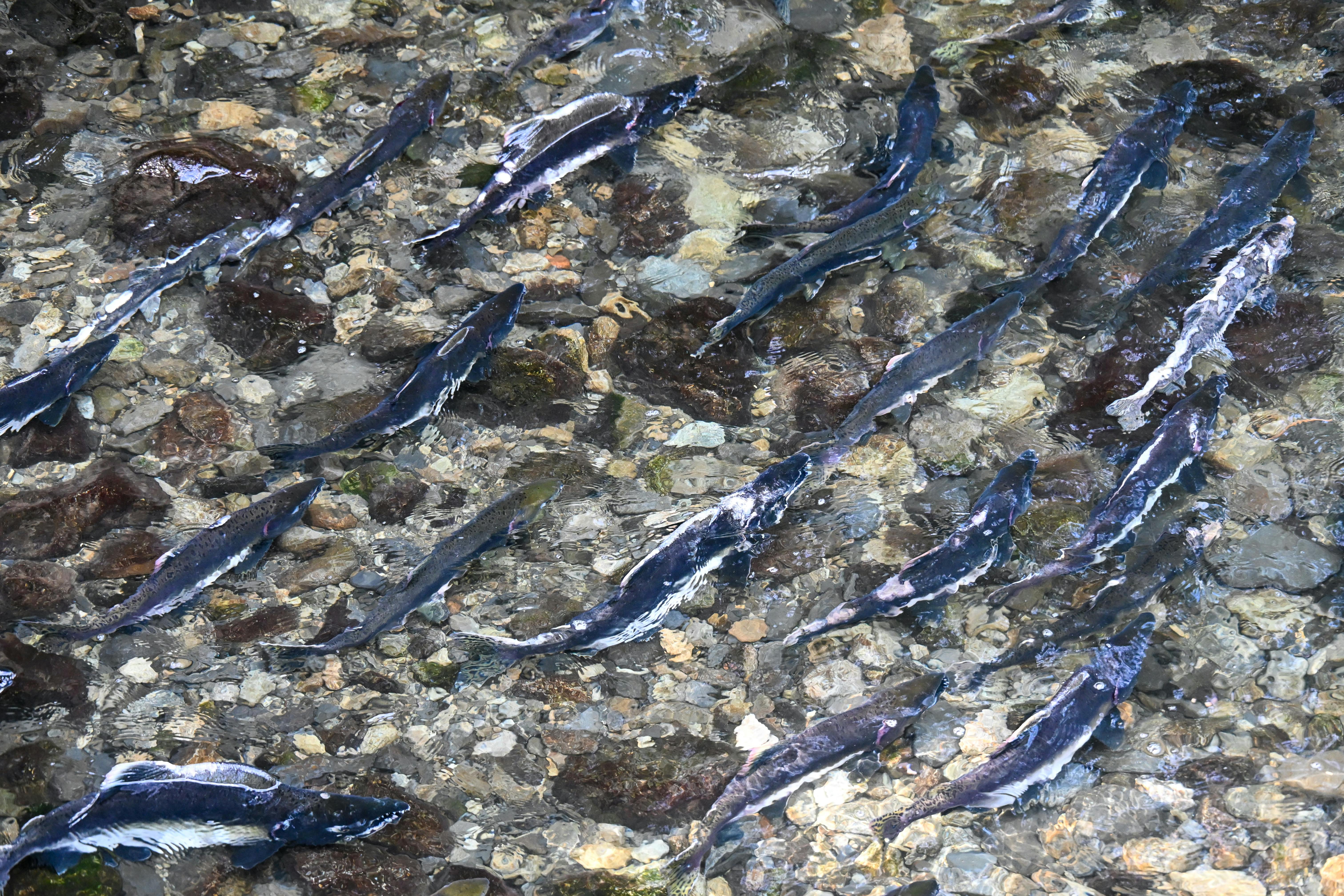
Core details and context
Here’s the kicker: the dispute sits inside a much larger Alaska fish-management system that often sounds technical until you read what it actually does.
- Area M refers to a commercial salmon fishing area in southwest Alaska, with a long history of conflict over timing, interception, and allocation.
- The Board of Fisheries sets regulations that guide when and how fisheries open, close, and operate.
- The plaintiffs argue the February rules were adopted in a way that failed to protect local interests and may have ignored practical consequences.
- Supporters of the rules usually argue the board must manage the fishery for broader conservation goals and statewide fairness.
Let’s be real: both sides usually claim the mantle of fairness. That is how these cases go. One side says the rules preserve the resource. The other says the rules hollow out a working region while pretending the pain is abstract.
When I analyzed fisheries disputes like this, the pattern was obvious. The strongest arguments are rarely theatrical. They are about record-keeping, procedural fairness, and whether the agency listened to the right people at the right time. Courts often care less about political drama and more about whether the board followed its own standards.
A few points matter most:
- Economic dependence: Area M communities depend heavily on salmon revenue.
- Subsistence and cultural ties: The Native Village of Unga’s involvement signals that this is not only a commercial matter.
- Management precedent: If the court voids the regulations, it could force the state to revisit how it explains decisions.
- Public trust: People expect fish policy to be honest, not a maze of assumptions.
There is also the old Alaska tension between local knowledge and central rulemaking. Local fishermen often say the people making decisions are too far from the docks to understand what a bad regulation does in real time. Agency defenders answer that statewide fish management cannot be run piecemeal. Both claims have some bite.
That tension is not unique to Alaska, of course. But Alaska’s scale makes it sharper. A few bad weeks can sink a season. A few bad seasons can break a community.
Timeline and step-by-step
- The Board of Fisheries met in February. The board adopted new Area M salmon regulations after public testimony, scientific briefing, and the usual push-pull between industry and state oversight.
- The rules were finalized. Once adopted, they became the operating framework for the fishery, shaping who could fish, when they could fish, and under what limits.
- Local opponents objected. The Aleutians East Borough, the Native Village of Unga, and two fishing groups concluded the outcome would damage the region and possibly rest on a flawed process.
- The lawsuit followed. They asked a state court to void the regulations, not merely revise them, which is a serious ask and suggests the plaintiffs believe the legal defects are fundamental.
- The court will review the record. This is where the real fight begins. Judges usually examine whether the board acted within its authority, whether the decision was supported by the record, and whether the process was lawful.
I’ve seen this play before. The public notices the filing only after the damage is already discussed on the docks. Then comes the legal calendar, which moves slower than the season, and that mismatch becomes its own form of punishment.
Here’s what nobody tells you: the lawsuit is not just about the past meeting. It is also about future leverage. If the plaintiffs win, they may gain a stronger hand in later board sessions, where every citation, chart, and testimony clip can be reused like a club.
The broader policy question is whether the state’s fisheries system can hold public trust when communities think decisions are being made over their heads. That is not a small issue. In a healthy republic, stewardship of shared goods should be clear, restrained, and accountable.

Comparison table
The dispute is between Area M fishing interests and the state Board of Fisheries’ regulatory regime. The table below compares the two forces at the center of the case.
| Factor | Area M fishing groups and local plaintiffs | Alaska Board of Fisheries regulations |
|---|
| Core goal | Protect local fishing opportunity and economic stability | Manage salmon harvests under state policy and conservation rules |
| Main concern | Loss of income, timing restrictions, and unfair allocation | Conservation, statewide balance, and regulatory consistency |
| Decision style | Local knowledge, industry testimony, community impact | Formal process, hearings, technical record, statewide authority |
| Risk if they lose | Reduced harvest opportunity and long-term economic strain | Regulations may stand, with agency discretion intact |
| Risk if they win | Short-term rule rollback, possible management disruption | Weakened confidence in the board’s process and authority |
| Public argument | “The fishery supports real families and villages.” | “The state must manage a shared resource for the common good.” |
The table is blunt because the conflict is blunt. One side sees livelihoods. The other sees rules. Both matter.
That is the part most commentary skips. Fish policy is not a morality play with clean heroes and villains. It is a contest over scarcity, timing, and legal authority. And when the resource is finite, people start to speak as if arithmetic itself were an insult.
When I look at the competing positions, I see a familiar tradeoff: local pain versus systemwide control. Courts do not invent a perfect answer. They decide whether the state crossed the line. That may sound cold, but law is often a rough instrument, built to keep officials honest rather than make everyone happy.
The real comparison is not simply who wants more fish. It is who can prove that the policy process respected evidence, listened to testimony, and did not treat one community as expendable.
Common misconceptions and what to know.
The first misconception is that this is “just a fishing dispute.” No. It is a public-law case about administrative power, regional economics, and resource governance.
The second misconception is that lawsuits like this are always anti-conservation. That is too simple. Sometimes plaintiffs genuinely believe the board’s rules are too broad, too blunt, or too disconnected from the facts on the water. Conservation and due process are not enemies. Good policy needs both.
The third misconception is that every fisheries fight is really about greed. That’s cheap talk. Sure, money is involved. Of course it is. Boats do not run on slogans. But there is a real difference between defending a working community and trying to corner a resource. The court will care about the record, not the moral theater.
The fourth misconception is that a board meeting is the end of the matter. Hardly. In Alaska, fish regulation often lives a second life in litigation. Public comment, agency findings, and legal filings all become part of the same long argument.
A few things to keep straight:
- The plaintiffs want the rules voided, not merely polished.
- The legal standard matters more than the press conference.
- Community harm is not a side note; it is central to the complaint.
- State authority is broad, but not unlimited.
Let’s be honest. Some news coverage likes clean narratives: greedy fishermen versus noble regulators, or vice versa. That is cartoon stuff. Real governance is messier. People of goodwill can still wound each other through bad decisions, rushed hearings, or blind spots.
There is a biblical wisdom here, even if nobody says it out loud: power over shared goods should be exercised with restraint, because the worker and the widow, the deckhand and the village elder, all bear human dignity. That is not sentimental. It is the minimum standard of justice.
If the court finds the regulations were properly adopted, the board’s authority gets a boost. If not, the state may have to redo the process and explain itself more carefully. Either way, the fight will shape how future fish policy is written.
For related local policy context, see Alaska government and fisheries coverage, state regulatory disputes, and coastal economy reporting.
Frequently asked questions
What is Area M?
Area M is a commercial salmon fishing region in southwest Alaska, managed under state fisheries rules that set harvest timing, methods, and limits.
Why are the plaintiffs suing?
They say the February regulations adopted by the Alaska Board of Fisheries should be voided because the rules will harm local fishing communities and were adopted improperly.
Does this case affect subsistence fishing?
It can, depending on how the regulations interact with local harvest patterns, access, and the broader management system.
What happens next?
A state court will review the lawsuit, the administrative record, and the legal claims before deciding whether to uphold or void the regulations.
Final thought
This case is about more than salmon. It is about whether a government can manage a shared resource without treating the people closest to that resource as an afterthought.
That is the real test. Not the press release. Not the slogan. The test is whether the system can balance conservation, law, and the dignity of work without pretending one side’s pain is just background noise. When shared goods get tight, character shows up fast. The state will say it followed the rules. The plaintiffs will say the rules missed the truth on the ground. A court will sort through the record, but the larger question remains, and it is older than any fisheries board: can public power be used justly, with enough humility to remember that communities are not abstractions?
Frankly, that is where the answer always lives.