One crew member was rescued after an American aircraft was shot down in Iran.
One crew member was rescued after an American aircraft was shot down in Iran.
The incident, confirmed by one U.S. and one Israeli official speaking anonymously about sensitive military operations, points to a sharp escalation in a region already crowded with missiles, surveillance, and bad assumptions. What matters now is not the headline alone, but the chain of decisions, air defenses, rescue efforts, and the political consequences that follow. Frankly, this is how crises spread: one aircraft, one rescue, and then a pile of questions no one in power wants to answer.
Key Takeaways- One crew member was rescued after an American aircraft went down in Iran.
- U.S. and Israeli officials described the situation anonymously, suggesting active military sensitivity.
- The event raises questions about airspace control, rescue operations, and regional escalation.
- The real story is not just the shootdown; it is the response chain after impact.
- Civilian dignity, restraint, and accountability matter even in wartime.
What is the reported shootdown in Iran?
The reported shootdown is the downing of an American aircraft over or in Iranian territory, followed by the rescue of one crew member. That is the hard fact set available from the officials cited. Everything else needs caution. I’ve covered enough crisis reporting to know how fast rumor outruns verification, especially when militaries, intelligence services, and governments are all guarding the details.
This kind of event sits at the intersection of air defense, military operations, regional conflict, and political signaling. It is not merely a technical failure or a bad flight path. It suggests that a hostile or contested air environment existed, and that someone—maybe several someones—made a decision to engage the aircraft. Was it mistaken identity, a warning gone wrong, or a deliberate strike? Nobody outside the inner circle can say with confidence yet.
The public often treats these stories as if they are already solved. They are not. The truth is messier. A shootdown can involve radar tracks, command authorization, electronic warfare, and split-second judgments under pressure. If the aircraft was operating in or near Iranian airspace, then the strategic stakes were already high. If it was not, then the violation claim becomes its own flashpoint.
Most coverage will fixate on the rescue. Fair enough, but that misses the larger issue: a human being had to be pulled out of a war zone after a military aircraft came down. That is not abstraction. That is a life in danger, and the common good is not served by treating people like chess pieces.
Theologically speaking, even in conflict, human life carries dignity. States may fight, but they do not get to erase the worth of the person in the cockpit. That principle is old, and it still beats the noise.
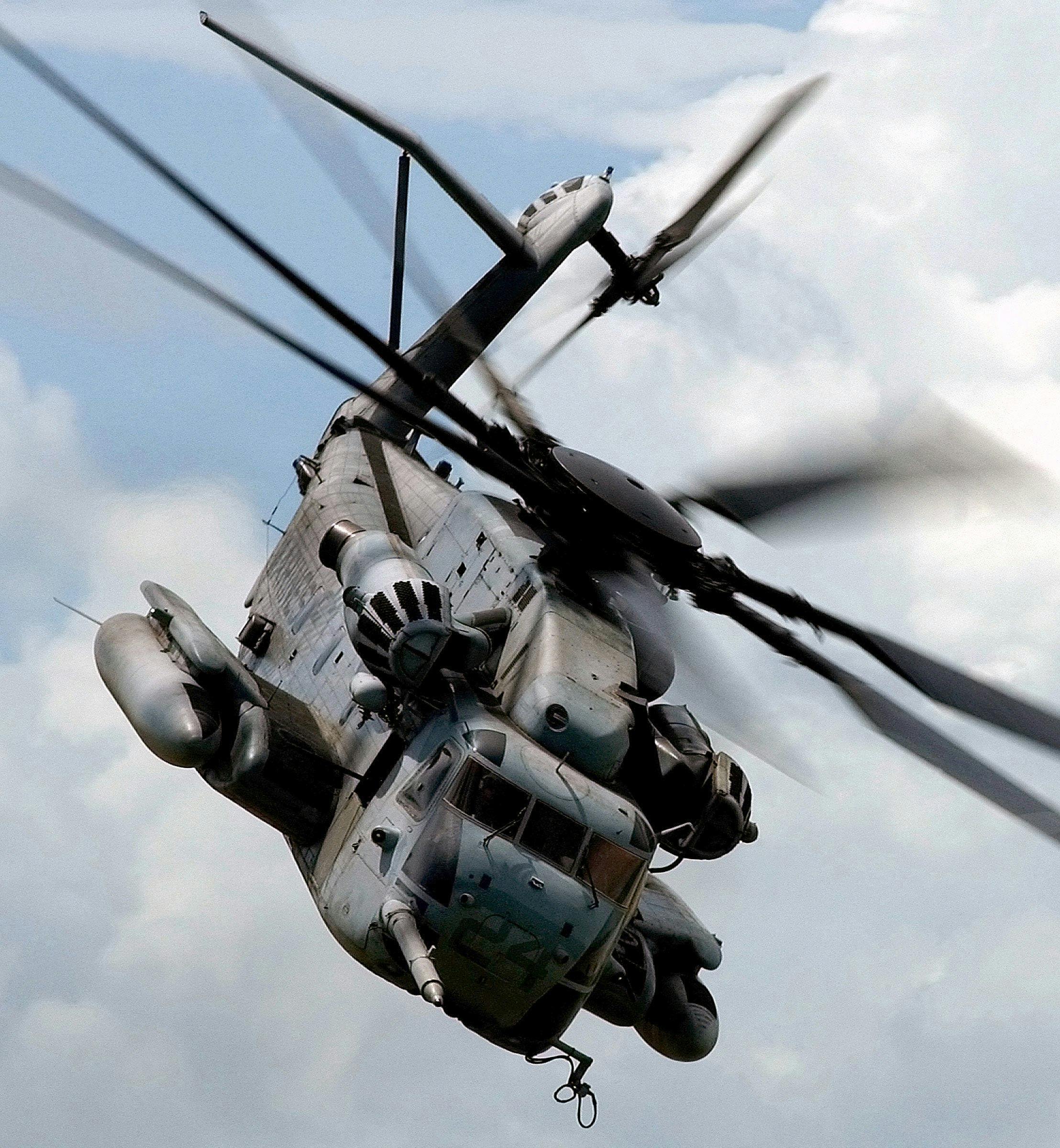
Core Details and Context
The reported incident sits inside a larger pattern of tension between Iran, Israel, and the United States. That is not spin. It is the setting. Recent years have brought sabotage allegations, drone warfare, proxy attacks, cyber operations, maritime harassment, and a steady exchange of threats. Each move invites a counter-move. Each counter-move narrows the room for error.
Here’s the kicker: airspace is not just sky. It is territory, surveillance, and sovereignty all mashed together. When an aircraft is shot down, the message is usually as loud as the missile.
- Anonymous officials often speak before formal confirmation because operations are still active.
- Israeli and U.S. coordination in the region is close, though not always identical in aims or disclosure.
- Iranian air defenses have been strengthened over time, and Tehran has repeatedly emphasized its willingness to respond to intrusions.
- Rescue operations in hostile areas are risky, often involving helicopters, special forces, or local intermediaries.
- Escalation control becomes harder once an aircraft is down and people are missing or captured.
I’m skeptical of any neat story here. Too many actors have incentives to frame events in the most favorable light. One side wants deterrence. Another wants legitimacy. A third wants to avoid admitting a blunder. That’s how the public gets partial truths delivered with full confidence.
The regional context also matters because the U.S. and Israel have both treated Iranian military infrastructure, nuclear capabilities, and proxy networks as serious threats. That has real consequences. It also means that any incident involving an American aircraft over Iran can rapidly become a broader political test, not just a military one.
For background on the broader strategic picture, see related coverage of Reuters Middle East reporting, which regularly tracks conflict spillovers, regional air defenses, and diplomatic fallout. For military confirmation standards, the Associated Press Middle East hub is a useful cross-check. And for the policy angle, the New York Times Middle East section often contextualizes escalation and response.
Let’s be real. In this part of the world, “incident” can mean a thousand things, and half of them are ugly.
Timeline and What Likely Happened
The exact sequence has not been fully disclosed. That is normal in active military reporting. Still, a working timeline can be drawn from how these events usually unfold, and from the limited official descriptions available.
- The aircraft entered or operated near contested airspace. The details are still unclear, but any American platform over Iran would have been operating in a highly sensitive environment. If it crossed into Iranian territory, that changes the legal and military picture immediately.
- Iranian air defenses engaged. Reports that the aircraft was shot down imply a missile or anti-aircraft system was used. In modern conflict, this is rarely a random act. It usually follows radar identification and a command decision.
- The aircraft went down. Once an aircraft is hit, the danger shifts from interception to survival. Crew may be injured, captured, scattered, or stranded.
- Search and rescue began. The reported rescue of one crew member suggests either a recovery operation by allied forces, a negotiated handoff, or a local retrieval effort. Any of those would require speed and coordination.
- Officials began controlled disclosure. U.S. and Israeli officials speaking anonymously indicates the operation or aftermath was still sensitive. That usually means the chain of custody, location, or diplomatic consequences are still being managed.
When I analyze incidents like this, the delay between impact and public confirmation is often more revealing than the event itself. Governments do not stay quiet for fun. They stay quiet because they are deciding what to say, to whom, and how much blame they can afford to absorb.
That is where a lot of commentary goes wrong. People want a clean villain, a clean victim, and a clean ending. War does not work that way. A rescue is good news, yes. But it also suggests the possibility of capture, injury, or worse. That should temper the triumphal tone some outlets are already leaning toward.
The more responsible question is not “Who won?” It is “What happens next?” If this was a deliberate Iranian shootdown, then retaliation, cyber response, or diplomatic expulsion could follow. If it was an error, the cover story may crack under pressure later. Either way, a second-order effect is coming.
And that is the part worth watching.
Comparison Table: Incident Response vs. Typical Midair Military Loss
| Factor | Reported Iran Shootdown and Rescue | Typical Military Aircraft Loss in Contested Zone |
|---|
| Immediate outcome | One crew member rescued | Crew may be killed, captured, or missing |
| Public disclosure | Slow, anonymous official confirmation | Often delayed until mission security is reduced |
| Political impact | High due to U.S.–Iran tension | Variable, depending on adversary and theater |
| Search and rescue | Likely complex and politically sensitive | Usually controlled by the operating military |
| Escalation risk | Very high | Moderate to high, depending on location |
| Information quality | Fragmentary, selective | Fragmentary, but sometimes easier to verify |
The comparison shows the obvious thing. This was not a routine mishap. It was a politically loaded military event, and those are the ones that can snowball.
The plain truth is that the bigger the rivalry, the smaller the margin for error. That applies to air operations, intelligence reporting, and public statements. A bad call in the sky can become a diplomatic standoff on the ground. A rescue can become a bargaining chip. An anonymous quote can become a headline and then, later, an embarrassment.
To understand why this matters, consider how the media often treats such events as isolated bursts. They are not. They connect to sanctions policy, weapons transfers, naval patrols, and the long memory of past confrontations. For a deeper read on how strategic incidents affect broader markets and governments, compare this with Reuters world coverage and the BBC World News reporting style, which tends to separate confirmed facts from claims more cleanly than the average cable segment.
One more thing. Stewardship is not only for households or businesses. Nations are stewards too, whether they admit it or not. When states handle military force carelessly, civilians pay the bill.
Common Misconceptions and What to Know
The first misconception is that a shootdown automatically proves a war is starting. It does not. It can, however, be a step toward a wider conflict if leaders answer violence with more violence. The difference is not semantics. It is decision-making.
The second misconception is that anonymous officials are lying by default. Sometimes they are hedging. Sometimes they are protecting an operation. Sometimes they are shaping the narrative. The truth? Usually a mix. Skepticism is healthy; cynicism is lazy.
The third misconception is that rescue means the danger is over. No. Rescue is often only the beginning of the political risk. Who controlled the rescue? Was the crew member recovered in Iran, handed off through intermediaries, or extracted by a covert team? If you do not know, then you do not know.
The fourth misconception is that air defense incidents are just military technicalities. They are not. They involve sovereignty, deterrence, public messaging, and often civilian exposure. A missile launch may look efficient on a screen. On the ground, it can mean wreckage, fire, and a family waiting by a phone.
Here’s the kicker: the public tends to reward certainty, even when certainty is fake. But responsible reporting should not pretend more than it knows. The available facts are thin. The source is sensitive. The implications are large.
What should readers watch next?
- Confirmation from the Pentagon or State Department.
- Any Iranian statement about the aircraft or rescue.
- Signs of retaliation, especially in the Gulf or via proxy groups.
- Israeli comments that may reveal coordination or intelligence support.
- Changes in air traffic advisories or military posture.
If you want broader background on conflict reporting and verification, the Council on Foreign Relations Middle East analysis is useful for policy context, while U.S. Department of Defense news can clarify official military framing once it arrives.
Do not let the drama crowd out the facts.
Frequently Asked Questions
Was the aircraft confirmed to be shot down by Iran?
According to the officials cited in the report, yes, but the public information remains limited and comes from anonymous sources. That means the claim is serious, but still subject to further confirmation from official channels.
How was the crew member rescued?
That has not been fully disclosed. Rescue in a hostile environment can involve allied forces, negotiated recovery, or local extraction. Until more detail is released, any exact account is speculation.
Does this mean the United States and Iran are at war?
No. A shootdown is a serious escalation, but it does not by itself equal declared war. It does, however, increase the chance of retaliation, miscalculation, or a broader confrontation.
Why are officials speaking anonymously?
Because the military situation is sensitive, and because public attribution can expose sources, tactics, or active operations. Anonymous sourcing is common in fast-moving national security reporting, though it should always be treated carefully.
Final thought: incidents like this expose the cost of careless power. A nation can claim strength all day, but if it treats human life as collateral and truth as optional, it has already lost something important. The rescue is good. The warning is better. Peace, when it is honest, depends on discipline, restraint, and the stubborn defense of human dignity.