Anchorage voters are deciding more than a ballot measure. They are deciding whether schools get repairs, whether classroom cuts get softened, and whether the...
Anchorage voters are deciding more than a ballot measure. They are deciding whether schools get repairs, whether classroom cuts get softened, and whether the city keeps treating education as a line item or a civic obligation. Both a school bond and a one-time tax levy are failing by less than 1%, which means a few hundred votes could still change the outcome.
Key Takeaways
- The school bond and one-time tax levy are both trailing by under 1%.
- The bond would help fund school improvements such as repairs and upgrades.
- The levy is meant to offset school cuts already baked into the budget.
- The race is close enough that late ballots and final tallies could matter.
- Anchorage voters are weighing tax cost against public school needs.
What is the Anchorage school funding vote?
It is a local election fight over money, plain and simple. One measure asks voters to approve a bond for school improvements, the kind of borrowing local governments use for buildings, roofs, safety fixes, and bigger capital work that cannot be covered out of ordinary operating cash. The other asks for a one-time tax levy designed to blunt the impact of school cuts already on the table. Both are failing by less than 1%, which is why everyone with a calculator and a pulse is watching the count like it is a knife-edge finish.
The biggest mistake in the coverage is pretending this is only about schools. It is also about municipal trust, tax fatigue, and the old argument over what public education is for. Schools are not warehouses for children. They are part of the common good, and a decent city knows that neglecting them eventually costs more than fixing them. That is not sentimentality. It is arithmetic, and frankly, the numbers usually win in the end.
I have covered enough local budget fights to know how this goes. People say they support education, then balk at the bill. They say the city should do more, then refuse the tools that make it possible. Still, there is a real tension here: Anchorage households are already under pressure, and voters are not wrong to ask whether this spending is timed well, priced fairly, and clearly justified. Stewardship matters. So does justice. So does not pretending that cracked ceilings and deferred maintenance are free.
Here’s the kicker: when a bond and levy are both this close, the final result is not a political mood. It is math plus turnout plus late-counted ballots. Small margins can survive early-night headlines, but they rarely survive a full canvas.
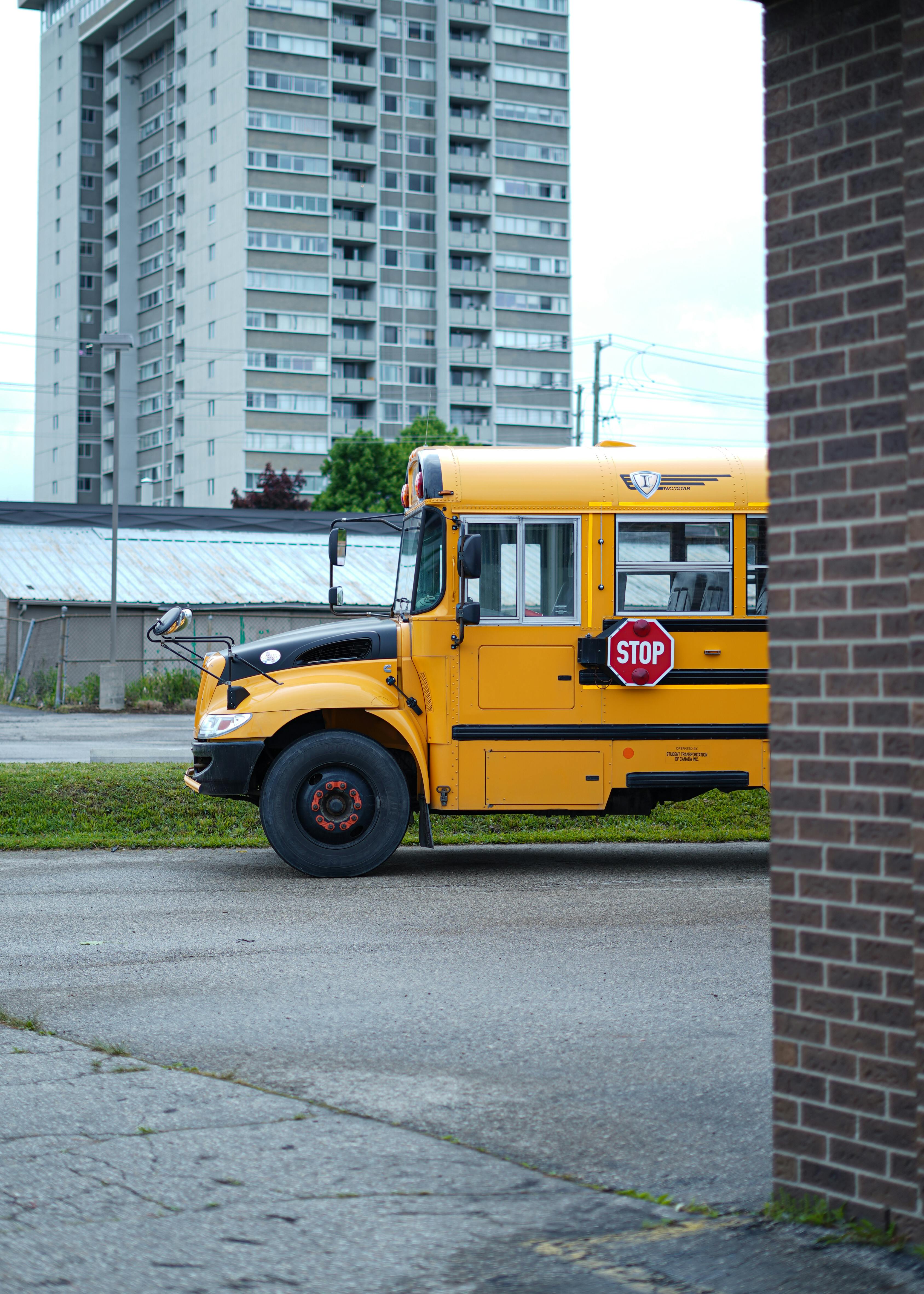
What actually matters here is whether the city is willing to pay now or pay later. Roofs leak. Boilers fail. Classrooms age. School budgets tighten. Then everybody acts surprised.
What is the Anchorage school funding vote?
The Anchorage measures are close because both sides have arguments that land with voters.
- Supporters of the bond say school facilities need visible repairs, safety upgrades, and long-overdue maintenance. A bond is one of the few tools local government has for capital costs, so if a school roof is failing or a heating system needs replacement, borrowing can be the practical route.
- Supporters of the levy say school cuts should not be absorbed silently. If the district is facing reductions, a one-time tax levy can soften the blow and preserve staffing or programs for at least another budget cycle.
- Opponents focus on tax burden, especially in a city where residents may already feel pinched by housing costs, insurance, food, and transportation. They argue that families and small businesses can only absorb so much.
- Undecided voters often dislike both choices, which is usually a sign that officials have not made the case with enough clarity. That is not a mystery. It is politics.
Most news coverage treats this as a narrow vote because the percentages are close. Fine. But the deeper story is that the city has reached a familiar local-government crossroads: deferred maintenance versus immediate tax resistance. The result often looks like a binary choice, but the real choice is whether to keep patching a system that is already worn thin.
The school bond and levy are linked in public perception, even if they are technically separate questions. If one fails and the other passes, the district and city still face a messy budget puzzle. If both fail, the message is blunt: voters are not convinced that the need is urgent enough to justify the cost. If both pass, it signals that Anchorage is still willing to invest in public institutions even while grumbling about taxes.
That tension is not unique to Alaska. It is baked into municipal life everywhere. The difference is that school systems have less room to improvise than most people think. You cannot make a leaking roof disappear with a talking point. You cannot stretch a budget forever by hoping the boiler behaves. Prudence is not the same thing as austerity.
Anchorage voters are also responding to timing. School funding debates rarely happen in a vacuum. They land amid broader concerns about municipal spending, state aid, inflation, and whether government is using money wisely. When I analyze local measures like this, I usually find one blunt truth: voters will tolerate a tax only if they believe the benefits are concrete, local, and immediate.
That is why school funding has become such a hard sell. Benefits are real but diffuse. Costs are immediate and visible. That asymmetry distorts public opinion.
The school side of the argument is also emotional in a way the ballot language is not. Parents see crowded classrooms. Teachers see worn materials and packed schedules. Administrators see compliance and maintenance bills. Taxpayers see a line on a bill. Same issue, different room.
A few broader facts help frame the vote:
- Capital bonds are usually about infrastructure, not salaries.
- Levies can support day-to-day needs or offset funding gaps.
- School districts rely on a mix of local taxes, state support, and federal aid.
- When state or local funding falls short, the pressure lands on classrooms first.
- Delayed repairs often become more expensive than timely fixes.
Let’s be real: no one enjoys being asked for more money. But school systems are not luxury brands. They are public duties. A city that wants educated children, safe buildings, and decent working conditions for teachers has to pay for them somewhere. That does not mean every levy deserves a yes vote. It does mean the debate should be honest about tradeoffs.
Timeline and Step-by-Step
- The ballot measures were put before Anchorage voters.
- Campaigns formed around the two questions: school improvements and school cuts.
- Early returns showed both measures failing by less than 1%.
- Advocates stressed the need for repairs and budget relief.
- Opponents emphasized tax costs and asked for restraint.
- Late ballots and final certification became the difference between win and loss.
That is the clean version. The messy version is more interesting. Early returns in a close local election often create false certainty. People see a slim lead or deficit and start writing the obituary or victory speech. I have seen that movie before. It is cheap drama.
What actually happened in Anchorage is that the margin stayed thin enough to keep everyone guessing. That means the political meaning of the vote is still in flux. A measure failing by a fraction of a percent is not the same as a measure decisively rejected. Nor is it a mandate. It is a warning shot.
Here is the sequence that matters now:
- Ballots are counted in waves. Early votes, Election Day votes, and late-arriving ballots can shift the result.
- Observers watch the gap. A margin under 1% invites doubt, but it does not guarantee a reversal.
- Officials verify totals. Certification can confirm the final winner after procedural review.
- Public reaction follows the numbers. Supporters call for patience; opponents call it a sign to cut spending.
The real question is whether this narrow result reflects a temporary mood or a deeper revolt against school funding requests. My read is cautious. Narrow school-bond defeats often say less about schools themselves than about taxpayer fatigue and weak messaging. If voters do not trust the mechanism, they will reject even worthy projects.
That is where civic responsibility enters. A community has a duty to care for vulnerable people, including children whose education depends on stable funding. But civic responsibility cuts both ways. Officials owe voters transparency, discipline, and plain language. No one should ask for trust with fuzzy math and expect gratitude.
The city’s budget choices are not abstract. They shape whether maintenance gets done, whether staffing cuts land, and whether schools keep slipping into the category of “we’ll deal with it next year.” Next year never arrives with enough money. Somehow it always arrives with more repairs.
Comparison Table
| Measure | Purpose | Typical Funding Use | Main Support Argument | Main Opposition Argument | Current Status |
|---|
| School bond | Finance school improvements | Buildings, safety repairs, capital upgrades | Fixes deferred maintenance and avoids bigger costs later | Raises taxes and adds debt | Failing by less than 1% |
| One-time tax levy | Offset school cuts | Helps preserve programs or soften budget reductions | Protects classrooms from immediate cuts | Adds to local tax burden | Failing by less than 1% |
| Main competitor: Tax restraint / no vote | Keep taxes lower | Leaves funds in taxpayer hands | Protects household budgets and business costs | Can worsen school conditions and deepen cuts | Competing in the same election |
The table shows the real contest. It is not bond versus levy. It is both of them versus the idea that government should do less and taxpayers should pay less, even if the school system absorbs the damage.
That position is not absurd. It is just incomplete. Schools are a public trust, and trusts require upkeep. If you ignore roofs, heating systems, and budget gaps long enough, you do not save money. You postpone the invoice.
Common Misconceptions and What to Know
A lot of people are talking past each other. That is normal. It is also irritating.
- Misconception: A bond is the same as a levy.
Not really. A bond funds capital projects and debt-backed improvements. A levy is usually a tax tool tied to operating or short-term support. Different instruments, different effects. - Misconception: If school funding fails, nothing happens immediately.
Wrong. Cuts can hit staffing, maintenance schedules, and program offerings fast. The pain is not theoretical. - Misconception: Close means irrelevant.
Also wrong. A margin under 1% means the final tally still matters, and it also signals a divided electorate. - Misconception: Taxes are the only issue.
No. Trust, timing, clarity, and spending discipline all matter. Voters are not blank checks. - Misconception: Passing the measures solves everything.
It does not. It buys time. That is useful, but it is not a cure.
The common news script says voters are simply split. That is too lazy. The split is not random. It reflects a collision between three things: a real need for school investment, legitimate anxiety over higher taxes, and a public that often feels it is being asked to fix problems after years of delay. I think that last part matters most.
Most people will not read the bond language in detail. They react to broad signals: Are schools in bad shape? Are taxes already too high? Do leaders seem serious? Do they explain the tradeoffs honestly? That is where campaigns win or lose.
The Catholic frame underneath all this is straightforward, even if nobody says it out loud. Stewardship means not wasting public resources. Justice means not offloading the burden onto children, teachers, and families who already carry enough. The common good means remembering that a city is more than a tax base. It is a place where people should be able to raise children without treating every repair as an emergency.
One more thing. Skepticism cuts both ways. Voters should be skeptical of rosy claims from the yes side, and skeptical of easy promises from the no side. If someone says schools can be maintained without adequate funding, ask for the plan. If someone says the only moral choice is to approve every measure, ask for the accounting.
Frequently Asked Questions
What is the Anchorage school bond for?
It is meant to pay for school improvements, usually capital work such as repairs, safety upgrades, and major facility needs that are too large for routine operating budgets.
What is the one-time tax levy supposed to do?
It is designed to offset school cuts, giving the district short-term tax-backed support so reductions do not fall as hard on classrooms and programs.
Why are both measures failing by less than 1%?
Because the electorate appears narrowly divided on school spending versus tax costs. In a close local vote, a small number of ballots can keep either measure in play.
Could the result still change?
Yes. In a race this tight, late-counted ballots and final certification can still shift the outcome, depending on how many votes remain to be tallied.
Final Thought
Anchorage is not voting on a slogan. It is voting on whether public schools deserve the money it takes to keep them sound, useful, and fair. The margin is so small it almost looks accidental, but that is the point. Real policy is often decided by people who are tired, cautious, and asking whether leaders have earned another chance. That is not cynicism. It is democracy with a ledger in hand.
The honest answer is that both sides have a case. Schools need upkeep. Families need relief. Taxes are real. So are leaks, cuts, and deferred repair bills. A city can pretend those things will sort themselves out, but they never do. In the end, a community either pays for its institutions deliberately or pays for their decline by neglect. One way or another, the bill arrives. It always does.