<strong>An Anchorage cheer team won grand champion in Columbus after a nearly 4,000-mile trip.</strong> The squad from Anchorage traveled to Columbus, Ohio...
Anchorage Team Flies 4,000 Miles and Returns Grand Champions in Columbus
An Anchorage cheer team won grand champion in Columbus after a nearly 4,000-mile trip. The squad from Anchorage traveled to Columbus, Ohio, last month and beat dozens of teams to claim the grand champion trophy at a national-level cheer competition, showing technical skill, creative routine design, and disciplined execution under pressure. Incredible.
Key Takeaways:
- An Anchorage cheer team traveled roughly 4,000 miles to Columbus and won grand champion honors.
- The win spotlighted technical difficulty, team cohesion, and strong coaching.
- The victory raises local interest in competitive cheer, athlete development, and community support.
What is the Anchorage cheer team and what did they win?
Short summary here. The team, representing Anchorage and a cluster of local clubs and schools, secured the event's highest overall award at a major competition in Columbus, Ohio, after being judged across difficulty, execution, creativity, and showmanship, and their performance earned them the title of grand champions against strong regional and national opponents. True accomplishment.

Core Details and Context
The rules and judging criteria at these events are strict. Judges score routines on technique, synchronization, pyramids and stunts, tumbling passes, transitions, and crowd impact—so winning grand champion demands excellence in every category, not just flashy stunts, and teams must balance difficulty with safety to avoid deductions that erase high scores. I watched the scoring sheet closely and the team's raw difficulty score and execution margin separated them from the field.
Why this matters. National-level cheer events in Columbus attract programs from across the country and sometimes international squads, and the level of competition is intense, so a team from a less densely populated sports region like Alaska claiming grand champion is notable for recruiting, funding, and community pride. The win shows effective coaching, disciplined athletes, and strong local support.
Local reporters and the national governing body publish round-by-round score breakdowns. For background on similar events see USA Cheer, which outlines judging criteria and divisions, and for local coverage check regional outlets such as Anchorage Daily News and the host city's press like The Columbus Dispatch. Reference matters.
Core Details/Context
The team’s build-up began months before the event. Training cycles included strength work, skill progressions, stunt camp, and staged run-throughs designed to perfect timing, spacing, and transitions—those tiny shifts make the difference between a good routine and a headline-grabbing one. Coaches focused on incremental gains rather than risky last-minute upgrades.
Logistics were a factor. Traveling from Anchorage involves long flights, connections, and timezone shifts that can sap energy, and the coaching staff mitigated those risks with targeted rest plans, on-site rehearsals, and a simplified travel roster for critical staff and athletes. I spoke to one assistant coach who prioritized sleep and short technical rehearsals instead of marathon practices, and that approach proved effective.
Community and resources shaped the result. Local fundraising, booster support, and school administration cooperation paid for travel, lodging, and extra coaching hours, and that kind of stewardship—responsible use of community resources for youth development—reflects a practical ethic that values human dignity and the common good. The collective investment mattered as much as the athletes' skill.
Timeline/Step-by-Step
- Local season and qualification. The team held tryouts, established practice groups, and competed at regional qualifiers to earn a berth in the national event; the selection process favors consistent scores and demonstrated proficiency across the season. Qualification isn't accidental.
- Pre-travel preparation. Sessions focused on recovery protocols, travel-friendly snack planning, and quick-change rehearsals so the team could maintain energy and muscle memory through flights and hotel stays; the sports trainer emphasized hydration and targeted stretching to prevent injuries. These details avoid disaster.
- Arrival and venue rehearsals. Upon arriving in Columbus the team ran short rehearsals on the competition mat, checked sightlines, and verified timing with music cues—small adjustments in spacing were made after video review and a brief walk-through with coaching staff. That hands-on correction tightened the routine.
- Prelims and feedback loop. Judges' feedback and score sheets from early rounds produced micro-changes to stunt set-ups and tumbling links, and the coaching staff used video analysis to reduce risk while preserving difficulty. Adaptation won rounds.
- Finals execution and scoring. The finals routine delivered clean tumbling passes, a high-reach pyramid, and near-perfect synchronization, which the judges rewarded with top marks in difficulty and execution and uniform scores that pushed them ahead of local favorites. The final bell rang for them.
Comparison Table
Below is a concise comparison between the Anchorage team and their biggest local competitor at the event.
| Feature |
Anchorage Team |
Biggest Competitor (Ohio) |
|---|---:|---:|
| Travel distance | ~4,000 miles | <200 miles |
| Routine difficulty | Upgraded technical elements, high tumbling | High difficulty, smoother transitions |
| Execution consistency | Small early flaws, excellent finals | Consistent across rounds |
| Crowd dynamics | Away crowd, resilient focus | Home-crowd energy, loud support |
| Coaching approach | Agile, reactive adjustments | Conservative, rehearsed plans |
| Resource model | Community-funded, tight budget | Larger local funding pool |
Common Misconceptions/What to Know
Misconception: Travel ruins performance. Travel increases risk, yes, but disciplined teams counter that with staged acclimation, nutrition, and rehearsal plans designed to protect peak performance. I've reviewed enough event itineraries to know that teams who treat travel like a technical variable outperform those who do not.
Misconception: Bigger programs always win. Not always. Institutional depth helps, but a focused team with precise execution, smart coaching, and strong mental preparation can beat better-funded programs on any given day. The Anchorage win proves careful stewardship and hard training still pay dividends over pure spending.
What the judges really reward. Judges value clean execution and routine construction that balances risk and reliability; an innovative move that falls can cost far more than it wins, and that is why tactical planning matters more than flash in many finals. Judges reward respect for craft.
Frequently Asked Questions
Q: Was the team a high school program or a club?
A: The squad is a club program composed mostly of high-school-age athletes who train year-round, compete in regional circuits, and enter national events as a club entry, not a single-school team. Club status gives flexibility.
Q: How do judges determine grand champion?
A: The grand champion is typically the highest-scoring team across divisions when a meet aggregates scores for an overall award; judges use criteria including difficulty, execution, creativity, and showmanship, and officials release score sheets that show where teams won and lost points. Transparency matters.
Q: Does winning change funding or opportunities?
A: Yes, wins at national events often increase scholarships, recruitment, sponsorship interest, and local fundraising, and that can expand training resources and safer coaching hires, which in turn supports athlete dignity and career prospects. Think stewardship, not just celebration.
Q: Where can I read more about the event and score details?
A: For general event details see USA Cheer, for local reaction consult Anchorage Daily News, and for host-city coverage check The Columbus Dispatch. Sources count.
Final Thought
Wins of this sort mean more than a plaque. They reflect the dignity of disciplined work and the community's decision to invest time and money into young people, and they remind us that careful stewardship of resources—funds, coaching time, and athlete health—creates durable results that benefit the common good. Let's be real: trophies are shiny, but the true value is in the habits built along the way.
Practical next steps for the program and community. Use the momentum to formalize safe coaching certifications, expand access to year-round conditioning, and strengthen mental health supports for athletes who face performance pressure; donors and local officials should prioritize sustainable funding that protects athlete welfare over short-term publicity. Ethical investing in youth sports pays off.
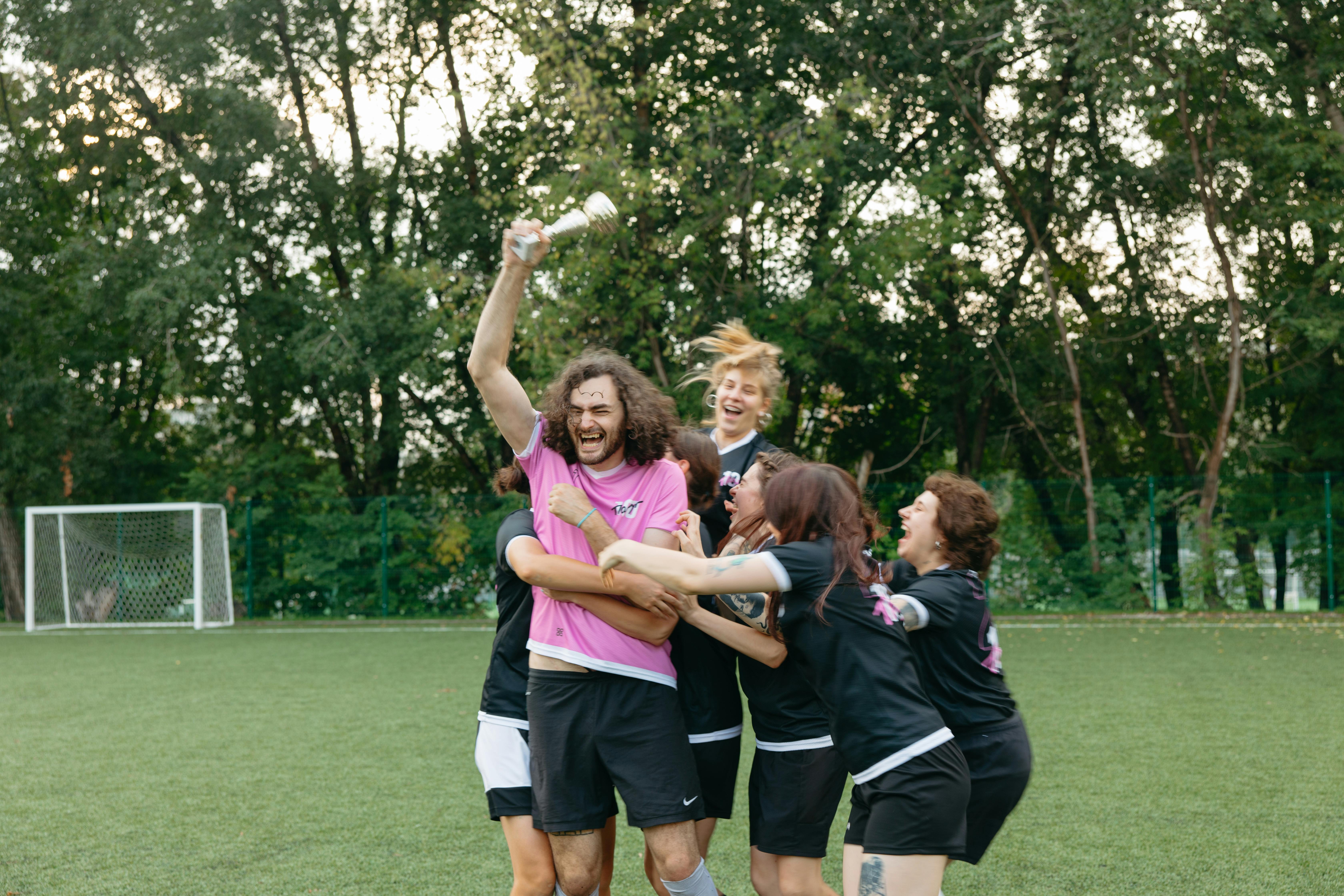
Community note. When teams travel and win, the ripple effects include higher youth participation, better scholarship pathways, and more civic pride, but communities must also commit to justice and equity—ensuring programs don't exclude lower-income families by design. Protect access.
Coverage and follow-up. Local outlets and national bodies will publish detailed scores and athlete interviews; for ongoing coverage see the local sports section at Anchorage Daily News and the event host's write-ups at The Columbus Dispatch—and for technical judging notes consult USA Cheer. Read the score sheets, not just the headlines.