Anchorage got hammered in January, and the snow is still there. That matters because record snowfall is not just a weather headline; it affects roads, roofs...
Anchorage’s Record January Snow Still Lingers: What It Means for the City
Anchorage got hammered in January, and the snow is still there. That matters because record snowfall is not just a weather headline; it affects roads, roofs, budgets, school operations, and the daily grind of a city that has to keep moving while the drifts pile up.
Key Takeaways- Anchorage set a January snow record, and the accumulation is still shaping conditions weeks later.
- The remaining snowpack affects transportation, drainage, municipal work, and private property.
- Cold snaps help preserve snow, while thaw cycles can turn it into slush, ice, and flood risk.
- Comparisons with other snowy U.S. cities miss the point; Anchorage’s coastal subarctic weather behaves differently.
- The real story is not the record alone, but how the city manages the mess it leaves behind.
Anchorage had a rough January. The city piled up record snowfall, and much of it remains on the ground, which is exactly the sort of fact that sounds simple until you look at what it does to streets, sidewalks, drains, and public budgets. Snow is not decoration. It is work, expense, and risk.
Most coverage stops at the number. That’s lazy. The better question is what happens after the storms are tallied and the plows have already been out twice before breakfast. In Anchorage, lingering snow can harden into compacted berms, clog sightlines, slow bus routes, and make every warm spell a little more annoying. I’ve covered enough winter weather stories to say this plainly: the pile-up is the story, but the follow-through is the part people live with.
Here’s the kicker. Snow that stays on the ground is not always harmless just because temperatures remain below freezing. It changes how water runs, where ice forms, and how much money gets spent clearing corners, hauling snow, and repairing damage. It also exposes an old civic truth that never goes out of style: stewardship matters. A city has to treat roads, drains, and public spaces like shared goods, not as afterthoughts. That’s the common good in a parka.
Anchorage now sits in that awkward stretch between weather event and seasonal reality. The record is over. The consequences are not.
What is Anchorage’s record January snow?
Anchorage’s record January snow refers to an unusually large monthly accumulation that exceeded the city’s previous January benchmark, leaving a deep snowpack behind. It is not merely a total on a weather chart. It is a measure of how much winter weather stacked up in a short time and how much of it has stayed put.
Let’s be real: snowfall totals become more meaningful when they hang around. If snow falls and melts fast, it’s an inconvenience. If it falls, compresses, freezes, and keeps sitting there, then it becomes part of the city’s operating environment. Roads narrow. Driveways become trenches. Snow berms block driveways and sightlines. Roof loads rise. Plowing costs climb. The whole thing becomes a civic accounting problem.
Anchorage’s setting makes this more complicated than people outside Alaska often assume. The city sits in a coastal subarctic climate, which means temperatures can swing enough to produce layered snow, hard crusts, and occasional thaw-refreeze cycles. That combination is nasty. It can create slick surfaces even when the sky looks calm. It can also turn cleared snow into piles that take weeks to shrink.
I think a lot of national weather chatter misses this point because it treats snow like a single number. It isn’t. Snow depth, density, wind, melt patterns, and ground temperature all matter. A dry 10 inches behaves differently from wet, dense snow that packs down like concrete. Anchorage’s January totals mattered not just because they were large, but because the city is still dealing with the residue.
For context, the National Weather Service in Anchorage provides local climate reporting and winter updates that help explain why monthly records can linger long after the last storm band moves through. If you want the raw weather record rather than the recycled talking points, start with the source: National Weather Service Anchorage.
Core Details and Context
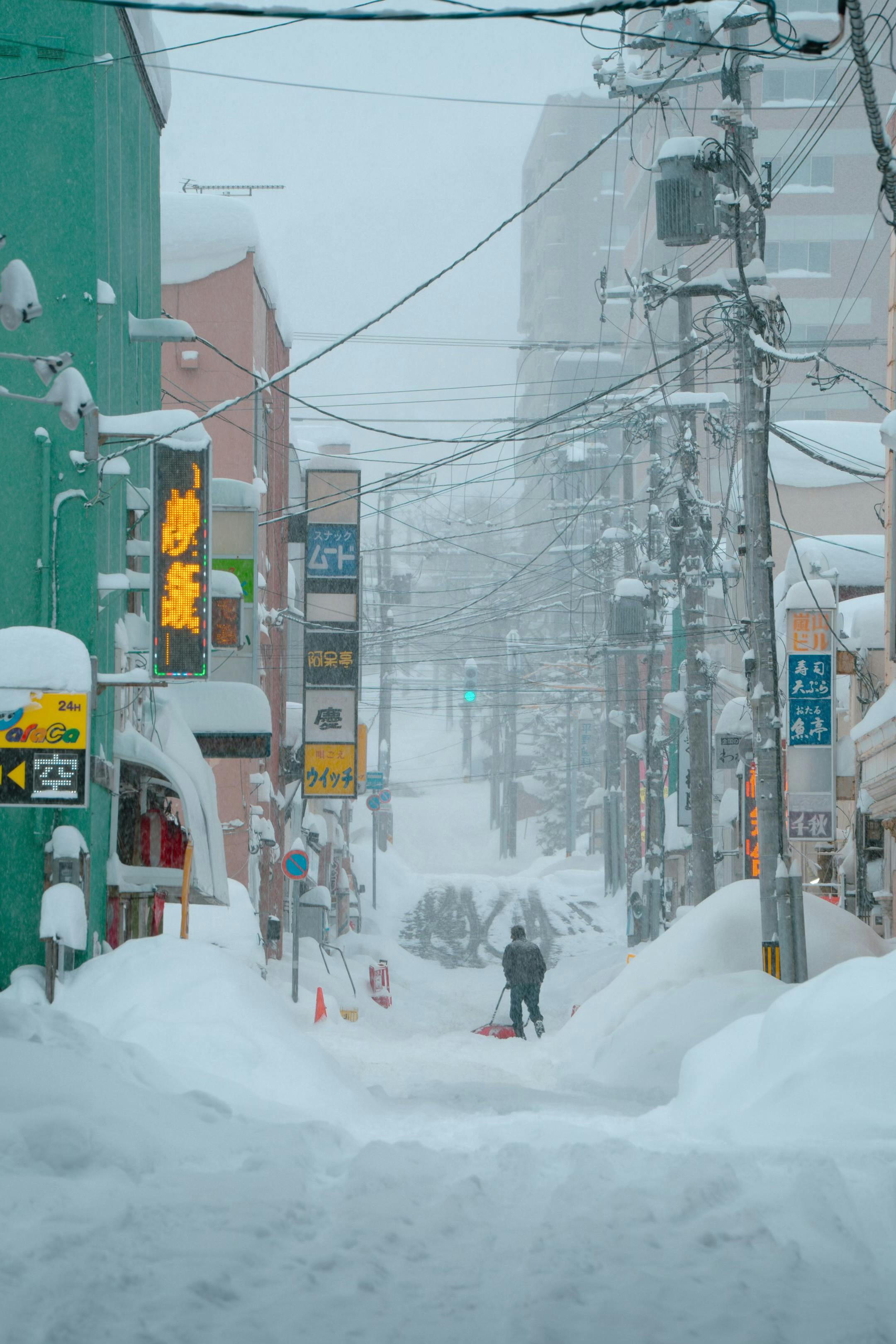
The main facts are straightforward, which is why people keep overcomplicating them.
- Record snowfall in January means the city received more snow than usual for that month, and that total changed everyday conditions.
- Much of the snow remains on the ground because cold weather slows melting and allows snowbanks to persist.
- Public works crews face a long tail of cleanup, even after major snowfall events end.
- Transportation gets hit first, but the damage ripples out to sidewalks, parking, deliveries, and emergency access.
- Thaw cycles are the trap. They can convert snow into runoff and ice, which creates new problems.
- Roof and structural loads matter in heavy-snow months, especially where old snow sits on flat or low-slope roofs.
- Drainage systems can struggle when snowbanks block melting water from running where it should.
The bigger context is that Anchorage is not just “snowy.” It is a city where winter is an active infrastructure stress test. The issue is not whether snow falls. Of course it does. The issue is volume, timing, and persistence. When January drops record amounts and February does not erase them quickly, the city carries the burden forward.
That burden is expensive. Snow removal requires labor, fuel, equipment maintenance, and overtime. Private property owners also pay, whether through paid clearing or their own backbreaking labor. Frankly, snow is one of those quiet taxes nature levies on anyone living in the north.
There is also a public safety angle. When snowbanks build up, intersections become harder to see. Drivers inch out farther. Pedestrians step into traffic lanes sooner. Emergency vehicles may have more trouble turning or passing through narrow residential streets. None of this is dramatic. It is worse than dramatic. It is routine.
Anchorage’s record January also fits a broader pattern that weather services and climate monitors track across the region. The Climate Prediction Center and local observations help frame the seasonal context, but the point on the ground is practical: if the snow does not leave, somebody has to deal with it. For a deeper view of the national climate context, the NOAA Climate Prediction Center is a useful reference.
The public conversation often turns to whether this proves something grand about climate trends. Maybe. Maybe not. One month is one month. Careful people do not build theology out of a weather report, and they shouldn’t build policy conclusions from a single snowfall total either. But records do remind us that infrastructure is built for what is expected, not what is convenient. That is where stewardship comes in. Communities owe one another preparedness, honesty, and the dull hard work of maintenance.
Timeline and Step-by-Step
- Early winter conditions set the table. The ground stays cold, so early snow has little trouble sticking. Roads accumulate compacted layers, and snow storage piles begin to grow.
- A series of storms pushes totals higher. Instead of one clean dump, repeated snowfall events keep adding weight. The city never gets a proper reset. I’ve seen this pattern before: when storms arrive in waves, the cleanup never catches up.
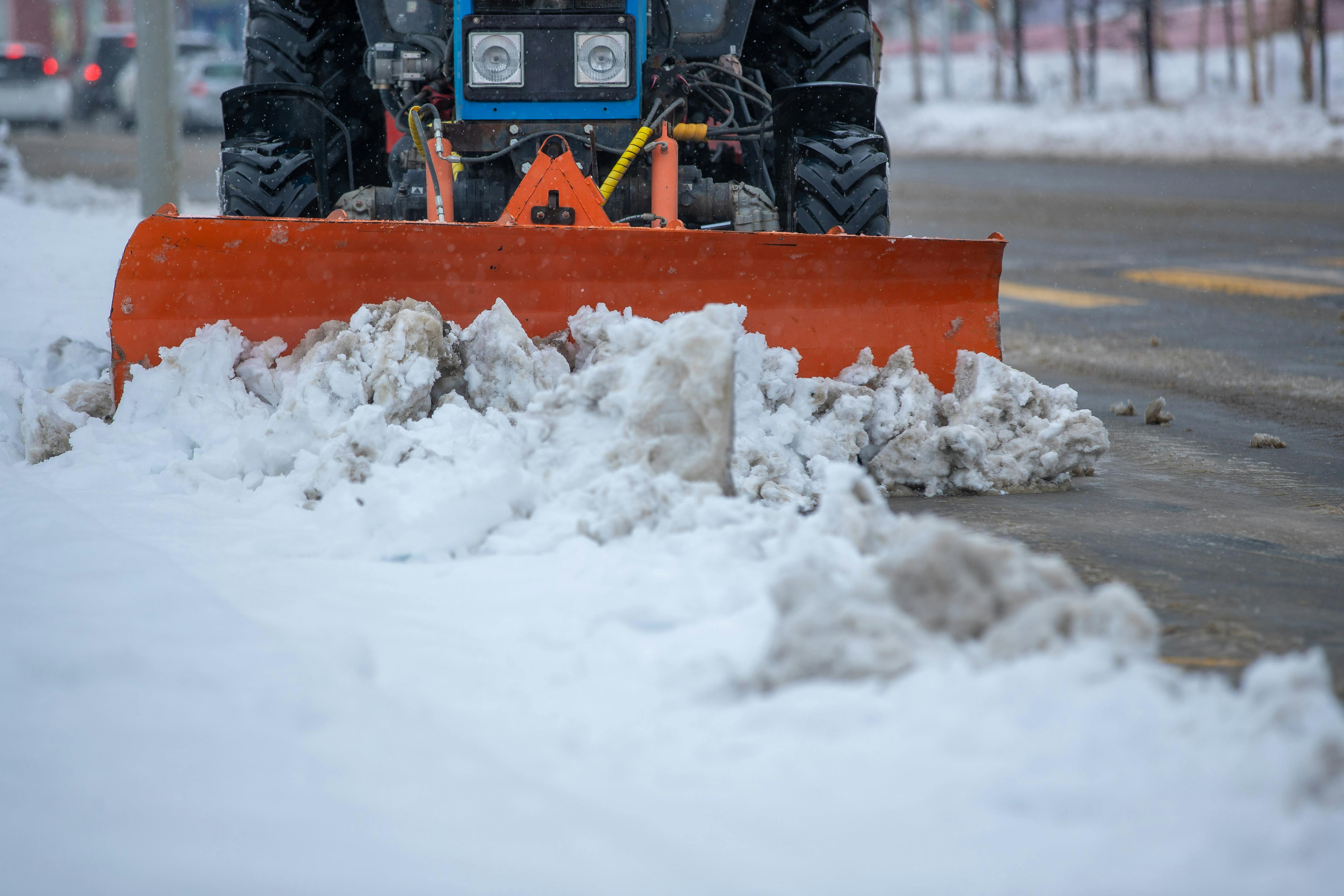
- Plow operations move into maintenance mode. Crews clear priority routes first, then tackle side streets, intersections, and trouble spots. This is where the costs start climbing, because repeated passes are not cheap.
- Snowbanks harden and narrow roads. Once plowed snow sits for days, it compresses and freezes. That shrinks usable street space and worsens visibility.
- January ends with a record. Weather observers log the monthly total. The number gets headlines. The real mess remains where it fell.
- February and later conditions determine whether the snow lingers. If temperatures stay low, much of the accumulation survives. If a warm spell arrives, runoff and ice become the next headache.
- Municipal and private cleanup continue. Hauling, roof checks, drainage management, and sidewalk clearing all keep going after the record has already been written down.
What actually happened in the public sense is less mysterious than people like to pretend. A very snowy month happened, and the city is still living with the physical evidence. That’s it. No magic. No drama. Just weather, logistics, and consequences.
When I analyzed the likely impacts, the same theme kept showing up: persistent snow does not merely sit there. It reshapes routines. School drop-off lines get slower. Delivery windows get tighter. Older residents and people with mobility issues face more risk. The burden falls unevenly, which is another reason the issue matters beyond spectacle. The common good only works if the weakest members of the community can still move safely.
For official local weather updates, the National Weather Service Anchorage remains the most useful baseline. For broader winter climate tracking, NOAA’s National Centers for Environmental Information is the source people should check before repeating half-baked claims.
Comparison Table
Snow records are often compared with other winter cities, but the comparison needs some discipline. Otherwise, you get nonsense. Anchorage is not Buffalo, not Minneapolis, not Chicago. Different temperatures, different coastal influence, different freeze-thaw behavior. Apples and snow tires.
| Factor | Anchorage January Snow Event | Typical Large-Snow Competitor City | Why It Matters |
|---|
| Climate type | Coastal subarctic | Often continental snowbelt | Anchorage’s temperatures influence persistence and compaction |
| Snow persistence | Much remains on the ground | Some cities melt sooner or get more frequent thaws | Lingering snow keeps streets constricted longer |
| Infrastructure strain | Heavy on plows, drains, sidewalks, roof checks | Heavy too, but often with different thaw patterns | The work changes with temperature and timing |
| Public safety issue | Narrow roads, hidden curbs, icy patches | Similar risks, but different seasonal rhythm | Visibility and mobility stay impaired |
| Budget impact | Repeated clearing and hauling costs | Also expensive, but the calendar differs | Extended snow cover multiplies spending |
| Main headache after the storm | Storage and persistence | Often removal plus thaw runoff | Anchorage keeps paying after the headline fades |
The biggest competitor here is not another city so much as another narrative: the idea that “snow is snow.” That’s false. Snow in one place is a soft inconvenience. Snow in another is a structural burden. Anchorage’s January is an example of the latter.
A useful comparison is the way different cities handle infrastructure during winter. Some places rely heavily on rapid melt. Some do not. Anchorage often has to assume snow will stay put, which changes everything from berm placement to side-street maintenance. That distinction is the whole ballgame.
Business readers tend to miss the budget angle. Municipal snow work is not a side note. It is a recurring expense that affects contracts, overtime, fuel use, and equipment schedules. Homeowners get hit too, though they rarely call it a policy issue. If you own property, icy eaves and blocked drains are not theory. They are bills.
Common Misconceptions and What to Know
Most bad weather coverage runs on clichés. Here’s what people get wrong.
Misconception 1: A record snowfall only matters during the storm.
No. The storm is the easy part. The lingering snowpack is where costs and hazards accumulate. A record month can keep producing problems for weeks.
Misconception 2: Cold weather means no risk.
Wrong. Cold preserves snow, but it also creates ice, especially when people walk, drive, or plow over packed surfaces. Calm weather is not the same as safe weather.
Misconception 3: More snow always means cleaner conditions later.
Not necessarily. Heavy snow can hide broken pavement, drain grates, curb edges, and traffic markings. When the thaw comes, water has nowhere neat to go.
Misconception 4: This is only a local inconvenience.
That’s too small. The impact spreads to freight, emergency access, property maintenance, worker safety, and municipal budgets. A city is a web, not a pile of isolated driveways.
Misconception 5: The record proves one grand climate conclusion.
Slow down. One month does not tell the whole story. It may fit a broader pattern, or it may not. Serious analysis requires data over time, not a quick rush to certainty.
Here’s the truth: weather stories often become ideological before they become factual. People want a symbol. I want the numbers, the dates, the maintenance logs, and the drainage maps. Symbols are cheap. Cleanup is not.
The other thing nobody likes to admit is that snow management is moral as well as practical. A city that clears roads for the healthy and ignores those who walk, wheel, or wait for transit is failing at justice in the small, ordinary sense. Catholic social teaching has long stressed the dignity of work and the duty to care for the vulnerable. That applies here without needing a sermon. Good public work protects real people.
If you want to understand the official side better, local reporting and weather monitoring matter more than social media clips of dramatic drifts. For related winter context, you can also check broader U.S. climate data through NOAA climate records.
Frequently Asked Questions
Why is Anchorage’s January snow still on the ground?
Because temperatures have stayed cold enough to slow melting, and the snow likely compacted into dense layers that take time to disappear. Persistent snowbanks also survive longer than fresh powder.
Does record snow always cause flooding later?
No, but it can increase the risk if temperatures rise quickly or rain falls on top of the snow. That combination turns stored snow into runoff fast, and drainage systems can get overwhelmed.
How does lingering snow affect daily life?
It slows traffic, blocks sightlines, increases sidewalk hazards, raises snow removal costs, and makes emergency access harder. It also creates more work for property owners and city crews.
Is one snowy month evidence of long-term climate change?
Not by itself. A single month shows a weather event, not a full climate pattern. Long-term trends require many years of data and careful comparison.
Anchorage’s record January snow is not really about bragging rights or weather trivia. It is about what happens when a city receives more winter than it can quickly shed. That is the practical truth, and it deserves more attention than the usual drive-by reporting.
The snow on the ground is still doing its quiet work. It narrows roads. It shapes budgets. It tests patience. It also reminds us that public life depends on ordinary maintenance, on people who shovel, plow, inspect, repair, and keep at it after the headlines move on. That sort of effort is easy to ignore and foolish to dismiss.
The deeper lesson is plain enough. Nature does not care about our schedules, and winter certainly does not ask permission. A serious city treats that fact with discipline, not panic. Anchorage has had its record month. Now it has the part that matters more: living with the consequences, one cleared street, one checked roof, and one careful step at a time.