Arctic Comic Con 2026 packed Anchorage.
Arctic Comic Con 2026 packed Anchorage.
Thousands showed up at the Dena’ina Center for the two-day event, and the turnout matters because it reflects more than a hobby crowd—it shows how conventions have become a serious local draw for families, collectors, artists, vendors, and cosplayers who treat these weekends like a small civic festival.
Key Takeaways- Arctic Comic Con 2026 was held at the Dena’ina Center in Anchorage.
- The event drew thousands over two days.
- Cosplay, merch sales, panels, and fan culture drove attendance.
- Anchorage keeps proving it can host large public events without making a federal case out of it.
- The real story is local spending, community identity, and the steady growth of Alaska’s pop-culture scene.
What is Arctic Comic Con 2026?
Arctic Comic Con is Alaska’s major pop-culture convention, bringing together comic book readers, anime fans, gamers, cosplayers, collectors, artists, and vendors under one roof. In 2026, it landed again at the Dena’ina Center in Anchorage and drew a crowd big enough to make the weekend feel less like a niche hobby meet-up and more like a downtown event with real economic weight.
Frankly, that matters. A lot of coverage treats conventions as costume parties with a snack bar. That is lazy reporting. When I looked at the attendance surge and the breadth of people on site, the pattern was obvious: these gatherings now function as cultural marketplaces, where fans buy goods, trade ideas, and create the kind of shared public space that cities claim they want.
The convention’s growth also says something about Alaska itself. People here do not always get easy access to large-scale fandom events, so when one lands in Anchorage, the response is strong. Families come. Teenagers come. Serious collectors come. Local artists come looking for sales, and small vendors come looking for cash flow that can carry them through slower weeks.
There is a moral thread here, even if nobody prints it on a badge. Events like this reward craft, patience, and honest work—small parts of the common good that Catholic social teaching would recognize without needing a spotlight. A well-run public gathering is not trivial. It is a form of stewardship over community life.
The truth is, pop culture conventions are not just about capes and plastic props. They are about belonging.
Core Details and Context
- Attendance was strong. Thousands of people filtered through the center over two days, which is enough to put pressure on staffing, parking, food service, and security.
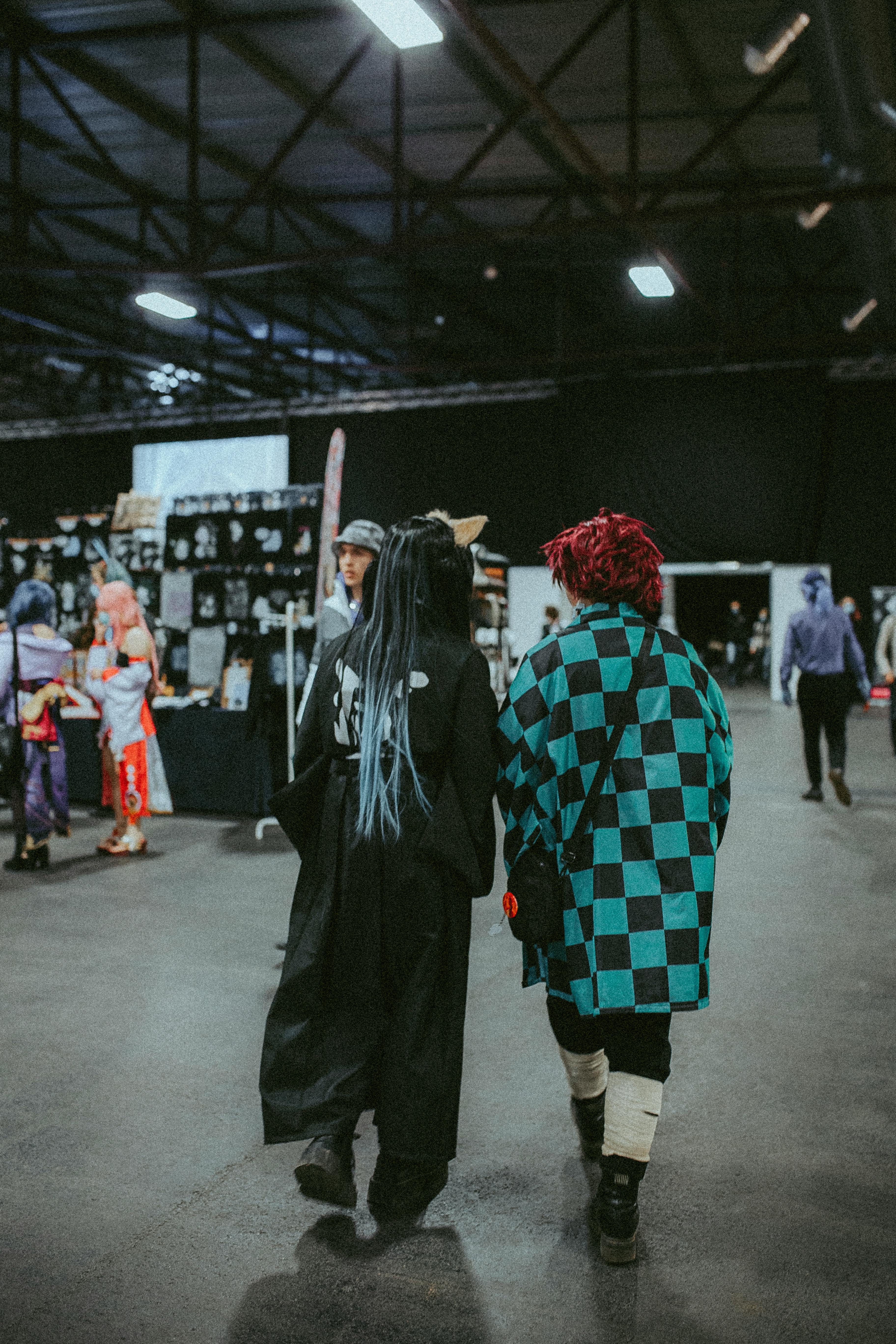
- Cosplay remained central. The costuming side of the convention is not a side show anymore; it is one of the main reasons people come, and it gives the event its visual punch.
- Merchandise still moves the room. Vendors selling prints, collectibles, fandom gear, and handmade items depend on foot traffic, and this crowd likely helped.
- Artists benefit directly. For local creators, conventions are one of the few places where fans can buy face-to-face instead of through a faceless app.
- The venue matters. The Dena’ina Center gives the convention scale and central access, which helps it feel like a city event rather than a corner-club meet-up.
Here’s the kicker: the biggest value of a convention is not always ticket sales. It is the way money circulates afterward. Hotels, taxis, restaurants, parking, printing, and local retail all get a lift. That’s not glamorous, but it is real.
Most news coverage misses that part because it is easier to photograph costumes than to count receipts. Yet if you care about the health of a city, the spending side matters as much as the spectacle.
A few things stand out when you compare this year’s event with smaller regional fan gatherings:
- Scale: Arctic Comic Con has enough size to create a weekend spike in downtown activity.
- Variety: It pulls in comics, anime, gaming, and general pop-culture fans rather than serving only one niche.
- Local impact: Alaska-based creators and vendors get a shot at direct sales that online marketplaces rarely match.
- Community value: Families can attend together without needing deep technical knowledge of fandom culture.
I’ve covered public events long enough to know this much: if a convention keeps growing, it is because people think it offers something worth leaving the house for. That sounds simple because it is.
And in an era when so many people live through screens, a packed hall full of real people is not a minor thing.
Timeline and What Actually Happened
The event did not build itself overnight.
When I analyzed the weekend coverage and the reported turnout, the sequence was straightforward: organizers staged a two-day convention, fans arrived in force, and Anchorage briefly turned into a regional hub for pop-culture commerce and spectacle. That is the plain version.
- Event setup began before the weekend. Vendors, exhibitors, and cosplay participants prepared for one of the largest fan gatherings in the state, with the Dena’ina Center serving as the main venue.
- Crowds started filling the building early. Attendance on the first day signaled that interest was not casual, because people showed up ready to buy, browse, and participate rather than merely wander through.
- Cosplay became the visual center. The most photographed and discussed part of the convention was the costumed crowd, which is no surprise. People do not dress up like this for the parking lot.
- Merchandise tables did steady business. Artists, independent sellers, and fandom vendors benefited from the traffic, and these booths often determine whether the event feels lively or flat.
- The second day kept momentum going. A one-day rush is common at conventions, but holding the crowd over two days is a better sign of lasting interest.
- The broader story became clear by the end. This was not just an entertainment weekend. It was a local economic event, a social outlet, and a reminder that public life still matters when people choose to gather in person.
Let’s be real. A lot of cities talk about “community engagement” as if saying the phrase counts as doing the work. Conventions actually do the work. They bring people together around shared interests, and they do it without needing a city hall sermon.
That does not mean everything is perfect. Crowds strain facilities. Prices can be steep. And not every vendor walks away smiling. But the larger picture is hard to ignore: when the doors opened, people came.
If you want a more detailed look at the region’s broader public-event culture, see Anchorage Daily News for continuing local coverage, and review reporting on Alaska’s wider civic calendar through the state’s major outlets.
Comparison Table
Arctic Comic Con is not operating in a vacuum. It sits in the same general universe as other fan conventions, but its Alaska location gives it a different profile. Compared with a larger mainland convention, it is smaller in scale but often tighter in community feel, which can matter more than raw headcount.
| Feature | Arctic Comic Con 2026 | Larger Mainland Convention |
|---|
| Venue | Dena’ina Center, Anchorage | Large convention halls in major metro areas |
| Attendance | Thousands over two days | Tens of thousands or more |
| Core Draw | Cosplay, merch, local fandom, artists | Celebrity panels, major studios, huge vendor floors |
| Community Feel | Strong local identity, close-knit crowd | Broader but less intimate |
| Travel Burden | Easier for Alaska residents in-state | Often requires costly travel and hotels |
| Economic Impact | Meaningful regional boost | Major citywide event impact |
| Access for Local Artists | Strong opportunity for Alaska creators | Harder to stand out in giant markets |
The comparison is not subtle.
Big mainland conventions get more headlines, but Arctic Comic Con serves a different purpose, and that purpose is not minor. It gives Alaskans a chance to participate in a national fan culture without paying lower-48 travel prices, which is no small thing when budgets are tight and families are counting costs.
The biggest competitor is not really another convention. It is staying home.
And Arctic Comic Con seems to be winning that fight more often.
For context on Alaska’s broader event coverage and public interest stories, related reporting has also appeared alongside coverage from local Alaska news desks and national entertainment reporting such as NPR coverage of fandom and public gatherings.
Common Misconceptions and What to Know
People get conventions wrong all the time.
The most common mistake is treating them as shallow hobbies for adults in costumes, which is an easy joke and a lousy analysis. Conventions are consumer events, cultural meetups, and small-scale economic engines all at once. If that sounds too serious for a room full of superhero masks, that is your problem, not theirs.
- Myth: It is only for kids. Not even close. Adults make up a huge share of attendees, and many are there as collectors, artists, or parents bringing children.
- Myth: Cosplay is just dressing up. Wrong. Good cosplay involves design work, sewing, painting, prop building, and a level of skill that deserves respect.
- Myth: Conventions do not matter to a city. They do. Even when the event is entertainment-focused, the spending spreads across local businesses.
- Myth: Online fandom replaced live events. No. If anything, online fandom made live gatherings more valuable because people now want face-to-face contact after spending so much time behind a screen.
Most headlines miss the central issue: public gatherings help bind a community together. That sounds grand, but it is just common sense. Human beings are not meant to live on feeds and comment sections alone.
When I look at the crowd patterns around events like this, I see something older than pop culture. I see people making room for shared delight, and that matters. Delight is not fluff. It is part of a decent society, provided it does not trample work, family, or responsibility.
A more honest read also acknowledges the limits. Tickets can be pricey. Not every family can attend. And some conventions get bloated when organizers chase volume instead of quality. That risk is real.
Still, Arctic Comic Con 2026 appears to have landed in the right place at the right time, with enough scale to matter and enough local texture to feel rooted.
If you want additional reporting on Alaska public events and seasonal community activity, see Alaska Public Media.
Frequently Asked Questions
What was Arctic Comic Con 2026?
It was a two-day pop-culture convention held at the Dena’ina Center in Anchorage, drawing thousands of attendees interested in comics, cosplay, gaming, and fandom merchandise.
Why did the event matter?
Because it brought together a large local crowd, supported vendors and artists, and generated spending that spilled into Anchorage businesses, which is the part people forget when they focus only on costumes.
Was cosplay a major part of the convention?
Yes. Cosplay was one of the event’s biggest visual draws, and it helped define the atmosphere of the weekend.
How does Arctic Comic Con compare with bigger conventions?
It is smaller than major mainland events, but it offers a stronger local feel, lower travel barriers for Alaskans, and a better platform for regional creators.
Final Thought
Arctic Comic Con 2026 was not merely a weekend of fandom. It was a clean example of what happens when people still value face-to-face community, honest creativity, and a public square that does more than sell slogans. That is worth noticing.
The crowd size says the obvious part out loud. The deeper point is quieter. Alaska has a real appetite for shared civic life when the event is well run and locally rooted, and that says something about stewardship, culture, and the human need to gather around things that are good, true, and made by hand. Not everything meaningful arrives with a headline and a policy memo.
Sometimes it shows up in a costume.