Two giant pandas arrived in Atlanta under a familiar old bargain: rare animals, public fascination, and a thin layer of geopolitics. China’s loans are never...
Two giant pandas arrived in Atlanta under a familiar old bargain: rare animals, public fascination, and a thin layer of geopolitics. China’s loans are never just about zoo exhibits. They are soft power, plain and simple, wrapped in fur, bamboo, and a public relations bow.
Key Takeaways:
- Two giant pandas arrived in Atlanta as part of China’s long-running loan program.
- The move fits Beijing’s panda diplomacy, a soft-power strategy with political overtones.
- Atlanta’s zoo gains a major attraction, but the arrangement also reflects U.S.-China relations.
- Panda loans are expensive, temporary, and tightly controlled.
- The story is about animals, yes, but also about diplomacy, public interest, and national branding.
What is panda diplomacy?
Panda diplomacy is China’s practice of lending giant pandas to foreign zoos as a form of statecraft. It sounds cute because it is cute, and that is the point. The pandas draw crowds, soften impressions of China, and create a relationship that feels friendly even when the broader political climate is not.
I’ve covered enough government theater to know this much: symbolic gestures matter more than pundits admit. A panda is not a treaty, but it works like one in miniature. It creates a public-facing bond, a commercial exchange, and a reminder that Beijing still decides who gets access to one of the world’s most beloved animals.
Frankly, this is not charity. The loans are usually expensive, time-limited, and governed by contracts that cover breeding rights, veterinary care, transport, and habitat standards. Zoos sign up because pandas sell tickets and attract donors. Governments tolerate the arrangement because it keeps diplomatic channels open. That mix of commerce and prestige is the real engine here.
The Atlanta arrival fits that pattern. The city has hosted pandas before, most famously at Zoo Atlanta, which has long been tied to Chinese breeding and conservation cooperation. The latest loan lands in a moment when Washington and Beijing are not exactly exchanging Christmas cards. Yet the pandas came anyway. That tells you something.
It tells you diplomacy can survive where speeches fail.
At a deeper level, panda diplomacy also reflects a moral hierarchy that many governments ignore: public institutions are supposed to steward what is rare, beautiful, and fragile, not merely monetize it. That is why these animals stir people so strongly. They are not just branding tools. They are living creatures deserving care, dignity, and responsible handling.
For background on how these symbolic exchanges fit broader international relations, see Reuters coverage of China, BBC reporting on China, and Associated Press reporting on China.
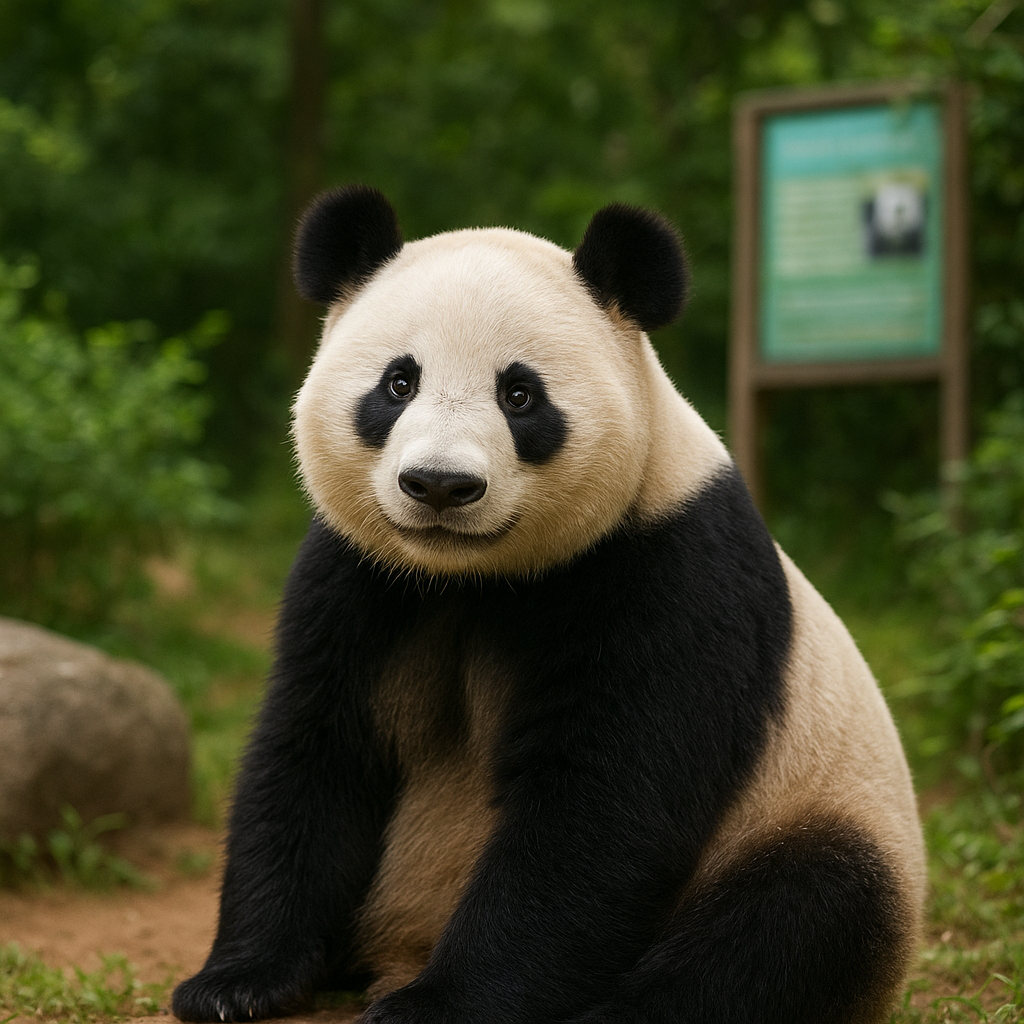
Core details and context
The latest panda arrival in Atlanta is not an isolated novelty. It is part of a long, highly managed program that sits at the intersection of wildlife conservation, international image-making, and public economics. Most coverage fixates on the cuteness angle. That misses the machinery underneath.
Here’s the kicker:
- Pandas are diplomatic assets. China has used them for decades to signal warmth, especially to countries it wants to keep in orbit.
- The loans are temporary. Zoos do not buy the animals outright; they enter loan agreements that can run for years.
- Breeding is central. Any cubs born under these arrangements generally belong to China, not the host zoo.
- The costs are high. Pandas require specialized habitat design, bamboo supply chains, veterinary expertise, and security.
- Public interest is massive. Attendance spikes. Merchandise sells. Donors notice.
When I analyzed the pattern, one thing stood out: panda diplomacy works precisely because it avoids the heavy hand of formal politics. It doesn’t need a summit photo-op or a trade deal headline. It operates in the emotional register. Families bring children. Children remember the pandas. Adults remember who provided them.
That may sound trivial. It isn’t. Governments spend fortunes trying to create favorable impressions. China gets a giant black-and-white mammal to do the work.
Still, the arrangement has frayed in recent years. Several U.S. zoos returned pandas as earlier loan terms expired, and the tone of bilateral relations has been colder. That makes Atlanta’s latest loan notable. It suggests Beijing remains willing to use selective cultural outreach when it sees advantage, and it suggests U.S. institutions still want the benefits.
The Atlanta case also underscores something else: conservation rhetoric can blur into geopolitics fast. China often frames panda loans as contributions to species preservation. That claim has weight; giant pandas are no longer the emergency-case animal they once were, but their conservation remains a serious job. Yet the diplomatic value is impossible to miss. Both things are true. Anyone insisting otherwise is selling you a polished line.
For readers tracking the business side of zoo operations, the economics are not small. Pandas can help stabilize attendance, fundraising, sponsorships, and local tourism. That is why these loans matter beyond the gate. They affect revenue and civic branding, not just animal care. If you want a parallel on the economics of high-visibility public projects, see NPR’s business and economics coverage and Financial Times reporting on China.
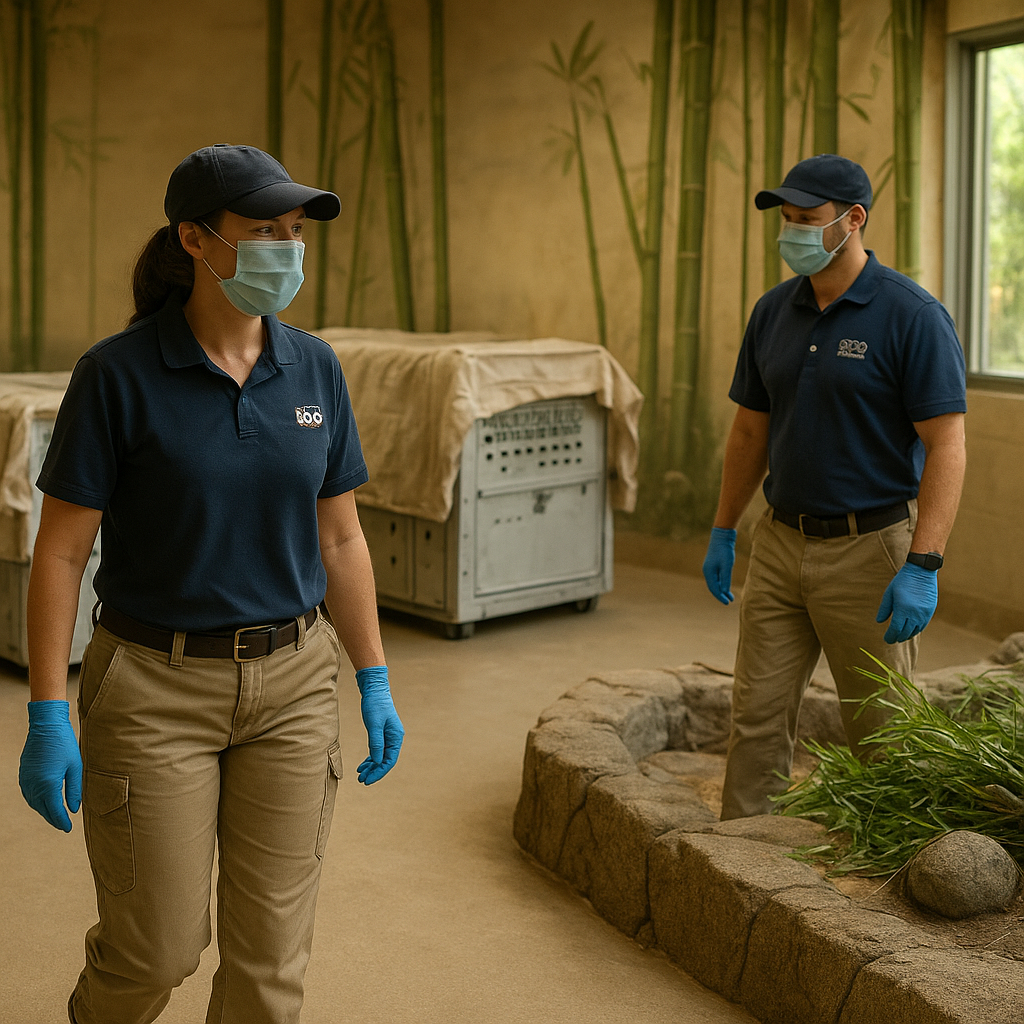
Timeline and how this happened
- China built panda diplomacy over decades.
It started as a Cold War-era gesture and matured into a formal soft-power practice. The pandas became mobile symbols of friendship, while China retained control over the animals and the terms.
- U.S. zoos embraced the model.
American institutions liked the crowds, media attention, and fundraising boost. The deal was rarely cheap, but the benefits were obvious. I’ve seen enough public institutions to know: if a program can draw families on a Saturday and sponsors on a Monday, it gets serious attention.
- Atlanta became a major panda destination.
Zoo Atlanta built a reputation around giant pandas and conservation work. That history matters because it made Atlanta an obvious landing spot when fresh loan opportunities reopened.
- The latest pandas were transported under strict controls.
These moves are not casual. They involve veterinary teams, specialized crates, transport coordination, quarantine procedures, and habitat preparation. That is the part most headlines skip because it lacks sparkle. But logistics are the truth under the spectacle.
- The animals landed in Atlanta early Sunday morning.
That timing is not dramatic; it is operational. Arrivals are often scheduled to reduce risk and disruption. The public sees the payoff. The staff sees the work.
- Public reaction followed fast.
Panda arrivals trigger immediate local buzz, national coverage, and social media churn. The animals become instant ambassadors, whether people call them that or not.
- The broader diplomatic meaning settled in.
The loan is not just about pandas. It hints at a thaw, or at least a functional channel, between Chinese institutions and a U.S. city with a strong track record of panda care.
Most people stop at step 1 or 2. That’s lazy. The real story is the chain: conservation, transport, contracts, public relations, local economics, and statecraft all sitting at the same table.
And yes, there is a moral layer here that news reports rarely touch. Stewardship is not merely a religious word. It is a practical standard. If a city or zoo takes custody of a living creature, it owes that creature serious care, not pageantry alone. A borrowed panda should not become a disposable mascot.
For more on how major institutions manage global image and public response, see The New York Times Asia coverage and The Wall Street Journal world section.
Comparison table
| Feature | Atlanta Panda Loan | Biggest competitor: San Diego-style zoo attraction model |
|---|
| Main draw | Giant pandas with diplomatic cachet | Broad exotic animal exhibits and immersive habitats |
| Political value | High, because of China’s panda diplomacy | Low to moderate, mostly local branding |
| Cost structure | Very high, with loan terms, bamboo, habitat, and veterinary care | High, but usually more flexible and less politicized |
| Public attention | Massive national and international attention | Strong regional draw, less global symbolism |
| Conservation message | Strong, tied to species preservation and breeding cooperation | Strong, but less linked to a foreign government |
| Diplomatic weight | Significant | Minimal |
| Revenue impact | Ticket sales, donations, sponsorship spikes | Ticket sales, memberships, event revenue |
| Main risk | Political strain could end the loan | Operational costs and animal welfare demands |
The difference is not just branding. One model is a civic attraction. The other is a civic attraction with a foreign policy tail on it. That tail matters.
Common misconceptions and what to know
A lot of lazy chatter follows panda arrivals. Let’s clear the fog.
Misconception 1: This is just a cute zoo story.
No. It is a zoo story with geopolitical weight. China has spent years using pandas to shape perceptions abroad. That does not make the pandas fake. It makes the symbolism real.
Misconception 2: Panda loans are simple gifts.
Wrong. They are usually structured agreements with strict rules. The host zoo pays substantial costs, and breeding rights typically remain with China. Gifts don’t usually come with that many clauses.
Misconception 3: Conservation and diplomacy are separate here.
They are entangled. The pandas can aid breeding and public education, but they also help Beijing project a friendlier face. Anyone pretending the two don’t overlap is missing the obvious.
Misconception 4: This means U.S.-China relations are suddenly warm.
That is too neat. One loan does not erase tariffs, security disputes, tech controls, or competing strategic interests. But it does show that even tense powers still look for selective channels of cooperation.
Misconception 5: Pandas are low-stakes animals.
Not in the public arena. They affect zoo finances, tourism, public trust, and diplomatic messaging. That is a lot for one species to carry.
Here’s what nobody tells you: the public often treats soft power as fluff because it lacks tanks and speeches. But soft power shapes memory. It shapes habits. It shapes what families associate with a country. That matters over time, especially when trust is thin.
I’ve said this for years: if a government can keep people smiling while quietly shaping its reputation, it is doing something effective, whether critics like the method or not.
Still, effectiveness is not the same as virtue. The common good requires more than clever optics. It requires honesty, responsible stewardship, and respect for the creatures and people caught in the middle. That’s the line worth holding.
For readers interested in broader coverage of wildlife conservation and international policy, check National Geographic’s panda coverage and The Washington Post world section.
Frequently asked questions
Why does China loan pandas instead of giving them away?
Because the loans preserve control, extend diplomatic leverage, and keep the animals tied to China’s national brand. It is a managed program, not a giveaway.
Do pandas born in the U.S. belong to the local zoo?
Usually, no. Cubs born under loan agreements are generally considered Chinese property, subject to contract terms. That is one of the less romantic parts of the arrangement.
Why Atlanta?
Atlanta has a long history with giant pandas, strong public interest, and the facilities needed for proper care. It is a natural fit for this kind of loan.
Is panda diplomacy still effective?
Yes, though less than before in a more skeptical political climate. The animals still generate goodwill, but the broader U.S.-China relationship is too strained for the symbolism to do all the work.
The pandas in Atlanta are adorable. That much is obvious. But the deeper story is sturdier than the photos. China is still using one of its most famous animals as a diplomatic instrument, Atlanta is still willing to host it, and the public still shows up in force. In a world full of coarse politics, that mix of beauty, commerce, and statecraft is oddly revealing. It reminds us that power often arrives wrapped in gentleness, and that real stewardship means caring well for what has been entrusted to you, whether the asset is a city, a relationship, or a living creature with a nose for bamboo.
The old joke is that pandas do nothing but eat and nap. Fine. Yet in international affairs, that is sometimes enough to move more attention than a dozen press conferences.