One teenager died Saturday night in Bremerton.
Bremerton Teen Crash: One Dead, Six Injured in a Single-Vehicle Wreck
One teenager died Saturday night in Bremerton.
Six other juveniles were hurt in the same single-vehicle crash, and Kitsap County investigators are now sorting out speed, roadway conditions, seat-belt use, and who was behind the wheel. The blunt fact is this: a night out turned into a fatal wreck, and the details matter because crashes like this rarely have one simple cause.
What is this Bremerton crash?
It is a fatal single-vehicle collision involving a group of juveniles in Bremerton, Washington, with one teen killed and six others injured. That sounds simple, but crash reporting usually is not. A single-vehicle wreck can involve excessive speed, distraction, alcohol or drugs, poor road conditions, mechanical failure, or a combination of all of them. Frankly, people love a neat explanation because it keeps the story tidy. Real life does not care about tidy.
When I look at a crash like this, I do not start with rumors. I start with the known facts, then work outward. The Kitsap County Sheriff's Office confirmed the basic count of victims, and that is the part worth trusting first. Anything beyond that should be treated as provisional until investigators release more detail. That includes assumptions about the driver, the passengers, and whether anyone was ejected, restrained, or trapped.
Single-vehicle crashes are often misunderstood because people assume fewer cars means fewer variables. Not true. One car can still carry a long chain of bad decisions. A missed turn. A fast corner. A wet patch. A moment of distraction. A driver who overcorrects. A seat belt left unbuckled. The result can be devastating, especially when the passengers are teenagers with little margin for error.
There is also a moral angle here, and it is not heavy-handed to say so. Young people are not spare parts for a careless night. They have inherent dignity, and public safety is a duty, not a talking point. That is why these cases deserve sober reporting, not noise.
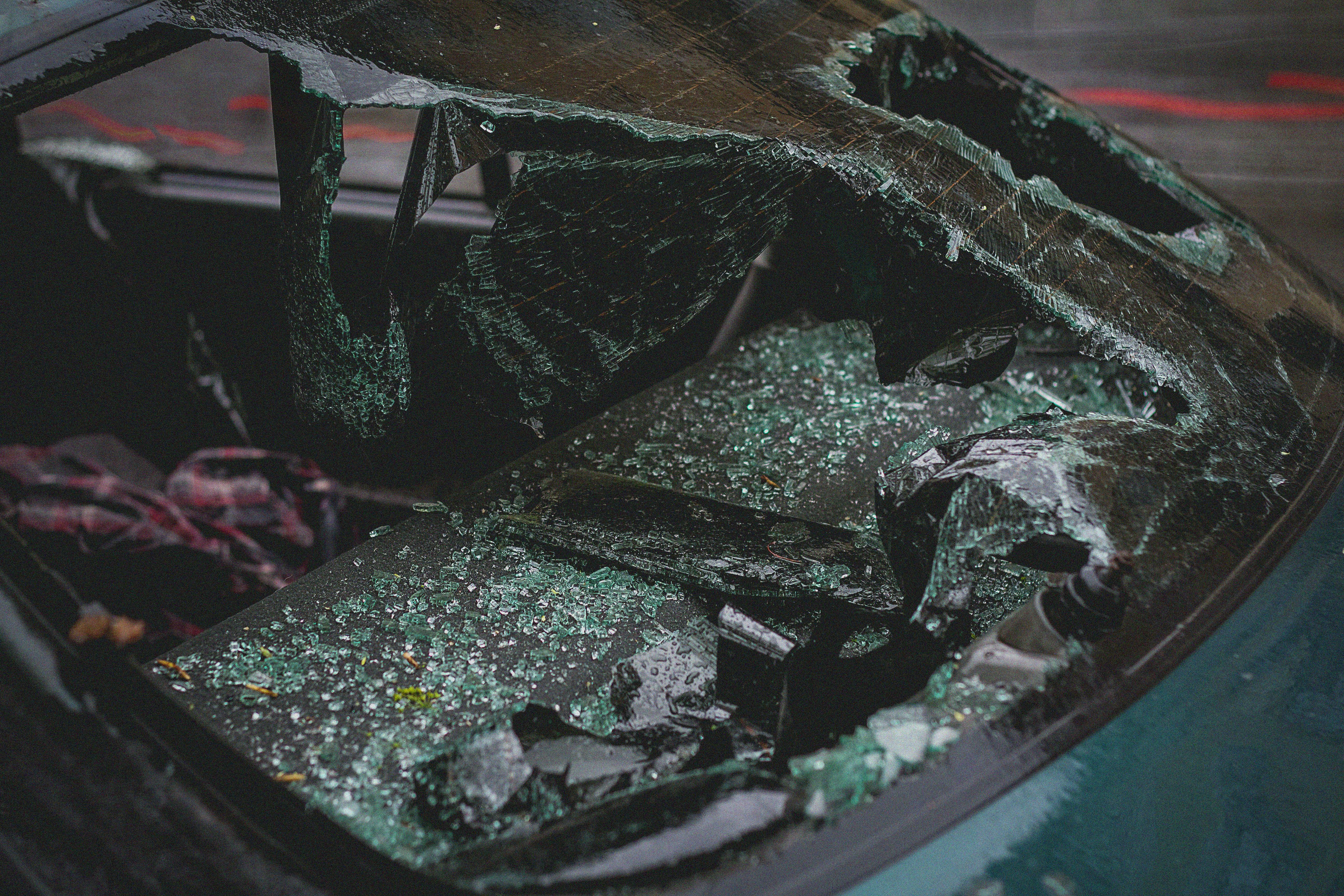
For broader context on roadway fatalities and youth risk, see reporting from the National Highway Traffic Safety Administration, which tracks national crash trends and occupant safety data. For Washington-specific roadway information, the Washington State Department of Transportation maintains traffic safety resources and crash-prevention information. Those sources do not tell us exactly what happened in Bremerton, but they do explain why seemingly ordinary rides can turn ugly fast.
Core details and context
- The crash happened Saturday night in Bremerton.
- The vehicle was the only car involved, based on the sheriff's office description.
- One teenager died at the scene or after the collision; authorities have not yet released the identity publicly in the facts provided.
- Six other juveniles were injured.
- The sheriff's office has confirmed the incident but has not, in the provided information, announced the underlying cause.
Here is the kicker: single-vehicle crashes involving multiple teens often draw fast speculation online, but most of that chatter is useless. It tells you more about the crowd than the collision. Investigators usually have to reconstruct the event step by step, looking at tire marks, impact points, vehicle damage, witness statements, and any available electronic data.
What usually gets examined:
- Speed at the time of impact
- Whether the driver was impaired or fatigued
- Road curvature, lighting, and weather
- Occupant positions in the vehicle
- Use of seat belts and airbags
- Whether the vehicle had mechanical issues before the crash
When I analyze fatal teen crashes, the same pattern appears over and over: one reckless choice is often paired with a few ordinary ones, and together they become lethal. People hate that answer because it does not sound dramatic enough. But it is the one police reports keep circling back to.
There is also a public-health angle that should not be missed. Teen passenger deaths are not just “accidents.” They are preventable losses in many cases, and prevention means boring things done consistently: seat belts, sober driving, slower speeds, fewer passengers, and adults willing to enforce limits. Boring saves lives. That is the truth, whether anyone likes it or not.
For broader context on roadway fatalities and youth risk, see reporting from the National Highway Traffic Safety Administration, which tracks national crash trends and occupant safety data. For Washington-specific roadway information, the Washington State Department of Transportation maintains traffic safety resources and crash-prevention information. Those sources do not tell us exactly what happened in Bremerton, but they do explain why seemingly ordinary rides can turn ugly fast.
Timeline and step-by-step account
- Saturday evening began like any other outing.
- At some point later that night, a single vehicle carrying seven juveniles crashed in Bremerton.
- Emergency responders were called to the scene.
- The Kitsap County Sheriff's Office confirmed one teen had died and six others had been injured.
- Investigators began the slow work of identifying the driver, measuring impact evidence, and determining contributing factors.
- Publicly available details remain limited until official findings are released.
I have covered enough crash stories to know this part: the first hour looks chaotic, the first day looks incomplete, and the first public statement is usually just the shell of the case. That is not a criticism. It is how evidence collection works. If the vehicle had to be towed, the event data recorder may still help. If witnesses saw the car before impact, their statements can matter. If the roadway had hazards, that matters too.
What actually happened on the ground is often more complicated than social media makes it sound. People online love certainty. Investigators love facts. The two are not the same.
Comparison table
| Topic | Bremerton single-vehicle crash | Typical multi-vehicle collision |
|---|
| Vehicles involved | One | Two or more |
| Immediate complexity | Can be high, despite one vehicle | Often higher because of multiple drivers |
| Common factors | Speed, distraction, impairment, road conditions | Same factors plus right-of-way disputes |
| Investigation focus | Driver behavior, road layout, vehicle condition | Driver behavior, road layout, fault assignment |
| Passenger risk | Can be severe when many occupants are juveniles | Varies, but often more distributed |
| Public takeaway | Prevention and restraint use matter | Traffic law compliance and spacing matter |
The biggest competitor to a single-vehicle crash in public discussion is the multi-vehicle pileup, because people think more cars automatically means more serious. Not always. A single vehicle carrying seven teens can be just as deadly, and sometimes more so, because every occupant is exposed to the same bad decision at the same moment. That is a hard truth, but it is the one that counts.
For crash data and prevention work, the Centers for Disease Control and Prevention has useful transportation safety resources, and the Insurance Institute for Highway Safety has long documented teen driver risks, including passenger load and nighttime driving dangers. Those are not comforting reads, but they are honest ones.
Common misconceptions and what to know
The first myth is that a single-vehicle crash must mean the driver was alone and careless. Not so. Passenger behavior, road conditions, and vehicle dynamics all matter. A car full of teens is a different animal from a solo commute. One bad move can ripple through the whole cabin.
The second myth is that age alone explains everything. It does not. Teen drivers face higher crash risk because of inexperience, yes, but the problem gets worse when peers pile in, speed rises, and judgment gets sloppy. Group dynamics matter. So does pressure. So does showing off. Let’s be real: teens do not always think like insurance brochures.
The third myth is that these crashes are unavoidable “accidents.” That word gets used too casually. Sometimes a wreck truly is unavoidable. Often it is not. Seat belts, safer speeds, sober driving, and better supervision save lives. Public officials, parents, and schools all have a role. Stewardship is not just a church word; it is a practical obligation to protect what has been entrusted to us.
The fourth myth is that reporting should stop at the headline. It should not. Every fatal crash carries lessons for policy, enforcement, and family decision-making. If the public learns nothing beyond the age of the victims, we have failed them twice.
Frequently Asked Questions
What do we know about the Bremerton crash?
Authorities confirmed that one teenager died and six other juveniles were injured in a single-vehicle crash in Bremerton on Saturday night. The Kitsap County Sheriff's Office has not, in the facts provided here, released a full cause or detailed circumstances.
Was anyone else involved?
Based on the information provided, the crash involved only one vehicle. That does not mean the investigation is simple. It means the damage, risk, and consequences were concentrated in a single car.
Why do single-vehicle teen crashes often become fatal?
Because speed, distraction, impaired driving, road geometry, and too many passengers can turn one mistake into a deadly impact. Teen passengers also may have less protection if seat belts are not used correctly.
What happens next in the investigation?
Investigators typically review the scene, inspect the vehicle, interview witnesses, and look for contributing factors such as speed or impairment. After that, authorities may release more details, including whether charges, citations, or additional findings are warranted.
The hard part about a story like this is that it resists easy comfort. One teenager is gone. Six others were hurt. A family is grieving, and the rest of the community is left with the familiar, unwanted task of asking what could have been done differently. The answer may turn out to be ordinary rather than dramatic: slower driving, fewer passengers, better restraint use, more restraint from adults, and less fooling around with other people’s lives. That sounds plain because it is plain.
But plain does not mean trivial. In fact, plain is often where the truth lives. I have seen enough of these cases to say this without drama: the cost of careless driving is never paid by the driver alone. It spills outward, into bedrooms, kitchens, school hallways, and church pews, leaving behind absences that do not shrink with time. Justice in these moments begins with facts, but it should end with responsibility. Anything less is just noise.
Local reporting from Kitsap County outlets, state safety data, and federal crash research will matter as this case develops. So will the next official update from investigators. Until then, the best public posture is simple: hold the victims in proper regard, wait for the evidence, and do not let chatter replace care.
