Two separate help calls near Glen Alps on Saturday put rescuers to work fast, and the outcome was grim. The events involved an urgent search response in rough...
Busy Evening Near Anchorage Glen Alps Ends in Rescue and Tragedy
Two separate help calls near Glen Alps on Saturday put rescuers to work fast, and the outcome was grim. The events involved an urgent search response in rough terrain, the later death of missing 19-year-old Kelly Hunt, and a city already under pressure from busy summer outdoor traffic. Frankly, this is the sort of story that cuts through the noise: nature does not care about headlines, and emergency crews still have to do hard work the slow way.
Key Takeaways- Two separate rescue-related calls came in near Glen Alps on Saturday evening.
- Anchorage emergency crews responded in difficult mountain terrain.
- Police later commented after missing 19-year-old Kelly Hunt was found dead in Anchorage.
- The incidents highlight the risks of outdoor access near the city.
- Coverage of local rescues often skips the real issue: prevention, preparation, and accountability.
What is happening near Anchorage Glen Alps?
What happened near Glen Alps was not a simple isolated call. It was a reminder that Anchorage’s trailheads, ridge lines, and steep access routes can turn hazardous in a hurry, especially when daylight fades, weather shifts, or a person goes missing. I’ve covered enough emergency stories to know that the public usually hears the final outcome, not the ugly chain of decisions that leads there.
Glen Alps sits in one of the city’s most used outdoor areas, and that makes it both a community asset and a recurring rescue zone. People treat it like a backyard trail system, which is fair enough, but the terrain is still serious business. Loose rock, abrupt drop-offs, poor visibility, and cold conditions can punish the unprepared. That is the blunt truth.
Most reporting stops at the headline and moves on. That’s lazy. A rescue call in this part of Anchorage usually means someone is hurt, lost, stranded, or overdue, and every one of those possibilities carries a different response. The job for Anchorage police, search and rescue crews, and support teams is not glamorous. It is methodical, physical, and often uncertain.
The second development tied to the day — the announcement that missing 19-year-old Kelly Hunt was found dead — deepened the sense that this was not a routine weekend news cycle. It added a human cost that can’t be waved off with tidy language. There is a moral duty here, too. Stewardship of public land is not just about keeping trails open; it is about treating human life as the first priority, not an afterthought.
If you want the cleanest read on this, here it is: Glen Alps is beautiful, busy, and unforgiving. What happened Saturday shows the city’s rescue system doing its job under strain, but it also points to a larger issue — people keep underestimating outdoor risk because the trailhead is close to town. Close is not safe. That’s where common sense should start.
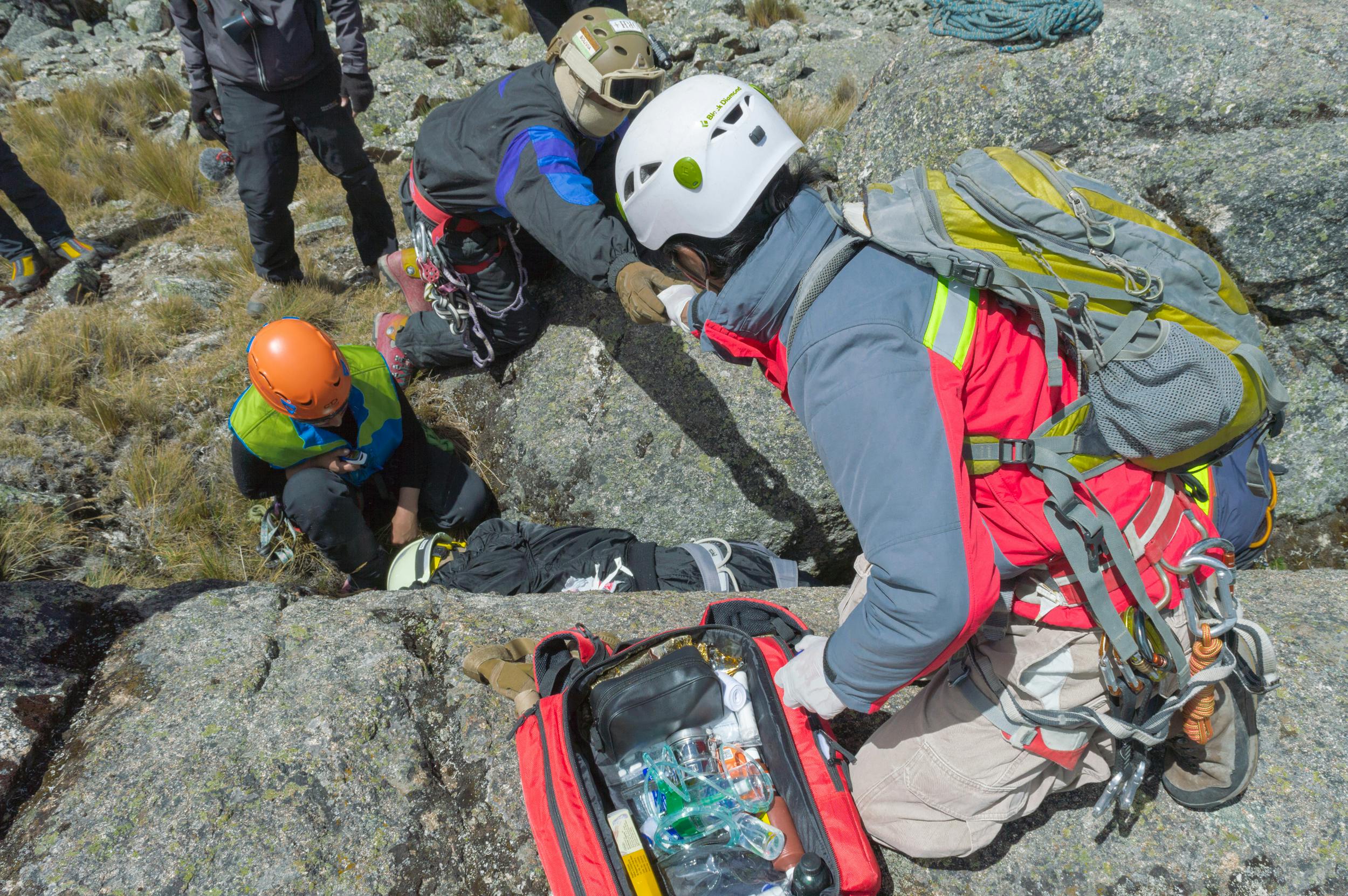
Core details and context
- Two separate calls for help came in near Glen Alps on Saturday evening. That alone tells you the area was already under pressure.
- Rescuers were busy for a reason: mountain and trail response is slow, labor-heavy work, not a quick in-and-out job.
- Anchorage police later issued comments after Kelly Hunt, age 19, was found dead in Anchorage. The missing-person case was no longer only a search issue; it became a death investigation.
- The timing matters. Evening calls mean darkness, colder temperatures, and fewer margins for error.
- Glen Alps is one of Anchorage’s better-known access points, which also means it gets more foot traffic, more rescue calls, and more misplaced confidence.
Here’s the kicker: people often assume a major rescue happens because “something went wrong out there.” Sure, but that’s too vague to be useful. The real problem is usually a chain of smaller failures — poor planning, bad footwear, late starts, weak communication, undercharged phones, or someone simply not realizing how fast conditions can change.
When I look at local rescue coverage, I see a familiar pattern. The public gets a brief update, then a wave of speculation, then a handful of sentimental posts. What gets buried is the operational reality. Search teams do not work on luck. They work on location clues, terrain maps, weather windows, and the grim discipline of persistence.
A few practical truths stand out:
- Terrain near Anchorage trail systems can be deceptive. A path that feels easy in daylight becomes hard in poor light.
- Weather changes fast, and in Alaska, fast means fast.
- Communication gaps are common. A person can disappear into a small area and still be hard to find.
- Public access cuts both ways. It invites recreation and increases risk exposure.
- Rescue resources are finite. Every call pulls people, vehicles, and time from other duties.
I also think people underestimate the emotional load on responders. You see a headline. They see the slope, the clock, the cold, and the possibility that a family is about to get terrible news. That is not melodrama. That is the job.
The Kelly Hunt case also raises a broader question about how communities talk about missing young adults. Too often, the story gets treated like a mystery puzzle instead of a public-safety event. That’s backward. The humane response is to ask what the city, trail users, and families can do better before the next call comes in.
And yes, some media coverage drifts into generic safety advice without naming the real issue: preparation is uneven, and rescue culture can create false confidence. If a place has frequent search operations, that does not mean it is “managed” in a way that makes mistakes harmless. It means the opposite.
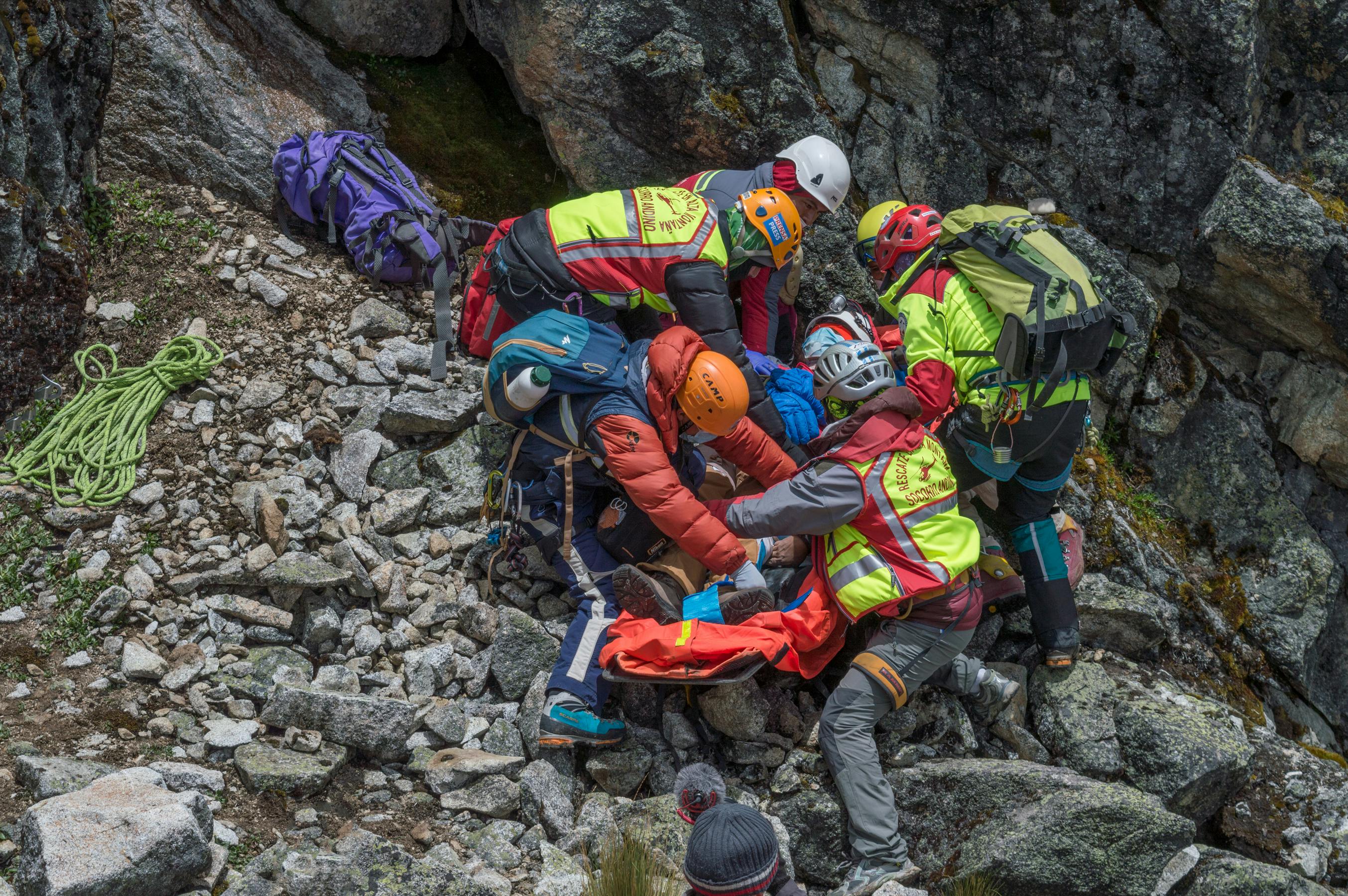
Timeline and what actually happened
- Saturday evening began with one help call near Glen Alps. That first call set the tone. Emergency crews had to move quickly into an area where response can be slowed by terrain, access points, and visibility.
- A second separate call followed. Two incidents in the same general area on the same evening are not the sort of thing officials shrug off. It increases workload and divides attention. Frankly, that is how busy rescue nights become messy.
- Rescuers concentrated on the Glen Alps area. The location matters because it shapes the route in, the search pattern, and the equipment needed. A hillside call is not the same as an urban street call. Not even close.
- News broke later about Kelly Hunt. The missing 19-year-old was found dead in Anchorage, and Anchorage police provided comments afterward. That shifted the tone from an active search to a completed but tragic case.
- Public reaction followed quickly. That is normal, but reaction should not be mistaken for understanding. People want an explanation fast; reality takes longer.
- The larger safety issue remained. Glen Alps is a recreation area, but it is also a place where assumptions get punished. Every rescue story should end with some hard questions, not just condolences.
I’ve seen enough of these incidents to say this plainly: the timeline often reveals what the headline hides. A delay of even a little time can matter. A missing phone signal can matter. A wrong turn can matter. And when evening falls, the terrain gets meaner.
There is also the matter of public expectations. Many assume that because Anchorage has experienced rescuers, every emergency is manageable. That is a comforting story, but it is not a serious one. Rescue teams are skilled; they are not magical. They can do a lot, but they cannot undo every bad decision or every dangerous stretch of terrain.
If there is a lesson in the sequence, it is that speed matters at every step — reporting, locating, mobilizing, and communicating. When families, outdoor users, and authorities all act early, outcomes improve. When they don’t, the city gets another tragic news item and another round of hindsight.
Comparison table: Glen Alps rescue realities vs. a standard city emergency response
| Factor | Glen Alps rescue response | Standard city emergency response |
|---|
| Terrain | Steep, uneven, low-light risk | Streets, buildings, easier access |
| Response speed | Slower due to access and conditions | Faster with direct road access |
| Equipment needs | Search gear, cold-weather readiness, lighting | Standard medical or police support |
| Communication | Often patchy or limited | Usually more reliable |
| Visibility | Can drop quickly after sunset | Better lighting and landmarks |
| Risk to responders | Higher physical strain and exposure | Lower environmental strain |
| Public confusion | High, because outcomes are not obvious | Usually lower and more familiar |
| Main challenge | Locating a person in rough terrain | Reaching the scene quickly |
If you compare the two side by side, the difference is obvious. One is a controlled environment with predictable access. The other is a rough outdoor space where the clock, terrain, and weather all gang up on responders. That is why rescue calls near Glen Alps are never minor, even when they start with a small-sounding report.
A lot of people misunderstand this part. They think a trail rescue is just a scenic version of a city emergency. No. It is more like a logistics problem with medical stakes, and the margin for error is thin. That is why planning, proper gear, and honest self-assessment matter so much.
I’d also note that this kind of comparison exposes a common weakness in public safety conversations: we talk about “access” to outdoor spaces as if access is always a pure good. It is not. Access without training, equipment, and judgment can produce avoidable harm. Human dignity includes the plain responsibility to avoid reckless risk when better choices are available.
Common misconceptions and what to know
The first misconception is that all rescues near Anchorage are basically the same. They are not. A missing-person search, a medical emergency, a stranded hiker, and a fatal incident each require different tactics, even if the same crews are involved. That sounds obvious, but obvious things get ignored constantly.
The second misconception is that because Glen Alps is popular, it must be safe. Popularity means familiarity. It does not mean immunity. In fact, popularity can make people careless. Familiar ground often breeds sloppy habits, and sloppy habits are expensive when temperatures drop or someone loses the trail.
The third misconception is that a tragic outcome means responders failed. That is not a fair assumption. Sometimes crews do everything right and the result is still terrible. Accountability matters, but so does honesty. Blaming first responders because the ending was bad is easy, and often wrong.
The fourth misconception is that missing-person coverage is mainly about mystery. It is not. It is about risk, timing, and the practical limits of search operations. Sensational framing wastes attention. The plain facts matter more than the drama.
Here’s what nobody tells you: outdoor rescue stories are often about small decisions made hours earlier. Did the person tell someone their route? Did they bring enough battery? Did they turn back when conditions changed? Did they assume help would come fast enough? Those questions are not nosy. They are the difference between inconvenience and calamity.
I also want to push back on the usual vague safety messaging. “Be careful” is not enough. Adults need better habits: share a route, carry a charger, wear proper footwear, check weather, and set a turnaround time. Nothing fancy. Just discipline. The common good starts with ordinary responsibility.
Another thing people miss is the burden on families. A missing person case is not content. It is a wound. Public language should reflect that, especially when the facts are still unfolding. Cheap speculation helps nobody.
And yes, there is a civic angle here. A city that values life should keep investing in search coordination, public education, and clear emergency communication. That is not a luxury. It is stewardship.
Frequently asked questions
What happened near Anchorage’s Glen Alps on Saturday?
Two separate calls for help came in near Glen Alps Saturday evening, and rescuers were kept busy responding in the area. The incidents occurred in rough terrain where response work is slower and harder than in the city.
Who was Kelly Hunt?
Kelly Hunt was a missing 19-year-old in Anchorage. Police later said she was found dead, turning the case from a missing-person search into a tragic death investigation.
Why is Glen Alps considered risky?
Glen Alps combines steep terrain, changing weather, limited visibility after dark, and access routes that can slow rescue efforts. It is a popular place, but popularity does not make it safe.
What should people do before hiking near Anchorage trailheads?
Tell someone your route, check weather, carry charged communication gear, wear proper footwear, and set a clear turnaround time. Simple steps. They matter.
Final thought
These stories have a hard edge because they should. A rescue call near Glen Alps is never just a call, and a missing-person case ending in death is never just a statistic. The real question is whether a city learns anything before the next siren cuts through the evening.
I think that is where the public conversation gets sloppy. People want a clean villain, or a neat lesson, or a brief burst of sympathy before moving on. Real life is uglier and more demanding. Rescue crews show up, families wait, and the terrain does not care about our opinions.
If there is a serious moral thread running through this, it is responsibility — to prepare, to warn, to respond, and to treat each person as more than a headline. That may sound plain, even old-fashioned. Good. Plain is better than foolish. And in the mountains, foolishness has a way of getting expensive fast.