Clavicular is hospitalized after a suspected overdose. The influencer, real name Braden Peters, was reportedly cut off during a live stream after appearing...
Clavicular is hospitalized after a suspected overdose. The influencer, real name Braden Peters, was reportedly cut off during a live stream after appearing disoriented, and the episode landed on top of a bruising string of controversy that already included an arrest, viral outrage, and a parade of reckless content. Frankly, this is not a mystery story. It is a cautionary one.
- Clavicular, also known as Braden Peters, was hospitalized after a suspected overdose.
- A live stream showed him appearing confused and physically unsteady before it ended.
- The report follows earlier controversy involving an arrest in Fort Lauderdale.
- His online persona has long been tied to looksmaxxing, a subculture built around extreme self-improvement.
- The bigger issue is not gossip. It is the cost of fame built on escalation.
What is Clavicular?
Clavicular is the online name of Braden Peters, a young influencer who became known inside the looksmaxxing crowd, an internet subculture obsessed with appearance, grooming, and harsh notions of male attractiveness. The name itself is a brand, and not a subtle one. He rose by leaning into shock, self-presentation, and a willingness to document extreme behavior for attention.
That matters because the internet rewards spectacle first and judgment second. I’ve covered this beat long enough to know that once a creator discovers outrage can pay, the incentives get ugly fast. What begins as self-improvement quickly mutates into performance art for an audience that keeps asking for more. More edge. More damage. More proof that the rules don’t apply.
Here is the kicker: looksmaxxing is sold as discipline, but it often functions like a race to the bottom. It can include grooming, fitness, and confidence work, sure. Yet some corners drift into dangerous territory, where people treat the body like a machine to be bullied into perfection. That is not stewardship. That is misuse.
The reports surrounding Clavicular now sit at that intersection of fame, harm, and public curiosity. A person can have a digital following and still be in serious trouble. The internet often acts as if the two are separate. They are not.
Clavicular’s hospitalization was first reported by TMZ and later confirmed by Us Weekly, which said he had suffered a suspected overdose and was taken to a hospital after the live stream incident. The footage described by multiple outlets showed him appearing disoriented in a bar with friends nearby, while the stream cut out after he seemed to slump back in his seat. That is not entertainment. It is a warning sign.
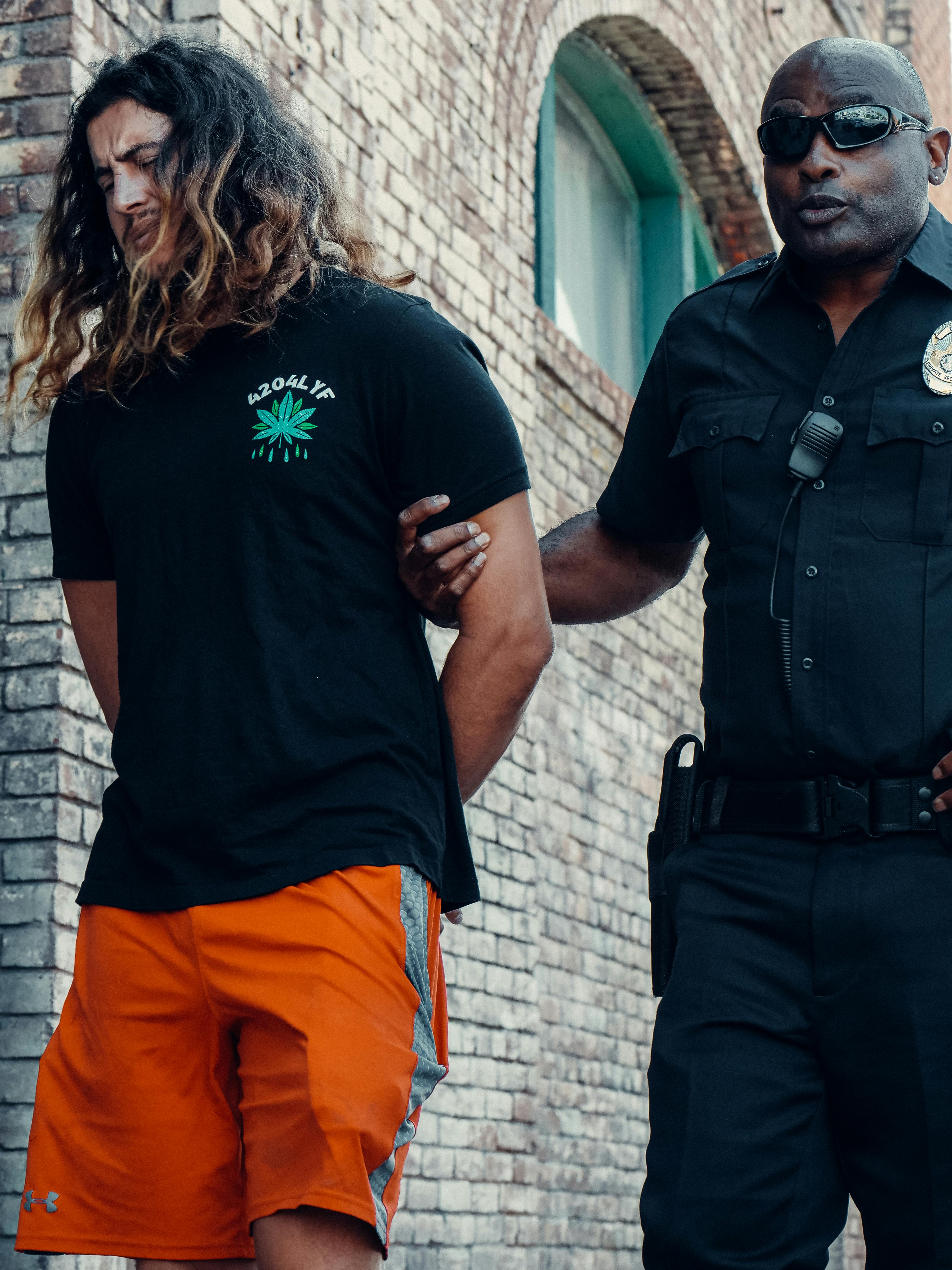
Core Details and Context
- The live stream reportedly showed Clavicular rubbing his eyes, ignoring water placed in front of him, and appearing increasingly unsteady.
- A friend was heard asking, “How f***ed up are you?” and Clavicular replied, “Dude, I’m shot.”
- The stream ended shortly after he leaned toward another friend’s shoulder.
- TMZ reported the suspected overdose on Tuesday, April 14, and Us Weekly later said it could confirm the report’s accuracy.
- The hospitalization came after a March 26 arrest in Fort Lauderdale for misdemeanor battery.
- That arrest followed a separate public controversy involving a video of someone on a boat in the Florida Everglades appearing to shoot an already dead alligator.
- The Florida Fish and Wildlife Conservation Commission said it was aware of the footage and was looking into it.
The timeline matters because people love to pretend each incident is isolated. It isn’t. A pattern is a pattern. When I laid out the sequence, what stood out was how quickly the story shifted from viral novelty to legal trouble to health emergency. That is how public self-destruction usually looks in real time. Not one collapse, but several smaller ones, stacked together.
There is also the broader matter of audience responsibility. Viewers do not cause an overdose by watching a clip. Let’s be honest. But platforms do reward risky behavior with reach, and that reach can become a drug of its own. The attention economy is not neutral. It pays for volatility.
The controversy around Clavicular’s looksmaxxing persona adds another layer. According to reporting cited by GQ, the subculture frames itself around aggressive physical self-improvement in hopes of improving dating odds. That premise, stripped of its jargon, is simple and sad: if you suffer enough to look better, maybe someone will want you. That is a brutal way to treat the human person, who is not a machine part or a sales page. Catholic teaching gets this right without fuss: dignity comes first, not vanity, not applause.
A few related developments help explain why this story spread so quickly:
- Social media audiences are trained to consume crisis as content.
- Viral fame can shield bad behavior for a while, then magnify it.
- Public safety agencies now monitor social platforms because online conduct can bleed into real-world harm.
- Fans often mistake unwell behavior for authenticity.
The truth is, the footage described here should have raised alarm before it turned into a headline. Someone appearing impaired in public, especially on a livestream, is not a meme. It is a person in trouble.
Timeline and Step-by-Step
- Clavicular built a following through extreme online behavior.
- He became associated with looksmaxxing, a community focused on physical self-improvement.
- Controversial posts pushed his name into wider circulation.
- A March 26 arrest in Fort Lauderdale added legal pressure.
- Shortly afterward, a video of a Florida Everglades boat scene drew public criticism and an FWC review.
- On Tuesday night, April 14, a live stream showed him appearing disoriented in a bar.
- Friends tried to engage him on camera, and the stream ended shortly after.
- TMZ reported a suspected overdose and hospitalization, later confirmed by Us Weekly.
I do not need to dress that up. The sequence is ugly, and the pattern is familiar. In my experience, whenever a creator’s content leans hard into recklessness, the offline consequences usually show up later, not never.

Comparison Table
| Factor | Clavicular | Typical mainstream influencer |
|---|
| Content style | Shock-driven, controversial, extreme self-image | Lifestyle, beauty, comedy, or travel |
| Audience reaction | Polarizing, intense, often critical | Broader and more stable |
| Risk profile | High legal and reputational risk | Lower, though not zero |
| Public image | Built on provocation | Built on consistency |
| Health messaging | Often absent or distorted | Usually more careful |
| Main vulnerability | Escalation and self-harm optics | Burnout and overexposure |
Everyone likes to pretend comparisons are unfair. Sometimes they are. This one isn’t. The difference between a creator who sells normalcy and one who sells chaos is the difference between a bicycle and a lit fuse.
Common Misconceptions and What to Know
- “It’s just a viral moment.” No. A suspected overdose is a medical emergency, not a content arc.
- “If it’s online, it must be exaggerated.” Also no. Multiple outlets reported the hospitalization, and the footage described a clear decline in coherence.
- “This is only about one person’s choices.” Not quite. Platforms, audiences, and monetization structures all shape the outcome.
- “Looksmaxxing is harmless self-help.” Sometimes it is. In worse hands, it turns into obsession, humiliation, and dangerous experimentation.
Most coverage of this sort gets lazy. It either treats the person like a villain or a victim and stops thinking. Reality is meaner than that. A person can make foolish choices, invite scrutiny, and still deserve care. That’s not softness. It is basic justice. We do not gain moral clarity by enjoying a downfall.
It is worth pausing on the substance abuse angle, too. The user text says Clavicular previously claimed to have taken crystal meth to curb his appetite and inject himself with mail-order testosterone. Those are not casual confessions. They are red flags. If true, they suggest a relationship with the body that is both violent and deeply confused. I’m not moralizing for sport here. I’m saying the body is not an enemy to be punished. It is a responsibility.
That is where the public discussion should have gone earlier. Not toward cheering, not toward pile-ons, but toward the ugly question of what kind of incentive system rewards self-destruction until it spills into a hospital room.
Frequently Asked Questions
What happened to Clavicular?
Reports say Clavicular, whose real name is Braden Peters, was hospitalized after a suspected overdose following a live stream where he appeared disoriented.
Was the hospitalization confirmed?
Yes. The report from TMZ was said to be accurate by Us Weekly.
Why is Clavicular controversial?
He is tied to the looksmaxxing community and has been criticized for extreme, often reckless content, including behavior that has drawn legal and public backlash.
Is looksmaxxing always harmful?
No. Basic grooming and fitness work are not the issue. The problem starts when appearance becomes obsession, self-harm, or a way to justify dangerous choices.
There is a reason old moral language still survives. It knows something modern media keeps forgetting. Human beings are not props, not brands, and not disposable entertainment. If Clavicular’s hospitalization proves anything, it is that the cost of turning yourself into a spectacle eventually comes due. The internet may cheer for the next stunt. Reality does not. And it seldom waits politely.