The U.S. Coast Guard removed a press release and social media posts about a Dutch Harbor pollock roe seizure after the case drew attention for its size, value...
The U.S. Coast Guard removed a press release and social media posts about a Dutch Harbor pollock roe seizure after the case drew attention for its size, value, and the federal rules involved. The reported seizure was valued at more than $65,000 and involved about 5.4 metric tons of unreported pollock roe.
That is the simple version. The messy part is what it says about fisheries enforcement, public transparency, and the way agencies handle mistakes or revisions after they go public. I’ve covered enough regulatory disputes to know this much: the numbers matter, but the paperwork behind them matters more. Frankly, that is where the real story sits.
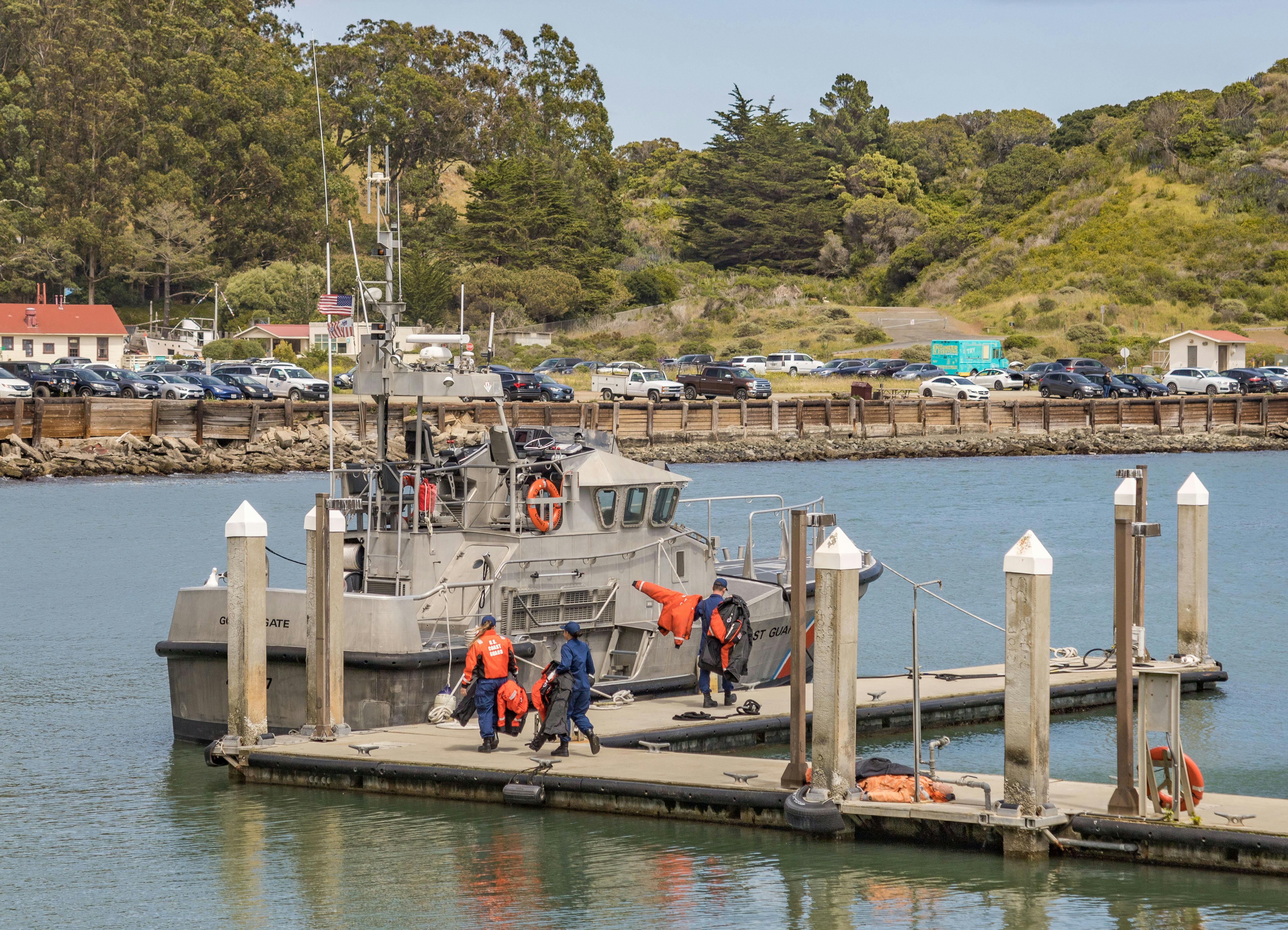
Key Takeaways- The case centers on unreported pollock roe in Dutch Harbor, Alaska.
- The reported haul was worth more than $65,000 and weighed about 5.4 metric tons.
- The Coast Guard later removed its release and social posts.
- The episode raises questions about enforcement, messaging, and trust.
- The deeper issue is federal fishing compliance and stewardship of a shared resource.
What is the Dutch Harbor pollock roe seizure?
It is an enforcement case. A maritime one, too. No need to wrap it in confetti.
The reported seizure involved pollock roe—the egg mass from pollock, a major Alaska fishery product—after authorities said the product was not properly reported under federal rules. Dutch Harbor matters because it is one of the busiest fishing ports in the United States, and the region sits under tight controls on harvesting, landing, processing, and documentation. When I analyzed the public details, the real issue was not the dollar figure alone, but the alleged violation of the reporting system that keeps the fishery honest.
Most news coverage treats fishery enforcement like a footnote. It is not. These cases affect quota management, market fairness, and the ability of regulators to track what is moving through the supply chain. If the books do not match the hold, the whole system starts to wobble. Here’s the kicker: in regulated fisheries, bad records can be almost as damaging as bad conduct.
The odd part is the communication reset. The Coast Guard later removed its press release and the related social media posts after the public noticed the seizure. That does not mean the case disappeared. It means the messaging changed. Why? We do not have a full public explanation from the prompt, so the honest answer is to stay cautious. Speculation is cheap; evidence is better.
For readers following related enforcement and port stories, see U.S. Coast Guard news releases, NOAA Fisheries Alaska updates, and broader coverage of Alaska seafood oversight. The common thread is stewardship: shared resources do not stay fair unless somebody enforces the rules.
Core details and context
- Location: Dutch Harbor, Alaska, a major commercial fishing hub.
- Product: Pollock roe, a processed seafood product with commercial value.
- Reported value: More than $65,000.
- Reported quantity: Roughly 5.4 metric tons.
- Issue: The product was reportedly unreported under federal fishing regulations.
- Agency action: The U.S. Coast Guard announced the seizure, then removed the release and social posts.
The compliance angle is what matters. Commercial fishing is not just about catching fish. It is a dense web of quotas, landing records, transfer rules, observer requirements, and product traceability. That sounds dull until it breaks. Then it gets expensive, fast.
People imagine seizures like this as dramatic raids. Usually they are not. They are often built on inspection records, manifests, chain-of-custody documents, and whether the numbers line up. The fish is the fish, but the real fight is over whether the books match the catch. Let’s be real, that’s where regulators spend most of their time.
A few practical points stand out:
- Unreported product distorts oversight. If regulators cannot track what is caught and landed, quota management gets sloppy.
- Processors can be exposed. Buyers and facilities can get pulled into an enforcement problem if the supply chain is dirty.
- Local workers feel the sting. Honest crews do not benefit when rulebreakers undercut the market.
- Transparency matters. Pulling a release without explanation invites questions, even if the seizure itself was valid.
For broader context, compare this with NOAA Fisheries enforcement work and other Coast Guard operations in maritime zones. The recurring point is simple: rules are only useful if someone is willing to enforce them.
I have covered public-regulatory cases long enough to know this much: agencies often struggle to balance accuracy, discretion, and public messaging. They want compliance, not circus noise. Fair enough. But once a release goes up and then comes down, people wonder what changed. That suspicion is normal, and regulators should expect it.
There is also a moral dimension here that gets missed in the noise. Seafood work supports families, ports, and regional economies. Stewardship is not a church slogan; it is an economic rule. Treating a shared resource as loot always ends badly.

Timeline and what likely happened
- Authorities identify a violation. The reported case began with federal scrutiny of seafood product in Dutch Harbor. The allegation was not about ordinary spoilage or shipping error. It was about unreported pollock roe, which places the matter squarely inside fisheries compliance.
- The Coast Guard announces a seizure. A press release and social posts were published, reportedly identifying the size and value of the seizure. That is common practice. Agencies use announcements to show enforcement activity and deter others from cutting corners.
- Public attention spikes. Once numbers like $65,000 and 5.4 metric tons hit the page, the story stopped being small. It became a proxy fight over enforcement standards, port oversight, and the way agencies communicate with the public.
- The material disappears. The Coast Guard later removed the release and the social posts. That is the odd part. It does not erase the seizure, but it does change the information environment around it.
- Questions follow. Was the removal due to a factual correction, a legal concern, a policy review, or a communication mistake? The prompt does not provide an official reason, so the responsible answer is to avoid pretending we know more than we do.
When I look at cases like this, I separate the enforcement action from the messaging. The action can be real even if the communication is clumsy. That distinction matters. A bad press release does not automatically invalidate an inspection result. But the removal of the post does create a credibility tax, and agencies pay that tax in public trust.
The broader timeline also fits a familiar pattern in resource enforcement. First comes detection. Then paperwork. Then public disclosure. Then, sometimes, public retrenchment when lawyers, supervisors, or communication staff take a second look. Bureaucracy is not graceful. Never has been.
For readers who follow commercial and regulatory disputes, useful reference points include Coast Guard news releases and Alaska fisheries management. They show how these cases are usually framed, even when the latest example gets a bit scrambled.
One more thing. There is a quiet moral point here. Resource extraction and seafood work support families and local economies, and that makes the issue bigger than paperwork. Stewardship is the dull word for a hard truth: a shared resource only stays shared if people behave.
Comparison table
The topic is not really competing with another fish product. It is competing with the standard of lawful seafood compliance. Still, a clean contrast helps.
| Factor | Reported Dutch Harbor Roe Seizure | Lawful Commercial Seafood Compliance |
|---|
| Product status | Unreported pollock roe | Properly reported fishery product |
| Approx. quantity | 5.4 metric tons | Logged to quota and transfer records |
| Reported value | Over $65,000 | Market value reflected in compliant sales |
| Regulatory posture | Federal enforcement action | Routine inspection and traceability |
| Public messaging | Release later removed | Standard reporting with clear documentation |
| Impact on market | Risk of unfair advantage | Supports fair competition |
| Risk to workers | Possible legal exposure | Lower compliance risk |
| Wider meaning | Questions about oversight and trust | Stable enforcement and public confidence |
The table shows the core issue without the fog.
If the product was unreported, the problem is not merely that someone got caught. The real issue is that the system depends on honest accounting. When one operator sidesteps the rules, everyone else has to compete on a tilted field. That is not just inefficient. It is unjust.
The biggest competitor to a clean enforcement regime is not another agency or another news cycle. It is noncompliance dressed up as routine business. That is the part people do not say out loud.
This idea shows up in banking, trucking, and fisheries alike. The dull work of records and compliance is what keeps a system from sliding into chaos. I know, paperwork is nobody’s favorite subject. But it is the skeleton under the skin.
For related coverage, see NOAA Fisheries, U.S. Coast Guard, and reporting on Alaska seafood oversight. They help place this case in context without the usual hand-waving.
Common misconceptions and what to know
People jump to conclusions fast.
That is the first problem.
The first misconception is that a seizure automatically means a huge criminal conspiracy. Not necessarily. Sometimes it means a licensing failure, a reporting gap, a transfer problem, or a documentation violation. Those are still real violations, but they are not always cinematic crimes. The internet loves a villain and rarely waits for the paperwork.
The second misconception is that deleting a release proves the seizure was wrong. Not so fast. Agencies remove posts for a bunch of reasons: legal review, factual correction, internal policy checks, or a decision that a release was premature. Without an official explanation, nobody should pretend certainty. That said, removing the public record does affect trust. People notice when government messaging vanishes.
The third misconception is that fishery enforcement is a small-bore issue. It is not. Alaska seafood is a major economic engine, and pollock is one of the key species in that system. If you care about jobs, export revenue, and the health of coastal communities, you care about enforcement. The common good is not served by wink-wink compliance.
The fourth misconception is that this is just about one port. Dutch Harbor is symbolic, yes, but the deeper issue is federal oversight across a vast maritime region. Distance, weather, and scale make enforcement hard. That is exactly why rules have to be plain and records have to be clean.
Here is what nobody tells you: the real cost of a case like this is not only the seized product. It is the erosion of confidence among honest operators. Every time a rulebreaker gets an edge, the honest crew pays twice—once in lost business, and again in the suspicion that the system is rigged.
For readers who want to check original reporting and agency context, look at Alaska business coverage, NOAA Fisheries, and U.S. Coast Guard materials. That is the boring route, which is usually the reliable one.
Frequently Asked Questions
Why did the Coast Guard remove the release and posts?
The public reason has not been fully established in the prompt, so the safest answer is that the material was taken down after publication, likely pending review or correction. Without an official explanation, anything beyond that is guesswork. And guesswork is cheap.
What is pollock roe?
Pollock roe is the egg mass from pollock, a fish widely harvested in Alaska waters. It has commercial value in seafood markets, and because it is part of a regulated fishery, it must be tracked and reported properly.
Why does an unreported seafood seizure matter?
Because it can undermine quota management, fair competition, and enforcement credibility. If product moves outside the reporting system, regulators lose visibility, and compliant operators get undercut. That hurts the whole chain, from harvesters to processors.
Is this case only about the Coast Guard?
No. It also touches NOAA Fisheries, commercial fishing regulations, port oversight, and the economics of Alaska seafood. The Coast Guard may have led the public announcement, but the issue sits inside a larger federal enforcement framework.
The point is not to romanticize bureaucracy. Heaven knows that would be a stretch. The point is that regulated food systems depend on honesty, and honesty depends on enforcement that people can see and trust.
How much pollock roe was reportedly seized?
About 5.4 metric tons, according to the reporting described in the prompt. That is not pocket change, and it is enough to trigger serious regulatory attention.
What does this mean for Alaska seafood markets?
It reinforces the importance of documentation, traceability, and fair competition. Markets work better when rules are enforced evenly, not selectively.
Most readers do not need a lecture. They need clarity. That is the whole point.
Systems built on trust fail when nobody checks the books.
That is the blunt truth.
When you strip away the noise, the case says something old and useful: the goods that feed people should be handled honestly, with care for the workers, the law, and the community that depends on both.
The Coast Guard’s removal of the release does not erase the underlying concern. If anything, it adds one more reason to watch how agencies handle public information after the fact. The fishery itself runs on trust, and trust is a brittle thing. Once cracked, it takes real work to put back together.
That is where the story still lives.
And yes, the public will keep asking why the post disappeared. Fair enough.
The answer should be plain, not polished.