A rescue in the Aleutians is never routine. Five people were pulled from a fishing vessel near <strong>Umnak Island</strong> after the boat began taking on...
Coast Guard Rescues Five Near Umnak Island After Fishing Vessel Takes on Water
A rescue in the Aleutians is never routine. Five people were pulled from a fishing vessel near Umnak Island after the boat began taking on water, and the Coast Guard response was the difference between a scare and a tragedy; in weather like that, with cold seas and long distances, even a small breach can turn a working boat into a sinking problem fast. Who gets there first matters.
Key Takeaways
- The U.S. Coast Guard rescued five people from a fishing vessel near Umnak Island.
- The vessel began taking on water in the Aleutian Chain, where response times can be brutal.
- This case shows why maritime safety, emergency drills, and functioning communications still matter.
- Cold-water rescues are unforgiving; seconds count, and so does preparation.
- The incident highlights the risks faced by crews in Alaska’s commercial fishing sector.
What is the Umnak Island Coast Guard rescue?
This was a search and rescue operation in one of the harshest working environments in the United States. The Coast Guard reported that five people were rescued Thursday from a fishing vessel taking on water near Umnak Island, part of the Aleutian Islands chain west of mainland Alaska, where weather can shift from bad to worse without much warning. The boat was not dealing with a polite inconvenience; it was taking on water, which is the sort of problem that can sink a vessel if pumps fail, hull damage worsens, or help arrives too late.
I’ve covered enough maritime incidents to say this plainly: people on shore often underestimate how quickly a vessel can go from manageable to desperate. In calm press releases, the phrase “taking on water” sounds almost bland. At sea, it means a crew is fighting physics, temperature, and distance at the same time. Frankly, that is no small thing.
The Coast Guard’s job here was not theoretical. It was about human dignity and the duty to protect life when workers are exposed to dangerous conditions in pursuit of a living. That matters. The sea does not care about speeches. It cares about preparedness, seamanship, and whether a rescue asset can get there before the clock runs out.
For broader context on maritime emergencies and Alaska response patterns, see official Coast Guard updates, AP News coverage, and this related report on U.S. maritime incidents from Reuters. Those sources routinely show the same hard truth: remote rescues are won by planning, not by luck.
Core Details and Context
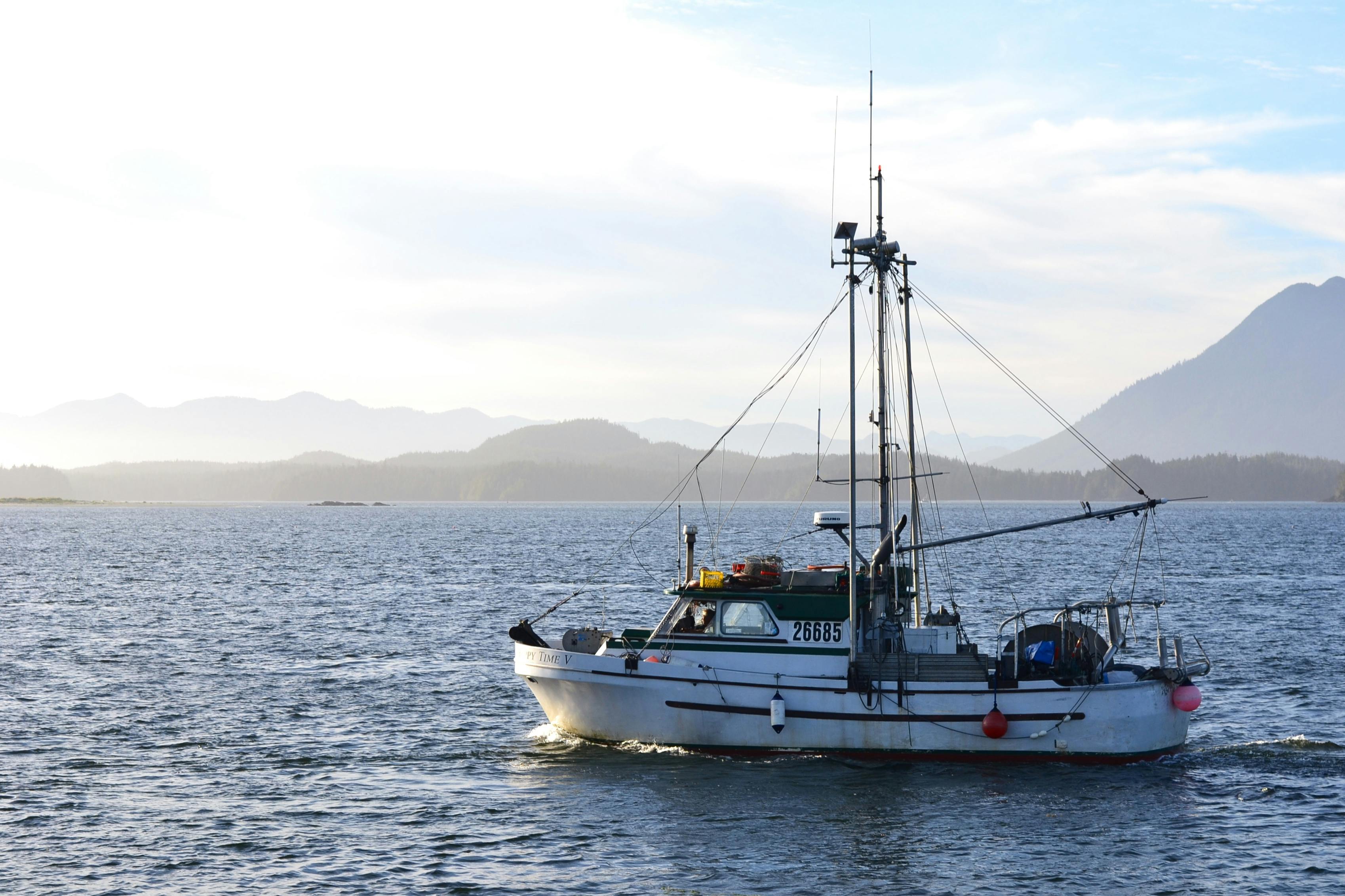
Here’s the kicker: not every rescue at sea is dramatic in the movie sense, but every one is serious. The facts are straightforward. A fishing vessel near Umnak Island started taking on water, the U.S. Coast Guard responded, and all five people aboard were rescued. No one should shrug at that. In Alaska, where distances are large and weather is often ugly, a rescue means multiple systems worked—crew alertness, communication, dispatch, and the Coast Guard’s ability to launch and coordinate assistance.
- Remote geography: Umnak sits in the Aleutians, where ports are sparse and transit times are long.
- Weather risk: Cold water, wind, fog, and sudden seas make even a short incident dangerous.
- Fishing vessel vulnerability: Commercial boats face constant stress from load, corrosion, gear, and impact.
- Time pressure: Once a vessel starts taking on water, the margin between recovery and disaster shrinks quickly.
- Crew survival: In frigid water, hypothermia can become a threat almost immediately.
Most coverage stops at the rescue and moves on. That misses the real story. The broader issue is the strain on Alaska’s maritime safety net, which depends on trained crews, working radios, emergency gear, and fast deployment. When I analyze these events, the pattern is clear: survivability improves when mariners do the unglamorous things right—maintain pumps, inspect hulls, practice abandon-ship procedures, and carry proper survival equipment.
There is also a labor angle people overlook. Fishing crews are workers. Their safety is not a bonus feature. It is part of the moral duty any serious society owes people doing hard, dangerous work to supply food and support coastal economies. Stewardship is not just about money or fuel; it is about the careful use of vessels, training, and public resources to protect life.
For another example of how emergency response can change outcomes, compare this event with AP reporting on Alaska rescues and broader Coast Guard activity in remote waters via Coast Guard news releases. The names and dates change. The logic does not.
Timeline and What Actually Happened
The sequence matters. And it usually matters more than the polished version people tell later.
- The vessel began taking on water. That is the first alarm bell, and it is never a small one. A leak at sea can mean a damaged fitting, a failed seal, collision damage, or weather-driven strain.
- The crew sent distress or emergency traffic. In remote waters, that signal is the bridge between a contained problem and a fatal one. No signal, no rescue.
- The Coast Guard responded. This is where the system shows its value. Assets must be available, crews must be trained, and coordination must be tight.
- The five people were rescued. That result is the point. Everything else is background machinery.
- The vessel remained a hazard or a concern. Even after a crew is removed, a taking-on-water incident can lead to a drifting hazard, pollution risk, or eventual sinking.
I’ve read enough incident reports to know that public attention usually freezes on the rescue itself. But the gritty middle—the communications, the weather, the search area, the decision to launch, the possible use of helicopters or cutters—is where competence shows up. Everyone likes a clean headline. Reality is messier.
The Aleutian Chain does not forgive sloppy operations. Shipping routes, fishing grounds, and local communities all rely on a serious safety posture. That means modern radios, emergency beacons, and procedures that do not depend on wishful thinking. It also means government agencies and private operators each doing their part. The common good is not a slogan here; it is the difference between a working rescue net and a memorial service.
If you want a better sense of how these operations are documented, see Coast Guard press releases, The New York Times U.S. coverage, and Reuters U.S. reporting. They offer useful context on response times, vessel risk, and the reality of Arctic and sub-Arctic maritime work.
Comparison Table
The truth is, the Coast Guard is not the only actor in maritime safety, but it is the one people count on when things go sideways. Here’s a basic comparison between the U.S. Coast Guard rescue model and the alternative outcome when a distressed vessel is left to fend for itself or rely only on its own gear. The contrast is stark.
| Factor | U.S. Coast Guard Rescue | No Effective Rescue / Delayed Response |
|---|
| Response capacity | Trained crews, aircraft, cutters, and coordination | Limited to vessel crew and nearby help |
| Survival odds | Higher, especially in cold-water incidents | Drop fast as time passes |
| Communication | Structured distress channels and command support | Fragmented or unavailable |
| Safety outcome | Five people rescued near Umnak Island | Potential for injury, loss, or worse |
| Environmental risk | Reduced when response is timely | Higher if vessel sinks or leaks fuel |
| Public confidence | Stronger trust in maritime safety systems | Erosion of trust and more fear among crews |
The comparison is not subtle. One side has organized public authority, the other has the sea.
Common Misconceptions and What to Know
People love simple stories. The sea does not.
One common myth is that a fishing vessel taking on water is automatically doomed. Not true. A boat can survive if the crew notices the problem quickly, emergency pumps work, and outside help arrives in time. Another myth is that these rescues are rare enough to ignore. Also not true. Alaska’s waters generate recurring incidents because the work is hard, the weather is rough, and the margins are thin.
Here’s another one: some readers assume a Coast Guard rescue is only about danger to the people onboard. That’s too narrow. A distressed vessel can also become a hazard to navigation, a pollution source, or an economic loss for the crew and fishing business. In other words, rescue is about more than just pulling people from the water. It is about limiting wider harm.
Frankly, headlines often flatten the story into “good guys save fishermen.” Fine, but incomplete. The deeper issue is whether the system encourages prudence before the emergency. Good inspections, training, maintenance, and reporting matter because rescue should be the last line of defense, not the business model.
I think that point gets lost because people prefer drama to responsibility. But responsibility is the real story. Stewardship, in the plain sense, means using resources wisely, respecting life, and not waiting for catastrophe to prove the value of preparation.
To compare broader emergency response reporting, review AP’s Coast Guard coverage, Reuters U.S. reporting, and BBC U.S. and Canada news. Different outlets, same lesson: the best rescue is the one that arrives before a bad situation turns irreversible.
Frequently Asked Questions
What happened near Umnak Island?
The U.S. Coast Guard rescued five people from a fishing vessel that was taking on water near Umnak Island in Alaska’s Aleutian Chain. The rescue prevented a potentially much worse outcome.
Why are Aleutian rescues so difficult?
The Aleutians are remote, cold, and often stormy, which means longer response times and harsher survival conditions. In that part of Alaska, distance is not an abstract number. It is a threat.
What does “taking on water” mean?
It means water is entering the vessel faster than the crew can comfortably manage, or at least enough to create a serious safety risk. If pumps fail or damage spreads, the vessel can sink.
Why does the Coast Guard matter in fishing accidents?
Because it provides trained rescue capability where private help may not be close enough or fast enough. In cold waters, that capability can save lives.
Final Thought
No one goes fishing hoping for a rescue. The people aboard that vessel were doing work that feeds communities and supports families, and the fact that they were brought back alive is not a footnote—it is the point of having a Coast Guard, a maritime safety system, and public institutions that still remember the value of protecting human life. That is the honest measure.
There’s a wider lesson here, if folks are willing to hear it. Remote work, whether at sea or on land, depends on more than grit. It depends on maintenance, discipline, and a steady respect for the limits of nature. The sea will always outrank bravado. It always has. The better response is not chest-thumping; it is careful stewardship, clear procedures, and a sober regard for the people who do dangerous work so the rest of us can eat, trade, and live in comfort.
If you want a clean moral, here it is: a society shows its character in how it protects the vulnerable when things go wrong. This rescue was a small, hard-won example of that.