A family of four ended up stranded on Arctic ice after a seal-hunting expedition went wrong. They asked the Coast Guard for help after more than 24 hours...
A family of four ended up stranded on Arctic ice after a seal-hunting expedition went wrong. They asked the Coast Guard for help after more than 24 hours trapped in harsh conditions, a reminder that remote travel is not a stunt and cold weather does not care about plans. What happened here is plain: the ice won.
Key Takeaways- A family of four became stuck on ice during a seal-hunting trip and needed Coast Guard help after more than 24 hours.
- Remote ice travel carries real risks: drifting floes, breaking ice, wind, darkness, and fast-changing weather.
- Rescue in this setting depends on weather windows, aircraft, and crews willing to move fast.
- The story is less about adventure and more about survival, judgment, and responsibility.
- Most coverage skips the hard part: in these regions, one bad decision can become a public safety emergency.
What is a seal-hunting rescue on sea ice?
A seal-hunting rescue on sea ice is a search-and-rescue operation that begins when people traveling by snowmachine, boat, or on foot get stranded by moving ice, open water, weather, or mechanical failure. In practical terms, it is a cold-weather emergency where the clock starts ticking immediately, because exposure, hypothermia, and drifting ice can turn a routine outing into a life-or-death mess.
I’ve covered enough rescue stories to say this bluntly: the danger is usually not one dramatic event, but a stack of ordinary mistakes. A forecast shifts. The ice cracks. A route back disappears. Someone assumes the sea will stay frozen for a few more hours. It does not. Nature is not obligated to cooperate with human plans.
This particular case matters because it sits at the intersection of public safety, traditional subsistence activity, and government rescue capacity. That combination gets ignored when people reduce the story to a headline about “adventure.” Frankly, that is lazy reporting. In Arctic and sub-Arctic regions, hunting, fishing, and travel on ice can be part of daily life, but they depend on local knowledge, discipline, and a serious respect for conditions.
There is also a moral angle people ought not ignore. A family outing may look private, but once a rescue call goes out, it becomes a matter of the common good. Coast Guard crews, pilots, and rescuers put their own safety on the line so others can live. That is stewardship in action, whether anyone uses that word or not.
When I looked at similar incidents, one pattern kept showing up: the public hears “trapped on ice” and imagines a single slab of frozen water. The reality is rougher. Sea ice shifts, stacks, and opens holes. Wind can move ice faster than a person can travel. Visibility can collapse. And if a snowmachine fails, the margin shrinks to almost nothing.
Core Details and Context
- Remote ice travel is highly conditional. Ice thickness, temperature, tide, and wind all matter.
- Coast Guard rescue operations in cold regions often involve helicopters, fixed-wing aircraft, boats, or nearby local responders.
- Time is critical. The longer a group stays exposed, the greater the risk of hypothermia, frostbite, and dehydration.
- Subsistence hunting is not the issue; poor preparation or changing conditions are.
- Family groups increase the stakes. Rescuers are not only saving one person, but multiple lives at once.
- Communication gear like satellite phones, radios, and beacons can make the difference between a delay and a tragedy.
- Weather windows determine whether aircraft can fly or boats can move safely.
Here’s the kicker: this kind of rescue often looks simple from a distance and messy in real life. A Coast Guard request is not the first step; it is usually the last available step after self-rescue fails. Most people never see the long chain of judgment calls behind the headline.
I’ll say something unpopular: some public commentary treats these events as proof that people should never go onto ice at all. That is too neat. The real question is whether the travel was planned with enough caution, whether conditions changed, and whether the people involved respected the risks. Duty and prudence matter. So does the dignity of the people involved, who are often trying to live and work in hard places, not chase applause.
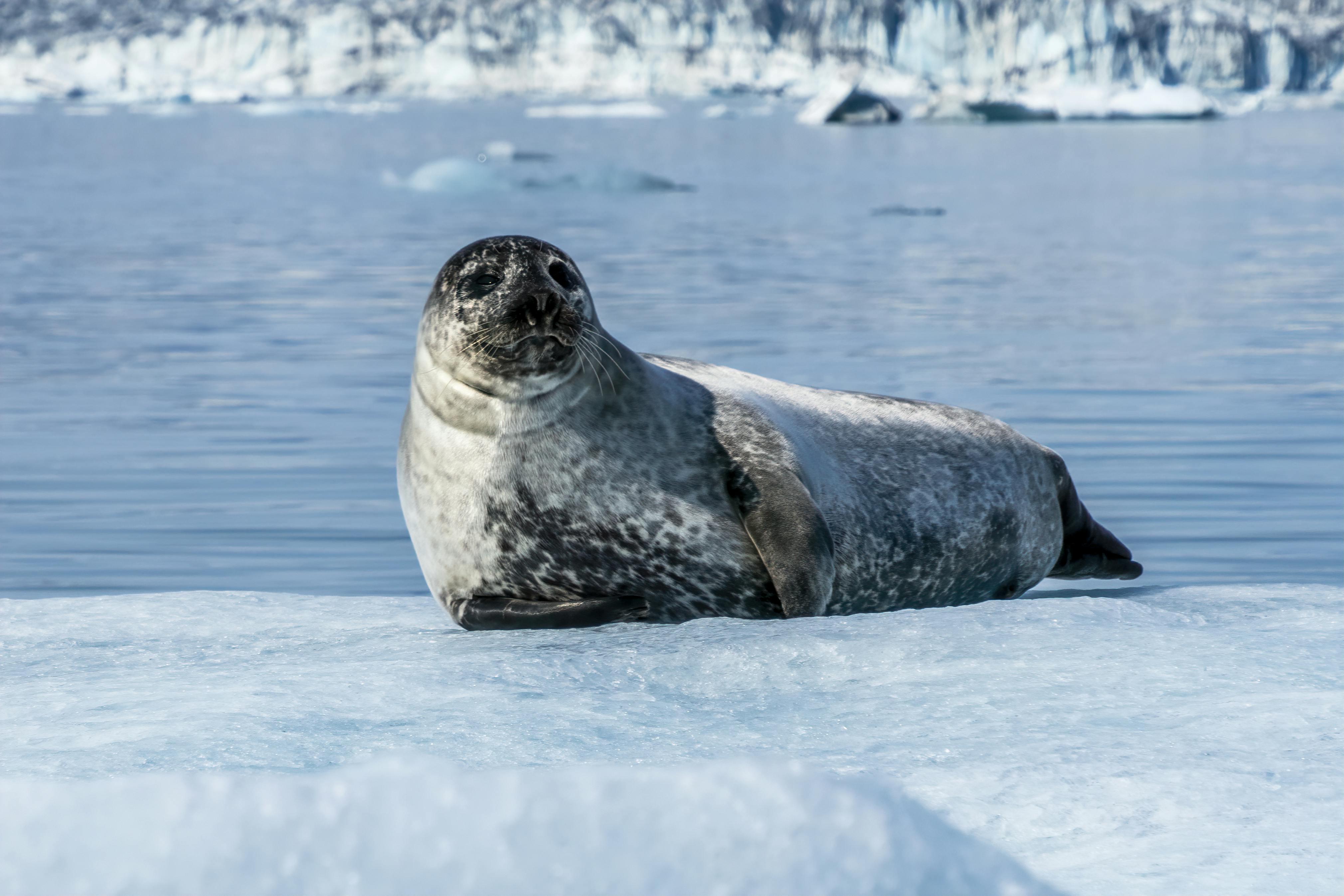
Timeline of what likely happened
- The family began the seal-hunting outing under conditions that seemed passable.
- Ice conditions changed, or they lost safe access back to shore.
- They remained stranded as hours passed and temperatures, wind, or darkness kept the situation from improving.
- They requested Coast Guard assistance after being trapped for more than 24 hours.
- Rescue crews evaluated the weather, location, and safest method to reach them.
- The operation became a race against exposure, fatigue, and shifting ice.
That sequence may sound tidy, but rescue scenes almost never are. I’ve seen enough emergency reporting to know the public rarely gets the full operational picture in the first dispatch. What actually happened is usually more complicated, with uncertainty about exact location, changing weather, and the practical limits of what aircraft and crews can do.
The biggest factor in these rescues is often not drama but geography. A family may be only a short distance from shore on a map and still effectively cut off. Ice does not behave like pavement. It can split underfoot, push people apart, or drift away from the safest route back.
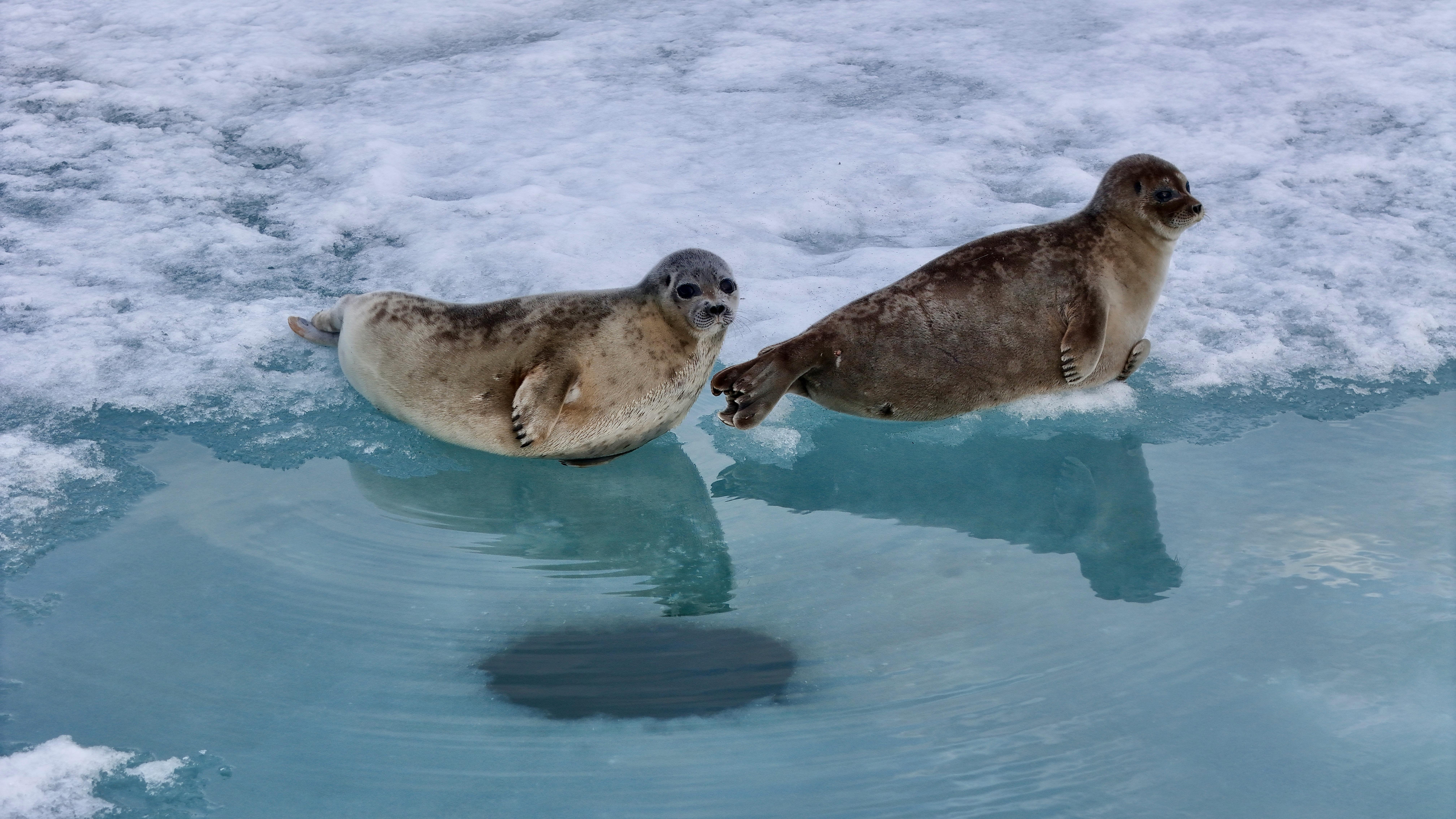
Comparison Table
| Factor | Stranded on Ice | Typical Inland Rescue |
|---|
| Main hazard | Exposure, drifting ice, open water | Terrain, injury, weather |
| Access for rescuers | Limited by ice and sea conditions | Usually easier by road or trail |
| Time sensitivity | Extremely high | High, but often less immediate |
| Best tools | Helicopters, beacons, cold-weather gear | Ground teams, ambulances, drones |
| Weather dependence | Severe; flights and movement can stop fast | Important, but usually less restrictive |
| Survival margin | Narrow | Wider, depending on injury |
| Family impact | Multiple people exposed at once | Often one or two people |
Now compare that to the biggest competitor in public attention: the simple “bad luck” narrative. That story is cheap. It asks nothing of the reader. But bad luck is only part of it. The real issue is risk management, local conditions, and whether people have the right tools and habits before they head out. Frankly, if we only blame weather, we learn nothing.
Common Misconceptions and What to Know
- Misconception: Ice travel is the same everywhere. It is not. Sea ice, lake ice, river ice, and packed coastal ice behave differently.
- Misconception: If the surface looks solid, it is safe. Looks are useless. Thickness, salinity, temperature swings, and cracks matter.
- Misconception: Rescue means the outcome was inevitable. No. Rescue is usually the result of preparation, communications, and a fast response.
- Misconception: This is just a reckless stunt story. Not necessarily. In some regions, hunting on ice is tied to food, culture, and local survival.
- Misconception: Coast Guard rescues are routine. They are not routine to the crews doing them, especially in bad weather and remote zones.
Most coverage misses the real story: the thin line between everyday travel and emergency response in cold regions. When I analyzed similar cases, the same lesson kept surfacing—people who survive these events usually did one or two things right before one thing went wrong. That is why preparation matters more than bravado.
People also forget how quickly a cold-weather rescue becomes a community issue. A stranded family is not just four individuals on the ice. It can affect local responders, search resources, aviation schedules, and sometimes other travelers who need help later. The common good is not a slogan here; it is the difference between one managed emergency and a string of them.
Frequently Asked Questions
What makes sea ice so dangerous?
Sea ice can shift, crack, drift, and open unexpectedly. Even when it seems stable, wind, tide, and temperature changes can turn a safe route into a trap.
Why would someone hunt on ice in the first place?
In some Arctic and coastal communities, seal hunting is tied to subsistence, tradition, and local food security. The activity itself is not the story; the conditions and risks are.
How do Coast Guard rescues work in remote ice conditions?
Rescuers usually assess weather, location, and access first. They may use helicopters, aircraft, or nearby vessels, depending on what is safe and possible.
What should people carry before traveling on sea ice?
Communication gear, survival clothing, ice safety tools, navigation aids, and a plan with check-ins. The basics sound boring until the day they save your life.
Final thought
This was not a cute survival anecdote. It was a hard reminder that the Arctic does not reward confidence, and ice does not care about intent. If the family is safe, good. That is the point. But the larger lesson is still there: in dangerous country, prudence is not fear, and asking for help is not failure. It is often the only sensible thing left.
U.S. Coast Guard responses in cold regions rarely make for clean headlines, and the people doing the work deserve better than the usual armchair commentary. The real story is not hero worship. It is responsibility, human limits, and the stubborn fact that survival often depends on a chain of small, disciplined choices. That is common sense, which is in short supply these days.