A fatal three-vehicle crash on State Route 7 in Pierce County killed one motorcyclist and shut down the roadway for hours. The case is still under...
A fatal three-vehicle crash on State Route 7 in Pierce County killed one motorcyclist and shut down the roadway for hours. The case is still under investigation, and that matters. Until detectives, troopers, and crash reconstruction teams sort through the wreckage, speculation is cheap and usually wrong.
Key Takeaways
- One motorcyclist died in a three-vehicle collision on State Route 7 in Pierce County.
- The road stayed closed for hours while investigators examined the scene.
- Officials have not publicly confirmed the cause.
- Crashes like this usually hinge on speed, visibility, right-of-way, or distraction.
- The human cost is the point, not the traffic inconvenience.
What is a fatal three-vehicle crash on State Route 7?
It is exactly what it sounds like: a collision involving three vehicles on a major roadway, in this case State Route 7 in Pierce County, that ended in the death of a motorcyclist. The headline is blunt because the fact pattern is blunt. A life was lost. Traffic stopped. Investigators moved in. The rest is evidence work.
I’ve covered enough roadside wrecks to know this part gets glossed over. People rush to blame weather, speed, or the motorcyclist before the facts are in. That is lazy. The first task is to reconstruct sequence, not spin a neat story for social media. Was a vehicle turning across traffic? Was someone following too closely? Did a lane change go bad? Did visibility, pavement, or speed play a role? Those questions matter because they point to duty, and duty is what separates ordinary driving from reckless conduct.
There is also a moral dimension that news coverage often skips. Roads are shared spaces. Drivers are stewards of a lot more than a steering wheel and a deadline. They carry responsibility for strangers, not just themselves. That sounds quaint until someone dies on the shoulder.
For background on roadway fatality patterns and enforcement context, see recent coverage from the National Highway Traffic Safety Administration, IIHS motorcycle fatality data, and Washington State crash reporting through WSDOT. Most news reports stop at the wreck itself. The real story begins when investigators ask why it happened.
Core Details and Context
- The crash involved three vehicles, which immediately complicates fault analysis.
- One victim was a motorcyclist, a road user class that faces much higher fatality risk than occupants of enclosed cars.
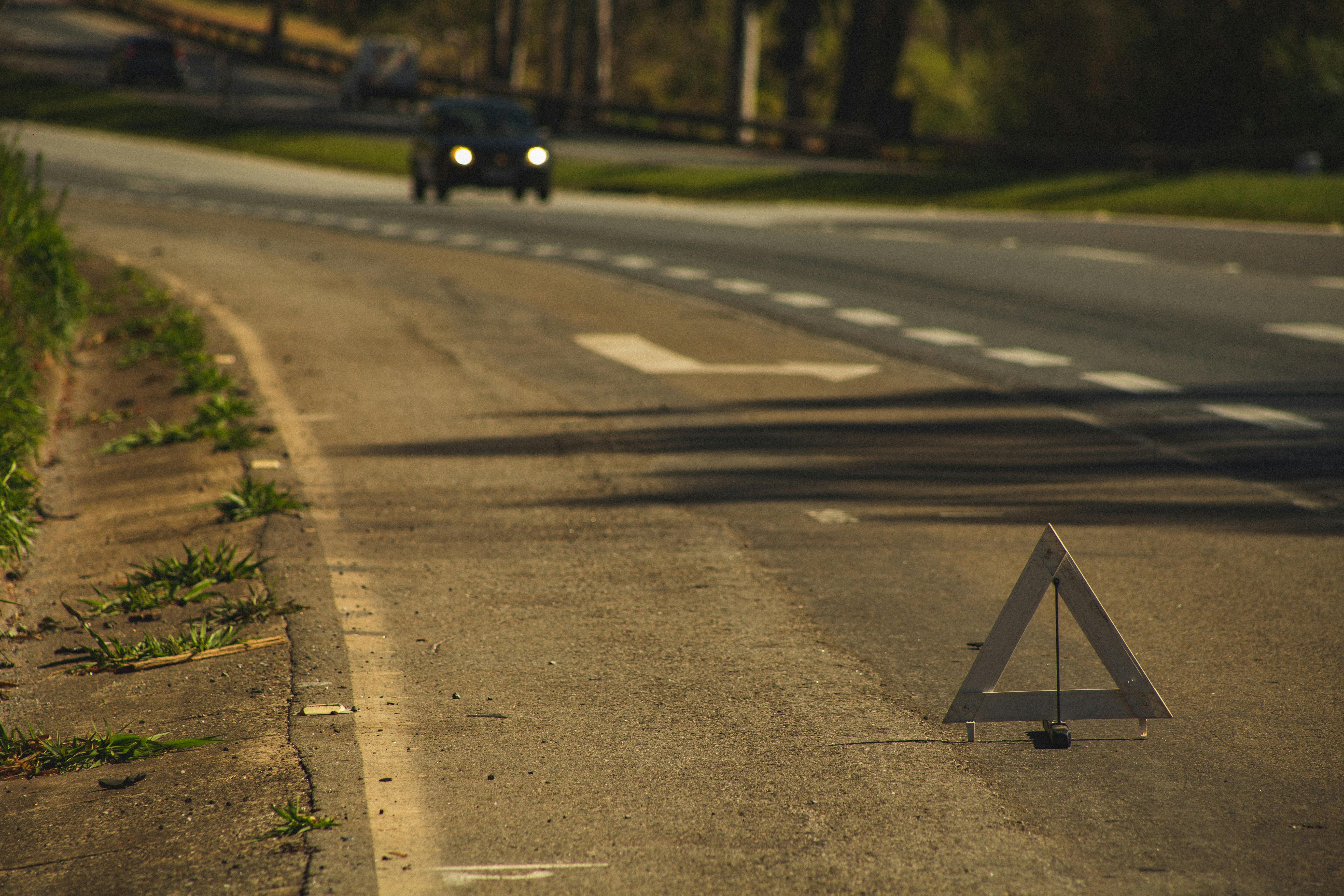
- State Route 7 was closed for hours, suggesting a serious scene with debris, evidence collection, and possible reconstruction.
- Investigators have not publicly released a final cause, and any confident claim right now is premature.
- The roadway impact matters: closures ripple through work commutes, emergency response, and local traffic patterns.
Frankly, the word “accident” can be too soft. Not every crash is preventable, but many are the result of choices. That is where law, engineering, and common sense collide. If a driver misjudged a pass, drifted across a lane, failed to yield, or drove too fast for conditions, the crash stops being random. It becomes a consequence.
Motorcycles are especially vulnerable because there is no steel cage, no airbag curtain, no crumple zone. A rider can do everything right and still get crushed by a mistake made by someone in a truck or sedan. That is why even modest errors on multi-vehicle roads can become fatal in seconds.
The closure on State Route 7 also tells you the scene was treated seriously. Hours-long shutdowns are not about traffic theater. They usually mean troopers and reconstruction specialists were documenting skid marks, vehicle positions, debris fields, and sight lines. In plain English, they were trying to answer the only question that matters in the aftermath: what happened first?
Here’s the kicker. Public patience for “we’re investigating” is thin, but there is no shortcut. Good investigations are slow for a reason. Bad ones produce blame without proof.

Timeline and What Happened
- Vehicles collided on State Route 7 in Pierce County.
- A motorcyclist suffered fatal injuries at the scene or shortly after impact.
- Emergency responders arrived and secured the roadway.
- State Route 7 was closed for several hours while the scene was processed.
- Investigators began examining vehicle positions, roadway evidence, and witness accounts.
- Officials continued probing the cause as of the latest reports.
I’ve seen the public assume the first dispatch note is the final word. It never is. Initial reports are snapshots, not verdicts. They tell you a collision happened, not the full chain of decisions that led there.
What actually happened often comes down to a handful of mundane but deadly factors:
- A driver looking at the wrong thing for two seconds.
- A turn made without enough clearance.
- A speed difference that left no margin for error.
- A motorist who misread distance or closing speed.
- Poor visibility, glare, rain, or roadway clutter.
Most coverage misses the boring part, and the boring part is usually the truth. Crashes rarely come from one giant dramatic act. They come from small failures stacked on top of each other. A lane drift here. A delayed brake there. A missed mirror check. Then metal, impact, silence.
For readers wanting broader context on crash analysis and traffic safety trends, related reporting on traffic injury prevention from the CDC and Washington transportation safety data at WSDOT traffic safety helps explain why investigators focus so heavily on behavior, roadway design, and vehicle interaction. The mechanics matter because lives depend on them.
Comparison Table
| Factor | Fatal Pierce County SR 7 Crash | Typical Non-Fatal Multi-Vehicle Crash |
|---|
| Road impact | Hours-long closure | Partial delay or brief slowdown |
| Injury outcome | One motorcyclist killed | Injuries often minor or none |
| Investigation depth | Extensive scene reconstruction | Standard police report |
| Vehicle mix | Three vehicles, including a motorcycle | Usually cars only |
| Public concern | High, due to fatality and route closure | Lower, unless major congestion |
| Accountability questions | Detailed review of right-of-way, speed, and visibility | Often resolved quickly |
A lot of people see tables like this and think they are just paperwork. They are not. They show how a single fatal crash is not just one family’s grief, but a public failure in traffic safety. That sounds severe because it is severe.
Common Misconceptions and What to Know
- It was probably the motorcyclist’s fault. Maybe, maybe not. That claim is empty until investigators release facts. Motorcyclists get blamed quickly because people are lazy about risk.
- Three-vehicle crashes are automatically chain reactions. Sometimes yes. Sometimes one maneuver triggers another, but the first mistake can be hidden in the sequence.
- Road closures mean the road was unsafe long-term. Not necessarily. Closures after fatal crashes are often about evidence collection and cleanup.
- Witnesses always know what happened. Not always. People see fragments, not complete sequences.
Let’s be real: the internet loves a simple villain. A speeding biker. A careless driver. A bad road. Reality is messier. The truth usually sits in a narrow strip between driver behavior, road design, and timing.
I’ve noticed another bad habit in these stories: people treat motorcycles as though they are somehow outside traffic rules. That is nonsense. Riders are entitled to the same protection and the same duty of care as everybody else. Human dignity is not measured by how many tons of steel surround you.
Another misconception is that enforcement alone fixes everything. It helps, sure. But good outcomes come from a mix of engineering, sober driving, vehicle maintenance, and a culture that respects life enough to slow down. That is not preachy. It is practical.
Frequently Asked Questions
What caused the fatal crash on State Route 7?
Officials have not publicly confirmed the cause. Investigators are still examining evidence, witness statements, and scene details before assigning fault or determining the sequence of events.
Why was State Route 7 closed for so long?
Major crash scenes are often closed for hours so investigators can document skid marks, debris, vehicle positions, and roadway conditions. Cleanup and tow operations also take time.
Are motorcyclists at higher risk in crashes?
Yes. Motorcyclists face a much higher risk of serious injury or death because they lack the protection of an enclosed vehicle. Even low-speed impacts can be deadly.
What happens in a multi-vehicle crash investigation?
Police and reconstruction teams review physical evidence, surveillance or dashcam footage if available, witness accounts, and vehicle damage patterns to determine what happened first.
Final Thought
A fatal crash is not just a traffic headline. It is a broken chain of choices, and sometimes a broken family. The road will reopen. The commute will resume. The grief will not. That is the part most reports rush past, and it is the part that should stay in view. If the investigation shows carelessness, then accountability matters. If it shows a tragic sequence of events no one could fully control, then the loss still demands respect, not noise.
The plain truth is that every driver owes the rest of us more than haste. On a road like State Route 7, that means patience, attention, and restraint. Small virtues save lives. That is not a slogan. It is the way the world works.