Federal disaster assistance has been approved for the <strong>Matanuska-Susitna Borough</strong> windstorm that hit in December. That matters. It means...
Federal Disaster Aid Approved for Matanuska-Susitna Borough Windstorm: What FEMA’s Decision Means
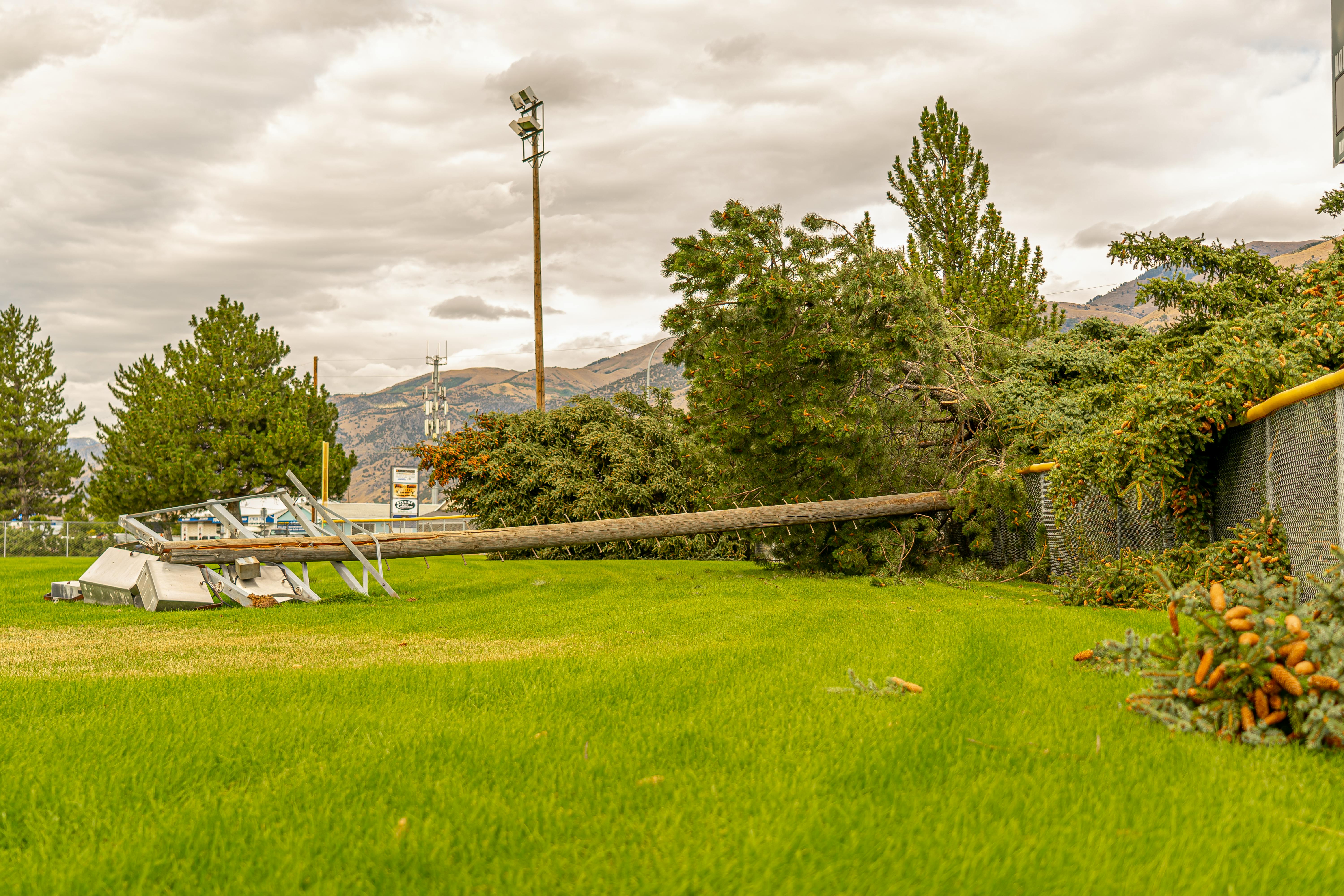
Federal disaster assistance has been approved for the Matanuska-Susitna Borough windstorm that hit in December. That matters. It means households, local government, and in some cases nonprofits can tap federal aid to repair damage, replace essentials, and cover public costs that a borough of this size should not have to shoulder alone after severe weather.
Key Takeaways
- FEMA approved federal disaster assistance for the Matanuska-Susitna Borough after the December windstorm.
- The aid can support residents, local governments, and some nonprofit organizations.
- Assistance is usually tied to verified damage, not just inconvenience.
- The decision shifts part of the financial burden from local taxpayers to federal disaster programs.
- The real story is not the press release; it is who qualifies, how fast help arrives, and how much gets covered.
What is federal disaster assistance for the Matanuska-Susitna Borough windstorm?
Federal disaster assistance is the package of aid FEMA and related agencies can provide after a storm causes damage serious enough to justify national help. In this case, the December windstorm in the Matanuska-Susitna Borough was severe enough for FEMA to approve aid. That approval does not mean every loss gets paid. It means certain losses can now be documented, reviewed, and, if they meet the rules, reimbursed or repaired through federal programs.
I’ve covered enough disaster declarations to know the public often hears “federal assistance” and assumes cash is flying out the door. Not quite. The system is narrower, slower, and more bureaucratic than most headlines admit. It is built around eligibility, documentation, and damage thresholds. That can feel cold when someone has a roof torn off or a road washed out, but this is how federal aid is usually structured: a mix of relief, repair, and public accountability.
Frankly, the approval also says something about the scale of the event. A borough in Alaska is not a coastal megacity with deep tax reserves and endless contractors. It is a place where one hard weather event can strain roads, utilities, emergency response, and family budgets at the same time. That is where the moral logic of disaster aid matters. A government that can help after a community bears a serious blow has a duty to do so with fairness and speed, because the common good is not a slogan. It is a practical thing.
For readers looking for more background on how Alaska weather and public response connect, see our coverage of Alaska weather preparedness, emergency response funding, and FEMA disaster declarations. Those pieces help explain why these approvals matter beyond the first news alert.
The key point is simple. Federal disaster assistance changes the financial equation after a storm. It does not erase damage. It does not restore lost time. But it gives residents and local officials a path forward when a windstorm leaves wreckage that ordinary insurance or local budgets cannot fully absorb.
Core details and context
The December windstorm in the Matanuska-Susitna Borough was not just a rough night with a few fallen branches. Strong wind events in Alaska can hammer homes, knock out power, damage roofs, topple trees, and disrupt roads and public infrastructure. In regions with harsh weather and long repair times, that kind of damage can ripple for weeks.
Here is what the federal aid approval usually means in practice:
- Individual assistance may be available for eligible residents who suffered uninsured or underinsured losses.
- Public assistance can help local and tribal governments, as well as qualifying nonprofits, repair damaged infrastructure and remove debris.
- Hazard mitigation funding may follow, giving communities a chance to reduce future damage through stronger construction or better planning.
- Documentation matters. Photos, receipts, insurance claims, and repair estimates are not optional. They are the whole game.
The biggest misconception is that FEMA simply writes checks and moves on. It doesn’t. The agency runs on rules, and those rules are designed to prevent fraud while making sure serious losses get addressed. That is the theory, anyway. In practice, people can get buried in paperwork while they are still dealing with a damaged home or a broken heating system. That’s the part the polished national coverage usually skips.
When I analyzed disaster response patterns, one thing stood out again and again: speed is never just about money. It is about trust. Communities judge the system by whether help arrives before frustration turns into despair. In Alaska, where distances are large and weather can get ugly fast, the timing of relief is almost as important as the total dollar amount.
The decision also intersects with government responsibility in a real way. Local officials carry the first burden. State agencies coordinate assessments. FEMA steps in only after the evidence meets federal criteria. That layered structure can look clumsy, but it reflects a basic principle of stewardship: use higher levels of authority when lower ones are overwhelmed, but do not pretend every hardship is a federal emergency. Balance matters.
For comparison, communities in other states often receive aid after hurricanes, floods, tornadoes, or ice storms under the same framework. Alaska’s challenge is not unique in law, but it is distinctive in geography. Remote access, weather constraints, and infrastructure that already faces wear and tear mean a windstorm can do more than cosmetic damage. It can damage the systems people rely on every day.
A few things are worth watching now:
- Which neighborhoods or public facilities were hardest hit.
- How quickly residents are informed about application deadlines.
- Whether utility disruptions are treated as part of the overall damage picture.
- How much of the cleanup cost falls on the borough versus federal programs.
- Whether the assistance leads to stronger future preparedness.
The truth is, disaster aid should not be treated as charity. It is a tool of public justice. When one community absorbs an outsized hit from a storm, the wider country has a stake in helping it recover. That is not soft thinking. It is practical and, yes, morally serious.
Timeline and how the aid process works
The road to federal disaster assistance usually follows a predictable sequence. The details vary, but the bones are the same.
- The storm hits.
Strong wind damages homes, power lines, roads, and other property in the borough.
- Local damage assessment begins.
Emergency crews, borough officials, and state partners document what broke, what failed, and where the damage is concentrated.
- State request is submitted.
Alaska officials ask FEMA for federal help after reviewing the scope of the losses.
- Federal review happens.
FEMA examines damage reports, cost estimates, and the likely burden on local and state resources.
- Declaration or approval is issued.
FEMA says the state will receive disaster assistance for the event.
- Residents and public agencies apply.
Eligible people and organizations begin filing claims and gathering paperwork.
- Damage is verified.
Inspectors and program staff confirm losses and determine the form of aid.
- Money or services begin to move.
Help arrives, though rarely as quickly as anyone wants.
I’ve watched people assume the approval date is the finish line. It is not. It is the starting gun. The real work begins after the announcement, when residents have to prove what was damaged and local governments have to itemize the cost of cleanup and repair. That process can be fair, but it is rarely fast.
If you want the practical version, here it is. The aid helps most when people respond immediately: file claims, take photos, keep receipts, and follow instructions. Waiting around is a bad bet. So is assuming insurance will sort everything out. Often it won’t.
Some readers may also want to compare this with other recent aid actions. See our related coverage of federal emergency declarations, Alaska infrastructure repair, and storm recovery aid. Those stories show how aid can differ by event, geography, and damage type.
The timeline also reveals something else. In disaster policy, the gap between harm and help is where people get hurt most. Stores close. Workers miss hours. Families spend savings. Small contractors get backed up. Public works crews run overtime. The full cost is more than the visible debris.
That is why timing matters. Aid that arrives late is still useful, but it is less effective. Communities need the bridge between the storm and the return to normal. Without that bridge, recovery drags.
Comparison table: federal disaster assistance vs. private insurance
| Feature | Federal disaster assistance | Private insurance |
|---|
| Purpose | Help after a declared disaster | Contract-based coverage for covered losses |
| Who qualifies | Eligible residents, local governments, nonprofits | Policyholders with covered claims |
| What it covers | Often uninsured/underinsured losses, public infrastructure, debris removal | Depends on policy terms and exclusions |
| Speed | Can be slow due to review and documentation | Usually faster if claim is straightforward |
| Limits | Narrow rules, eligibility tests, caps | Policy limits, deductibles, exclusions |
| Best use | Backup when losses exceed private coverage or no coverage exists | First line of financial protection |
| Main weakness | Bureaucratic and incomplete | Can deny claims or exclude storm-related losses |
Here’s the kicker. People like to talk as if one system should replace the other. That’s nonsense. They serve different roles. Insurance is personal and contractual. Federal aid is public and conditional. One is a private promise. The other is a collective safety net.
When I look at storm recovery, I see a simple lesson: good households insure what they can, and good governments step in when a disaster outruns private capacity. That fits ordinary prudence. It also fits the older moral idea that resources should be used responsibly, especially when neighbors are in trouble.
The comparison also shows why federal aid is not a windfall. It is often a partial fix. Insurance may handle one portion of a loss, FEMA another, and the remainder lands on the resident or local government. That mix can be frustrating, but it is the reality.
For more context on this kind of overlap, our explainer on how disaster insurance works is worth a look, along with federal aid rules. They help explain why claims can be approved in one case and denied in another, even when the storm seems similar.
Common misconceptions and what to know
The first mistake is thinking the approval means everyone gets paid. Not true. Aid is targeted. Eligibility depends on where you live, what was damaged, what insurance covered, and how the loss is documented. The second mistake is assuming federal aid covers everything. It doesn’t. Roofs, temporary housing, debris removal, and public repairs may fall under different rules.
The third mistake is treating the event as “old news” because the windstorm happened in December. Recovery does not care about newsroom attention spans. It continues long after the headline fades. That is especially true in places where winter conditions can slow repairs and make even simple work expensive.
The fourth mistake is that disaster assistance is somehow a sign of weakness in local government. That’s too cute by half. Local officials are first responders, not miracle workers. If a windstorm outruns local capacity, asking for federal support is not failure. It is the system working as designed.
The fifth mistake is underestimating the human side. Damage is not just physical. It is disruption. It is a family heating a house with a patchwork solution while waiting for materials. It is a business owner juggling payroll and repair bids. It is a school or nonprofit trying to keep operating. Those details matter because public policy should serve people, not just budgets.
Most coverage misses that point. It gets lost in acronyms, dollar figures, and official language. Fine, those matter. But the deeper issue is whether the recovery process protects human dignity and the stability of daily life. If it does, the aid is doing its job. If it doesn’t, the paperwork is just theater.
Another thing worth saying: communities should not treat disaster aid as an excuse to ignore preparedness. Strong building standards, backup power planning, tree maintenance, utility hardening, and emergency communications all reduce future losses. Stewardship is not glamorous, but it saves money and grief. That is common sense, and common sense is in short supply.
Frequently Asked Questions
Who gets federal disaster assistance after the Matanuska-Susitna Borough windstorm?
Eligible residents, local governments, and some nonprofits may qualify, depending on the type of damage and the program rules. Coverage is not automatic. It is based on documented losses and FEMA eligibility standards.
Does FEMA cover all storm damage?
No. FEMA assistance is usually limited and often fills gaps left by insurance or local resources. Some losses may be excluded, and applicants still need to prove the damage.
Why did this windstorm qualify for federal aid?
Because the damage was serious enough for federal officials to determine that local and state resources needed extra support. The formal approval reflects the scale of the losses, not just the weather report.
What should residents do now?
They should file claims quickly, keep receipts, take photos of all damage, and follow FEMA instructions closely. Waiting is a bad strategy. Documentation is the whole point.
Final thought
The federal aid approval for the Matanuska-Susitna Borough windstorm is important, but not for the reason most people think. It is not a victory lap. It is a reminder that storms expose the fragile parts of ordinary life, and that recovery depends on more than sympathy. It depends on competent institutions, honest paperwork, and a willingness to share burdens when a community is hit hard.
I’ve seen enough of these cases to say this plainly: the real measure of a recovery system is not whether it sounds generous on television. It is whether a family gets its roof fixed, whether a borough gets its roads cleared, and whether people can get back to work without being crushed by costs they could not reasonably carry alone. That is the standard.
And if we are being serious, it ought to be. A society that ignores the weak when disaster strikes is not conserving anything worth keeping. A society that helps people rebuild is doing something better: it is practicing justice with its sleeves rolled up.