Floodwater dropped a bit Friday. But the danger did not.
Floodwaters Recede, But Risk Remains: What Residents Need to Know After the Deluge
Floodwater dropped a bit Friday. But the danger did not.
Residents said the water was about 2 feet lower than Thursday, yet it still stood several feet high, which means roads, homes, septic systems, power equipment, and wells may still be compromised. The headline is not that the water moved on. The real story is that recovery has barely started, and the next 48 hours will decide whether damage stays contained or gets worse.
Key Takeaways- The floodwater receded about 2 feet by Friday, but several feet of water still remained.
- Public safety risks continue even after visible water drops, including contamination, structural damage, and hidden erosion.
- Officials and residents now face a hard choice: wait for further drainage or begin cleanup with caution.
- Local infrastructure, insurance claims, and health protection will shape the recovery more than the weather soundbite ever will.
- I’ve covered enough flood aftermath to say this plainly: the first dry patch is not the end of the emergency.
What is flooding after water begins to recede?
Flooding after the water drops is the awkward phase most news coverage rushes past. It is the period when the river, creek, storm surge, or backed-up drainage system finally starts losing height, but the mess it leaves behind is still very much alive. People see progress because the water line moved down, and sure, that matters. Yet a reduction of 2 feet does not mean a return to normal. It often means the current threat has changed shape.
The difference is important. Standing floodwater can contain sewage, fuel, pesticides, dead animals, and debris. It can weaken foundations, shift retaining walls, and saturate electrical systems. In rural areas, wells and septic fields may be ruined. In towns and cities, basements can collapse inward or fill again if drainage pumps fail. I’ve seen people treat receding water like a green light. That’s a mistake. The water is leaving, but its consequences are still on the property, in the soil, and sometimes in the air.
Most official flood guidance is boring because it has to be. Boring guidance saves lives. Avoid wading. Keep children away. Do not use tap water unless officials say it is safe. Photograph damage before moving anything. Contact insurers quickly. These steps sound mundane, but they matter more than the usual dramatic TV clips of boots in brown water. In a way, flood recovery is a test of stewardship: what you protect, what you document, and what you refuse to gamble with all reflect whether people value the common good or just their own convenience.
The public conversation often focuses on one question: is the worst over? Sometimes yes. Often no. Friday’s lower waterline is a sign of change, not closure.
For background on flood recovery standards and response guidance, readers can compare this situation with official weather and emergency advice from the National Weather Service flood safety guidance, FEMA’s flood insurance resources, and CDC guidance on flood cleanup and health risks. Those sources are not exciting. Good. They are supposed to be useful, not theatrical.
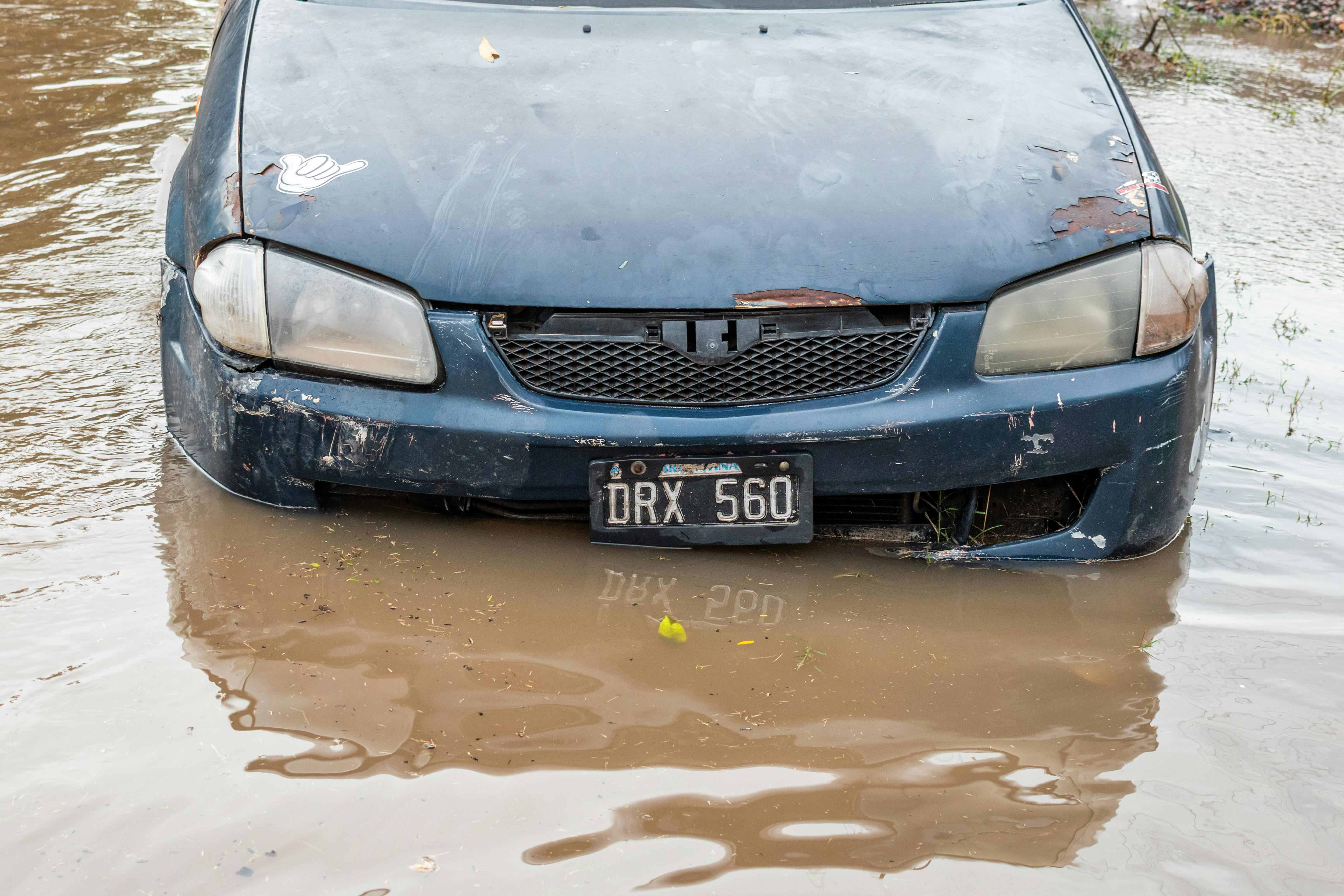
Core details and context
- Road access remains limited. Even when water is visibly lower, submerged pavement can hide washouts, shoulder collapse, and sinkholes.
- Homes may still be unstable. Water pressure against walls and floors can weaken foundations long after the surface level falls.
- Utilities can fail late. Electricity, gas, and water service issues often appear after the first drop, not during the peak.
- Health hazards linger. Mold starts fast. Contaminated water does not become clean because it looks calmer.
- Cleanup is delayed. Debris removal, pump-out work, and inspections often wait until the water falls enough to make access possible.
Here’s the kicker: “receded” sounds reassuring, but it can conceal the fact that the flooded zone is still dangerous. If the water is several feet high, then vehicles are still useless, emergency access may still be blocked, and basement flooding may continue beneath the surface. Residents often underestimate this because humans read visible change as moral progress. Nature does not care about that habit.
A few broader points matter here. First, flooding affects wealthy and poor households differently. A homeowner with savings can hire a remediation crew, replace appliances, and stay in a hotel. A renter or fixed-income family may be stuck with wet drywall and a long claim process. Second, local governments have to balance road reopening, rescue access, and contamination control. Third, public communication needs to be direct. Euphemisms waste time.
For context on recurring flood damage and why it keeps hitting budgets, compare this event with the broader storm recovery coverage in Reuters U.S. coverage, the latest flood reporting from The Associated Press flood hub, and NOAA climate and weather data at NOAA. The numbers usually tell a duller and more useful story than the press conference does.
The economic side also matters. When water remains high for days, the bill grows. Cleanup crews charge more. Supply chains get delayed. Small businesses lose inventory and foot traffic. Employers miss shifts. Schools face closures or sanitation problems. The human dignity issue is not abstract here. Work, shelter, and safe drinking water are basic goods, not luxury items to be restored whenever the paperwork catches up.
One more thing: Friday’s drop does not guarantee the trend will continue. River systems can rebound from upstream rain, ice jams, dam releases, tide effects, or clogged drainage. So the lower level is helpful, but it is not a victory lap.
Timeline and what actually happened
- Thursday: water remained elevated. Residents described severe inundation, with roads and surrounding areas still submerged. The problem was not just depth. It was duration. Once water sits for long enough, damage compounds.
- Overnight: water began to fall. By Friday, residents said the water had dropped about 2 feet. That is a meaningful shift, but it still left several feet in place. In flood response, the difference between 6 feet and 4 feet is huge for access, but not enough to declare safety.
- Friday morning: visibility improved, risks stayed. The water looked lower. People naturally took that as a sign that things were improving. They were right, to a point. But lower water can reveal hidden hazards—downed lines, sharp debris, displaced propane tanks, and structural damage.
- Friday daytime: response shifted from rescue to assessment. When I analyzed similar flood events, the same pattern kept showing up: emergency crews move from active rescue to damage review as soon as the water permits. That shift is not glamorous, but it matters. It is where officials decide which neighborhoods can be reentered, which homes need condemnation, and where contamination testing should begin.
- Next phase: cleanup and claims. This is where the real friction starts. Residents contact insurers, file federal or state aid requests, and wait for inspections. Some will face denial letters. Others will run into underinsurance. That is where a lot of headlines stop paying attention, even though the hardship has barely begun.
- Longer-term phase: rebuilding or relocation. The final chapter may take months. In repeated flood zones, some families rebuild, while others leave. Communities then confront a hard question about whether to keep repairing vulnerable areas or invest in drainage, buyouts, and higher standards.
I’ve seen the public appetite for flood stories fade right when the serious work begins. That is backward. The first day of receding water is not the end; it is the start of the accounting.

Comparison Table
| Factor | Current Flood Event | Typical Rapid Rainfall Competitor |
|---|
| Water movement | Receded about 2 feet, but still several feet high | Water falls quickly within hours |
| Immediate danger | High, due to standing water and hidden damage | High at peak, then drops faster |
| Cleanup timeline | Slow, because access remains limited | Faster, because roads reopen sooner |
| Health risk | Persistent contamination and mold risk | Often shorter exposure window |
| Utility impact | Prolonged outages and inspection delays | Shorter service disruption in many cases |
| Public perception | Easy to misread as “getting better” | Easier to identify as an active emergency |
Common misconceptions and what to know
The biggest myth is that lower water means low risk. It does not. It just means the danger is changing. People love a neat before-and-after story. Floods do not cooperate.
Another common mistake is assuming that if a street is visible again, it is safe to drive. Not necessarily. Water can undercut pavement, weaken culverts, and leave sharp objects buried in mud. A car can disappear into a washed-out shoulder faster than a driver can react. Frankly, that’s how a lot of secondary injuries happen.
A third misconception is that floodwater is only a property issue. Wrong. It is a public health issue. Stagnant water can breed mosquitoes, spread bacteria, and contaminate wells. If sewage overflow occurred, cleanup needs to be more careful and more deliberate. CDC guidance on cleaning up after a flood is worth reading before anyone grabs a mop and starts guessing.
A fourth myth is that federal aid automatically covers everything. It does not. Insurance, disaster declarations, homeowner policy limits, deductibles, and documentation all shape the final outcome. Many families discover too late that they were underinsured. That is not a moral failure, but it is a painful lesson in the difference between expectation and policy language.
The public often hears that “the water went down” and assumes the crisis is mostly over. Here’s the truth: the visible water is only one layer of the problem. Soil saturation, electrical damage, mold growth, road failure, and economic stress can all outlast the flood by weeks or months.
There is also a quieter moral point here. Flood response reveals whether communities care for neighbors they may never meet. Helping the elderly clear debris, checking on renters, supporting small businesses, and keeping water safe are not just practical tasks. They are expressions of justice. A society that forgets that gets cold in a hurry.
Frequently Asked Questions
What does it mean when floodwater recedes but still remains high?
It means the water level has dropped, but the area is still flooded and unsafe. Access may improve slightly, yet contamination, structural damage, and road hazards can remain serious.
Can you clean up after floodwater starts going down?
Yes, but only with caution. Wait for authorities to confirm it is safe to reenter if possible, wear protective gear, avoid electrical hazards, and document damage before discarding anything.
Is receding floodwater less dangerous than rising water?
Sometimes it is less immediately life-threatening, but not always less dangerous overall. Receding water can expose unstable structures, hidden debris, and contaminated surfaces that cause injury or illness.
How long does it take for a flooded area to become safe again?
There is no fixed timetable. It depends on water depth, contamination, building damage, drainage, and utility restoration. In some places, safety returns in days; in others, it takes weeks or longer.
Final thought
Friday’s lower water level is good news, but only in the narrowest sense. The physical flood has eased some, yet the deeper problems—damage, contamination, lost work, displaced families, and the slow grind of repairs—are still here. That is the part many reports skim past because it lacks dramatic footage.
The truth is plain. Receding water is not recovery. It is a pause between one kind of danger and the next. Communities now have to decide whether they will respond with discipline or drift. The disciplined path is less flashy: check on neighbors, protect drinking water, document damage, contact insurers, clear debris safely, and insist that public officials treat restoration as a duty, not a talking point.
I’ve seen enough disaster coverage to know this much: the people who recover best are not the ones who pretend nothing happened. They are the ones who face the wreckage without theater, then start rebuilding with patience and a sense that property is a trust, not a toy. That old idea still holds up. Take care of what has been given. Help your neighbor. Do the work. The water may be falling, but the responsibility has just begun.