The Fountainhead Antique Auto Museum is racing the clock.
The Fountainhead Antique Auto Museum is racing the clock.
Its move to the old K-Mart building at 3121 Airport Way is not just a relocation. It is a test of timing, money, logistics, and plain old manpower, and the tourist season is already knocking at the door. That matters because museums do not run on wishful thinking. They run on exhibit installs, climate systems, permits, parking, staffing, and the brutal arithmetic of deadlines.
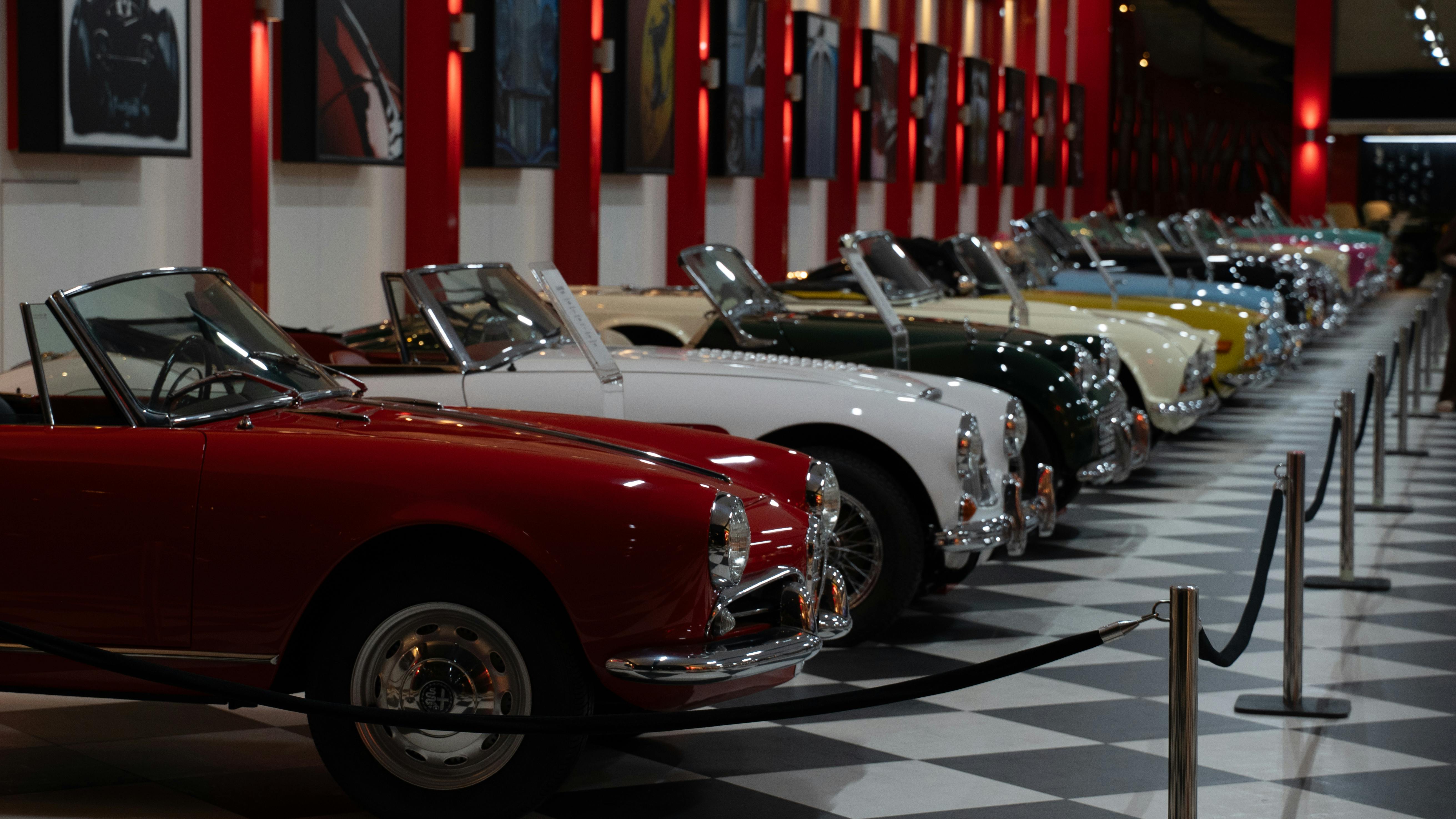
Key Takeaways:- The museum is shifting to a new home at 3121 Airport Way, the former K-Mart building.
- Preparations are under pressure as visitor traffic picks up for summer.
- The move affects exhibits, operations, and the museum’s role in Fairbanks tourism.
- Timing matters because missing the season means lost revenue and fewer visitors.
- The project is part preservation, part logistics, and part civic responsibility.
What is the Fountainhead Antique Auto Museum move?
The move is the museum’s transition from its former site to a larger or more workable space in the old K-Mart building on Airport Way. On paper, that sounds simple. It is not. Any museum relocation means safeguarding rare vehicles, protecting delicate artifacts, and rebuilding the public experience in a new shell, all while trying not to botch either the schedule or the budget.
I’ve covered enough public-facing projects to know that the visible part is the ribbon cutting. The hidden part is the scramble behind it. You’ve got exhibit cases, security systems, fire suppression, lighting, accessibility, and building retrofits. Add rare antique automobiles into the mix, and the margin for error gets thin fast.
Frankly, this is where good intentions meet concrete floors. The old K-Mart site may offer more square footage or a more flexible layout, but that does not mean it is ready-made for museum use. A retail box and a museum are different animals. One is built for turnover. The other is built for preservation, interpretation, and the long stewardship of objects that have cultural and historical value.
That stewardship angle matters. A museum is not a storage locker for pretty old things. It is a public trust. The vehicles on display are part of local history, industrial history, and working-class memory. They deserve more than a rushed setup and crossed fingers. The common good is served when institutions move carefully, even when the calendar snarls.
Here is the kicker: tourists do not care about internal delays. They show up when the season opens, not when the contractors finish. If the museum misses that window, the loss is not theoretical. It is foot traffic, admissions, store sales, and a missed chance to put Fairbanks history in front of people who came looking for Alaska in the first place.
Core details and context
The move touches more than one department at once. It is a business problem, a preservation problem, and a visitor-experience problem.
- Location matters. The old K-Mart building at 3121 Airport Way gives the museum a new physical footprint, but a footprint is not the same as functionality.
- Tourist season is the deadline. Summer brings the visitors, and visitors bring money. Miss that window, and the pressure compounds.
- Exhibit handling is delicate. Antique vehicles cannot be tossed onto a flatbed and hoped into place. They need careful transport, placement, and setup.
- Building conversion is expensive. Retail spaces often require serious modification before they can safely host museum pieces.
- Public expectations are high. People hear “new location” and assume readiness. That assumption is usually wrong.
Most news coverage loves a neat story about growth. The cleaner truth is that transitions can expose weak spots. Staffing shortages, contractor delays, supply bottlenecks, and permit issues rarely show up in the first announcement. They show up later, right when the public assumes the hard work is over.
When I analyze projects like this, I look at three things: time, fit, and load. Time is obvious. Fit means whether the building actually suits the museum’s needs. Load means whether the institution has enough people, money, and technical capacity to finish the job. If any one of those is off, the whole operation bends.
For readers tracking the broader Fairbanks tourism picture, this is not a small side story. Museums help anchor summer travel. They give families something to do between flights, road trips, and hikes. They also support nearby businesses. A museum that opens cleanly and on time adds value to the whole area.
If you want a wider frame on visitor demand and local business pressure, see related coverage of Alaska tourism trends, Fairbanks business updates, and museum preservation challenges.
Timeline and what actually happens in a museum move
- Planning starts first. The museum maps the new layout, measures the collection, and decides what can fit where. Sounds simple. It rarely is.
- The building gets adapted. Electrical work, climate controls, flooring, lighting, accessibility upgrades, and fire safety systems usually come before the public sees anything.
- Objects are packed and moved. Antique cars need careful handling, custom support, and a transport plan that respects fragile finishes and mechanical parts.
- Exhibit installation follows. This is where the museum becomes a museum again, rather than a warehouse of expensive boxes.
- Staffing and operations are reset. Ticketing, security, visitor flow, signage, and retail systems all need to work on day one, not day twenty.
- Public opening depends on readiness. A soft opening is better than a messy one. I’d take a delayed opening over a half-baked launch any day.
The usual public story skips the hard part. It says, “The museum is moving.” Sure. But who is coordinating the rigging? Who is verifying environmental conditions for the vehicles? Who is making sure the new space is actually accessible for families, seniors, and school groups? Those details are not glamorous, but they are the difference between a real institution and a pretty facade.
There is also a moral dimension here, modest as it may sound. Preserving cultural artifacts is a form of stewardship. It is the opposite of throwaway thinking. A community that respects its history tends to make better decisions about its future, because it understands that inherited things carry obligations, not just benefits.
That does not mean every delay is scandalous. It means the public should be wary of overconfident timelines. When a move collides with tourist season, optimism can become a liability.
Comparison table: new museum space vs. the old retail box that came before
| Factor | Fountainhead Antique Auto Museum at Airport Way | Traditional competitor: standard storefront attraction |
|---|
| Space needs | Large display areas, vehicle storage, visitor flow | Usually smaller, less flexible |
| Preservation demands | High, due to antique autos and artifacts | Lower, often focused on retail or simple exhibits |
| Build-out complexity | Significant retrofitting often required | Usually simpler conversion |
| Tourist-season pressure | Very high | Moderate to high |
| Community value | Strong heritage and education role | Often more limited cultural impact |
| Revenue sensitivity to timing | High | High, but usually less dependent on full exhibit readiness |
The comparison is not perfect, but it gets the point across. Museums have more moving parts than people think. A retail shell may look ready because it is big and empty. That is misleading. Empty is not ready.
Common misconceptions and what to know
A lot of people assume a museum move is mostly about transport. It is not. Transport is only one leg of the stool.
- Misconception 1: The building is the main issue. Not quite. The real issue is whether the building can be made suitable without draining the project dry.
- Misconception 2: More space automatically means success. Wrong. More space can become more cost, more delay, and more operational burden if it is not managed well.
- Misconception 3: The public opening date is just a PR detail. It is financial, operational, and reputational all at once. Missing the season hurts.
- Misconception 4: Museum work is purely cultural. It is also practical work. Payroll, heating, insurance, ADA compliance, and visitor safety are not side issues.
Let’s be real: people like the romance of old cars and polished chrome, but they do not always appreciate the grind that keeps such collections visible. The museum’s transition depends on the unromantic stuff—contracts, crews, permits, and patience.
I’ve seen enough public projects to say this plainly: deadline pressure can distort judgment. Teams start cutting corners, or they pretend a partial finish is a full one. That is when trouble begins. A museum, especially one tied to local identity and tourism, should resist that temptation. Good stewardship means finishing right, not merely finishing fast.
There is also a broader economic layer here. Museums do not just serve visitors. They support workers, suppliers, and nearby businesses. When they function well, they circulate value through a community. That is not sentimental talk. It is measurable.
Frequently Asked Questions
What is the Fountainhead Antique Auto Museum moving into?
It is transitioning to the old K-Mart building at 3121 Airport Way. The move appears to be a major shift in space and operations, likely meant to accommodate exhibits and visitors more effectively than the old setup.
Why does tourist season matter so much?
Because summer visitors bring admissions revenue, retail sales, and public visibility. If the museum is not ready when tourists arrive, the institution loses both money and momentum. Timing is not a small detail here.
What makes a museum move so complicated?
Rare vehicles, exhibit preservation, building retrofits, safety systems, and staffing all have to line up. A museum is not just a room with old stuff in it. It is a controlled environment with real technical demands.
Will the new location automatically improve the museum?
Not automatically. A better space can help, but only if the conversion is done well and the operations are ready. Bigger is not better by itself. Ready is better.
Final thought
This move will tell us more than whether a museum can shift buildings. It will show whether a community can protect something worth keeping while the calendar closes in. That is the real measure, and it is not glamorous. But then again, the things worth preserving rarely are.
The pressure now is not just to open doors. It is to open them well, with the cars safe, the visitors welcomed, and the work done in a way that respects both history and the people who come to see it. In a world that too often treats old things as disposable, that kind of care is not decorative. It is a duty.