Kids in Thurston County can get free summer meals. The program matters because hunger does not take school vacation, and local districts, libraries, and...
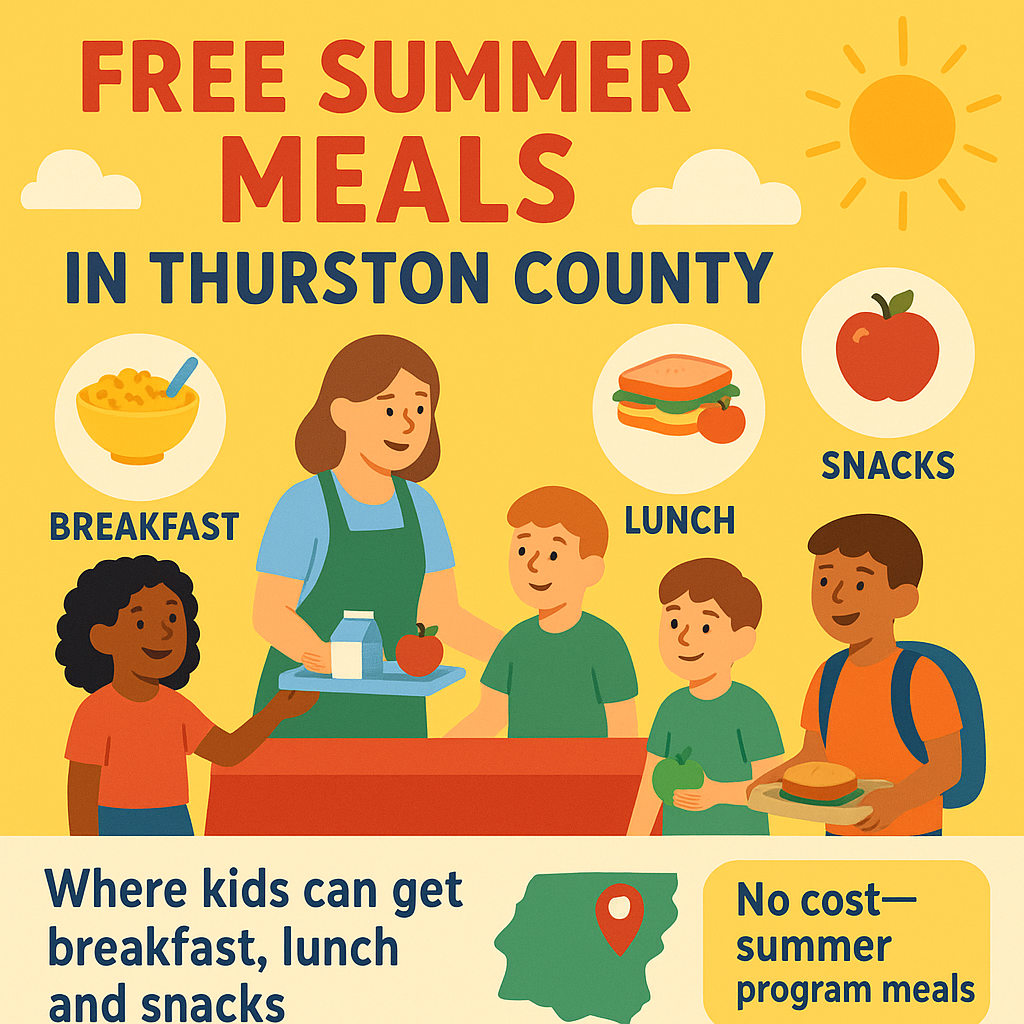
Kids in Thurston County can get free summer meals. The program matters because hunger does not take school vacation, and local districts, libraries, and community sites are filling the gap with breakfast, lunch, and snacks for children and teens. What sounds simple is really a public-health and common-good effort, built on federal meal rules, local staffing, and a plain recognition that children should not be left to improvise food security in July.
| Key Takeaways |
|---|
| Free meals are available for children and teens at approved summer sites in Thurston County. |
| Meals usually include breakfast, lunch, and sometimes snacks, depending on the site. |
| Programs are typically tied to federal summer nutrition funding and local school or nonprofit partners. |
| Families should check site hours carefully, because schedules can be picky and change by location. |
| Transportation, heat, and work schedules can make access harder than the brochure suggests. |
What is free summer meal access in Thurston County?
Free summer meal access is a federally supported nutrition service that helps children eat when school is out. In Thurston County, that usually means schools, parks, libraries, and other partner sites serve breakfast, lunch, and occasionally snacks to kids and teens at no charge. I’ve covered enough public programs to know the brochure version is neat, while the real version depends on staffing, delivery routes, site eligibility, and whether parents can physically get there on time.
The point is plain. Children need food every day, not just during the school year. That sounds obvious, but policy debates often dress it up with jargon and miss the human reality: a hungry child does worse in play, reading, and everything else. Frankly, it is hard to argue against a program that keeps a kid fed and preserves dignity at the same time. That is stewardship, not charity theater.
Most summer meal programs are designed around federal rules, then implemented locally by school districts or service partners. In Washington, these efforts are often connected to the U.S. Department of Agriculture’s summer nutrition programs, which reimburse sites for qualifying meals. The structure is old, the need is not. Families can find USDA summer food program information and compare it with local announcements from districts and libraries.
The truth is, free meals do not solve poverty. They do, however, reduce one pressure point. That matters. A county does not become healthier or more stable by accident; it gets there through small, disciplined acts of public responsibility, which is why summer food service deserves more attention than it usually gets.
Core details and local context
Here is the kicker. Summer meal access looks uniform on paper, but local details decide whether families actually use it.
- Who can get meals: Most sites serve anyone 18 and under, though some locations may have specific rules or age cutoffs. Adults generally are not eligible for free child meals.
- What is served: Breakfast, lunch, and in some cases snacks. Menu quality varies, but the basic mission is calories, protein, dairy or alternatives, grains, and fruit or vegetables where required.
- Where meals are offered: Typical sites include schools, libraries, parks, and community centers. In Thurston County, that mix matters because not every family lives near the same transit line.
- When meals are offered: Site times are strict. Miss the window and you miss the meal. That is not cruelty; it is how food service logistics work.
- Why it exists: Hunger rises when school cafeterias close. The program reduces that gap, especially for lower-income families and households juggling work hours, childcare, and gas prices.
- How to find a site: Families often use school district listings, county service pages, or statewide meal locator tools. The USDA Summer Meals Site Finder remains the obvious first stop.
Everyone talks about access, but few talk about friction. A site may be free and still effectively out of reach if a parent is working a split shift, if a bus route is inconvenient, or if a child needs help traveling. That is why program design matters as much as program funding.
When I looked at summer meal reporting over the years, one pattern kept repeating: officials celebrate participation, then quietly admit that transportation and awareness are the real bottlenecks. That is not cynicism. It is a correction to the polished story.
Local schools and nonprofits also play a practical role in building trust. Parents are more likely to use a site if it is connected to a known school, library, or neighborhood center. In that sense, the program is as much about community credibility as it is about food.
Timeline and how the summer meals program works
The process is simple in theory and a little messy in practice.
- Federal guidance is set first. The USDA and related agencies establish the rules that govern reimbursement, eligible meals, and site participation.
- Local sponsors sign up. School districts or nonprofits become sponsors and arrange staffing, supply chains, and delivery schedules.
- Sites are approved. Schools, libraries, parks, and other locations are cleared to distribute food under the program rules.
- Families are notified. Public notices, district websites, flyers, and social posts are used to spread the word.
- Meals are served daily. Sites distribute breakfast, lunch, and snacks according to posted hours, usually on weekdays.
- Participation is tracked. Sites document meals for reimbursement and compliance. Nothing glamorous here, just paperwork and food counters.
- Adjustments happen midseason. Attendance, staffing, weather, and supply issues can change what a site can realistically serve.
I have seen readers assume a program like this is automatic. It is not. Sites need people, food, refrigeration, reporting, and a steady line of communication. If one piece slips, the service can wobble.
The practical lesson is this: parents should not wait until the first empty fridge moment to look up a location. Check hours early. Confirm dates. Bring the kids on time. If a site closes for a holiday or runs a shorter schedule, that is the kind of thing that catches families flat-footed.
There is also a broader civic point. Communities that can feed children in summer are practicing a form of orderly mercy, and yes, that phrase sounds old-fashioned because it is. But old truths stay true. A society that treats children as an afterthought is making a bad bargain.

Comparison table: summer meals vs. school-year lunch
| Feature | Summer meal sites in Thurston County | School-year lunch programs |
|---|
| Availability | Usually weekdays during summer break | Every school day in session |
| Location | Schools, libraries, parks, community sites | School cafeterias |
| Access | Children and teens must travel to the site | Students already on campus |
| Menu structure | Breakfast, lunch, and sometimes snacks | Usually lunch only, plus breakfast in some schools |
| Administration | Local sponsors under summer nutrition rules | School nutrition departments under school-year rules |
| Main challenge | Transportation and awareness | Line speed and staffing |
| Biggest benefit | Bridges the food gap when school is closed | Integrates meals into the school day |
The comparison makes the gap obvious. School-year lunch is built into the routine; summer meals require families to take the extra step. That extra step is often where policy meets reality.
The better comparison, frankly, is not between one meal and another. It is between children eating and children missing meals. That is the real measure.
Common misconceptions and what to know
A lot of sloppy thinking circles around summer meal programs. Let’s clear some of it out.
Misconception 1: Only very poor families use these sites.
No. Families across income levels may use them when schedules are tight or food costs bite. The fact that a program helps lower-income households does not mean others never need it.
Misconception 2: If the meals are free, the program must be easy to access.
Not necessarily. Free does not mean convenient. A location can still be too far away, too hot to reach on foot, or open at times that clash with work or childcare.
Misconception 3: Summer meals are a handout with no public value.
That is lazy thinking. Children who eat regularly are better positioned to learn, play, and stay healthy. The public gets a return in reduced stress on households and better developmental outcomes.
Misconception 4: Snack service is minor.
Not really. For some kids, snacks bridge the long stretch between meals. That gap matters more than the menu copy suggests.
Most coverage of hunger treats it like a dramatic emergency, then vanishes once the headline cycle moves on. The quieter truth is that steady food access is what keeps families from falling into crisis in the first place. Prevention is less flashy than rescue, but it is usually cheaper and more humane.
I also think people underestimate how local these programs are. State and federal rules matter, sure, but so does whether a librarian hands a parent the right flyer, whether a school office updates its website, and whether a district’s transportation plan actually reaches the families it says it serves.
If you are a parent or caregiver, the practical move is straightforward: verify the current site list, confirm hours, and ask whether breakfast, lunch, or snacks are available that day. Summer schedules change. That is just how it is.
Frequently asked questions
Who qualifies for free summer meals in Thurston County?
Most sites serve children and teens 18 and under, though rules can vary by location. Adults usually are not eligible for the free child meal portions.
Do families need to apply?
Usually no application is needed at open summer meal sites. Families simply show up during posted service hours.
Are breakfast, lunch, and snacks all available everywhere?
Not always. Some sites offer all three, while others only provide one or two meals. Check the posted schedule before leaving home.
Where should families check for the latest site list?
Start with the USDA Summer Meals Site Finder and local school district or county announcements. Those sources are updated more reliably than social media chatter.
The real story here is not that free meals exist. It is that Thurston County, like many places, is trying to do something basic and necessary with limited time, limited staff, and a lot of public need. That is not glamorous. It is better than glamorous. Food on a child’s plate is one of the few news items that still deserves to be called common sense, and common sense, after all, is a civic virtue worth keeping.