The old Olympia-to-Tacoma railroad corridor still shapes local decisions. It began as freight rail, then became trail and planning leverage, and now it sits at...
The old Olympia-to-Tacoma railroad corridor still shapes local decisions. It began as freight rail, then became trail and planning leverage, and now it sits at the center of a familiar fight: transportation, land use, and who gets to decide what counts as public value.
Key Takeaways
- The corridor was first built for rail service, not recreation.
- The rail-to-trail conversion reflects a broader Washington pattern.
- Transportation planning here is about access, safety, and future land use.
- Competing claims often ignore the tradeoffs: mobility, cost, and long-term control.
- Stewardship matters; public assets should serve the common good, not just the loudest faction.
What is the Olympia-Tacoma rail corridor?
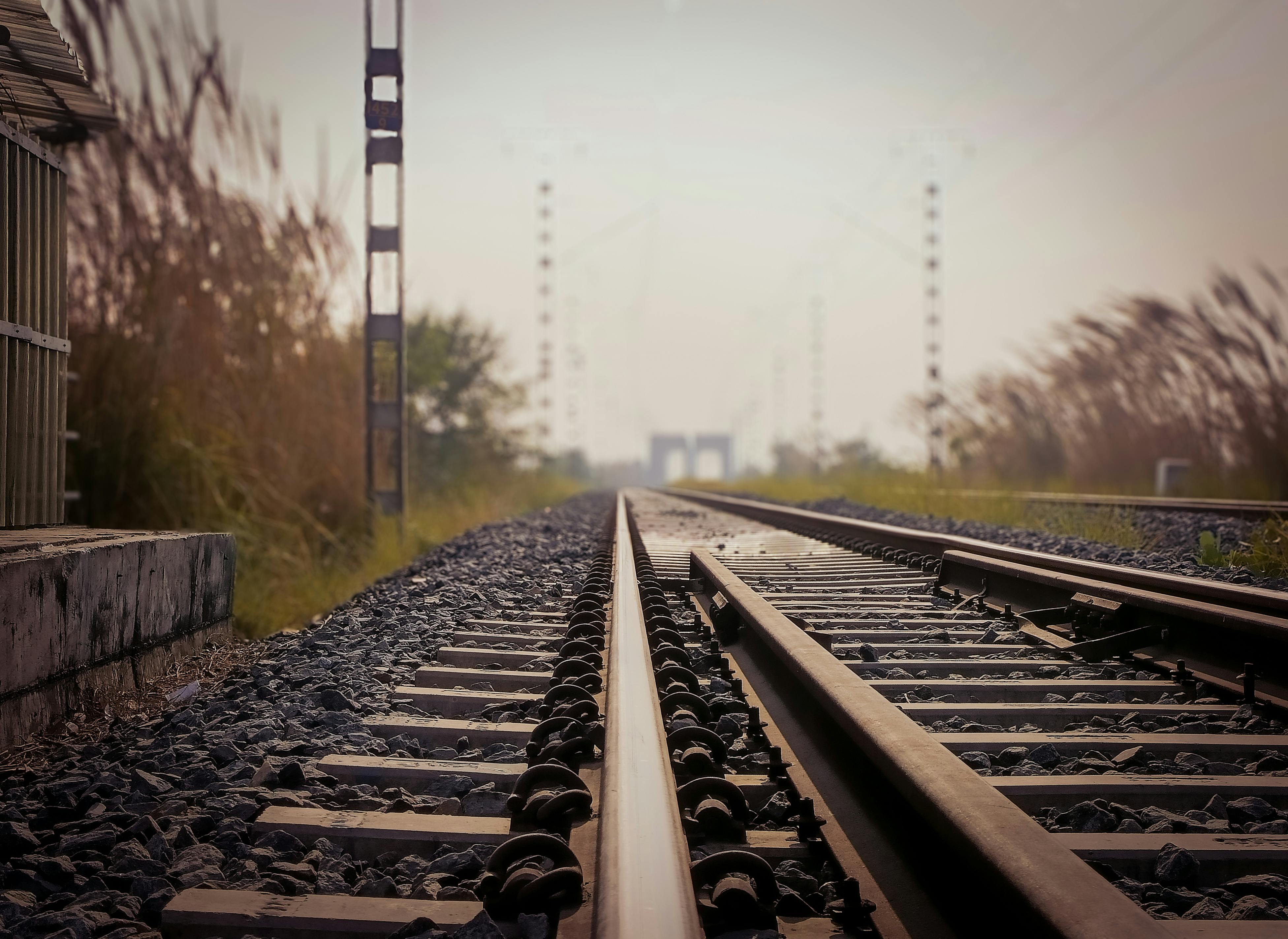
It is a former railroad route that once linked Olympia and Tacoma, later repurposed in part for trail use and regional planning. The Thurston Regional Planning Council’s reminder is plain enough: before people biked it, walked it, or argued over it, the ground carried trains, freight, schedules, and the hard economics of railroads.
That matters. A corridor is not just a strip of land. It is a record of old decisions, current politics, and future bets. I’ve covered enough local transportation disputes to know this: people talk as if trails appear by magic, but they usually come from abandoned infrastructure, legal agreements, and a stack of public meetings nobody enjoys.
Here’s the kicker. Once a rail line is gone, the rights-of-way do not stop being valuable. They become more contested. One side sees recreation and safety. Another sees lost freight capacity or a missed transit option. Both may be right in part. The problem is that public debate often treats these choices like moral absolutes instead of tradeoffs involving money, access, and stewardship of shared resources.
In practical terms, the corridor is part of the same national story seen in rail-trail conversions across the country. Washington has several examples, including the Chehalis Western Trail, where a former rail line became a paved path used by commuters, families, and seasonal visitors. The details differ, but the pattern is familiar: rail departs, trail arrives, and the land never stops being politically useful.
The old line also raises a harder question. What should a community do with inherited infrastructure when the original use no longer dominates? That is not a technical issue alone. It is a question of justice, prudence, and who benefits from public planning.
Core Details and Context
- The corridor originally supported rail movement between Olympia and Tacoma.
- It reflects a period when railroads were central to commerce, timber, and regional growth.
- Later uses shifted toward trail and open-space planning as rail demand changed.
- Local agencies now treat the corridor as part of a broader transportation and land-use system.
- Public discussion tends to split between preservation, recreation, and redevelopment.
Most coverage flattens the argument. That is lazy. The truth is, this corridor sits at the intersection of several real-world pressures:
- Transportation efficiency: Rail corridors can still matter for freight, passenger service, or emergency planning.
- Public access: Trails expand low-cost mobility, especially for people who do not drive much.
- Urban growth: As Olympia and Tacoma grow, old rights-of-way become strategic assets.
- Cost and liability: Maintaining a rail line, trail, or mixed use all carry different bills and legal burdens.
- Community identity: People project values onto the corridor because it represents history, continuity, and place.
When I analyze disputes like this, I usually find that the loudest arguments are not the most durable ones. A trail can be a public good. A rail option can also be a public good. But public officials have to count actual demand, not nostalgia dressed up as policy.
That is where regional councils come in. They do not just file paperwork. They decide what gets preserved, what gets repurposed, and what gets forgotten. In Catholic social thought terms, that is stewardship in the plain sense: use what exists wisely, protect human dignity, and avoid wasting shared goods on vanity projects.
The corridor also fits Washington’s broader transportation tension. Roads are congested. Transit is uneven. Freight needs reliable lanes. Trails offer health and safety benefits. No single answer covers all of that. Frankly, anyone claiming otherwise is selling something.
Sources worth reading include the Washington State Department of Transportation’s rail-related planning materials at WSDOT rail information and local trail planning documents from county agencies. For regional context, the Thurston Regional Planning Council’s own publications are the best starting point because they show how local officials frame the corridor’s past and present.
Timeline and Step-by-Step
- Rail era begins.
The corridor served as a railroad link between Olympia and Tacoma, moving goods and supporting regional commerce. - Rail use declines.
As transportation patterns shifted, rail traffic no longer dominated the line. - Rights-of-way become contested.
Once service faded, the corridor’s legal and physical status became a planning issue rather than a pure transportation asset. - Trail conversion gains support.
Local and regional actors pushed for public access, recreation, and alternative transportation. - Planning bodies weigh options.
Agencies such as the Thurston Regional Planning Council assess land use, safety, connectivity, and long-term regional needs. - Public debate hardens.
People argue over whether the corridor should remain trail, return to rail, or support some hybrid future.
I’ve watched this pattern before. First comes underuse. Then comes a flood of claims about what the corridor “really” should be. Then politics arrives. It always does.
The important thing is that the timeline is not just history. It determines legal status, funding eligibility, maintenance obligations, and future flexibility. Once a corridor is converted, restoring a rail use later is expensive and politically difficult. That is why planners treat these decisions as long-term commitments, not temporary fixes.
Comparison Table
| Feature | Olympia-Tacoma Corridor as Trail | Hypothetical Rail Reuse |
|---|
| Primary use | Recreation and active transportation | Freight or passenger movement |
| Public access | High for walkers and cyclists | Limited and controlled |
| Cost to maintain | Lower than active rail in many cases | Higher due to infrastructure and safety requirements |
| Mobility impact | Useful for local trips and health | Better for heavier transport needs |
| Community tradeoff | More open access, less heavy transport value | More transport capacity, less public access |
| Political difficulty | Easier to justify once established | Harder due to funding and permitting |
| Long-term flexibility | Moderate, depending on easements | Strong for transport, weak for open access |
The table shows the real tradeoff. Not everyone will like it. Tough luck.
If the corridor functions as trail, the public gets access, quiet mobility, and a visible piece of history. If it returns to rail, the region gains transport capacity, but at a much steeper cost and with less public reach. That is not a moral puzzle; it is a policy choice with winners and losers.
Common Misconceptions and What to Know
- A trail is not “wasted” rail land.
That claim sounds clever and usually isn’t. If rail demand is gone or uncertain, public access can still be a legitimate use. - Rail-to-trail projects erase history.
Not necessarily. In many cases they preserve the corridor’s shape, route, and memory while giving it a new function. - The corridor can be judged only by today’s use.
Wrong. Historic rights-of-way carry future option value, and that is why planners care. - Local opposition means the project failed.
Not always. Public works almost always create friction, especially where land, traffic, and identity collide. - A trail settles the matter forever.
Usually not. Land use politics has a way of coming back, especially when population growth, transit planning, or freight needs change.
Everyone talks as if these debates are settled by slogans. They are not. They are settled by law, funding, engineering, and the unglamorous work of public administration.
The deeper point is moral as much as practical. A corridor should serve the common good, not a tribe of insiders. If a trail improves safety, that matters. If a rail option would better serve regional commerce, that also matters. A decent public process should be honest about both.
Frequently Asked Questions
What was the Olympia-Tacoma corridor originally used for?
It was originally a railroad corridor linking Olympia and Tacoma for freight and regional rail service.
Why was it turned into a trail?
As rail use declined, local planners and agencies saw value in public access, recreation, and active transportation.
Can the corridor ever be used for rail again?
In theory, some corridors can be reconsidered, but the cost, legal status, and political hurdles usually make that difficult.
Why does this corridor matter now?
Because it affects transportation planning, land use, and how the region uses scarce public infrastructure.
Old corridors have a habit of exposing modern habits. They show whether a community can think past the next election and treat public assets with discipline instead of sentiment. That is the real issue here. Not nostalgia. Not slogans. Just whether Olympia, Tacoma, and Thurston County can make a hard choice that serves people fairly, keeps options honest, and respects the value of what was built long ago.