Gray whale deaths along Washington’s coast are rising. The cause is not mystery, not really. Scientists point to a hard chain of events in the...
Gray whale deaths along Washington’s coast are rising. The cause is not mystery, not really. Scientists point to a hard chain of events in the Arctic—warming seas, shifting sea ice, fewer bottom-dwelling prey, and hungry whales forced into riskier feeding patterns that end badly. Gray whales are not just dying from bad luck; they are responding to a food system that is breaking under climate stress.
Key Takeaways
- Gray whale mortality on Washington’s coast has climbed in recent years.
- Researchers link the problem to Arctic ecosystem change and reduced prey.
- Climate-driven shifts in sea ice and ocean conditions are altering whale foraging.
- Washington’s shoreline is a visible endpoint of a much bigger ocean problem.
- The issue raises questions about stewardship, wildlife management, and coastal monitoring.
What is happening here? Gray whales, especially the eastern North Pacific population that migrates past Washington, rely on dense prey in Arctic and sub-Arctic feeding grounds. When those feeding grounds weaken, whales enter migration underfed. They travel south, lose more energy, and arrive with less margin for error. Some strand. Some wash up dead. Some simply fail to recover. Frankly, that is what starvation looks like in the wild: quiet, slow, and ugly.
Most news coverage treats this as a sad wildlife story. It is bigger than that. It is a food-web failure, and food-web failures do not stay neatly in one place. They move through migration routes, fisheries, shorelines, and local economies. They also expose a blunt moral fact: when humans alter the conditions of creation, the weakest creatures pay first. That is not poetry. It is policy reality.
When I looked at the recent reporting and scientific summaries, one thing stood out. The whales are not failing to adapt because they are weak. They are hitting a hard limit because the prey they evolved to find is no longer where it used to be, or not in the same amounts. In other words, this is not a problem of individual whale behavior alone. It is a systems problem, and systems problems demand sober analysis, not clichés.
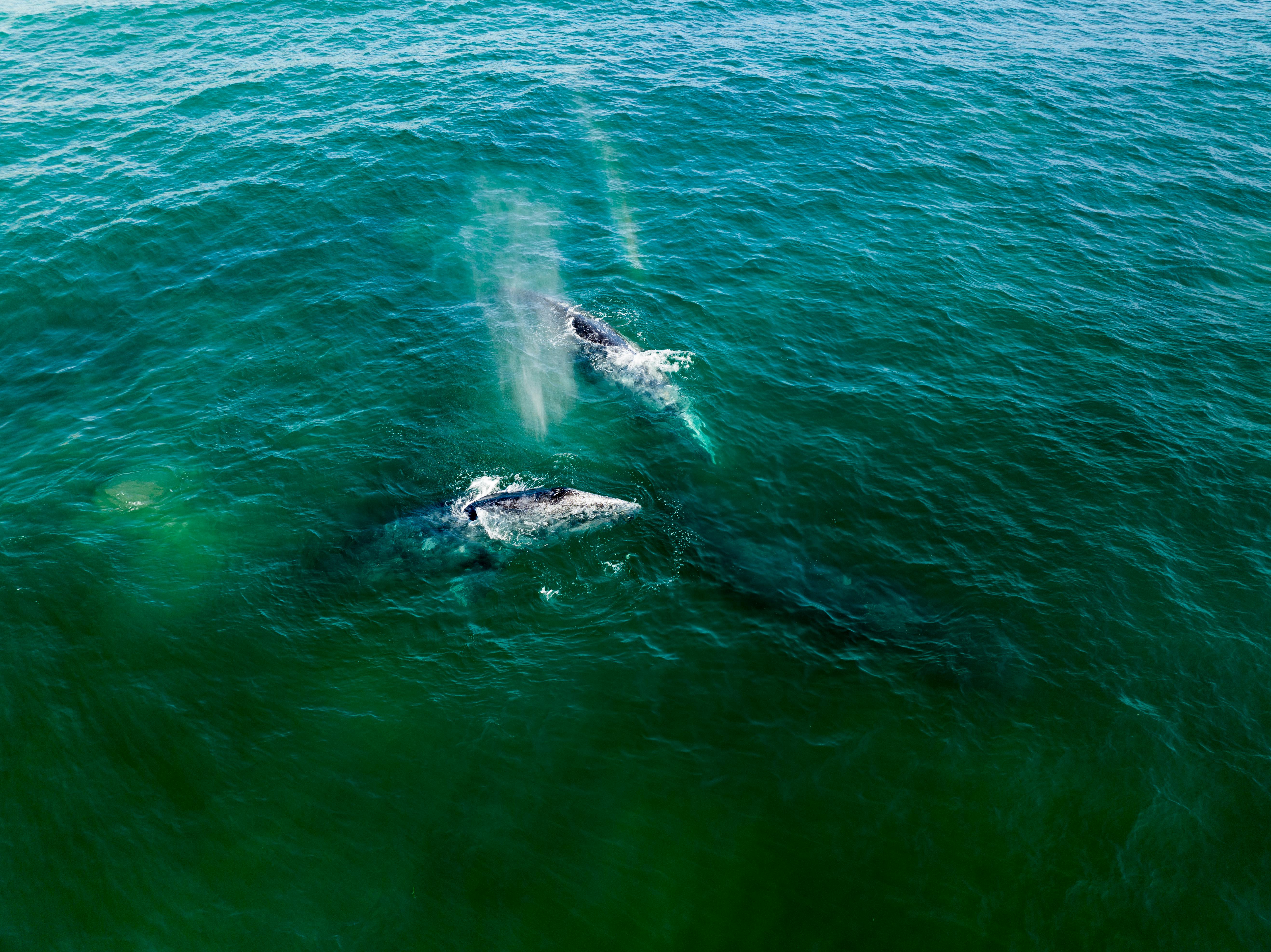
A few facts matter. Gray whales feed heavily in northern waters during the summer, then migrate south along the Pacific coast. Their body condition depends on how much food they can pack in before that long trip. Arctic warming, shrinking sea ice, and changes in benthic habitat can reduce amphipods and other prey whales depend on. Washington’s coast then becomes one of the places where that stress shows up in the most visible way: carcasses, strandings, and worried observers.
Here’s the kicker. The deaths are not just about whales. They are a signal. They tell us the North Pacific is changing in ways that hit animals with long migration routes first and hardest. That should matter to anyone who cares about fisheries, coastal resilience, and the common good—not as a slogan, but as a duty to manage shared resources without pretending the bill will never arrive.
What is Gray Whale Deaths Along Washington’s Coast?
This is a pattern of increased mortality among gray whales observed along Washington state’s coastline, tied in part to worsening conditions in the whales’ Arctic feeding habitat. The story is not one isolated strandings event. It is a repeated signal across seasons. Scientists and wildlife officials have tracked thinner whales, more unusual feeding behavior, and more carcasses in a region where these animals traditionally pass during migration.
I’ve covered environmental reporting long enough to know that the first mistake is making everything sound sudden. It rarely is. Gray whale deaths along Washington’s coast are the visible edge of a long process: ocean warming, altered sea ice, prey shortages, and a stressed population pushed toward the margin. The whales are not merely “showing up dead.” They are arriving in poor condition, and poor condition gets punished by migration, predators, disease, and storms.
The whales most discussed in this context belong to the eastern North Pacific gray whale population, which historically recovered from whaling but now faces new pressure. Recovery from one human-caused disaster does not grant immunity from the next one. Nature does not sign waivers.
Scientists focus on several linked mechanisms:
- Arctic warming changes sea ice and seafloor productivity.
- Prey decline reduces the calorie intake whales need.
- Lower body fat makes migration and breeding more dangerous.
- Stranding risk rises when exhausted whales enter shallow coastal waters.
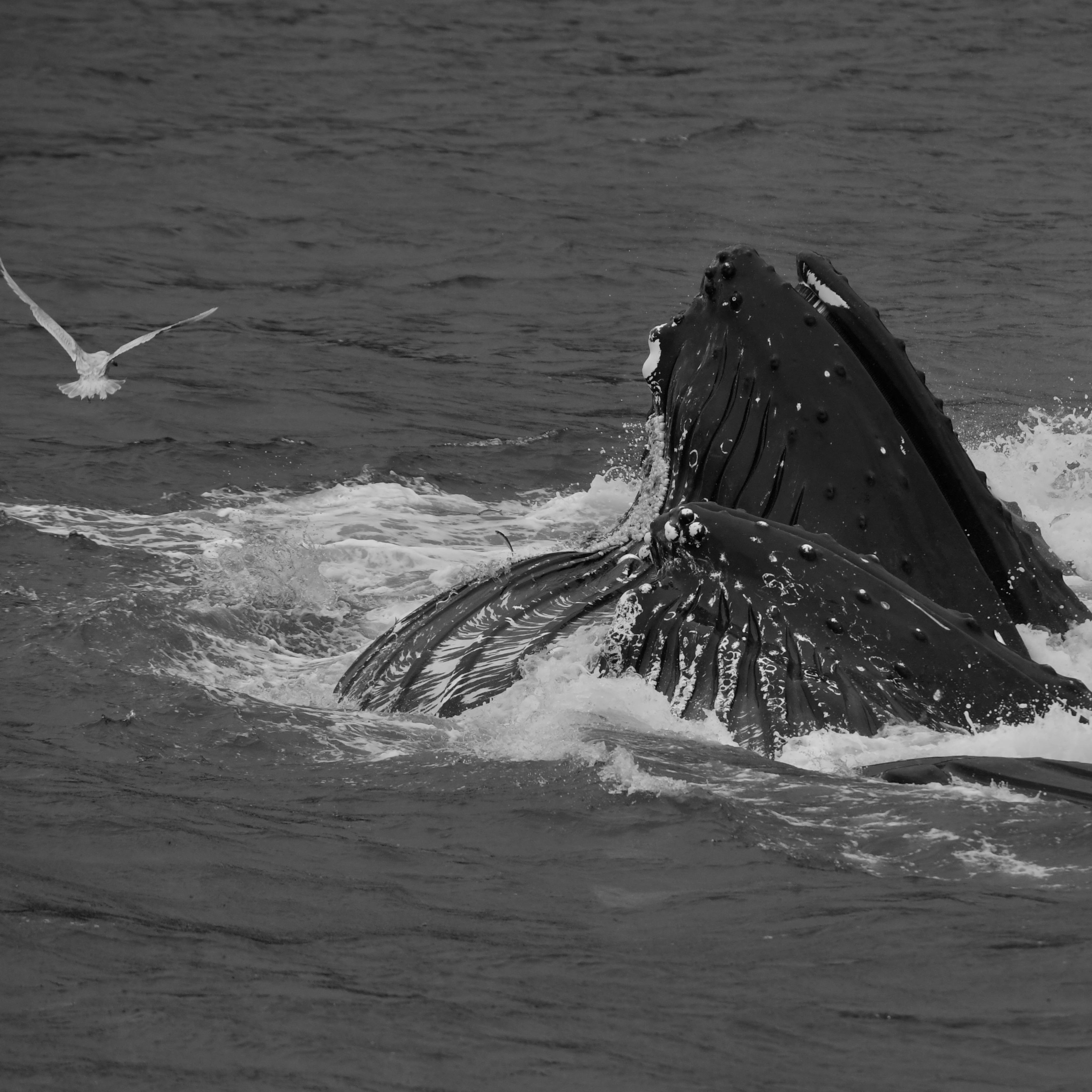
The question is not whether climate change matters. It plainly does. The real question is how fast habitat changes are outpacing the whale’s ability to adapt, and whether monitoring can catch the warning signs early enough to matter.
Washington matters because it sits along the migration corridor. It is not the root cause, but it is where consequences become countable. Scientists, state wildlife officials, and marine mammal observers use the coast as an inspection point for the health of a much wider system. That is why a carcass on a beach can tell you something about the Arctic ice edge months earlier. Strange, but true.
Core Details and Context
The problem has several moving parts, and no single headline captures them all. So let’s put the pieces in plain English.
- Food supply is the center of the story. Gray whales feed by vacuuming benthic organisms—tiny animals living in seafloor mud. If those prey populations drop, the whales lose calories fast.
- The Arctic is warming faster than many other regions. Less sea ice changes sunlight, water mixing, and seafloor conditions, which can shift where prey lives.
- Migration is expensive. A whale that leaves the Arctic underfed has to burn reserves on the way south and again on the way north.
- Washington’s coastline records the fallout. Dead whales strand there, making the state a kind of grim ledger for ocean stress.
- Recovery is not automatic. Some whale populations can rebound after a bad year, but repeated bad years strain the whole system.
Most commentators miss the awkward part: not every gray whale death can be tied to a single cause. Some carcasses result from vessel strikes, entanglement, disease, or predation. But when the number of deaths rises across a population and body condition declines, scientists look at the bigger driver behind the scenes. That driver, increasingly, is food scarcity linked to Arctic change.
There is also a timing problem. The whales rely on seasonal abundance. If prey arrives late, shifts location, or becomes patchy, the whale’s feeding window narrows. A short window is bad enough. A shorter one is worse. And a shorter one in a warming ocean is worse still.
The truth is, these whales are doing what their biology tells them to do. They migrate. They feed. They return. That routine worked for a long time. But routine is only as good as the conditions supporting it. When the Arctic seafloor stops delivering the same biomass, the whole migration equation starts to wobble.
There’s a broader policy angle too. Wildlife agencies can monitor strandings, fund surveys, and improve reporting. Useful, sure. But monitoring is not the same as fixing the cause. It is a measure of the wound, not the cure. If we care about stewardship in any serious sense, then long-term ocean warming and coastal habitat protection can’t be treated as separate silos. They’re one problem wearing different hats.
Timeline and Step-by-Step
- Arctic warming accelerates. Ocean temperatures rise, sea ice retreats, and seasonal patterns shift. That changes the base conditions for marine life.
- Prey habitat weakens. Gray whale food sources, especially benthic organisms, are affected by changes in sediment, ice cover, and productivity. Food becomes less dense and harder to find.
- Whales enter migration undernourished. They leave feeding grounds with fewer energy reserves, which is a bad setup for a long migration and breeding cycle.
- Stress compounds during travel. Exhausted whales face ship traffic, entanglement risk, storms, and shallow water hazards along the Pacific coast.
- Stranding and mortality increase. Washington becomes one of the places where the outcome is documented, measured, and mourned.
I’ve seen plenty of environmental stories get flattened into a single cause-and-effect sentence. That usually means the reporter has skipped the hard part. Here, the hard part is the sequence. Each step weakens the next. Remove enough food, and the animal’s options collapse.
- Scientists compare body condition and counts. They look at the health of stranded whales, compare annual mortality, and correlate it with Arctic conditions. This is not guesswork. It is field biology, messy but methodical.
- Managers respond cautiously. Wildlife officials may adjust monitoring, public messaging, and response protocols, but they cannot command the ocean to behave.
- The public sees the result, not the root. People find dead whales on beaches and assume local causes only. That is understandable. It is also incomplete.
Here’s the kicker: the visible event is often the last event, not the first one. The whale on the beach is the end of a long accounting process that started with Arctic heat, not with a shoreline. That matters because responses based only on the last event are usually too small.
Comparison Table
| Factor | Gray Whales Along Washington Coast | Biggest Parallel Threat: Localized Entanglement/Ship Strike |
|---|
| Main driver | Arctic prey decline and climate stress | Human conflict in coastal waters |
| Geographic origin | Northern feeding grounds, then migration corridor | Washington and broader Pacific shipping routes |
| Speed of impact | Slow, cumulative, seasonal | Sudden, acute, often immediate |
| Best response | Climate monitoring, habitat research, long-term ocean policy | Vessel management, gear changes, enforcement |
| Visibility to public | Strandings and carcasses | Witnessed collisions or entanglements |
| Root problem | Ecosystem change over large distances | Direct local interference |
| What it says about policy | Long-term stewardship is overdue | Safety rules need real teeth |
The comparison matters because people keep mixing up the symptom and the cause. Yes, local hazards matter. No one is pretending otherwise. But the growing death pattern described by researchers points to a wider food-web issue. If the Arctic feeding grounds fail, the migration corridor inherits the damage. That is the part too many headlines skip.
And let’s be real, the ocean does not respect state lines, news cycles, or tidy agency mandates. If one jurisdiction treats the problem as local while the cause is regional, nothing improves. Shared waters demand shared responsibility.
Common Misconceptions and What to Know
One common claim is that the deaths prove gray whales are simply declining for mysterious reasons. That is sloppy. Scientists have enough evidence to say the problem is strongly linked to changing feeding conditions, even if individual deaths can have multiple causes.
Another myth is that strandings always mean disease. Sometimes they do, sometimes they don’t. A whale can be healthy enough to move and still be fatally undernourished. Starvation is not always dramatic. It can look like weakness, then failure, then death. That’s the ugly truth.
A third misconception is that local beach reports tell the whole story. They do not. Washington is a monitoring point, not the source of the crisis. The source lies in the Arctic system, where warming changes the food base. Most people want a local answer because local problems feel manageable. This one is bigger. Much bigger.
A fourth mistake is assuming the whales will simply “adjust.” Some animals shift ranges quickly. Gray whales have some flexibility, yes, but not magic. Evolution is not a hotline to instant repair. If food disappears faster than the species can adapt, mortality rises. Simple as that.
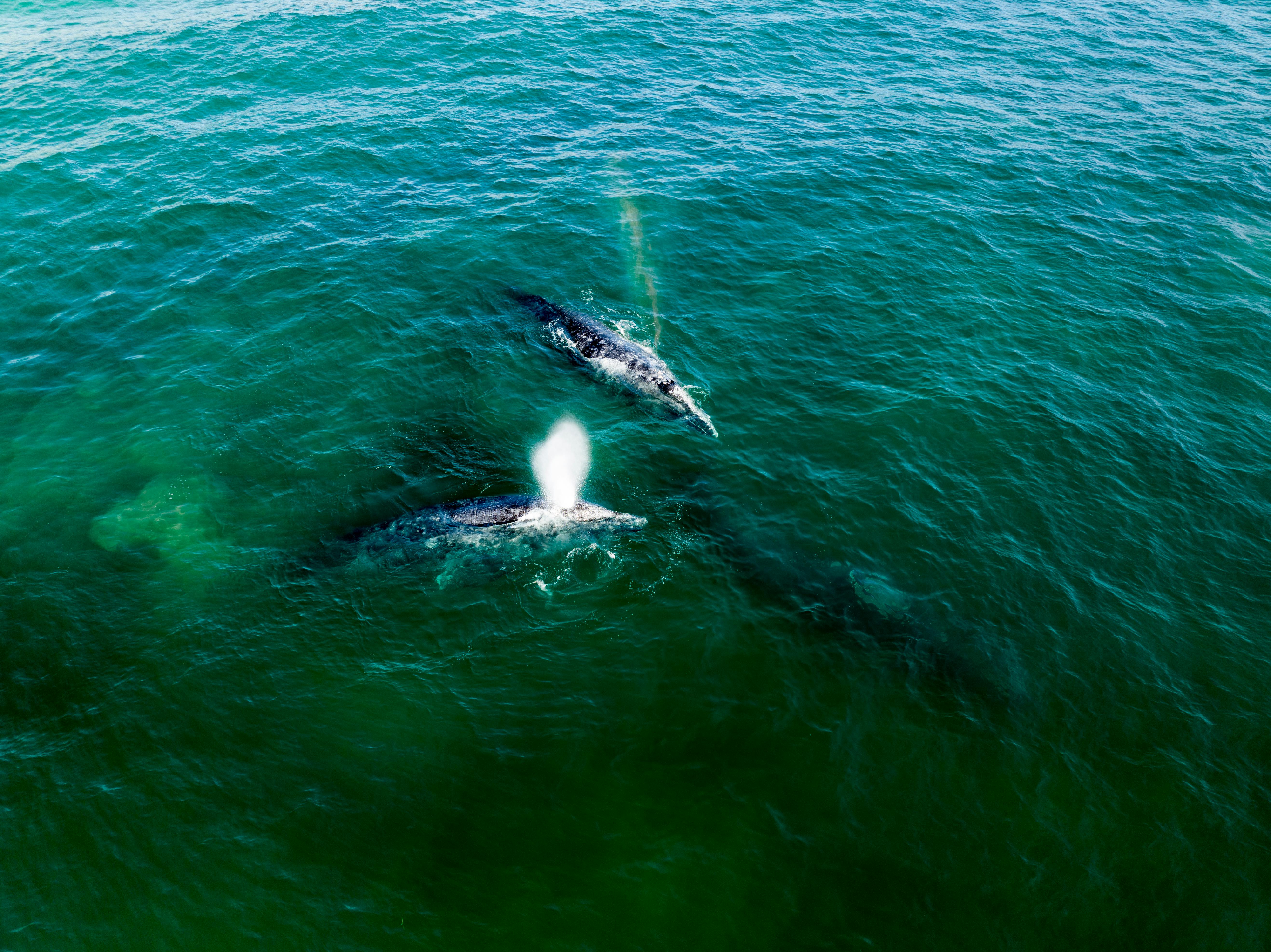
I also want to push back on the usual headlines that make climate impacts sound abstract. They are not abstract to a whale that has to travel thousands of miles on an empty tank. Nor are they abstract to coastal communities that spend money on carcass response, monitoring, and ecological damage. Stewardship is not a church word here; it is a practical one. If you use a resource, you have obligations toward it.
People also assume only whales matter. That is too narrow. Gray whales are part of a larger marine system that includes prey species, seabirds, fisheries, and coastal ecosystems. When one species signals stress, others often feel it too. Nature does not work in single-file lines.
Frequently Asked Questions
What is causing the gray whale deaths along Washington’s coast?
The leading concern is a shortage of food in Arctic feeding grounds, driven by climate-related changes in sea ice and ocean conditions. Individual deaths can have multiple causes, but the broader pattern points to poor body condition from reduced prey availability.
Are all gray whale strandings caused by starvation?
No. Some strandings involve vessel strikes, entanglement, disease, or other factors. But when mortality rises and whales are consistently thinner, scientists look first at food stress and habitat change.
Why does Washington see so many dead whales if the problem starts in the Arctic?
Because Washington sits along the migration route. The state is one of the places where stressed whales pass through, and some die or strand there after leaving northern feeding areas in poor condition.
Can gray whales recover from this?
They may recover if feeding conditions improve and mortality drops, but repeated years of food stress make recovery harder. The more often the system fails, the less margin the population has.
The hard part is not noticing dead whales. Anyone can do that. The hard part is admitting that the death on the beach is tied to warming seas far away, to food webs that do not show up in campaign slogans, and to a duty we have not taken seriously enough. If we claim to value life, then we have to count the costs honestly, even when the numbers are inconvenient.
This is where the story becomes more than marine science. It becomes a test of whether public institutions can think beyond the next press release, whether coastal management can be honest about climate pressure, and whether people can accept that stewardship means more than admiring nature from a distance. The gray whale does not need a speech. It needs a functioning feeding ground, and that depends on decisions we make now—not later, not after the next strandings report.
The ocean has been making its case for years. Most of us just weren’t listening closely enough.