Commercial fishing nets are being adapted for wartime use in Ukraine because they are cheap, tough, and already built to catch and hold moving material. That...
How Commercial Fishing Nets Found New Use in Ukrainian War Zones
Commercial fishing nets are being adapted for wartime use in Ukraine because they are cheap, tough, and already built to catch and hold moving material. That plain fact hides a messier story about logistics, civilian improvisation, military need, and the human cost of war.
Key Takeaways:- Old fishing gear is being converted for battlefield uses.
- The appeal is practical: nets are durable, flexible, and available.
- Their use raises questions about supply chains, war damage, and reuse.
- This is not a high-tech fix; it is a field-made answer to ugly conditions.
- The story sits at the intersection of defense, aid, and resource stewardship.
What is the use of commercial fishing nets in Ukrainian war zones?
Commercial fishing nets are being adapted for wartime use in Ukraine, usually as a cheap and readily available material for protection, concealment, or obstacle-building. The exact use can vary by unit and location, but the underlying logic is plain enough: a net is strong, porous, and easy to move. In a war where speed matters and supplies are often scarce, that counts for a lot.
Most news coverage treats this kind of reuse as quirky, almost novel. That misses the point. I’ve covered enough conflict and resource stories to know the real story is usually less romantic and more brutal. War strips systems down to function. If a commercial object can be cut, tied, stretched, or layered into a defensive tool, people will use it. Frankly, that is not ingenuity in the glossy sense. It is necessity.
The phrase “new life” is doing a lot of work here. These nets are not being turned into a symbol for the ages. They are being pulled from one economy, often tied to fisheries or marine supply chains, and pushed into another, where the priority is survival. That shift matters because it shows how civilian industries can be bent by conflict. It also shows how much value still exists in physical materials when people stop pretending everything must be digital to matter.
There is a moral edge to this too. In Catholic thought, stewardship is not just about using resources efficiently. It is about using them wisely and justly, with respect for human dignity. Reusing commercial nets in a war zone may be practical, but the fact that the need exists at all is a sign of deprivation, not progress.
Core details and context
Here’s the kicker: fishing nets are useful in war because they are already engineered to resist strain, wind, water, and repeated handling. That sounds obvious, but people keep acting surprised when ordinary materials become wartime assets. A net can be draped over equipment, used to screen movement, layered over structures, or repurposed for obstacle work. Depending on the need, it may also help reduce visibility or complicate drone observation.
Why commercial nets specifically?
- Availability: Fishing regions and supply chains already produce them in volume.
- Durability: They are designed to survive rough conditions.
- Flexibility: They can be cut, tied, and layered without specialized tools.
- Low cost: Compared with military-grade materials, they are relatively cheap.
- Speed of use: Units and civilians can adapt them quickly.
The story sits inside a larger pattern of wartime improvisation. During modern conflicts, people do not wait around for perfect equipment. They use shipping pallets, tires, scrap metal, wire mesh, and any sturdy material they can get their hands on. What matters is function, not elegance. The market conditions of war are ugly that way.
I’ve seen plenty of commentary that celebrates improvisation as though it were proof of national resilience alone. That is only half the picture. The other half is exhaustion. When a country has to repurpose fishing gear for war, you are seeing the absorption of civilian infrastructure into a battlefield economy. Fishing communities, port workers, transport firms, and aid networks all get pulled into the same hard current.
There is also a supply-side angle that people skate past. Commercial fishing nets are part of a broader manufacturing chain involving polymers, fibers, labor, and transport. When war disrupts ports or trade routes, inventories become fragmented. Some of that material may be damaged or stranded. Reuse becomes less about environmental virtue and more about making do with what remains.
That said, there is nothing trivial about reuse. In a conflict zone, material scarcity can become a question of life and death. A net that keeps equipment concealed, prevents damage, or slows detection may buy time. And in war, time is not a luxury. It is a scarce commodity.
Most discussions also ignore the labor behind the material. Nets are made by people. They are repaired by people. They are sold by people. In that sense, every repurposed net carries the work of a human hand, and that should matter. It reminds us that industry is not abstract. It exists to serve the common good, not the other way around.
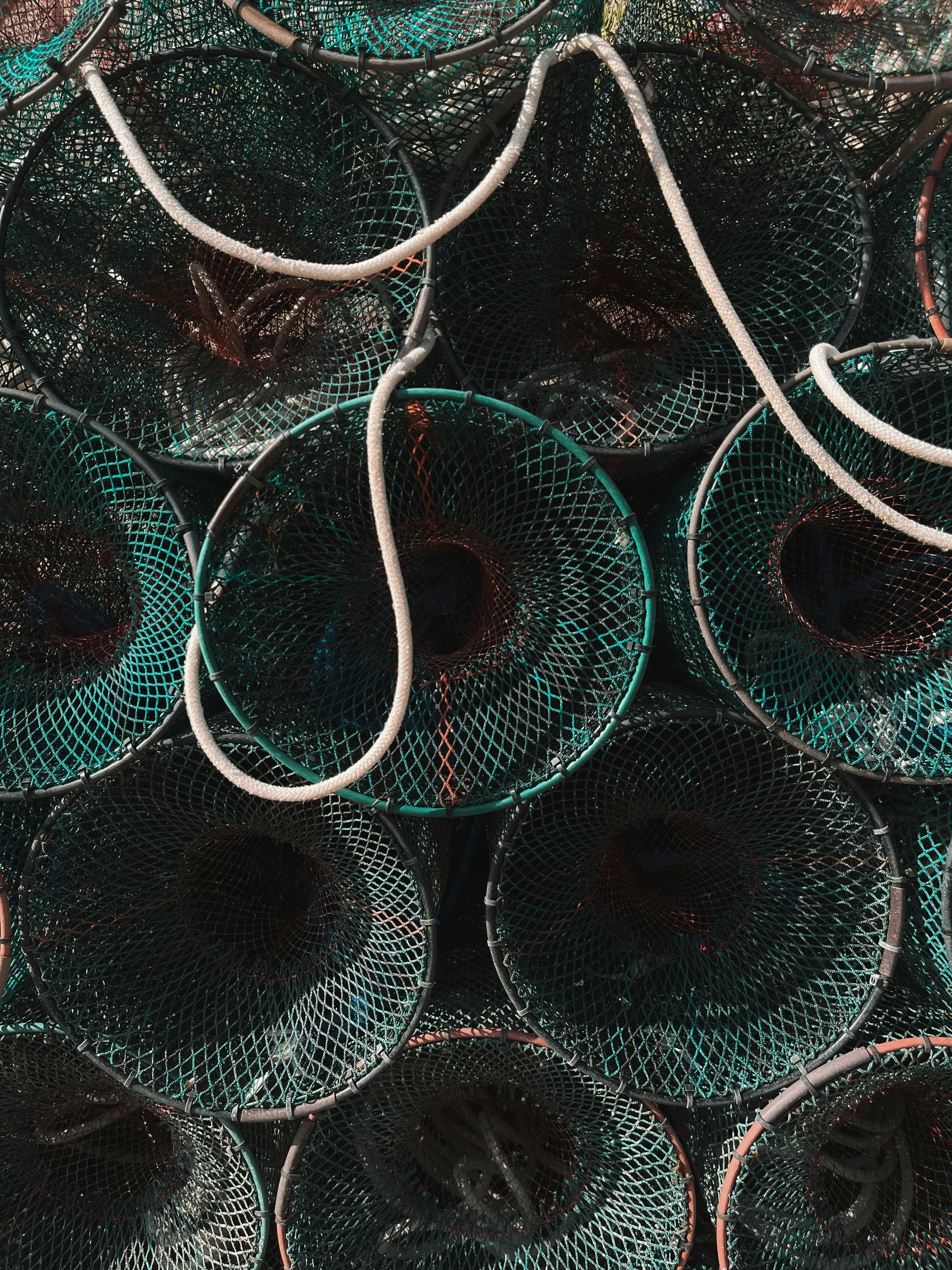
Timeline and how this reuse happens
The process is less dramatic than people imagine, which is probably why it gets overlooked. No grand invention, no miracle material. Just a sequence of practical steps.
- Nets are sourced or recovered. Commercial fishing gear may come from active fisheries, surplus stocks, damaged inventory, or donated material.
- Needs are identified in the field. Military units, local contractors, or civilians determine what problem the net might solve: concealment, protection, obstacle creation, or simple screening.
- The nets are cut and adjusted. Workers trim mesh to fit vehicles, structures, or perimeter needs. This is not delicate work. It is hands, knives, rope, and repetition.
- Installation happens quickly. Speed matters. In conflict zones, a day spent waiting for ideal supplies can be a day too long.
- The material gets reused again. If a net is damaged, it may be patched or relocated. One use seldom exhausts it.
What actually happened, in plain terms, is this: a civilian material found a second purpose because war created a shortage and a demand. I’ve covered enough supply-chain stories to know that shortages often reveal what a society really values. Peace hides the seams. War tears them open.
The timeline also shows why aid groups and local networks matter. Imported military hardware is expensive and slow to move. Local materials are often available now. That does not mean local material is superior in every case. It means logistics has finally been forced into the same room as reality.
There’s another piece people should not miss. When civilian materials are redirected to war use, the line between home front and front line gets thinner. That has consequences for workers, families, and the communities that depend on fishing. A net sold for maritime work may end up serving a defense role instead. That is not just a technical shift. It is a social one.
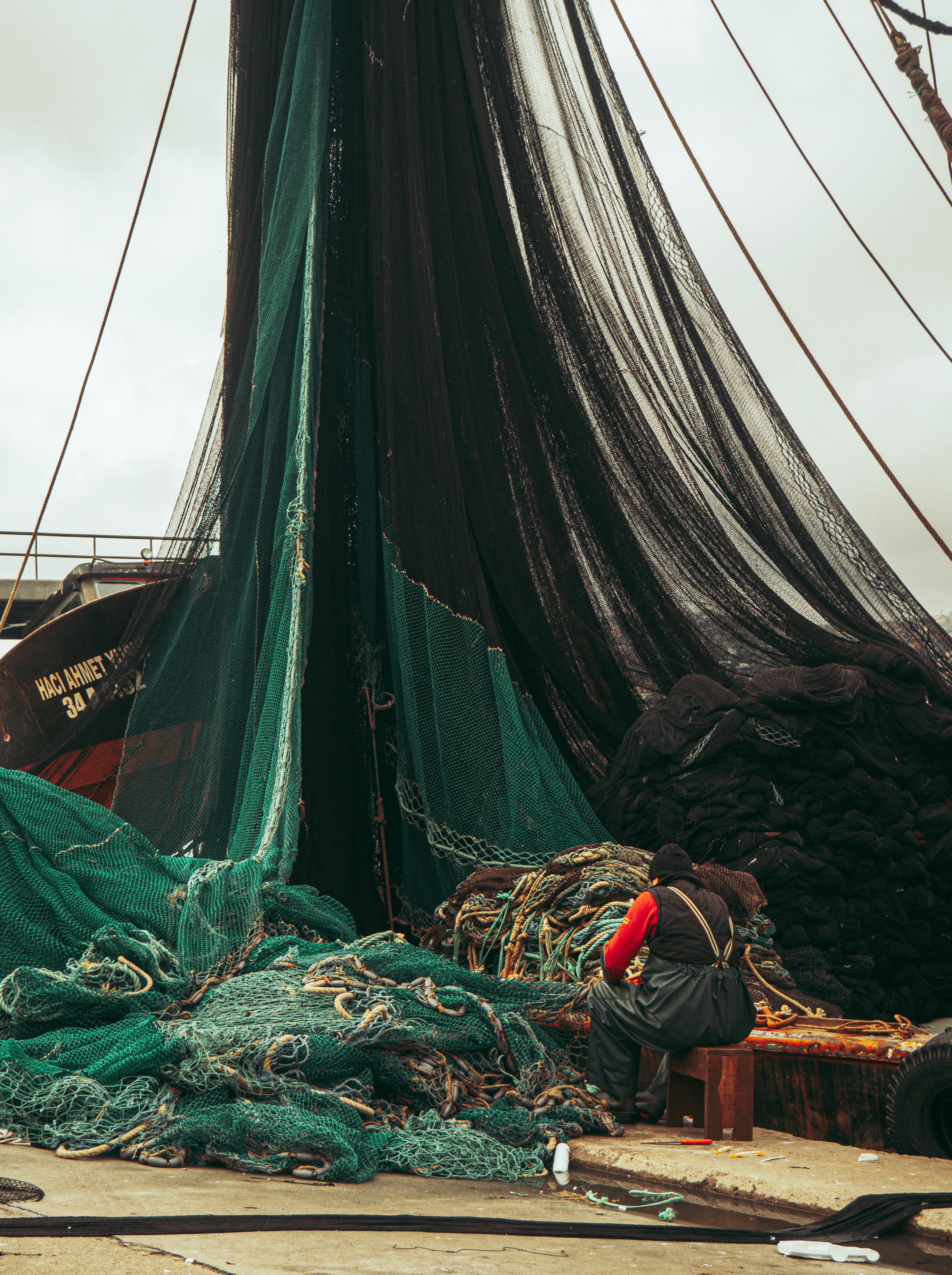
Comparison table: commercial fishing nets vs. purpose-built military barrier materials
| Feature | Commercial Fishing Nets | Purpose-Built Military Materials |
|---|
| Cost | Lower | Higher |
| Availability | Often easier to source in coastal or surplus markets | Depends on defense supply chains |
| Durability | Strong, but not made for combat | Designed for harsher battlefield conditions |
| Flexibility | Easy to cut and adapt | More specialized, less flexible |
| Speed of deployment | Fast | Often slower due to procurement |
| Best use | Temporary or improvised protection, screening, obstacle work | Formal defense applications and standardized deployment |
| Risk profile | Variable, depends on use and environment | Usually better understood and tested |
| Reuse potential | Often high | Can also be high, but purpose-limited |
The comparison is not flattering to military procurement, and that is exactly why it matters. Commercial nets win on price and speed. Military materials win on design and tested performance. If you are running a war economy, you need both. If you are running a public budget, you should care which one is being used where, and why.
I’m skeptical of any easy triumph story here. A cheaper material is not automatically a better one. A flexible material is not automatically safe. But the table shows something plain: in a crunch, the old civilian object can outperform the formal system on timing, if not on polish.
That should give policymakers something to chew on. Procurement reform, local resilience, and dual-use planning are not abstract bureaucratic phrases. They are the difference between a material sitting in a warehouse and that same material helping someone survive another day.
Common misconceptions and what to know
The biggest mistake is to assume this is some clever wartime trick and leave it at that. It is not. It is a symptom.
Misconception 1: These nets are being used because they are better than military equipment.
No. They are being used because they are available, adaptable, and affordable. That is a supply-chain answer, not a superiority claim.
Misconception 2: This is mainly an environmental story.
Partly, yes, reuse matters. But let’s be real, the primary driver is conflict, not sustainability branding. The environmental angle is secondary to the battlefield need.
Misconception 3: Civilian repurposing means the war is somehow resourceful and clean.
Not even close. Every improvised solution points to strain, not abundance. It tells you the system is under pressure.
Misconception 4: The reuse of fishing nets has no broader economic impact.
Wrong. Fishing communities, manufacturers, transport firms, and repair workers all sit in the chain. When materials move from sea use to war use, somebody else loses access to them.
What nobody tells you is that wartime reuse can be both smart and sad at the same time. That is the honest answer. I don’t need to dress it up. A society should be able to preserve life without draining civilian trades dry. When that fails, people improvise, and improvisation becomes a patch over a deeper wound.
There is also a justice question. If nets and other materials are diverted from ordinary commerce into conflict support, then the burden does not fall evenly. Smaller firms and local workers often absorb the shock first. The powerful talk about resilience. The rest carry it.
A final point: the reuse of nets is not only about Ukraine. It reflects a broader pattern in modern conflict where civilian materials are drawn into war because formal systems are too slow, too costly, or too damaged. That pattern should worry anyone who cares about the dignity of work and the proper use of common resources.
Frequently asked questions
Why are fishing nets useful in war zones?
They are durable, flexible, cheap, and easy to install. Those traits make them useful for concealment, screening, or improvised barrier work when formal equipment is limited.
Are commercial fishing nets being used as armor?
Usually not as true armor. They are more likely used for concealment, obstacle building, or temporary protection. People should not confuse screening material with hardened defensive gear.
Does this reuse help the environment?
It can reduce waste, but that is not the main reason it happens. The main driver is wartime scarcity and immediate need.
What does this say about the war economy?
It shows how civilian supply chains get absorbed into military use when conflict disrupts normal production and distribution. That is a sign of pressure, not efficiency.
The real question is not whether the nets work. They do, at least for certain jobs. The real question is why a modern state must reach into maritime supply chains to solve battlefield problems at all. That is where the hard truth sits.
When I look at stories like this, I see two things at once. I see human ingenuity, because people will always find a use for what they have. And I see the moral debt of war, because every repurposed object is a reminder that peace would have left it where it belonged. Stewardship demands more than squeezing value out of scrap. It asks whether a society can order its resources toward life rather than destruction.
Commercial fishing nets may have found a new use in Ukrainian war zones, but that is not the headline worth celebrating. The larger story is that ordinary economic life has been bent, again, to serve emergency conditions. That should make everyone a little uneasy. It should also make policymakers less lazy, businesses less complacent, and the rest of us a lot less impressed by improvisation for its own sake.
Final thought
This story is not really about nets. It is about pressure, scarcity, and the strange way war consumes the ordinary tools of peace. A fishing net should be catching fish, supporting families, and moving through a lawful economy. When it becomes a wartime material, that tells you something has gone badly wrong, even if the adaptation is clever. The truth is plain and unpleasant: people will always repurpose what they can when survival is on the line, and they should not have to rely on scavenged material to do it. A decent society plans ahead, protects workers, and keeps civilian industries from being dragged into violence. Anything less is just triage with better branding.