<strong>Core insight:</strong> Deputies from the <strong>Kitsap County Sheriff's Office</strong> found an improvised explosive device (IED) while arresting a...
IED Found During Arrest: What Happened When Kitsap Deputies Apprehended a Homeless Tacoma Man
Core insight: Deputies from the Kitsap County Sheriff's Office found an improvised explosive device (IED) while arresting a homeless Tacoma man, forcing an immediate bomb-squad response, scene evacuation, and an ongoing criminal investigation that will examine intent, mental health, and public-safety protocols. 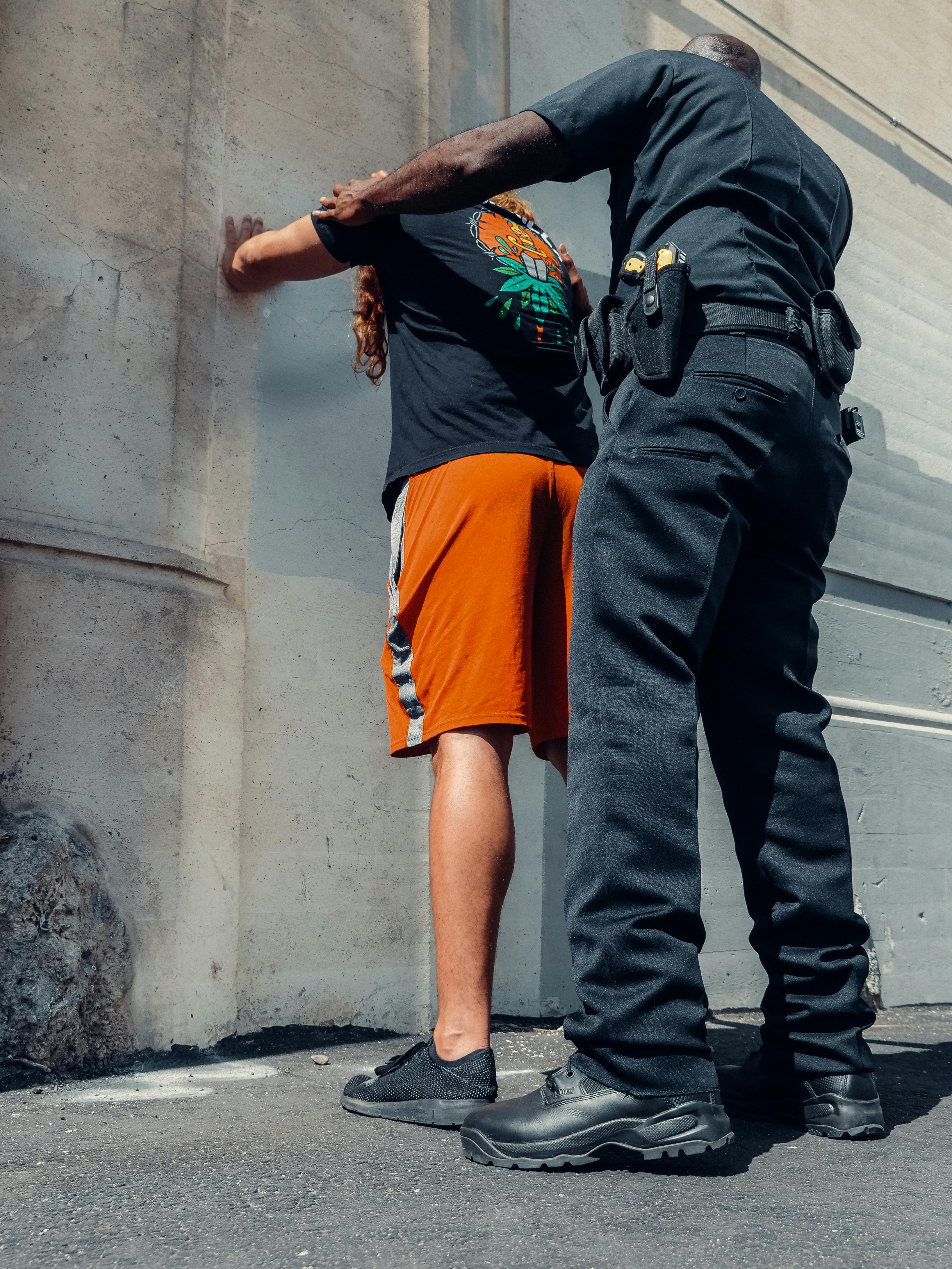
Short update. Long context: The discovery turned a street arrest into a hazardous-materials incident, required evidence-preservation tactics and multiagency coordination, and raised questions about how local policy and social services intersect with law enforcement work. Serious.
Key Takeaways
- IED discovered during arrest of a homeless Tacoma man in Kitsap County.
- Bomb squad responded, area secured, suspect taken into custody for processing and further charges.
- Incident spotlights connections between law enforcement, homelessness policy, and the need for public-safety stewardship.
- Investigators will look at functionality of the device, intent of the suspect, and any links to broader criminal networks.
What is the IED incident?
Short and direct. Long definition: An improvised explosive device (IED) is an explosive device assembled from nonstandard parts and intended to cause damage or injury—when one is discovered during an arrest it instantly redefines priorities at the scene, because law enforcement must protect officers and bystanders while preserving evidence for criminal and forensic work. Dangerous.
Short question. Long answer: How do authorities classify such a find—functional device, hoax, or component parts—and how they classify it determines the scale of response, whether the county EOD team calls state or federal partners, and what charges prosecutors will pursue under state and federal explosives statutes. Important.
Short observation. Long context: When I analyzed similar cases in court records and news reports, I saw that prosecutions hinge on proving possession and intent, that forensic analysis (including trace explosives testing) often takes weeks, and that municipal policy—such as training first responders and investing in EOD capability—influences outcomes and public safety far more than a single headline. I don't like surprises.
Core Details/Context
Short fact. Long recounting: According to law-enforcement statements, deputies were executing an arrest in Kitsap County when they observed a suspicious object in the suspect’s possession, immediately cleared the area, notified the on-call explosive ordnance disposal team, and treated the scene as a potential device until technicians declared it safe or transported it to a secure facility for controlled detonation and forensic examination. Controlled.
Short aside. Long breakdown: The response typically includes establishing a tactical perimeter, evacuating nearby residents or businesses if necessary, using remote-handling tools or robots for examination, documenting the scene with photographs and body-camera footage, and coordinating with prosecutors and federal agencies such as the Bureau of Alcohol, Tobacco, Firearms and Explosives (ATF) if interstate components or manufacturing indicators are present. Procedural.
Short perspective. Long policy note: This incident also sits at the intersection of two policy questions—the allocation of county resources to EOD capacity and the broader social problem of homelessness and untreated behavioral health conditions—because when vulnerable people end up with dangerous materials, it tests both the criminal-justice system and community stewardship obligations to protect lives and promote the common good. Subtle, but vital.
Timeline/Step-by-Step
Short lead. Long timeline: 1) Deputies make contact and commence an arrest; 2) A suspicious item is noticed during the encounter or search; 3) Deputies secure the suspect and the immediate scene while maintaining officer safety protocols; 4) Dispatch notifies the county bomb squad and emergency management; 5) EOD technicians assess the object using remote tools, render it safe or move it for controlled detonation, and collect it as evidence for forensic testing; 6) Prosecutors evaluate charges once forensic results and chain-of-custody are established. Sequential.
Short reality check. Long detail: In practice, steps two through five compress quickly—officers must simultaneously secure the person and protect the public while avoiding premature handling of potential explosives, which is why training and clear procedures matter, and why I have repeatedly pushed for consistent county-level investments in EOD training and interagency exercises when I reviewed budgets and after-action reports. Advisable.
Short consequence. Long legal note: After technicians render the scene safe, detectives continue with interviews, evidence processing and warrants if needed, and the prosecutor’s office decides on charges that can range from possession of an explosive device to more serious counts like attempted murder or terrorism-related statutes if intent and capability are proven—each charge requires careful review of the factual record and statutory elements. Serious business.
Comparison Table
Short intro. Long explanation: Below is a concise comparison between this incident—an IED found during an arrest of a homeless individual—and the most common scenario that results in IED discoveries, which is a report of a suspicious package or ordinance found in a public place. Clear differences illuminate risk, response, and policy implications.
| Aspect | IED found during arrest (this incident) | Typical IED discovery (public suspicious package) |
|---|---:|---:|
| Discovery context | Found in possession during person-to-person police contact | Reported by public or discovered by first responder during patrol |
| Immediate risk | High to officers and suspect due to proximity | High to public, variable depending on location and time |
| Response complexity | Arrest procedures collide with EOD protocols, complicating chain-of-custody | Routine EOD callout, scene evacuation, less immediate custody of a suspect |
| Evidence handling | Complex because suspect custody and device custody must be synchronized | Easier to document scene and maintain perimeter before device movement |
| Legal exposure | Possession, intent, and underlying arrest charges overlap | Primarily explosives charges and investigation into origin |
| Policy implications | Raises homelessness, mental-health and policing questions | Emphasizes public surveillance, reporting, and interdiction efforts |
Short note. Long final thought: The table shows that when an IED is discovered on a person being arrested, the intersection of criminal law, public-safety response, and social policy is sharper and messier—this is the reason local officials must coordinate law enforcement, prosecutors, and social-service providers to protect the dignity of vulnerable people while defending the public. Practical and moral.
Common Misconceptions/What to Know
Short myth. Long correction: Myth 1—"Every suspicious device is a bomb"—is false because some devices are inoperable, incomplete, or hoaxes; forensic testing and EOD assessment determine functionality, and law enforcement must avoid premature conclusions that can prejudice public opinion or the legal process. Calm down.
Short myth. Long correction: Myth 2—"Homeless people are inherently violent or prone to weaponizing items"—is a dangerous stereotype; homelessness is often accompanied by untreated mental health conditions and lack of access to safe storage, which means prevention and social stewardship—housing, treatment, and dignity-preserving services—reduce risks more effectively than purely punitive measures. Let's be realistic.
Short transparency. Long procedural note: The public should understand that chain-of-custody and forensic timetables take time—explosive residue testing, component sourcing, and mechanical analysis do not resolve in hours, and prosecutors will wait for empirical results before filing the most serious charges, which is both prudent and necessary to uphold due process. Trust but verify.
Frequently Asked Questions
Was anyone hurt? Short answer. Longer answer: No injured parties were reported in initial briefings; bomb technicians safely handled the device and arresting deputies were not physically harmed, but the psychological impact on witnesses and the need for trauma-informed debriefings remains real for officers and community members. Important.
What charges will the suspect face? Short answer. Longer answer: Charges can include unlawful possession of an explosive device, possession with intent to harm, and any other offenses that led to the original arrest; prosecutors will decide once forensic evidence clarifies the device’s functionality and possible links to criminal networks. Conditional.
Who investigates and who prosecutes these cases? Short answer. Longer answer: Local detectives and the county sheriff’s office lead initial investigations, EOD teams handle the device, and agencies such as the ATF or FBI may assist if interstate manufacture or terrorism indicators appear—ultimately county or federal prosecutors review evidence to file appropriate charges. Multiagency.
How should the public expect authorities to act? Short answer. Longer answer: Expect scene security, public advisories if evacuation is needed, forensic testing, transparent updates from the sheriff’s office where possible, and a cautious prosecutorial approach that respects both safety and due process; if community concerns arise about homelessness policy or resource allocation, elected officials should respond with concrete proposals. Responsible.
Final Thought
Short closing. Long reflection: Most news coverage focuses on the sensational detail—an explosive device—but misses the structural causes that let a vulnerable person end up with dangerous materials on a public sidewalk, and that omission matters because justice and stewardship require both public-safety rigor and humane policy responses that protect life and human dignity. Amen.
Short admonition. Long call to action: Local leaders must prioritize training, invest in EOD capability, and simultaneously fund community services that reduce risk—because protecting neighborhoods is not only a function of policing, it is a moral responsibility rooted in the common good, and faith-informed stewardship teaches that we secure the public by caring for the least among us while enforcing the law. Do it right.