Iran has moved to close the <strong>Strait of Hormuz</strong> again after a reported <strong>U.S. blockade</strong>, and the result is the same old problem...
Iran has moved to close the Strait of Hormuz again after a reported U.S. blockade, and the result is the same old problem with bigger stakes: shipping routes, energy prices, military risk, and global trade all get shoved into the same choke point. The narrow waterway matters because a huge share of the world’s seaborne oil and gas still passes through it, and when armed forces start trading fire around tankers and cargo ships, markets react fast. Frankly, this is not just a regional stunt. It is pressure politics with oil on the line.
Key Takeaways
- The Strait of Hormuz is one of the world’s most important shipping chokepoints.
- Iran’s renewed closure threat is tied to U.S.-Iran tensions and maritime attacks.
- Any disruption can move oil prices, shipping insurance rates, and military deployments.
- The real danger is not only the closure itself, but miscalculation at sea.
- Everyone talks about energy supply, but the human cost to crews and civilians is the part many coverage pieces skate past.
What is the Strait of Hormuz dispute?
The Strait of Hormuz is a narrow passage between Iran and Oman that links the Persian Gulf to the Gulf of Oman and then the wider Arabian Sea. It is small on a map and enormous in consequence. Roughly one-fifth of the world’s oil consumption has long moved through this route, along with major volumes of liquefied natural gas, especially from Qatar. That is why every threat to block it gets treated like a global alarm bell.
I’ve covered enough of these flare-ups to know the first headlines are usually too tidy. They say “Iran closes the strait,” but the reality is messier: mine threats, drone harassment, seizure of vessels, naval escorts, and a lot of brinkmanship that stops just short of full closure. The language matters, because “closure” can mean everything from legal declarations to physical interdiction.
The current escalation sits inside a long-running cycle of sanctions, retaliation, and maritime pressure. The United States has used sanctions and naval presence to restrict Iranian leverage. Iran has used the waterway, and the fear of disruption, as strategic leverage in response. Both sides know the route is a pressure point. That is the ugly truth.
Most news coverage misses the deeper issue: this is not just about fuel. It is about state power, sovereignty, deterrence, and the common good. A shipping lane is not sacred in the theological sense, but it does serve human needs, and when leaders treat it as a weapon, workers and families pay the bill. That is the moral rot at the edge of these crises.
For background on similar maritime crises, see Reuters Middle East coverage, Associated Press Iran coverage, and the broader Financial Times Middle East reporting.
Core Details and context
Here’s the kicker: the Strait matters because there are no real substitutes that can absorb a major blockage quickly.
- Oil flows: Saudi Arabia, Iraq, Kuwait, the UAE, Iran, and Qatar all rely on or near this route for exports.
- Shipping insurance: Even the hint of danger can raise premiums, reroute vessels, and slow deliveries.
- Naval posture: The U.S. Navy and regional partners keep ships nearby to deter attacks, but deterrence is never perfect.
- Economic spillover: Higher freight costs can hit fuel, food, and industrial goods far beyond the Gulf.
- Political signaling: Iran often uses maritime pressure to answer sanctions or military action without launching a full-scale war.
When I analyzed past episodes, one thing stood out: markets usually overreact in the short term and underprice the damage if a disruption lingers. A few days of tension may look like noise. A month of harassment can chew through supply chains. That is why analysts watch not just whether ships are hit, but whether insurance, port operations, and refinery scheduling start changing.
For more on how energy markets react, see Reuters energy coverage and U.S. Energy Information Administration data.
The U.S. blockade framing also deserves scrutiny. Media shorthand can blur the distinction between a formal naval blockade, a sanctions regime, an interdiction effort, and a visible military posture meant to pressure Iran. Those are not the same thing. A blockade is an act of war in the classic sense. A sanctions regime is not. If reporters mix the two, they muddy the legal picture and hand everyone a free pass to grandstand.
What follows from the reported firing on ships is even simpler.
- Crews face real danger.
- Navigation risk rises.
- Other vessels slow down or divert.
- Military commanders have less room for error.
- A single hit can trigger a wider response.
The truth is, no side fully controls the pace once live fire begins. A damaged tanker can become a political symbol within minutes. That is how escalation works: not as theory, but as smoke, hull damage, and emergency calls.
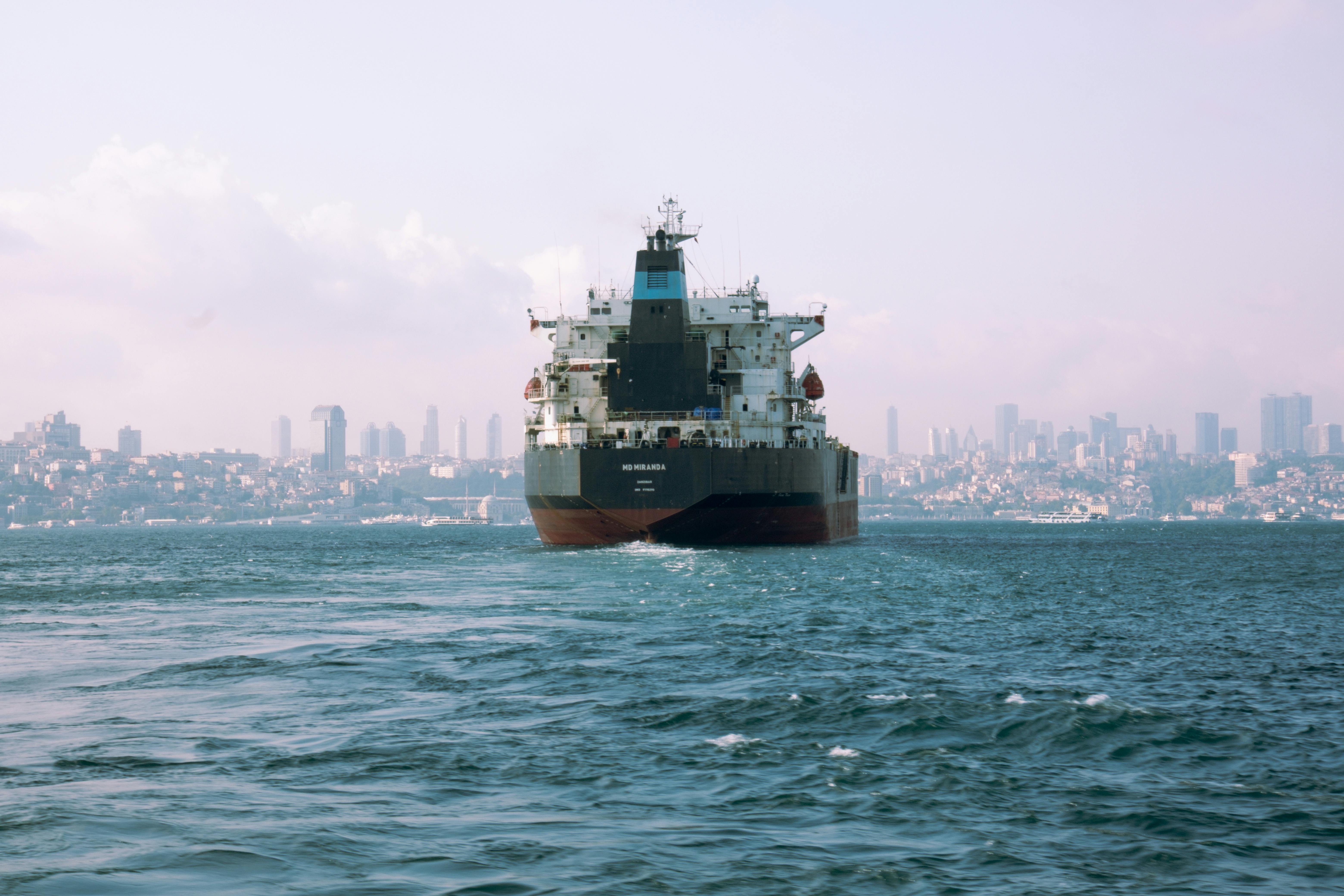
A quick timeline view helps.
- Before the incident: sanctions, drills, or inspections heighten tension.
- During the incident: firing, seizure, or threat messages disrupt shipping.
- Immediately after: naval escorts, advisories, and higher insurance costs spread.
- Days later: diplomatic bargaining and military signaling intensify.
- Weeks later: either the route stabilizes or a new round begins.
For steady reporting on the wider conflict arc, see AP Middle East coverage and BBC Middle East news.
Comparison table
| Factor | Strait of Hormuz crisis | Biggest competitor: Suez Canal disruption |
|---|
| Geographic role | Main exit from the Persian Gulf to open sea | Key shortcut between Europe and Asia |
| Main risk | Oil and gas exports blocked or threatened | Container and oil traffic delayed by blockage or conflict |
| Security issue | State-to-state confrontation, naval incidents | Grounding, sabotage, war spillover, piracy |
| Market effect | Immediate oil price shock potential | Freight delays, container bottlenecks, rerouting costs |
| Military response | Naval escorts, regional force buildup | Mostly maritime rescue, anti-piracy, and crisis management |
| Global dependency | Very high for energy markets | Very high for trade logistics |
| Typical escalation | Ships fired on, seized, or threatened | One big obstruction can freeze traffic for days or weeks |
The comparison is useful because people love treating every chokepoint like the same problem. It is not. The Strait of Hormuz is fundamentally an energy nerve center. The Suez Canal is a trade artery. Both are critical. The consequences differ.
And yes, both can knock the global economy sideways. But in Hormuz, the first concern is oil supply and military escalation. In Suez, the first concern is usually trade delay and logistics collapse. Same world, different wound.
Common misconceptions and what to know
There’s plenty of nonsense floating around whenever Hormuz hits the headlines.
Misconception 1: Iran can permanently close the strait whenever it wants.
No. It can harass, delay, and raise risk, but a lasting closure would invite overwhelming military response and would also hurt Iran’s own exports and regional ties. Power has limits. Always has.
Misconception 2: Any closure would instantly stop all oil from moving.
Not necessarily. Some states have alternative pipelines and storage buffers. The problem is not total stoppage on minute one. The problem is sustained disruption, higher prices, and damaged confidence.
Misconception 3: This is only a U.S.-Iran issue.
It isn’t. China, India, Japan, European states, and Gulf producers all have skin in the game. Shipping and energy markets are global, not tribal.
Misconception 4: Market panic proves the threat is bigger than it is.
Not always. Traders are not prophets, but they are not fools either. A narrow lane that carries a huge share of the world’s oil deserves attention.
Misconception 5: Civilian risk is secondary.
That one is ugly, and it keeps showing up. Merchant mariners, port workers, and coastal communities absorb the danger first. That is where stewardship and justice matter. Leaders should not treat human life as a line item in a leverage game.
The most important thing to understand is that these crises are not just military stories. They are also business stories, insurance stories, and labor stories. I’ve seen too many pundits talk as if only flags and missiles matter. Frankly, they’re missing the people who keep the ships moving.
There is also a legal wrinkle. International law on passage rights, maritime safety, and sanctions enforcement is complicated, and both sides often claim legality while accusing the other of illegality. That is why blunt headlines can be misleading. The law is real, but so is force.
For broader context on global energy security, see IEA oil market reporting and U.S. Energy Information Administration data.
Frequently asked questions
Why is the Strait of Hormuz so important?
Because it is one of the world’s main passages for oil and gas exports from the Gulf. If traffic slows there, prices and shipping costs usually rise fast.
Can Iran actually stop ships there?
It can disrupt traffic with threats, seizures, mines, drones, or attacks, but a permanent shutdown would be difficult and would risk major retaliation.
Why does the United States keep naval forces nearby?
To deter attacks on commercial shipping, reassure regional allies, and preserve freedom of navigation. That said, more ships also mean more chances for misreading one another.
What happens to oil prices if the strait is blocked?
Prices often jump quickly because traders fear supply shortages. The size of the move depends on how long the disruption lasts and whether alternative routes can absorb some exports.
Final thought
The Strait of Hormuz is small, but it carries more than oil. It carries the old, grim lesson that geography still rules politics, no matter how many speeches pretend otherwise. When a state starts firing on ships, everyone else pays for the gamble, from refinery workers to families filling up their cars to sailors who never asked to be part of a crisis. That is the part pundits often miss because it is harder to turn into a neat segment.
I’m skeptical of anyone who talks about these flare-ups as if they are just tactical chess moves. They are not. They are choices with moral weight, and they spread consequences across borders. A just order would treat sea lanes as tools of human livelihood, not bargaining chips. Until that happens, this story will keep returning, and each return will cost more than the last.