Iran has reopened the Strait of Hormuz. The bottleneck is open again, but the crisis is not over. President Trump says a blockade on Iranian ships and ports...
Iran has reopened the Strait of Hormuz. The bottleneck is open again, but the crisis is not over. President Trump says a blockade on Iranian ships and ports remains in place, which means the shipping fight has shifted from the waterway itself to the broader contest over enforcement, leverage, and who gets to say when traffic is truly safe. What matters now is not just whether tankers can pass, but whether insurers, cargo owners, and naval commanders believe the passage is stable enough to trust. Frankly, that is the real market test.
Key Takeaways
- The Strait of Hormuz is open, but U.S. pressure on Iranian maritime activity remains.
- The immediate risk to global energy flows has eased, yet shipping markets still price in tension.
- The dispute now centers on sanctions, naval enforcement, port access, and deterrence.
- Oil prices, freight costs, and Gulf security will stay sensitive to any new incident.
- The common good is poorly served when a choke point becomes a bargaining chip.
What is the Strait of Hormuz crisis?
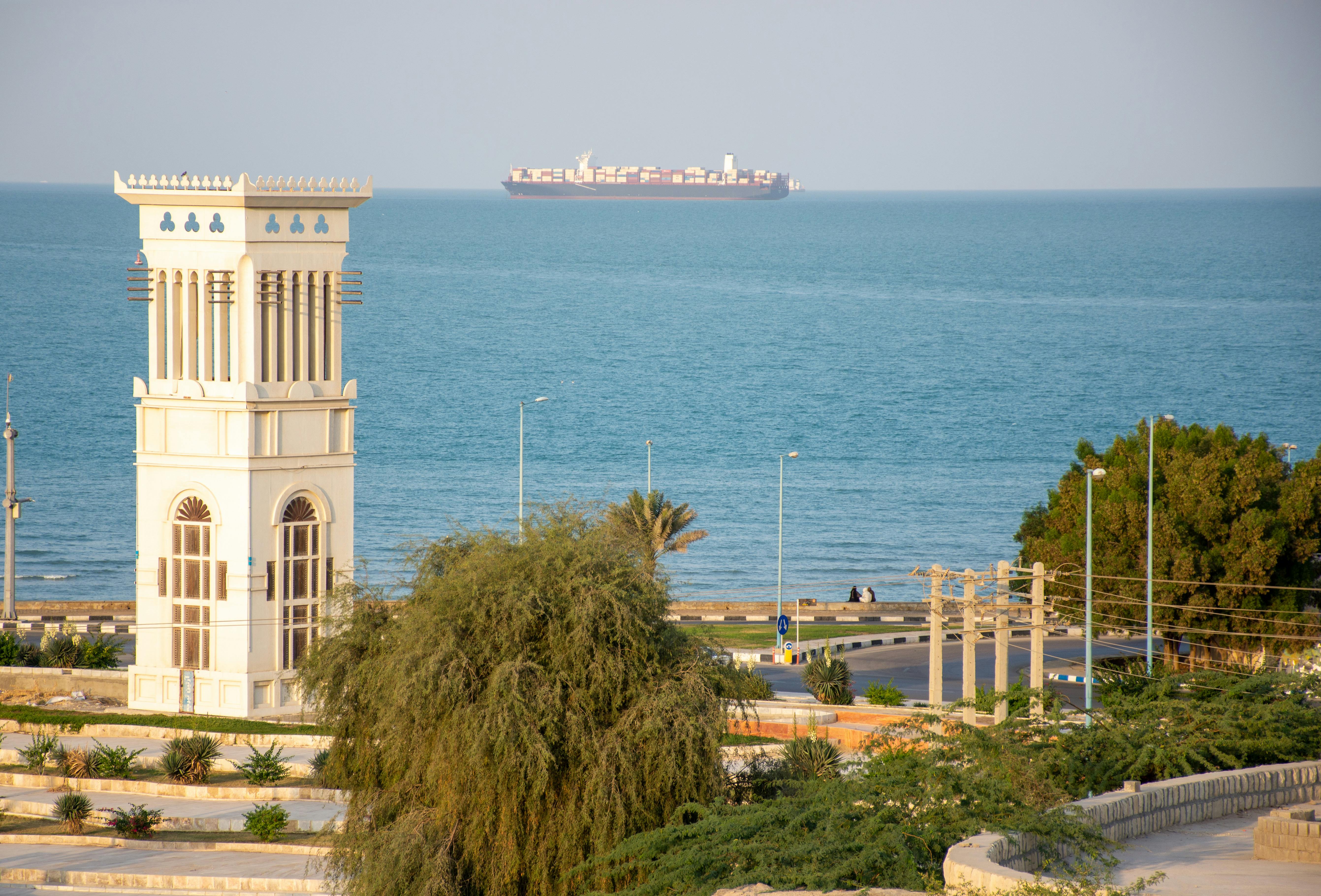
The Strait of Hormuz is a narrow sea lane between Iran and Oman that handles a huge share of the world’s seaborne oil trade. It is not just a strip of water. It is a pressure point for the global economy, and everyone from refiners to insurers knows it. When the strait is threatened, energy markets twitch, shipping rates jump, and governments start making phone calls they wish they did not need to make.
That is why this episode matters. Iran reopening the strait means the immediate threat of a full closure has receded. But Trump’s claim that the blockade on Iranian ships and ports remains in effect tells a different story. The waterway may be usable, but that does not mean the political fight is over. It means the fight has moved from a visible blockade to a broader campaign of pressure.
I have covered enough maritime flare-ups to know the headlines often flatten the issue. They say “reopened” and imply calm. Not so fast. A ship can sail through a channel and still face danger from seizures, inspections, sanctions, mines, drones, or retaliatory action. The sea is indifferent. States are not. And the people who pay first are usually the ones with the least say: crews, dockworkers, and consumers who just want fuel to be affordable and goods to arrive on time.
A careful reading of the Reuters and AP reporting shows the basic pattern. The strait’s status can change quickly, but the legal and military frameworks around it are sticky. Associated Press and Reuters have both reported the reopening and the continuing U.S. stance, while tanker tracking and maritime advisories from official bodies keep warning that risk remains elevated. That is the part that gets lost in the noise.
This is not only a security story. It is also a stewardship story. When a narrow passage carries so much of the world’s fuel and trade, states have a duty to protect ordinary people from chaos, not treat commerce like a toy in a geopolitical standoff. Justice requires that power be used with restraint. That is old wisdom, and frankly, it is hard to find in modern press conferences.
Core Details and Context
The core issue is simple. The Strait of Hormuz reopened, but the United States says pressure on Iranian maritime assets remains active. That means the immediate crisis and the wider strategic contest are not the same thing.
Here is the kicker: markets care about both. A tanker captain does not sail based on slogans. He or she watches advisories, naval movements, insurance terms, and whether a port call might become a legal headache. So when Trump says the blockade remains, he is signaling that Washington still intends to restrict Iran’s access to shipping networks, even if the strait itself is not physically shut.
- The strait is indispensable. Roughly a fifth of the world’s oil consumption moves through or near this corridor, depending on the year and measurement method. That makes it one of the most sensitive maritime chokepoints on earth.
- Iran has leverage, but not infinite leverage. It can threaten disruption, slow traffic, or raise risk. It cannot, without major consequences, casually halt all global shipping for long.
- U.S. and allied naval presence changes behavior. Warships, surveillance, and convoy coordination do not remove danger, but they usually reduce the odds of miscalculation.
- Sanctions are a separate weapon. A blockade in the legal or enforcement sense can survive long after a physical chokepoint reopens.
- Insurance drives reality. If underwriters decide the route is too risky, shippers reroute. The result is higher costs even if no missile is fired.
Most coverage focuses on the most dramatic image. That is lazy. The real story is the grind underneath: vessel tracking, port access rules, customs pressure, and the gap between political theater and commercial behavior. When I looked at past Gulf crises, the same pattern kept showing up. Leaders issue bold statements. Traders read the fine print. The fine print wins more often than the speech.
There is also a moral layer here that rarely gets enough airtime. The shipping system is not abstract. It exists to move food, medicine, fuel, and industrial goods. Disrupting it harms the vulnerable first. Biblical justice, at its plainest, cares about the impact on ordinary households, not just the pride of states. That does not mean appeasement. It means restraint, proportion, and an eye on the common good.
Reports from Reuters Middle East have emphasized the shipping and insurance implications, while official maritime advisories from the MarineTraffic ecosystem and naval monitoring channels often reflect how quickly routes can change once risk climbs. The politics matter, but the flow of hulls and barrels matters more than the rhetoric.
Timeline and Step-by-Step
- Tensions rose around the shipping corridor. Iran and its rivals traded threats over maritime access, sanctions, and naval presence. Each side claimed deterrence was the goal, but deterrence often looks like escalation to everyone else. That is the messiest part.
- Traffic concerns intensified. Shipping companies began watching the route more closely. When vessels alter speed, reroute, or delay port calls, that is not panic. It is risk management. I have seen enough of these episodes to know the market reacts before governments admit a problem.
- The Strait of Hormuz was reopened. The specific closure threat eased, which reduced the immediate possibility of a broader energy shock. That should have calmed markets, at least a bit. Instead, uncertainty stayed because the legal fight did not disappear.
- Trump said the blockade remains. This is the key distinction. Reopening the strait does not cancel sanctions, enforcement, or maritime pressure elsewhere. The policy goal shifts from stopping transit to squeezing Iranian shipping capacity and port activity.
- Markets reassessed the risk. Oil traders, freight firms, and insurers had to decide whether the reopening meant stability or merely a pause. The answer depends on whether the next incident comes in hours, days, or not at all. Nobody serious should pretend certainty here.
- Naval and diplomatic monitoring continued. The U.S., Gulf states, and commercial operators all watch for signs of renewed confrontation. This is where public statements meet hard reality. Ships do not care about press releases. They care about whether a missile battery is active and whether a port call can be completed safely.
- The wider question emerged. What counts as victory? If the strait is open but Iranian shipping remains pressured, Washington may claim deterrence. Iran may claim survival. Traders may claim nothing is solved. They may all be right in part, which is why this affair is so frustrating.
The step-by-step truth is that maritime crises rarely end cleanly. They fade, then flare, then get repackaged as a different dispute. That is why analysts who declare “stability restored” after one calm news cycle are usually selling something. Often it is confidence. Sometimes it is denial.
Comparison Table
The easiest way to understand the difference is to compare physical reopening with continued blockade pressure. They are related, but they are not the same thing.
| Issue | Strait Reopened | U.S. Pressure on Iranian Ships and Ports |
|---|
| Immediate effect | Tankers can transit with reduced interruption | Iranian maritime trade still faces constraints |
| Main tool | Reduced physical blockage risk | Sanctions, enforcement, inspections, port restrictions |
| Market reaction | Slight relief, lower panic | Continued caution, higher risk premium |
| Who feels it first | Energy traders, shippers, insurers | Iranian exporters, importers, port operators |
| Duration | Can change quickly | Often persists for months or years |
| Biggest risk | New incident or retaliation | Miscalculation, enforcement clash, port seizure |
| Strategic goal | Keep traffic moving | Maintain leverage over Iran |
The biggest competitor to the “reopened means normal” narrative is the reality of persistent enforcement pressure. That is the real rival here. A calm headline competes with a harsher operational truth.
If you want the blunt version, here it is: reopening the strait lowers the immediate chance of a global energy shock, but it does not erase the leverage contest. The oil market knows that. So do shipping lawyers, port operators, and a whole army of people whose jobs depend on avoiding chaos.
For broader context, see Britannica’s overview of the Strait of Hormuz, the U.S. Energy Information Administration’s analysis, and Reuters reporting on Gulf maritime risk, including Reuters’ Middle East coverage. Those sources are useful because they focus on supply, routes, and consequences rather than the usual bluster.
Common Misconceptions and What to Know
One common mistake is to treat “reopened” as if it means “safe.” It does not. A road can be open and still be lined with hazards. The same goes for a sea lane. The water may be passable, but the risk premium stays until shippers believe the danger has truly passed.
Another bad assumption is that a blockade has to be physical to matter. Wrong. Legal restrictions, port denials, insurance pressure, and sanctions can hit trade just as hard as ships parked in a channel. The mechanism changes. The damage remains.
Here is what nobody tells you in the cable-news version: most economic harm in these crises comes from uncertainty, not from the headline event itself. If companies cannot predict whether tomorrow’s transit will be allowed, delayed, or punished, they build that uncertainty into prices. The end result is higher costs for everybody else. That is not glamorous, but it is how the bill arrives.
A third misconception is that a stronger show of force always creates peace. Sometimes it does. Sometimes it tempts the other side into proving it cannot be bullied. Power without prudence becomes theater, and theater is a lousy substitute for order. Catholic social thought, for what it is worth, has long warned against treating people and nations as instruments rather than ends in themselves. That principle fits this crisis neatly.
Also, do not assume that Iran, the U.S., and shipping firms all define success the same way. They do not.
- Iran may care about survival, dignity, and bargaining power.
- The U.S. may care about deterrence and sanctions enforcement.
- Shipping firms care about predictable passage and manageable risk.
- Consumers care about fuel, prices, and whether the whole mess leaks into grocery bills.
The human dignity issue matters too. When a tanker crew is caught in a maritime standoff, those are real workers with families, not chess pieces. That fact is often swept aside by people who like to talk tough from safe offices. I find that habit tiresome.
Most likely, the situation stays tense but contained unless there is a fresh attack, seizure, or political decision that sharpens the standoff again. That is not optimism. It is just the most probable reading of the evidence.
Frequently Asked Questions
Why does the Strait of Hormuz matter so much?
Because it is one of the world’s most important energy corridors. A major share of global oil exports moves through or near it, so any disruption quickly affects prices, shipping routes, and insurance costs.
Does reopening the strait mean the crisis is over?
No. It means the immediate threat of a closure has eased, but sanctions, enforcement pressure, and military tension can still disrupt trade. The water can be open while the politics stay hostile.
What did Trump mean by saying the blockade remains?
He was signaling that U.S. pressure on Iranian shipping and ports continues, even if the narrow passage itself is no longer blocked. In plain English, the fight moved from the channel to the broader maritime system.
Will oil prices fall now?
They may ease if traders believe the route is stable, but prices can stay elevated if risk remains high. Markets hate uncertainty more than bad news. That is the unpleasant truth.
The odd thing about this crisis is that both sides can claim something useful. Iran can say the strait is open. Washington can say pressure remains. Traders can say neither statement settles anything. They would be right, which is why this story will keep surfacing until one side blinks or the next incident changes the math.
A more honest reading is that the world depends on fragile corridors and imperfect actors, so the job of states is not to grandstand but to guard the common good. That means restraint where possible, firmness where necessary, and a refusal to treat commerce as collateral damage for ego. That is not a soft view. It is a sane one.
The sea does not care about slogans. It carries the cost of bad judgment anyway. And in this case, the people with the least power are the ones who would pay most if the tension returns.
{"@context":"https://schema.org","@type":"FAQPage","mainEntity":[{"@type":"Question","name":"Why does the Strait of Hormuz matter so much?","acceptedAnswer":{"@type":"Answer","text":"It is one of the world’s most important energy corridors, and disruption there can quickly affect oil prices, shipping routes, and insurance costs."}},{"@type":"Question","name":"Does reopening the strait mean the crisis is over?","acceptedAnswer":{"@type":"Answer","text":"No. It means the immediate threat of closure has eased, but sanctions, enforcement pressure, and military tension can still disrupt trade."}},{"@type":"Question","name":"What did Trump mean by saying the blockade remains?","acceptedAnswer":{"@type":"Answer","text":"He was signaling that U.S. pressure on Iranian shipping and ports continues, even if the strait itself is no longer blocked."}},{"@type":"Question","name":"Will oil prices fall now?","acceptedAnswer":{"@type":"Answer","text":"Prices may ease if traders believe the route is stable, but they can stay elevated if risk remains high and uncertainty continues."}}]}