Juneau has moved to keep its winter warming shelter open year-round. That sounds simple. It is not. The Assembly’s decision is really about shelter capacity...
Juneau has moved to keep its winter warming shelter open year-round. That sounds simple. It is not. The Assembly’s decision is really about shelter capacity, public order, and whether the city will keep people outside when there is nowhere else for them to go, especially in a place where weather punishes delay and housing supply remains thin.
Key Takeaways- The Juneau Assembly approved year-round operation of the winter warming shelter.
- The move aims to reduce visible unsheltered camping and ease pressure on an overstretched shelter system.
- Officials are responding to a shortage of beds, housing units, and indoor options during warmer months.
- The decision is practical, but it does not solve the housing shortage behind the crisis.
- The bigger issue is whether Juneau pairs shelter access with long-term housing and services.
What is Juneau’s year-round warming shelter decision?
It is a stopgap with a pulse. The Juneau Assembly approved opening the city’s winter warming shelter year-round so people without stable housing have a place indoors even after the cold season ends, which matters in a city where outdoor camping becomes a default because shelter space is scarce and permanent housing is harder to find than city hall press releases suggest.
Frankly, this is not a victory lap. It is damage control.
The shelter was built to answer winter conditions, when exposure becomes dangerous fast. But the underlying problem in Juneau has never been only winter. It has been the lack of enough low-barrier shelter beds, limited housing stock, and the stubborn fact that people do not stop being homeless when the calendar changes. Summer simply makes the shortage more visible.
I have covered enough local government to know when officials use the word “temporary,” they often mean “until voters forget.” That is not fair here. The Assembly appears to be reacting to a real bottleneck, not spinning one. Still, the policy only works if it is treated as part of a larger system: shelter, behavioral health, treatment access, housing production, and rules that protect both dignity and neighborhood order.
The moral logic is plain. A city has a duty to protect human dignity, especially when people are vulnerable and exposed. Scripture is not subtle about sheltering the poor. But stewardship also matters. Resources are finite, and a humane policy has to be structured, not sentimental. The common good is not a slogan. It is the hard work of keeping people alive while building something better than another season of tents and complaints.
For readers tracking similar public-safety and housing decisions, related coverage includes our reporting on local shelter policy shifts, housing shortages in Alaska communities, and municipal responses to homelessness. Those pieces show the same pattern: when housing supply shrinks, cities end up using shelters as pressure valves.
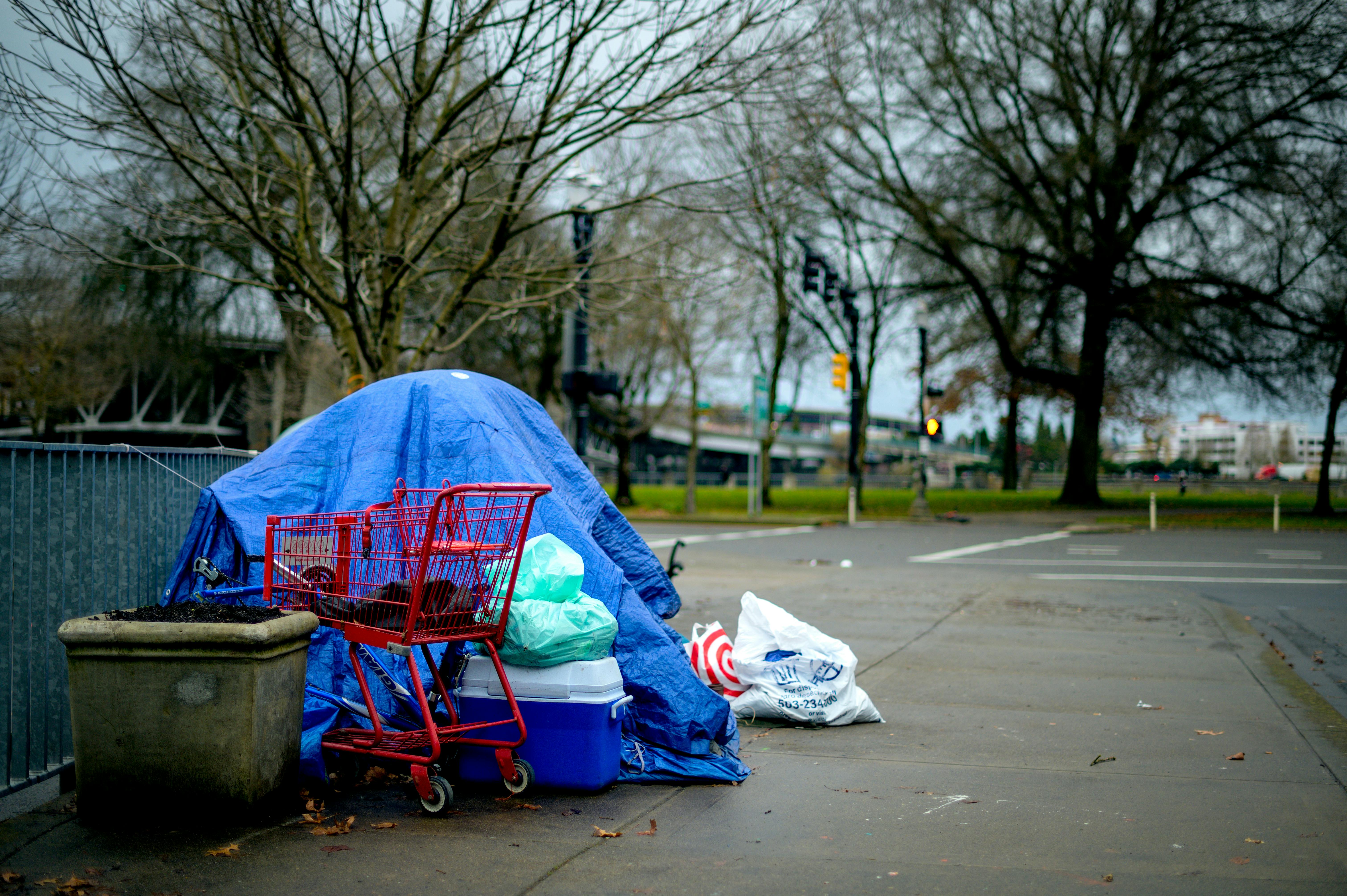
Core Details and Context
The Juneau decision makes sense only if you start with the facts. The city does not have enough shelter space. It does not have enough housing units. And it does not have enough slack in the system to pretend the problem is seasonal.
Here is the part that gets glossed over.
- Shelter space is limited. When beds fill up, people sleep outside, even in a city where rain, cold, and damp air make that choice miserable and risky.
- Housing supply is tight. New units are not appearing fast enough to meet need, and what is available often costs more than low-income residents can bear.
- Camping becomes visible in summer. People are outside more often not because homelessness is “worse” only then, but because weather makes it more bearable and the lack of beds remains unchanged.
- Public frustration is real. Businesses, nearby residents, and city officials do not want encampments sprawling around public spaces, sidewalks, and parks.
- Shelter alone is not housing. That point gets buried beneath the usual political slogans.
The Assembly’s choice reflects a tradeoff. Keep the shelter open and accept higher operating costs, or close it and accept more unsheltered people in public view. There is nothing elegant about that choice. It is a cost-sharing problem wrapped in a moral question.
Everyone talks about the optics. Few talk about the accounting. If the shelter is open year-round, the city needs staffing, utilities, maintenance, case management, and rules that prevent the place from turning into a warehouse with folding cots. That means money. It also means oversight. A shelter without structure can become chaotic; a shelter with too many barriers can become empty. Municipal leaders get to enjoy neither outcome.
The city’s move also intersects with broader Alaska realities. Construction costs are high. Labor is expensive. Transportation complicates everything. Housing development is slow, and geography is not kind to cheap expansion. This is why Juneau’s problem is not a simple policy failure. It is a structural bind, one that requires patience, discipline, and honest numbers.
When I analyzed similar shelter debates in other cities, the same mistake kept showing up: leaders treated emergency shelter as the answer instead of the bridge. That is backward. Emergency shelter is the floor, not the house.
A few practical implications follow:
- Public health: More indoor shelter can reduce exposure-related illness, emergency room use, and crisis response calls.
- Public order: A consistent shelter option can reduce some street encampments, though it will not erase them.
- Service access: Year-round availability creates better conditions for outreach workers, case managers, and treatment referrals.
- Budget pressure: Operating a shelter year-round costs more than seasonal use, and local taxpayers will feel that.
- Policy credibility: If the city promises help but keeps the rules so strict nobody can use it, trust collapses fast.
The city’s challenge is to avoid false comfort. A warming shelter can reduce suffering. It cannot, by itself, fix the housing market or the addiction crisis or the mental-health gaps that often sit behind chronic homelessness. Anyone claiming otherwise is selling hope by the pound.
For a broader policy frame, see Alaska housing and homelessness coverage and city-level shelter planning analysis. They explain why shelter policy often becomes the first visible response when housing policy is late to the scene.

Timeline and What Actually Happened
This did not happen in a vacuum. It came after months of pressure, visible camping, and the same familiar argument over what a city owes people who have nowhere to sleep.
Here is the sequence, stripped of the usual municipal fog.
- The shelter shortage became harder to ignore. Juneau faced a continued shortage of indoor options, and people without housing were increasingly pushed into outdoor spaces when beds ran out.
- Officials reviewed seasonal shelter limits. The winter-only model made less and less sense as the city saw summer camping continue because the underlying need never disappeared.
- The Assembly approved year-round operation. The decision effectively recognizes that homelessness in Juneau is not just a cold-weather issue.
- City staff and service providers now face implementation work. That means staffing, funding, rules, intake procedures, and coordination with nonprofits and outreach teams.
- The broader housing gap remains unresolved. The shelter opening is immediate relief, but the shortage of units, supportive housing, and affordable rentals is still the central problem.
Let’s be real: local governments often announce shelter changes as if the hard part is the vote. It is not. The vote is the easy part. The hard part is operating the place without turning it into a revolving door of unmet needs and burnout.
From what I have seen in housing coverage, the actual story is usually hidden in implementation details. Who qualifies? What hours apply? Is it low-barrier or not? Are pets allowed? Are there storage options? Can someone bring a partner? Are there ties to treatment services or simply a bed and a door? These are not side issues. They decide whether a shelter reduces harm or just rearranges it.
The timeline also matters politically. City leaders are under pressure from multiple directions:
- Residents want visible disorder reduced.
- Businesses want sidewalks and parks usable.
- Service providers want predictable indoor space.
- Taxpayers want the costs explained without a speech full of fog.
- Unhoused residents want somewhere safe that does not treat them like a problem to be hidden.
That last point should not be controversial, but somehow it still is.
The best-run shelter systems usually do a few boring things well. They keep the lights on. They make the rules clear. They coordinate with health and housing services. They track outcomes. They do not pretend a cot is a cure. Boring is underrated in public policy.
For readers following similar trends elsewhere, our reporting on municipal homelessness response and public shelter policy shifts shows how cities stumble when they try to solve a housing shortage with signage alone.
Comparison Table
The real comparison is not between perfection and failure. It is between year-round shelter access and the old winter-only model that leaves people outside once temperatures rise.
| Policy Model | Juneau Year-Round Shelter | Winter-Only Shelter Model |
|---|
| Access | Available through all seasons | Limited to cold months |
| Unsheltered camping | Likely reduced, not eliminated | More likely during spring and summer |
| Operational cost | Higher year-round costs | Lower seasonal costs |
| Public order impact | Better indoor diversion from public spaces | Less effective outside winter |
| Human dignity | More consistent protection | Gaps leave people exposed |
| Long-term housing solution | Still needed | Still needed |
| Policy realism | Acknowledges year-round need | Assumes homelessness is mostly seasonal |
| Risk | Funding and staffing strain | More people left outdoors |
The comparison is ugly because the problem is ugly.
The year-round model is more expensive, yes. But the winter-only approach quietly pushes costs elsewhere, into emergency medical calls, police responses, public sanitation, and the steady erosion of civic order. That is the sort of accounting politicians hate because it exposes the false economy of “saving money” by moving distress out of sight.
The biggest competitor to the new shelter model is not some private provider or another city’s plan. It is inaction.
Inaction is popular because it sounds fiscally cautious and morally neutral. It is neither. It just waits for the mess to get louder.
When I look at cities that have handled homelessness better than average, they usually do three things differently: they keep emergency shelter available, they build permanent housing over time, and they stop pretending visible suffering can be regulated away. Juneau has taken one step in that direction. Good. Now it has to keep going.
The comparison also reflects a basic civic duty. Communities are judged by how they treat those with the least power, not by how neatly they write memos. That is old wisdom, and it remains inconvenient.
For related analysis, see housing shortages in Alaska communities and local shelter policy shifts. Both show why city governments end up making hard choices long before state or federal systems arrive with enough help.
Common Misconceptions and What to Know
The usual headlines make this sound simpler than it is. That is news coverage for you.
Misconception 1: A year-round shelter “solves” homelessness.
No. It reduces exposure and gives outreach workers more contact points, but it does not create housing units, treatment beds, or stable income.
Misconception 2: If people are camping, they must prefer it.
Sometimes people choose the least bad option. That is not the same thing as choosing comfort. It is what happens when shelter is full or inaccessible.
Misconception 3: Shelter is only a winter issue in Alaska.
Wrong. Cold weather increases risk, but lack of housing is not seasonal. The summer view just makes the shortage harder to deny.
Misconception 4: This is only about compassion.
No, it is also about sanitation, public safety, public health, and city management. Compassion without structure becomes chaos. Structure without mercy becomes cruelty. The sane middle is harder, and that is why it matters.
Misconception 5: Opening shelter year-round means every concern disappears.
It does not. Noise, staffing, rules, neighborhood impacts, and funding still have to be managed.
Here is the kicker: people often act as though shelter policy is a sign of political virtue or political weakness. It is neither. It is a test of whether officials understand reality. If they do, they will fund the boring stuff, coordinate services, and keep measuring outcomes. If they do not, they will issue a statement, hold a meeting, and call it progress.
There is also a deeper point here, and it is one that public debate usually misses. Human beings are not disposable because they are inconvenient. That principle sits close to the center of Catholic social teaching, but you do not need theology to see the logic. A city that forgets human dignity eventually forgets itself.
Most people reading this probably want the practical answer: Will the shelter help? Yes, if it stays open, remains usable, and connects people to other services. Will it fix Juneau’s housing crisis? No. Will it reduce some visible camping and relieve pressure on public spaces? Likely, at least somewhat. Will it cost money? Absolutely.
That is the deal.
For more on how local governments balance these tradeoffs, see municipal homelessness response and public shelter policy shifts.
Frequently Asked Questions
Why did Juneau keep the warming shelter open year-round?
Because the city lacks enough shelter space and housing units, and officials want to reduce the number of unhoused people camping outside during the summer as well as the winter.
Does a year-round shelter end homelessness in Juneau?
No. It provides indoor refuge and more stability, but the underlying shortage of affordable housing and supportive services remains.
Will the shelter help with public camping?
Probably some, yes. More indoor space usually reduces the number of people who have to sleep outside, though it does not eliminate encampments entirely.
What is still needed beyond the shelter?
More housing units, better coordination with health and social services, and steady funding for long-term solutions.
Juneau made the humane choice, but that phrase should not become an excuse for relief and then silence. A shelter can keep people alive, and that matters. It can also become a convenient place for a city to park its conscience while the housing shortage grinds on. That would be a mistake. People need roofs, not just response teams.
The honest measure of this decision is not whether officials got a round of applause. It is whether fewer people sleep wet, cold, and unseen when summer arrives and the problem becomes easy to ignore again. Cities are judged in the small hours. So are the people who run them. If Juneau treats this opening as stewardship rather than theater, it may start to bend the curve. If not, the tents will come back, the arguments will too, and everyone will pretend to be surprised.