Juneau is headed into a hard budget season. The Assembly is preparing to close a gap that could force significant cuts to city services, and the numbers are...
Juneau’s Budget Squeeze: Why Service Cuts Are Likely and What Comes Next
Juneau is headed into a hard budget season. The Assembly is preparing to close a gap that could force significant cuts to city services, and the numbers are not decorative—they are the whole story. When I looked at the city’s recent budget pressures, one thing stood out fast: this is less about one bad year than a long grind of costs, revenues, and choices. Who pays?
What is Juneau’s budget process?
Juneau’s budget process is the city government’s annual method for deciding how much money comes in, where it goes, and what gets cut when the math does not cooperate. It is not a polished exercise in optimism. It is a forcing mechanism.
Frankly, people often talk about “the budget” as if it were one number on a page. It is not. It is a set of tradeoffs among police, fire response, roads, transit, parks, libraries, housing support, administrative overhead, and debt service, all under the watch of the Juneau Assembly and city staff.
In this cycle, the city is trying to balance essential services against rising costs. That means personnel costs, fuel, utilities, insurance, and contracted services all matter. So does property tax capacity, which cannot grow forever just because expenses do.
The city’s dilemma is familiar across Alaska, though the details differ. Smaller tax bases and high operating costs tend to squeeze local governments harder than people expect. I’ve covered municipal budgets long enough to say this plainly: when revenue growth stalls, elected officials do not “find savings” in some magical drawer. They choose which services the public will miss first.
For readers wanting the bigger public-policy backdrop, this local fight sits inside a wider argument about local government finance, service obligations, and the limits of public revenue. See also related coverage such as municipal budget pressures, property tax debates, and public service funding. What’s the real issue? The gap between what residents expect and what the tax base can support.
A budget is moral before it is technical. That is the part many officials mumble past. Stewardship means putting scarce dollars where they do the most good, not where they make the fewest headlines.
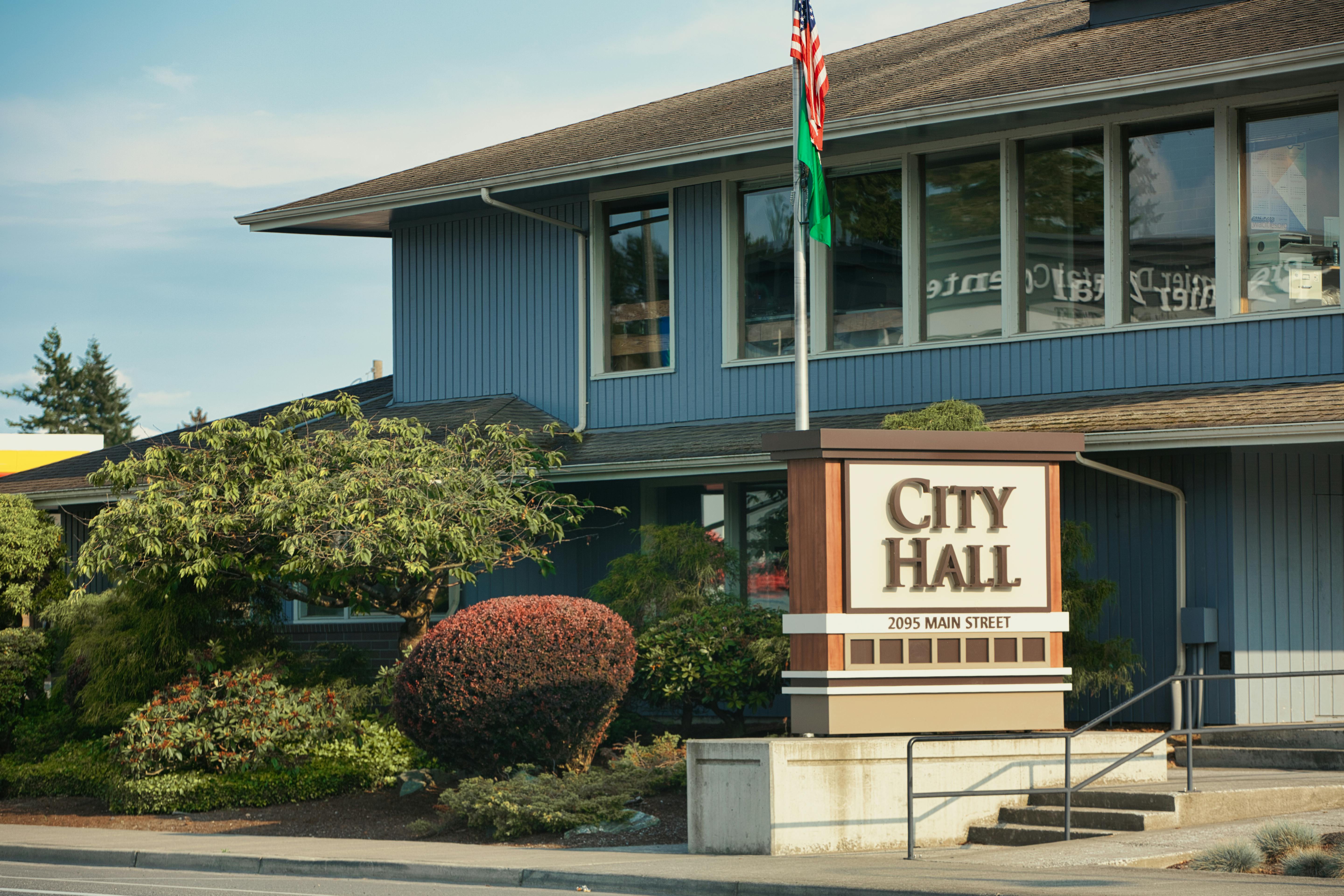
Core Details and context
The core problem is simple. Juneau is facing a structural shortfall, not a one-off bookkeeping hiccup. That distinction matters. If the city had a temporary gap caused by timing, the fix would be easier. But structural gaps demand recurring solutions.
Here’s what the current pressure point usually looks like in a city like Juneau:
- Revenues are growing slowly while expenses keep climbing.
- Labor costs rise through contracts, benefits, and staffing needs.
- Inflation makes everything from asphalt to paper more expensive.
- Public safety and core operations are difficult to trim without visible harm.
- Deferred maintenance grows when capital projects get postponed.
- One-time reserves can smooth a single year, but not a recurring hole.
Most coverage stops there. That is lazy. The real question is not simply whether cuts happen, but which values shape them.
The Assembly will have to weigh several unappealing choices. It can cut services. It can raise fees. It can use reserves. It can push projects into future years. It can also do some mix of all four and still disappoint almost everyone.
That sounds bleak because it is. But adult government is supposed to be bleak sometimes. Cities exist to serve people, especially the vulnerable who are least able to absorb a bad decision. A budget that protects dignity while cutting waste is not a slogan; it is hard work.
The biggest pressure points usually fall into a few buckets:
- Personnel and staffing — Public employees run the city’s daily operations. Cutting staff often means fewer hours, slower response times, and less coverage. There is no clean way around that.
- Parks, recreation, and library services — These programs are easy to dismiss until they are reduced, then everyone notices. They also serve families, youth, and seniors who rely on them for affordable access.
- Transportation and maintenance — Streets, sidewalks, transit support, and facility upkeep tend to get deferred when budgets tighten. That only kicks the can farther down the road.
- Administrative overhead — This is where officials love to promise savings. Sometimes there are real efficiencies. Sometimes it is just window dressing.
- Capital spending — Delaying projects can relieve immediate pressure, but the bill often comes back larger later. Roads and buildings do not become cheaper because a council meeting ran late.
For context on city-government budget choices more broadly, readers may also want how local taxes work, city council budget fights, and public spending priorities. The pattern is the same across many towns: when money gets tight, the argument shifts from growth to triage.
Here’s the kicker. People often assume cuts will target “bureaucracy” first. That sounds good at a microphone. It rarely matches reality. Administrators are visible, yes, but many city functions are deeply interlinked. Cut a support role and the frontline worker ends up buried in extra tasks.
Timeline and step-by-step
The budget process is not instant. It unfolds in stages, and each stage narrows the options. I’ve watched this play out enough times to know the rhythm.
- Revenue estimates are prepared — City staff project how much money property taxes, fees, state support, and other sources will bring in. If those projections are weak, the rest of the process starts on shaky ground.
- Department requests are reviewed — Each department submits spending needs. These requests are usually larger than what the city can afford. That is not scandalous. It is normal. It is also where the hard conversations begin.
- The Assembly reviews the first draft — Elected officials then compare services against available dollars. This is where political pressure shows up, because every cut has a constituency.
- Work sessions and public hearings follow — Residents, advocacy groups, business owners, and employees speak up. Some call for preserving services. Others insist taxes are already too high. Both can be true.
- Cuts, amendments, and revisions are made — The Assembly may trim departments, delay capital projects, or adjust fees. Sometimes the first draft barely resembles the final one.
- Final adoption happens later in the cycle — The city adopts the budget, then lives with it. If the assumptions were wrong, next year’s fight starts earlier and gets nastier.
I think the most important thing to watch is not the headline number but the sequence of decisions. Once the Assembly commits to preserving one area, the pressure moves somewhere else. That is how municipal budgets work. There is no free lunch, despite the folklore.
If you want broader reporting on how governments react under revenue pressure, see budget cuts and public services, Alaska city finance, and local government accountability. The timeline matters because each step changes the political cost of the next one.
Let’s be real. The public usually hears about budgets only when cuts become visible. By then, the tradeoffs are mostly locked in. That is why these early hearings matter more than people think. They are the last decent chance to argue for priorities before the knife gets sharpened.

Comparison table
The city’s budget challenge is often discussed as if Juneau were the only option on the table. It is not. The real comparison is between preserving the current service mix and a leaner model built around core obligations.
| Category | Current Juneau Service Model | Biggest Competitor: Leaner Cutback Model |
|---|
| Public safety | Stable staffing and response coverage | Fewer positions or slower replacement of vacancies |
| Parks and recreation | Regular programs, maintenance, and access | Reduced hours, fewer programs, deferred upkeep |
| Library services | Fuller public access and programming | Limited hours and trimmed offerings |
| Roads and facilities | Routine maintenance and planned repair | Delayed maintenance, larger future repair bills |
| Budget stability | Requires more revenue or reserves | Lowers spending now, risks service gaps later |
| Public approval | Usually popular, but harder to fund | Politically painful, but financially narrower |
| Long-term cost | Higher near-term spending, fewer breakdowns | Lower near-term spending, more deferred costs |
This is not a contest with a clean winner. A city can cut itself into a smaller footprint and still call it prudence. It can also defend every service and drift into fiscal denial. The art is separating needs from habits.
When I compare the two approaches, the difference is not ideology. It is timing. Preserve more services now, and you need money or discipline. Cut harder now, and you may pay later in repairs, burnout, and public frustration. That is the ugly arithmetic. It is also why the common good matters. A city is not a vending machine for interest groups.
For additional perspective, see service reductions in local government, municipal tradeoffs explained, and long-term infrastructure costs.
Common misconceptions and what to know
The first myth is that cuts always mean waste was ignored. Not necessarily. Sometimes the budget gap is real, recurring, and bigger than the easy savings. People love clean villains. Budgets usually do not provide them.
The second myth is that raising fees solves everything. It does not. Fees can help cover specific services, but they also hit residents unevenly. A higher fee might be a nuisance for a professional and a burden for a working parent. Justice in public finance means noticing that difference.
The third myth is that reserves are a cure-all. They are not. Reserves are for shocks, emergencies, and transitions—not for pretending a structural deficit is temporary. Use them poorly and you only postpone the pain. That is not prudence. That is theater.
The fourth myth is that every cut is evil or every cut is wise. Both are childish positions. Some programs should be protected because they serve real needs. Others should be trimmed because they are outdated, duplicated, or too expensive for the benefit they deliver. The city needs discernment, not slogans.
Here’s what nobody tells you: residents often support “service cuts” in the abstract until those cuts touch their own neighborhood, their own kid’s program, their own street, or their own emergency response time. Public opinion changes fast when the invoice arrives.
This is why local leaders have to talk plainly. The public can handle truth. What it cannot handle, for long, is euphemism dressed up as planning.
For deeper background on public budgeting and service effects, these related articles are useful: property tax debates, public spending priorities, and local government accountability. The misconception is that budget math is neutral. It is not. It always has human consequences.
I’ve covered enough public meetings to know this: whenever officials say they are “protecting services,” they are really choosing which services and whose inconvenience counts most.
Frequently asked questions
Why is Juneau facing budget cuts now?
Because expenses are rising faster than revenues, and the city’s current funding base is not keeping up. That combination creates a recurring shortfall rather than a one-time hole.
Which services are most at risk?
Usually the pressure falls on staffing, parks and recreation, library operations, road maintenance, and delayed capital projects. Core public safety is harder to cut, so the squeeze often spreads to the next layer.
Will taxes go up instead of services being cut?
That is possible, but not guaranteed. The Assembly may consider fee increases or tax adjustments, yet those options are politically difficult and may not be enough to close the gap on their own.
Why not just use reserves?
Reserves can help with short-term shocks, but they are not a long-term fix for a structural deficit. Using them for recurring costs only postpones the same problem to the next budget cycle.
Final thought
Budgets reveal priorities. They always do.
Juneau’s coming fight is not merely about numbers on a page, because every line item carries a choice about who gets served, who waits, and what kind of city the Assembly believes it is responsible to leave behind. I do not buy the comforting fiction that all cuts are just technical adjustments. They are not. They are judgments about work, safety, access, and whether public institutions still take the weak and ordinary seriously.
That is the measure that matters. A city can trim waste and still protect human dignity. It can also cut recklessly and call it discipline. The difference is moral as much as fiscal. Frankly, that is where most coverage gets lazy. People report the spreadsheet and ignore the consequences.
The smarter path is not painless. It is honest. It asks residents to accept that resources are finite, that stewardship has limits, and that a just budget must serve the common good before it serves convenience. That is not sentimental. It is basic governance. And in a town like Juneau, with real needs and no easy outs, basic governance is hard enough.