<strong>Missiles struck Kyiv overnight.</strong> <strong>The attack combined cruise missiles and loitering drones, devastated residential areas and...
Kyiv Missile and Drone Attack: What It Means as Mideast War Pulls Focus
Missiles struck Kyiv overnight. The attack combined cruise missiles and loitering drones, devastated residential areas and infrastructure, and arrived as Washington shifted short-term policy on Russian oil amid a widening Middle East conflict that is already reshuffling global energy flows and strategic calculations. This matters.
Key Takeaways:
- Casualties and damage: At least four dead, 15 injured, and multiple districts hit in the Kyiv region.
- Strategic context: The strikes coincide with the U.S. postponing bilateral talks and issuing a 30-day waiver on Russian oil sanctions related to the Iran war, which Kyiv says risks funding the invasion.
- Geopolitical ripple effects: Moscow is profiting from higher energy prices, while the Middle East war diverts Western political attention and strains military stockpiles.
- Policy implications: The incident raises immediate questions about sanctions policy, military supply lines, and how governments balance the common good and national security.

What is the Kyiv missile and drone attack?
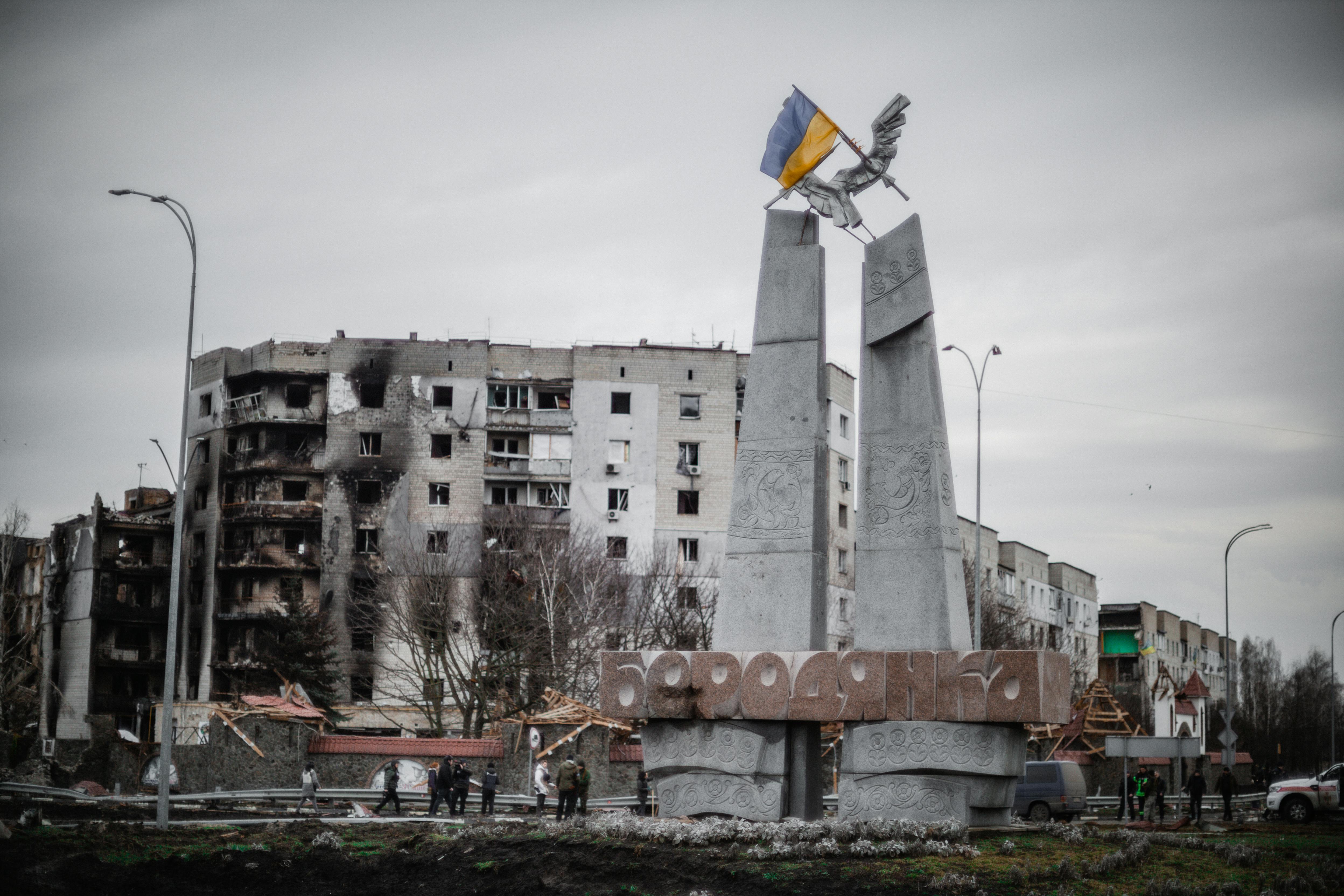
Missiles and drones hit multiple districts in Kyiv. The strike was a coordinated overnight operation using both cruise missiles and kamikaze drones, which struck residential buildings, schools, enterprises and critical infrastructure and left civilians dead and wounded while emergency crews scrambled through rubble and darkness. Is this just another round of strikes?
When I examined the reporting and operational details, patterns were clear, and the attack was consistent with Russia’s continued strategy to target civilian infrastructure to sap morale, degrade logistics and pressure political leaders—this approach blends military objectives with political messaging, and it imposes heavy costs on human dignity and the fabric of urban life. Frankly, the timing matters as much as the ordnance.
Ukraine’s regional administration head described casualties and damage, and officials reported hospitals treating the severely wounded and crews working on power and water repairs, with the strikes striking four distinct districts—this shows both reach and intent, and it demonstrates a willingness to accept collateral harm. The international community reacted with condemnation, and Kyiv framed the strike as evidence that the war remains active despite other global crises pulling attention away. It hurts.
Core Details and Context
Short-term human toll was stark. The attack killed at least four people and wounded at least 15, with three in critical condition, and it hit schools and housing, creating a civilian emergency that demanded immediate medical triage, temporary sheltering and infrastructure repair—local officials activated contingency plans while international partners issued statements of support. What drove the timing?
This strike arrived against two linked pressures: the eruption of a war in the Middle East that drew U.S. and allied focus and a U.S. decision to issue a temporary 30-day waiver on sanctions for certain Russian oil transactions, moves Kyiv argues will indirectly finance Moscow’s war effort, a claim President Volodymyr Zelenskyy publicly criticized as likely to give Russia roughly $10 billion in revenue if left unchecked—this is not merely rhetorical, because energy markets react quickly and national treasuries are affected. Let’s be real: money buys ammunition.
Moscow’s behavior in recent months shows both restraint and opportunism, and while the Kremlin has offered rhetoric in defense of allies, it has been cautious about direct interventions beyond words, which highlights limits on Russian reach even as Moscow capitalizes on higher prices for energy exports—this produces a paradox where Russia wins revenue even as its diplomatic influence gets questioned. Here’s the kicker: geopolitics trades in contradictions.
This attack parallels a longer series of near-daily strikes on Ukrainian civilian areas, and it follows competing claims of front-line gains from both Kyiv and the Kremlin, with each side presenting battlefield snapshots to domestic audiences and to global capitals that influence Policy, Legislation and aid flows—public Opinion matters here because Western governments face electoral cycles and scrutiny over continued military support. The truth is, public pressure can shift strategy.
Timeline — What actually happened and when
Night fell and sirens sounded. Officials reported the strike overnight, emergency services and hospitals activated, and by morning local administrators had tallied casualties and damage and crews were working on restoring utilities while investigators collected fragments to identify munition types and launch trajectories. How did events unfold hour by hour?
1. Pre-dawn alarm: air defenses tracked incoming objects, some were intercepted, but several penetrated urban airspace and struck targets across four districts, damaging homes and public buildings—this pattern hints at layered attacks timed to saturate defenses. 2. Immediate response: medical teams triaged the injured, search-and-rescue sifted wreckage for survivors, and regional officials used social media to coordinate shelter and repair, while the capital’s mayor and national leaders issued condemnations and calls for assistance. 3. Political ripple: Kyiv briefed international partners, President Zelenskyy criticized the U.S. oil waiver as enabling the war machine, and allied capitals issued statements linking the strike to the broader urgency of military and economic support, prompting renewed talks about ammunition resupply and sanctions enforcement.
When I reviewed open-source footage and statements, the pattern of dual missile and kamikaze drone use suggested a deliberate attempt to overwhelm defense systems, and the choice of civilian-heavy targets indicates a continuation of coercive tactics aimed at eroding public resolve—this matches prior Russian operational patterns observed over years of conflict. The result is predictable and tragic.
Comparison Table: Russian strikes vs. Ukrainian defensive posture
| Metric | Russian strikes (offensive) | Ukrainian defenses and response |
|---|---:|---:|
| Primary objective | Break infrastructure and morale, force concessions | Hold territory, protect civilians, maintain supply lines |
| Typical weaponry | Cruise missiles, long-range rockets, kamikaze drones | Air defenses, short-range interceptors, counter-battery fire |
| Civilian impact | High (residential, schools, hospitals) | Mitigated when defenses succeed, but still significant |
| International reaction | Condemnation, sanctions, limited direct military response | Support in arms and sanctions, diplomatic backing |
| Economic effect | Increases energy revenues for Russia but invites sanctions | Strains public finances, requires sustained foreign aid |
Common Misconceptions and what to know
This is not a single isolated incident. The strike is part of a broader pattern of sustained pressure tactics that combine military operations with political signaling and economic exploitation, and treating it as an anomaly misses the strategic logic behind repeated attacks on civilian infrastructure to coerce concessions or to distract opponents. So is this surprising?
Many narratives cast the Middle East war as wholly separate, but the two conflicts intersect through supply chains, energy markets and the allocation of Western military reserves—when Washington shifts materiel or attention, Moscow can exploit the gap economically and politically without committing troops to a new front, and Ukraine bears the consequences in blood and rubble. Let’s be blunt: wars are linked by money and logistics.
Another misconception is that sanction waivers are benign and temporary fixes, but a 30-day waiver on Russian oil imports, even if narrow, creates measurable revenue flows for Moscow, influences traders and refineries, and can dampen the political pressure sanctions intend to create—this is why Kyiv warned that the waiver risks renewing Russian war funding and undermining pressure for a ceasefire. The stakes are fiscal as well as moral.
People often expect an immediate, commensurate military response from allies, yet legislative, logistical and political hurdles slow the shipment of advanced munitions and air defenses—Congressional cycles, procurement timelines and public Opinion determine whether promised support turns into timely ammunition and interceptors, and that delay matters on the battlefield. The bottom line is simple: commitments without delivery are hollow.
Frequently Asked Questions
Q: How many people were killed and injured in the Kyiv region attack? A: Four dead and at least 15 wounded. The regional administration reported three critically wounded and ongoing surgeries, and local hospitals treated multiple casualties while emergency services cleared damaged buildings. Yes, the human toll is the immediate, visible effect.
Q: Why did the U.S. issue a 30-day waiver on Russian oil, and how does that affect Ukraine? A: The U.S. waiver aimed to stabilize global energy markets amid the Middle East conflict and to prevent price spikes that harm allies’ economies, but Kyiv says it provides Moscow with additional revenue that could be used to buy weapons and sustain the invasion, and President Zelenskyy explicitly warned the waiver could yield about $10 billion if unaddressed. Does that help peace? No.
Q: Will Russia escalate beyond strikes in Ukraine because of the Iran war? A: Moscow has so far used rhetoric and diplomatic pressure rather than direct military escalation to assist allies in the Middle East, which indicates a preference for strategic opportunism—Russia benefits from higher energy prices and hopes a distracted West will reduce focus on Ukraine, but large-scale new fronts would demand resources and risk international backlash. So watch the margins, not just the headlines.
Q: What should Western governments do now? A: They should balance short-term energy stability with long-term sanctions integrity, speed critical ammunition deliveries, and reinforce air defense systems for urban centers, and they should also consider Policy and Legislation that protect civilian infrastructure while sustaining humanitarian aid—this aligns with stewardship principles and the dignity of work and life. We need both moral clarity and practical logistics.
Final thought
This strike is a warning and a measurement. It measures how much attention the world can afford to give to one war while another burns elsewhere, and it warns that when global focus tilts, the costs fall on ordinary people whose neighborhoods and schools become strategic targets rather than safe spaces. We must act.
The ethical dimension cannot be separated from strategy, and defending civilians, sustaining essential services and enforcing sanctions are not abstract concerns but duties tied to stewardship of resources and the protection of human dignity in the face of aggression—these duties should shape Policy and aid decisions even when politics gets messy. When I covered similar attacks, governments that moved quickly to provide interceptors, ammunition and economic support reduced civilian suffering and preserved institutional resilience, so fast delivery matters as much as rhetoric.
The truth is simple: compassion without capacity is only sentiment, and capacity without moral limits is dangerous. Questions remain about how long the Middle East war will distract allies, how long the U.S. waiver strategy will persist, and whether international markets will continue to transfer cash into regimes that use it for violence, and those questions demand political will, legislative action and public pressure to ensure that humanitarian concerns and strategic security are both addressed—public Opinion will shape elections and thereby Policy outcomes. Here’s the kicker: if Western publics insist on ethical consistency and practical support, elected leaders will follow, and that is how democracies live out responsibility to the common good.
Sources: AP, Reuters, BBC, New York Times