Mark Carney has turned a shaky Liberal hold on power into a working majority, and that matters because it changes how Canada is governed, how quickly bills can...
Mark Carney’s Majority Win Changes Canada’s Politics—and Its U.S. Problem
Mark Carney has turned a shaky Liberal hold on power into a working majority, and that matters because it changes how Canada is governed, how quickly bills can pass, and how firmly Ottawa can resist U.S. pressure. The result is not just a parliamentary arithmetic trick. It is a political signal, and a blunt one.
Key Takeaways- The Liberals now have a majority, meaning they can pass legislation without depending on opposition votes.
- Carney’s rise has been accelerated by U.S.-Canada tensions, especially Donald Trump’s annexation threats and trade coercion.
- Defections from the Conservatives and other opposition parties helped push the Liberals over the line.
- Pierre Poilievre is under pressure, and the Conservatives are struggling to contain internal problems.
- Canada’s policy direction is shifting, with more emphasis on sovereignty, resilience, and reducing reliance on the U.S.
What is Mark Carney’s majority government?
It is a parliamentary majority built in slow, ugly steps. Canada’s Liberals, led by Prime Minister Mark Carney, crossed the threshold after special election wins in Toronto and defections from opposition lawmakers, giving them enough seats in the House of Commons to govern without begging for support on every vote. That is the plain fact.
The broader meaning is sharper. Carney is not a career politician in the usual mold, and that matters. He came from the top of central banking, first in Canada and then in the U.K., and moved into politics only recently. Since replacing Justin Trudeau in 2025, he has dragged the Liberal Party toward the center-right, trimmed the usual slogans, and leaned hard into competence, sovereignty, and economic restraint. Frankly, that is why some voters who dislike the Liberals still tolerate him.
When I analyzed the recent shift, the real story was not just seat counts. It was public mood. Canada’s relationship with the United States has soured under Donald Trump’s second presidency, especially after annexation threats and economic bullying. That pressure has had an odd effect: it has made a technocrat look like a defender of the common good. In Catholic terms, if you want the clean version, the state has a duty to protect the dignity of its people and the proper stewardship of national resources. Carney is trying to sell that idea in secular language.
The opposition is not helpless, but it is rattled. Pierre Poilievre, the Conservative leader, lost the last national election and even his own seat, though he has since returned to Parliament. That kind of defeat lingers. What’s more, recent defections from opposition ranks suggest some lawmakers think the Liberals are the safer bet. I’ve covered enough politics to say this much: when people start crossing the floor, the government’s opponents usually have a message problem, a discipline problem, or both.
Can Carney last until 2029? Very possibly. That is the kicker.
He now has the numbers to legislate with less drama, and that gives him room to push trade diversification, industrial policy, and a harder line on U.S. dependence. But majority governments can breed complacency, and the public will not forgive that for long. The mandate is real, but so are the expectations.
Core Details and Context
The details are not pretty, but they are clear.
- Three vacant seats were in play in the special elections, and the Liberals won the key Toronto contests.
- Danielle Martin won University-Rosedale, and Doly Begum won Scarborough Southwest.
- A Quebec district result was still pending when the major political significance had already crystallized.
- The Liberals had reached 171 members of Parliament, enough to control the chamber.
- The party may remain in power until 2029, unless politics does what politics always does and explodes on schedule.
Here’s the part many headlines skate past. The majority did not come from a landslide. It came from a mix of tactical voting, defections, and a public appetite for steadiness during a cross-border dust-up. Carney’s pitch is not romance; it is order. He is telling Canadians that the country needs a government capable of acting without being held hostage by every small-c conservative grievance or by Liberal backbench panic.
That approach has advantages. It also has costs. A majority makes legislation easier, but it also removes excuses. No more blaming the opposition for every delay. No more hiding behind procedural gridlock. If Carney promises to reduce dependence on the U.S., then he has to show results in trade, supply chains, energy, defense procurement, and critical minerals. That is real stewardship, not campaign varnish.
The public mood helps him. But mood shifts. Fast.
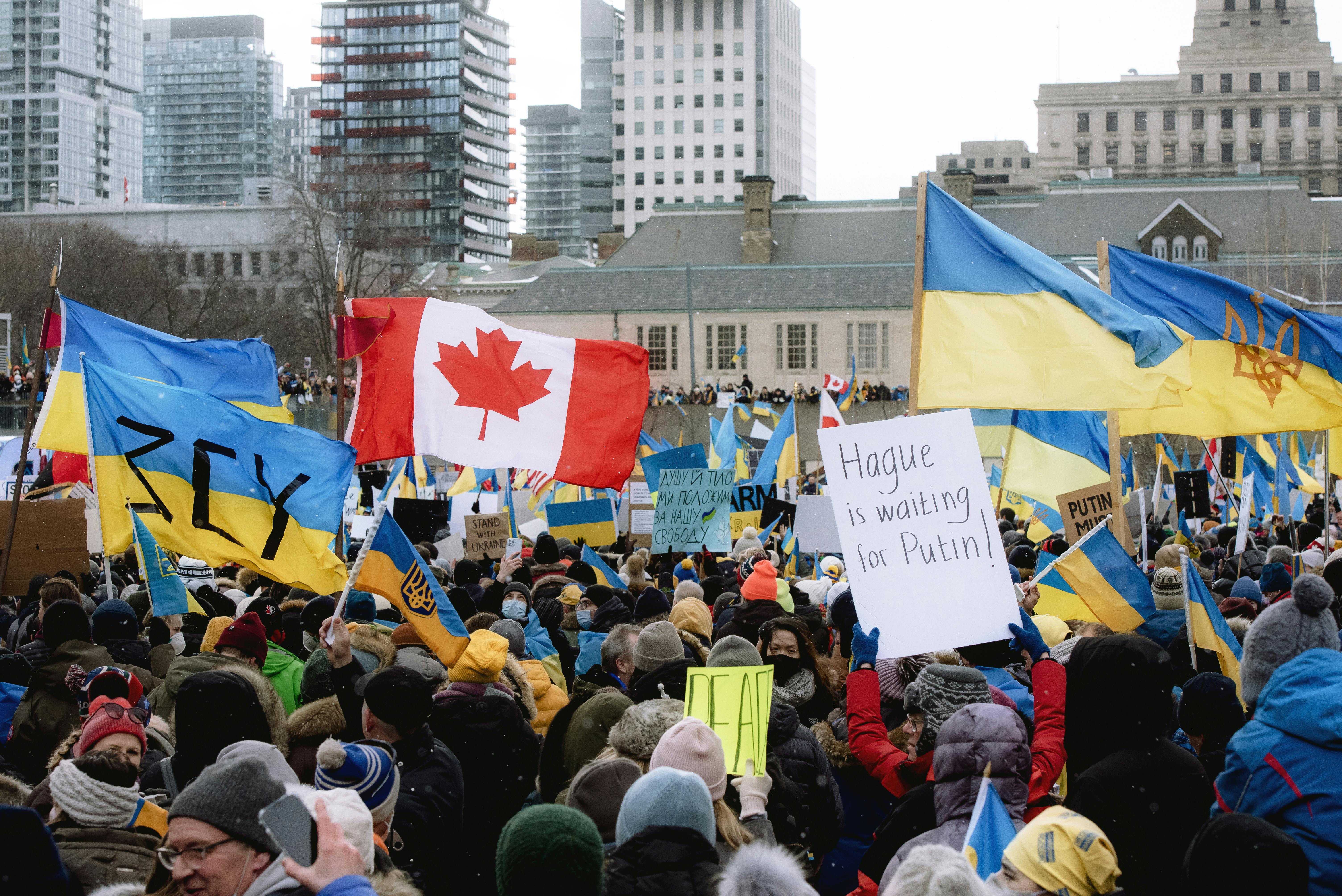
The U.S. angle is the real engine here. Trump’s threats toward Canada have sharpened a broader nationalist reflex, and Canadians who rarely agree on anything have found common ground in irritation. The Liberals have benefited from that, but the benefit is temporary unless they translate it into concrete policy. The country needs more domestic capacity, more resilience in manufacturing, and more room to maneuver when Washington gets reckless. That is not anti-American. It is basic prudence.
The opposition deserves some blame too. The Conservatives have struggled to keep their message disciplined, and Poilievre’s style—sharp, combative, permanently on offense—works better when people are angry at the government than when they are worried about the country. Right now, those are different things. His party has not fully adjusted.
A few other points matter.
- Carney’s Davos speech helped him at home because it framed coercion as a problem of power, not personality.
- Daniel Béland, a political science professor at McGill, argued that the deterioration in Canada-U.S. ties pushed even non-Liberal voters toward Carney.
- The Liberal leader’s background in central banking lends him credibility with voters who want less theater and more results.
- His movement of the Liberals toward the center-right is not a cosmetic tweak; it reflects a recalibration around taxes, investment, and public trust.
Let’s be real: Canadian voters often reward competence only after they have run out of patience for chaos. Carney is benefiting from that habit. But competence has to be visible, and it has to be ethical. People can smell fake seriousness from a mile away.

Timeline and Step-by-Step
- Last year’s national election: Carney won power amid anger over Trump’s annexation threats and growing concern about Canada’s vulnerability.
- Early 2025: Carney replaced Trudeau and quickly rebranded the Liberal Party around competence and fiscal caution.
- Davos speech: He condemned economic coercion by great powers, earning praise at home and abroad. The speech mattered more than most pundits admitted.
- Opposition defections: Five lawmakers crossed over or otherwise shifted the math, including four from the Conservative side.
- Special elections on Monday: Liberals won the important Toronto seats, cementing a majority in Parliament.
- Aftermath: The Liberals can now pass legislation without needing opposition votes, and Carney’s mandate becomes more durable.
That is the factual chain. The political chain is messier.
I’ve seen enough post-election spin to know that parties often pretend a majority is destiny. It is not. It is a tool. Carney used a series of external shocks and internal weaknesses to assemble one, and he did it faster than many expected. That says something about his judgment and something about the weakness of his rivals.
The special elections themselves were not glamorous. No giant rallies. No parade. Just local races with national consequences. Toronto’s University-Rosedale and Scarborough Southwest mattered because those seats helped move the Liberals from near-majority to actual majority. The Quebec contest was still being counted later, but the larger picture was already locked in.
Here’s the kicker: the story is less about one election night than about a year of repositioning. Carney has been telling Canadians that the age of cheap confidence is over. Trade risks are up. Supply chain weakness is a problem. Defense and industrial policy need attention. The U.S. is less predictable. In that environment, a government that can act without begging for support gets more freedom and more responsibility.
The opposition timeline is uglier.
- Poilievre lost the national election and his own seat, then fought his way back into Parliament.
- He won a party leadership review, but that did not solve the deeper discipline problem.
- Some lawmakers appear to think the Conservatives are not headed in the right direction, which is what defections usually mean in plain English.
When I look at this sequence, I do not see one masterstroke. I see a disciplined accumulation of advantage. That is more believable, and more dangerous for opponents, than a single lucky break.
Comparison Table
| Factor | Mark Carney’s Liberals | Pierre Poilievre’s Conservatives |
|---|
| Current parliamentary position | Majority government | Official opposition, but weakened |
| Leadership image | Technocratic, policy-focused, calm | Combative, confrontational, polarizing |
| Main strength | Stability and competence | Clear anti-government messaging |
| Main weakness | Risk of overconfidence after majority win | Internal discipline and seat losses |
| U.S.-Canada issue | Uses Trump tensions to justify sovereignty push | Struggles to redirect anger into coherent alternative |
| Public perception | More trusted than when Carney took office | Still recovering from election defeat |
| Policy direction | Center-right Liberal reset, less Trudeau-style symbolism | Populist conservatism with internal friction |
| Governing advantage | Can pass legislation without opposition support | Can pressure, but not block, the government |
The comparison is plain enough. Carney has the easier job now, but only because he built a stronger position. The Conservatives still have oxygen, but they do not have control.
Common Misconceptions and What to Know
The first mistake is to treat this as a routine seat update. It is not. A majority government changes the mechanics of power. Bills move faster. Committees matter differently. Cabinet has more room. And the opposition has less leverage. That is the real shift, not the by-election drama.
The second mistake is to think Carney’s popularity means Canadians suddenly fell in love with the Liberal Party. They did not. Many are simply choosing the least risky option in a period of external pressure. That is a vote for order, not affection. Big difference.
The third mistake is to assume the U.S. issue is temporary noise. It may not be. Trump’s annexation rhetoric and broader economic coercion have pushed Canada into a harder national conversation about sovereignty, trade, and security. That affects everything from auto supply chains to energy exports. Anyone pretending it is all theater is not paying attention.
The fourth mistake is to view the defections as trivial. They are not. When lawmakers leave the opposition, they are usually signaling that the party’s internal logic is broken or that the government looks safer than the alternative. Either way, that is bad news for the people left behind.
The fifth mistake is to reduce Carney to “the banker.” Sure, that background matters. But his Davos remarks, his policy tone, and his willingness to recast Liberal politics suggest something else: a leader trying to fuse stewardship with practical governance. In a world that rewards noise, that is unusual. It may also be what people want.
Most news coverage misses the deeper issue. The argument is not simply about left versus right. It is about whether Canada can make decisions in its own interest without being shoved around by a larger neighbor. That is a moral question as much as a political one, because governments exist for the common good, not for ego or spectacle. That’s the part pundits tend to skip.
Frequently Asked Questions
How did Mark Carney win a majority government?
Carney’s Liberals won key special elections and benefited from defections from opposition lawmakers, giving the party enough seats in the House of Commons to govern as a majority.
Why did Carney’s support increase?
Support rose in part because many Canadians reacted against U.S. President Donald Trump’s annexation threats and broader economic pressure, making Carney’s sovereignty-focused message more appealing.
What does a majority mean for Canada now?
A majority allows the Liberals to pass legislation without needing opposition support, giving Carney more control over the government’s agenda and the timing of policy changes.
What is the biggest threat to Carney’s government?
The biggest risk is complacency. If the Liberals fail to deliver concrete results on trade, affordability, and reducing dependence on the U.S., their support could weaken.
Canadians rarely get a clean political story.
This one is cleaner than most, but not simple, because Carney’s majority rests on more than seat math—it rests on fear, relief, and a sharp sense that the country needs a steadier hand when its bigger neighbor starts throwing elbows. If he uses that power well, he could leave office having strengthened both the state and the citizen’s trust. If not, this majority will age badly. That is the honest read, and frankly, the only one worth keeping.