A missing 65-year-old man was found dead on Whidbey Island after a 17-hour search by the U.S. Coast Guard. He reportedly fell from a 12-foot boat near Port...
Missing 65-Year-Old Man Found Dead on Whidbey Island After 17-Hour Coast Guard Search
A missing 65-year-old man was found dead on Whidbey Island after a 17-hour search by the U.S. Coast Guard. He reportedly fell from a 12-foot boat near Port Townsend, and the grim outcome fits a hard truth about small-boat emergencies: the water does not forgive hesitation, bad luck, or a late response.
Key Takeaways
- The man disappeared after reportedly falling from a 12-foot boat near Port Townsend.
- The U.S. Coast Guard searched for about 17 hours before the case ended in recovery, not rescue.
- Whidbey Island became the focal point of the search and recovery effort.
- Small-vessel incidents move fast, and cold water, wind, and current can turn a routine outing into a fatal event.
- The real lesson is not drama; it is preparation, flotation, and respect for risk.
What is the Port Townsend Whidbey Island boating incident?
This was a marine emergency, plain and simple. A 65-year-old man reportedly fell overboard from a small 12-foot boat near Port Townsend, triggering a search by the U.S. Coast Guard that lasted roughly 17 hours before he was found dead on Whidbey Island. That sequence matters because it shows how quickly a fall from even a modest vessel can become a fatal disappearance, especially in cold, moving water.
Most news coverage treats cases like this as a sad one-day event, then moves on. That misses the real point. Small-boat incidents sit at the intersection of maritime safety, weather, currents, survival time, and human error. I’ve covered enough emergency response stories to know the headline rarely captures the mechanics underneath. A fall overboard is not just a fall. It is a race against shock, disorientation, hypothermia, and search radius.
Frankly, the size of the boat is part of the story. A 12-foot vessel offers little margin for bad balance or a sudden wave. If conditions were rough, if the man was alone, or if he was not wearing a life jacket, the odds would have worsened fast. That is not speculation for the sake of drama. It is the ugly arithmetic of boating in the Pacific Northwest.
The incident also raises a broader issue: public safety depends on the boring habits people skip. Life jackets. Float plans. Working radios. Cold-water gear. These are not luxuries. They are the unglamorous tools of stewardship—of one’s own life and of the people who have to search for you when things go wrong. The duty to prepare is not abstract. It is practical, and it is moral.
For readers tracking related emergencies and regional conditions, see this broader reporting on regional weather conditions, Coast Guard operations, and our coverage of boating safety.
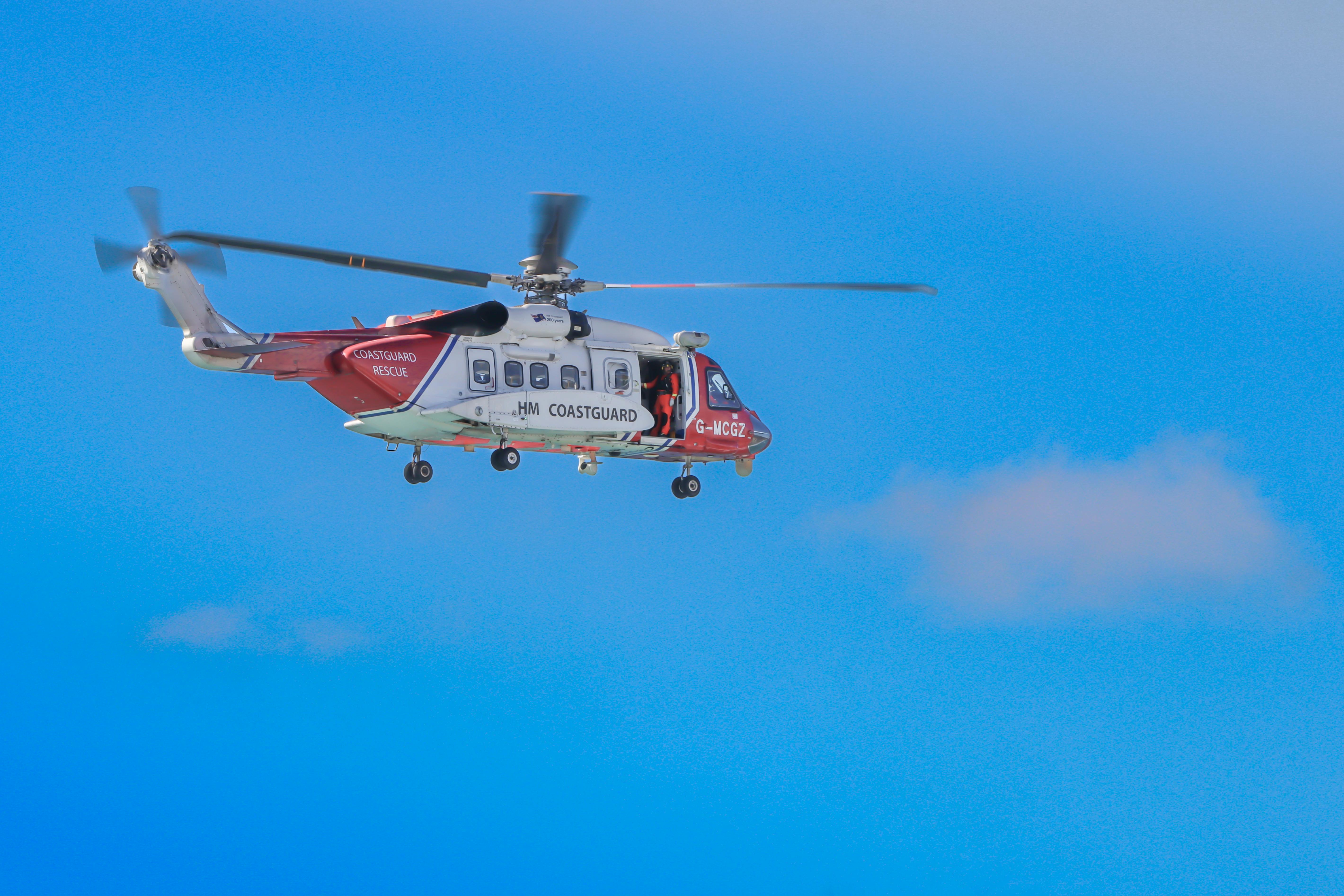
Core details and context
Here’s the part nobody wants to say out loud: most boating deaths are not cinematic. They are quick, quiet, and avoidable in hindsight. The facts in this case point to that ugly truth.
- Location: near Port Townsend, with recovery linked to Whidbey Island.
- Vessel: a 12-foot boat, which is small enough that balance, wake, and movement matter a lot.
- Victim: a 65-year-old man.
- Response: the U.S. Coast Guard searched for about 17 hours.
- Outcome: the man was later found dead.
The search duration matters. Seventeen hours is not a blink. It suggests an active and serious response, likely involving surface search patterns, shoreline checks, and coordination among maritime responders. But even a strong search effort faces limits. Water moves bodies. Wind shifts debris fields. Visibility changes. Search crews do the work, but they do not control the tide. That is the kicker.
Common narratives often frame these stories as random tragedy, full stop. Randomness exists, sure. But there is usually a chain. Equipment failure. Bad weather. A lapse in attention. A life jacket left unused. A boat too small for the conditions. Sometimes the chain is impossible to reconstruct. Still, investigators and emergency teams look for patterns because patterns save lives later.
A few practical facts stand out:
- Cold water reduces survival time. Even strong swimmers can lose function quickly.
- Small boats capsize more easily. The margin between stable and unstable is thin.
- Single-person outings raise risk. No one is there to throw a line, call for help, or hold position.
- Nightfall complicates searches. Even a well-equipped team has a harder time once visibility drops.
- Life jackets change outcomes. Not always, but often enough that ignoring them is reckless.
I’ve noticed that people tend to blame the sea as if it were some moral force. It is not. It is indifferent. That distinction matters. Human dignity shows up not in romanticizing danger, but in refusing to pretend danger is harmless. Safety rules exist because people are fragile, and because other people bear the burden when precautions are ignored.
If you want the operational side of how the Coast Guard works in emergencies, read this explainer from the U.S. Coast Guard news office and this Washington maritime report from Associated Press Washington coverage.

Timeline and what actually happened
The sequence is the real story, not the headline.
- The man was aboard a 12-foot boat near Port Townsend.
That detail matters because the boat’s size suggests a limited safety buffer. A small vessel in open or exposed water leaves little room for error. - He reportedly fell overboard.
This is the moment everything changes. A person in the water is no longer just a passenger. He is exposed to shock, current, and cold, and every minute becomes expensive. - The U.S. Coast Guard began searching.
Search and rescue operations in this region can involve boats, aircraft, shoreline observers, and coordination with local agencies. The public often underestimates how much work goes into that first hour. - The search continued for about 17 hours.
That length tells you responders did not quit early. They kept at it, which is what people expect from professional crews and what communities deserve. - The man was found dead on Whidbey Island.
This is the ending nobody wanted. Recovery closes the operation, but not the sorrow.
When I look at cases like this, I ask one blunt question: what could have changed the result? Sometimes the answer is nothing. Sometimes the answer is obvious and painful. A life jacket. A buddy aboard. A radio call. Better planning. A slower departure. It is easy to say after the fact, yes. But prevention is built out of after-fact lessons. That is how the grown-up world works.
Let’s be real. Boating culture sometimes rewards confidence and shrugs at caution. That is foolish. The sea does not care how experienced someone thinks he is. It only responds to physics. Wind, water temperature, hull size, and reaction time are not impressed by attitude.
For readers interested in how emergency alerts and response protocols are handled more broadly, this related coverage on weather safety guidance and National Weather Service advisories is worth keeping handy.
Comparison table: small-boat risk vs. larger-vessel margin
| Factor | 12-foot boat near Port Townsend | Larger vessel in similar conditions |
|---|
| Stability | Lower, easier to upset | Higher, more room for movement |
| Freeboard | Limited | Better protection from waves |
| Recovery after fall | Harder | Easier with more deck space and gear |
| Search visibility | Often worse if person goes overboard quickly | Better if distress gear is available |
| Safety equipment capacity | Minimal | More likely to carry radios, lights, and flotation |
| Risk from cold water | Same water, but worse exposure | Same water, more chance of immediate response |
The comparison is not meant to excuse the outcome. It is meant to show why small boats require serious discipline. Bigger boats are not magic shields, but they usually give responders and passengers more time. Time is everything in a man-overboard event.
Common misconceptions and what to know
The public usually gets boating fatalities wrong in the same few ways.
Misconception 1: This only happens in bad storms.
Not true. Plenty of fatal incidents happen in ordinary conditions, or at least conditions that seemed ordinary until the water shifted, the boat lurched, or someone lost balance. Calm-looking water can still be lethal.
Misconception 2: Strong swimmers are safe.
No. Cold shock, clothing weight, exhaustion, and panic can overwhelm even capable swimmers. The sea punishes overconfidence. That is not melodrama. That is just reality.
Misconception 3: Search crews failed if there was no rescue.
That is unfair and often false. Search teams can do everything right and still face impossible conditions. The Coast Guard’s job is to search and save when possible, not to manufacture miracles.
Misconception 4: A small boat is fine if the trip is short.
Sometimes that false sense of safety is exactly the problem. Short trips still produce falls, engine trouble, and exposure. A few minutes is enough.
Misconception 5: These stories are just local news.
No, they are public safety lessons. They reflect how communities use waterways, how emergency services respond, and how ordinary people misread risk.
Here’s the real lesson. Preparedness is not about fear. It is about responsibility. That includes the kind of practical care Catholic teaching has always prized in plain language: respect for life, concern for the vulnerable, and responsibility for the common good. In other words, don’t act as if your choices stay private once you hit the water.
People also confuse recovery with closure. It is not the same thing. Recovery ends a search. It does not erase the human loss, and it does not answer every question. Families still want the timeline, the cause, the last known position, and the small detail that might explain everything. Fair enough.
For a deeper look at boating mishaps and marine safety enforcement, see NBC News U.S. coverage and regional boating reports.
Frequently asked questions
What happened to the missing man near Port Townsend?
He reportedly fell from a 12-foot boat near Port Townsend, prompting a U.S. Coast Guard search that lasted about 17 hours before he was found dead on Whidbey Island.
How long did the Coast Guard search last?
About 17 hours, according to the reported timeline.
Why are small-boat incidents so dangerous?
Small boats give passengers less stability, less protection from waves, and less time to respond if someone goes overboard. Cold water makes the danger much worse.
Could a life jacket have changed the outcome?
It might have, but no one can say that with certainty from the public facts alone. What is certain is that flotation gear improves survival odds and should be worn every time.
Final thought
This case is sad because it is ordinary in the worst way. A man went out on the water, fell, and a search followed that ended in recovery instead of rescue. That is the kind of loss that reminds the rest of us to stop acting invincible. The sea is not interested in our assumptions, our schedules, or our confidence.
Most people want a tidy explanation. There may not be one. But there is still a duty to learn. Wear the life jacket. File the float plan. Check the weather. Carry the radio. Bring another person if you can. Those are small acts, yes, but they are how prudence looks in real life. And when life is on the line, prudence is not boring. It is love in practical form.