A missing pilot search is about time, risk, and responsibility. The latest jobs report is about labor demand, wages, and whether the economy is still holding...
Missing Pilot, Rescue Search, and the Jobs Report: What Actually Matters Now
A missing pilot search is about time, risk, and responsibility. The latest jobs report is about labor demand, wages, and whether the economy is still holding together under pressure, and the two stories together say something bigger: institutions are being tested, while ordinary people absorb the consequences. That is the plain reading, and the glossy spin does not help.
Key Takeaways- The missing pilot case is a rescue and recovery challenge first, a news cycle second.
- The jobs report matters because it shows whether hiring, wages, and labor participation are still solid.
- Search operations depend on weather, terrain, fuel, coordination, and fast decisions.
- The labor market can look fine on paper while strain builds underneath.
- Most coverage misses the human side: safety, dignity, and the duty to do the hard work well.
What is the missing pilot rescue search, and why does it matter?
A missing pilot search is a time-sensitive effort to locate an aircraft and the person flying it. It usually involves local authorities, aviation officials, search-and-rescue teams, helicopters, radar data, witness reports, and sometimes military or federal support. The goal is simple. Find the aircraft. Find the pilot. Confirm what happened. That part is obvious, but the process is rarely neat.
When I look at these cases, the first mistake is to treat them like a mystery novel. They are not. They are logistical emergencies with cruel variables: weather, visibility, fuel range, terrain, and the ugly possibility that a crash site is hidden in a place people do not reach quickly. Frankly, the search phase often tells you more about the system than the headline does. Can agencies coordinate fast enough? Do they share flight data? Can they get eyes on the ground before the trail goes cold?
The public usually hears about the missing pilot only after the clock has already started running. That matters. The first hours are critical, and every delay narrows the odds. FAA news and safety updates explain how aviation safety is built around constant reporting and oversight, but once a plane disappears, the system shifts from prevention to damage control. That is where the real work begins.
The search efforts also touch on a basic moral fact people like to dodge: a pilot is not just a data point. He or she is a person with family, colleagues, and a life that should not be reduced to a map pin. A decent society remembers that. It is part of the duty to protect human dignity, not just property or paperwork.
Core details and context
- Flight plan and route: Investigators check where the aircraft was supposed to go, what altitude it held, and whether it deviated.
- Radar and ADS-B data: Aircraft tracking tools can show the last known position, but gaps still happen.
- Weather conditions: Low clouds, storms, icing, or high winds can wreck both flight and search operations.
- Terrain: Mountains, forests, water, and remote desert all slow recovery efforts.
- Witness accounts: Useful, but often fuzzy. People misjudge distance, speed, and timing all the time.
- Aircraft type: Small planes are harder to track than commercial jets, and some carry less robust emergency equipment.
Here’s the kicker. The public often assumes every missing aircraft should be found quickly because we have satellites and all kinds of gadgets. That is wishful thinking. Technology helps, yes, but it does not flatten geography. A wrecked plane can vanish in rough country like a dropped coin in tall grass. Search teams know this. The rest of us pretend otherwise.
The story also exposes how much depends on coordination between local police, county sheriffs, emergency managers, aviation experts, and sometimes the National Transportation Safety Board. If you want clean answers, you need clean records. That is the unromantic truth.
For readers following broader aviation safety issues, it helps to compare this kind of incident with wider transportation oversight. NTSB investigations often take months because investigators are not chasing headlines; they are reconstructing cause. That slow work is necessary, even if it frustrates the 24-hour-news crowd.
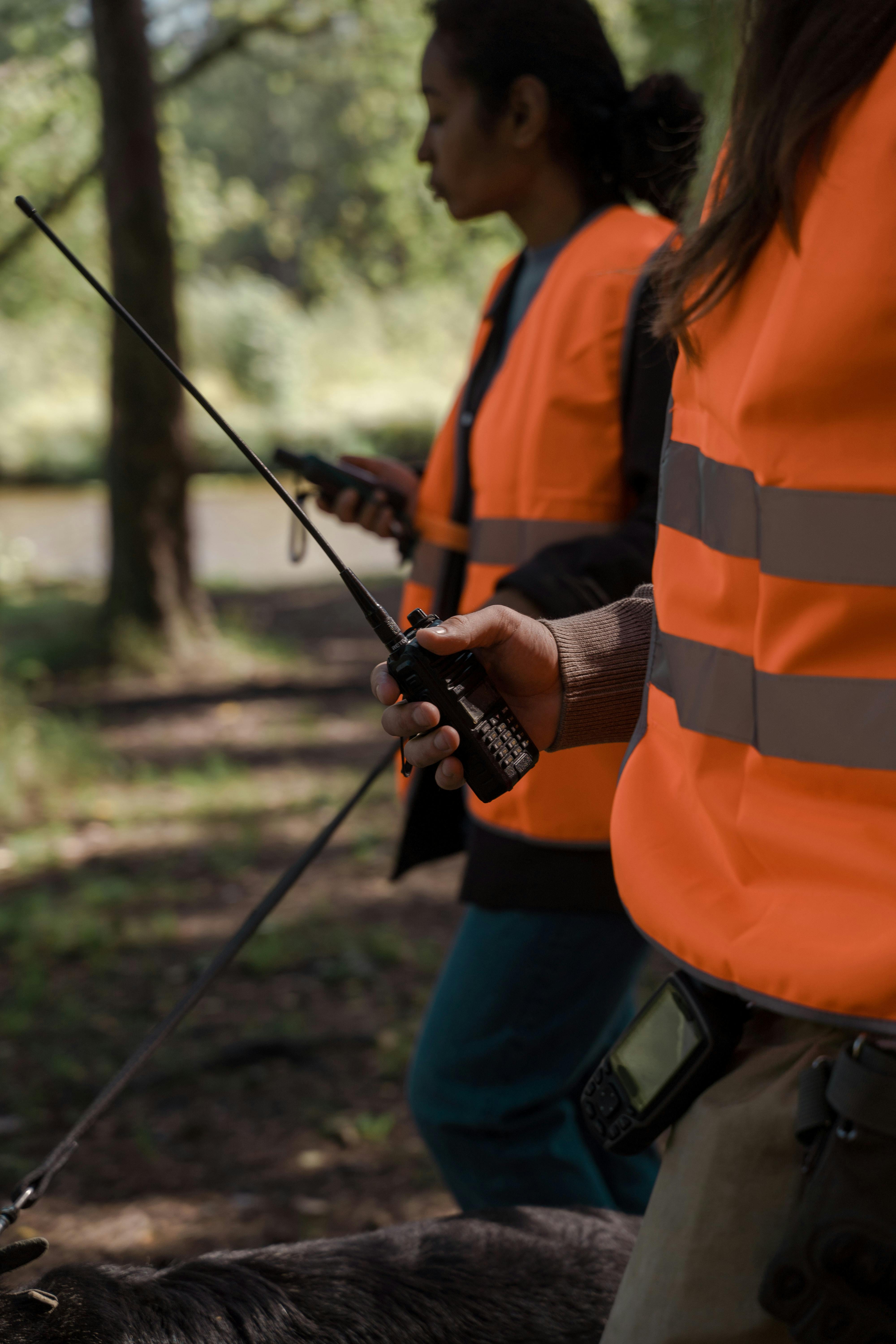
There is also the issue of speculation. Everyone wants a neat theory within hours. Pilot error. Mechanical failure. Weather. Navigation mistake. Sometimes one of those is right. Sometimes several are. But until wreckage is found, confident talk is mostly noise. I’ve covered enough fast-moving incidents to know that certainty arrives late, if at all.
What the jobs report is really saying
The jobs report is a monthly snapshot of the labor market, usually centered on payroll growth, unemployment, wage gains, and labor force participation. It is one of the most watched economic releases because it tells markets, policymakers, and families whether the labor engine is still turning. The problem is that people cherry-pick one number and call it a story. That is lazy.
A strong jobs report can hide weak spots. A weak report can still leave room for hope. The details matter more than the headline. For example, if hiring is concentrated in healthcare, government, or leisure, while manufacturing or construction cools, that tells a more mixed story than the top-line payroll number suggests. Same with wages. Rising pay can reflect healthy demand, or it can reflect employers paying up to keep people from leaving. The difference matters.
When I analyzed labor data over time, the pattern that keeps showing up is simple: headline strength can coexist with household strain. People have jobs, yes, but rent is high, grocery bills are stubborn, and savings do not stretch like they used to. That is not a statistical quibble. It shapes how workers live.
For a broader sense of how the labor market feeds into policy debates, see the Bureau of Labor Statistics employment situation report. The BLS does not do theater. It does numbers. Useful habit.
The jobs report also matters because it feeds the argument over the Federal Reserve, interest rates, and inflation. Strong hiring can make rate cuts less likely. Weak hiring can increase pressure to ease. Everyone talks about the economy as if it were one thing. It is not. It is a pile of trade-offs.
And there is a deeper point here, one rooted in plain moral sense: work is not just a macroeconomic variable. It is tied to human dignity, family stability, and stewardship of resources. A labor market is healthiest when it serves people, not when people are treated as afterthoughts in a chart.
Timeline and step-by-step: how these stories unfold
- The event occurs. A plane goes off radar or fails to return. A payroll survey period closes. Two different systems start counting in different ways.
- Initial signals appear. For the search, authorities get an alert, a last known position, or a missing person report. For jobs data, economists see early survey responses and model the rest.
- Teams gather. Search crews, aviation officials, and local responders deploy. On the labor side, analysts at the BLS compile payroll, household survey, and wage data.
- First public reports land. Press releases and breaking alerts hit fast. That is where confusion blooms. I’ve seen the same thing happen again and again: the first report is usually the least polished and the most repeated.
- The real work begins. Search teams canvass terrain, review radar, and coordinate aircraft. Labor economists dissect labor force participation, revisions, and sector gains. If you only read the headline, you miss half the story.
- Revisions and follow-up arrive. Search findings may shift with new evidence. Jobs figures are often revised in later months. That is not a scandal. It is how measurement works.
- Public judgment hardens. People choose a narrative: tragedy, failure, resilience, recovery, slowdown, boom. Some of those labels fit. Many do not.
The timeline matters because both events punish shallow thinking. Search operations are not magic. Labor reports are not prophecy. Each requires patience and a willingness to sit with uncertainty, which is rare these days.
If you want a clean comparison of how official data gets corrected over time, the BLS news release archive is worth reading. The revisions tell a better story than the shouting on social media.
Comparison table: missing pilot search vs. jobs report
| Factor | Missing pilot search | Jobs report |
|---|
| Main purpose | Locate aircraft and pilot, confirm outcome | Measure labor market conditions |
| Lead institutions | Local authorities, FAA, NTSB, rescue teams | BLS, Labor Department, economists |
| Time sensitivity | Extremely high in first hours | High on release day, then less urgent |
| Data sources | Radar, witness reports, flight plan, weather, wreckage | Payroll survey, household survey, wage data, revisions |
| Biggest uncertainty | Location and condition of aircraft | True strength of hiring and participation |
| Public impact | Human tragedy, safety concerns | Policy, markets, wages, household confidence |
| Common mistake | Premature speculation | Overreading a single monthly figure |
| Best comparison | Search-and-rescue operations | Economic scorekeeping |
The comparison is not cosmetic. One story is about urgent rescue. The other is about measuring the health of work. Yet both expose a familiar problem: people want certainty before the facts are ready. That impulse causes trouble in aviation and economics alike.
The truth is, there is no substitute for methodical work. Not in a mountain search. Not in labor stats. Not anywhere serious.
Common misconceptions and what to know
The first misconception is that a missing pilot search should be quick if agencies are competent. Sometimes it is. Often it is not. Geography is stubborn. Weather is worse. A careful search can still take time, and delay is not always failure. That distinction matters.
The second misconception is that every jobs report tells you whether the economy is “good” or “bad.” It does not. It tells you something narrower: how employers are adding jobs, how wages are moving, and whether workers are entering or leaving the labor force. That is useful, but it is not a full moral verdict on the economy. People make the mistake of turning labor data into a scoreboard for politics. That is cheap analysis.
The third misconception is that technology has removed uncertainty. Nope. Plane trackers fail, signals disappear, surveys need revisions, and models can misread the moment. Better tools help, but they do not abolish human limits. If anything, they make us more accountable for what we do with the information we have.
The fourth misconception is that the human element is sentimental padding. It is not. A rescue search is about a person in peril. A jobs report is about families trying to pay bills. That is the part most coverage flattens. A civilized society should be measured by how seriously it treats both life and labor.
For readers who want broader context on public safety and oversight, FAA aviation safety initiatives show how prevention is supposed to work before a crisis hits. Prevention is cheaper than grief. Usually.
For labor market context beyond the headline, the household survey data is often overlooked, even though it captures unemployment and participation in ways payroll totals cannot. That omission leads to bad takes.

And here is the part people rarely say plainly: both stories involve stewardship. Search teams steward time and resources under pressure. Policymakers and employers steward labor conditions that affect real households. That is not lofty language. It is basic responsibility. Miss that, and you miss the point.
Frequently Asked Questions
What happens during a missing pilot search?
Authorities review the flight plan, radar, weather, and witness reports, then dispatch search teams to the last known area. Depending on the terrain and aircraft type, the operation may involve helicopters, ground crews, drones, and aviation investigators.
Why do jobs reports matter so much?
They show whether employers are hiring, whether wages are rising, and whether people are participating in the labor force. That information affects interest rates, business plans, and household expectations.
Can the first jobs report number be wrong?
Yes. It can be revised later as more complete data arrives. That is normal. The headline gets attention, but revisions often tell a better story.
Why do missing pilot cases take so long to solve?
Because aircraft can go down in remote or rugged areas, signals can be lost, and weather can block recovery. Search crews work hard, but the terrain does not care about your timeline.
People crave tidy endings. They always have. But the world rarely offers them on demand, and these two stories make that plain in different ways. A missing pilot search reminds us that every hour matters when a life may be hanging in the balance. A jobs report reminds us that economic health is never just a number on a screen, because behind every payroll count is a family balancing rent, food, school, and the next bill.
That is why I mistrust the loudest voices on both subjects. They rush to declare certainty, then move on before the facts settle. The better habit is older and harder: wait, verify, and keep the human person at the center. In the end, the measure of a society is not whether it can produce a fast take. It is whether it can protect the vulnerable, tell the truth, and do the work with a steady hand.
The rest is noise.