Mollie McCullough Identified as Helen Doe After 35 Years
For 35 years, the woman buried after a fatal 1991 Interstate 5 crash was known only as Helen Doe. The Washington State Patrol says she was Mollie McCullough, a 34-year-old Ohio native whose family had been searching for answers since she disappeared. DNA testing and genealogical research connected her remains to her brother.
The identification closes one question, but it cannot restore the years Mollie’s family spent without knowing what happened. WSP says her relatives had not heard from her after she left home to catch a ride. She was the oldest daughter in a large family, loved horses and travel, and enjoyed being with her nieces and nephews.
The case also shows what long-term investigative work can accomplish when agencies and specialists keep returning to evidence that once yielded no answer. But the technology was only part of the work: investigators needed a usable DNA profile, careful family-tree research, and relatives willing to help confirm the match. The facts released so far do not explain every detail of Mollie’s disappearance or the crash, and those gaps should not be filled with guesses.
What Is the Helen Doe Case?
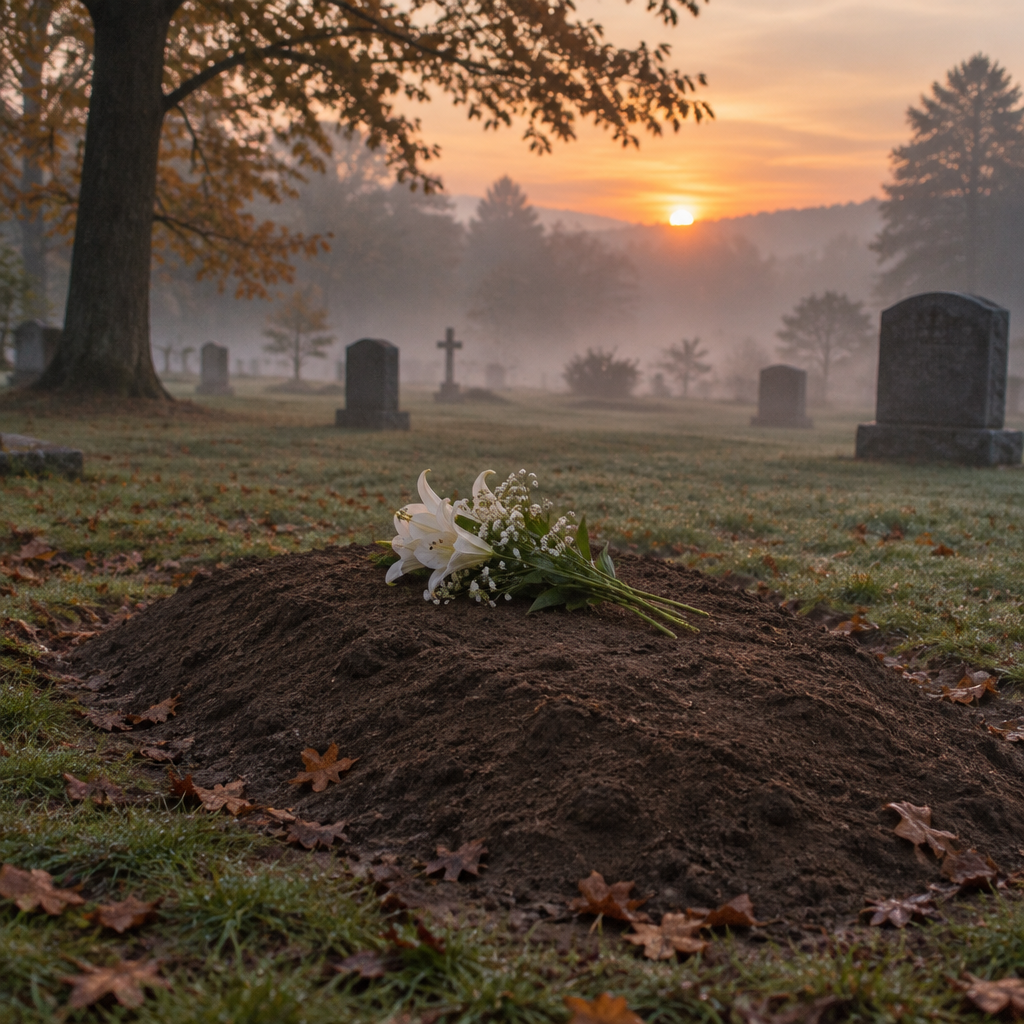
Helen Doe was the name used for an unidentified woman killed in a May 14, 1991, collision on southbound Interstate 5 near Kalama, Washington. Two semi-trucks crashed, and the resulting fire killed one of the truck drivers and the female passenger. Investigators could not establish the passenger’s identity at the time. She was buried in an unmarked grave in Longview, leaving her family unaware of where she was and what had happened.
The name “Helen Doe” was a case label, not her identity. That distinction matters. A placeholder can help officials document an unidentified person, but it cannot tell relatives whether someone they love is alive, missing, or dead. For Mollie’s family, the absence of an answer lasted decades. WSP says her family had not heard from her since she left home to catch a ride in 1991.
Mollie was 34 when she disappeared. WSP describes her as the oldest daughter in a large family, with a fondness for horses, travel, and time spent with her nieces and nephews. Those details do not solve the forensic questions, but they put a human life back at the center of a file that had been reduced to an unidentified passenger and an unmarked grave.
I see a practical lesson in the distinction between a case being inactive and a case being resolved. A file can sit for years because the available evidence cannot answer the central question; that is not the same as proof that no answer exists. WSP detectives reopened this investigation in 2014, and the work that followed required coordination among the patrol, the Cowlitz County coroner, a King County Medical Examiner’s forensic anthropologist, the Puyallup Tribe, and other partners.
The agency’s account says investigators initially believed the woman might be Native American, and the Puyallup Tribe supported the exhumation. A more advanced DNA profile later pointed to Scottish, Irish, and English ancestry. That shift shows why ancestry estimates should be treated as investigative leads, not as a definitive label for a person’s identity or community. The conclusive family connection came through additional DNA testing, which the Cowlitz County coroner used to confirm that Michael McCullough was the unidentified woman’s brother.
The case is now identified by Mollie’s name. That does not make every circumstance known, but it restores a crucial fact: the woman remembered for decades as Helen Doe belonged to a family that had never stopped wanting an answer.
Core Details and Context
The clearest account available comes from the Washington State Patrol, which announced the identification and described the investigative steps. Its official site is the agency’s public source. The reported sequence is straightforward, even if the work behind it was not: an unidentified victim, a case reopened years later, forensic DNA work, genealogical leads, and a confirmed sibling relationship.
- The crash: On May 14, 1991, two semi-trucks collided on southbound I-5 near Kalama. A fire followed. One driver and a female passenger died, according to WSP.
- The burial: Investigators could not identify the passenger, who was buried in an unmarked grave in Longview.
- The renewed inquiry: WSP detectives reopened the case in 2014 and worked with county and forensic partners to exhume the remains and create a DNA profile.
- The ancestry lead: A more advanced profile produced by Othram Labs in 2022 indicated Scottish, Irish, and English ancestry. That finding helped direct the search; it was not itself an identification.
- The family-tree work: Detective Sgt. Stacy Moate followed leads over several years with help from Othram experts and volunteer genealogist Renee Kerr.
- The confirmation: After Moate contacted Michael McCullough on Aug. 6, 2026, further DNA testing established that he was the unidentified woman’s brother.
Frankly, the public account does not give every technical detail. It does not state how many genetic markers were compared, provide a probability figure, or explain the full chain of custody in public-facing terms. Those omissions do not undermine the identification; they do set a boundary on what readers can responsibly claim. The reported confirmation is from the Cowlitz County coroner, as relayed by WSP.
The distinction between a lead and proof is central. An ancestry estimate can narrow a search area, but it does not name a person. A family tree can suggest likely relatives, but it can contain mistaken links or people with similar names. Investigators still needed follow-up testing that connected Michael to the remains as a brother. That final step is why the story is more than a genealogy match.
The case also depended on public and institutional cooperation. The Puyallup Tribe supported exhumation after investigators initially thought the woman might be Native American. That involvement deserves mention without implying that ancestry results alone settle a person’s cultural identity. The work involved remains, family history, and a community’s willingness to help investigators proceed respectfully.
The Cowlitz County government and the Puyallup Tribe are among the public institutions named in the case account. Othram, whose DNA Solves site describes its work on forensic genetic genealogy cases, contributed expertise to the research. These links provide institutional context; WSP remains the named source for the case facts summarized here.
There is a human obligation beneath the procedural details. Identifying the dead is not merely administrative housekeeping; it reflects respect for human dignity and the responsibilities people owe to families left waiting. That duty does not guarantee a result, but it is a reason to preserve evidence and revisit cases when methods improve.
Timeline: How the Identification Happened
- May 14, 1991 — The crash. Two semi-trucks collided on southbound I-5 near Kalama. A fire killed one driver and a female passenger. Investigators could not identify the woman, and the public account does not provide further details about the crash’s cause or the people involved beyond those facts.
- After the crash — An unidentified burial. The passenger was buried in an unmarked grave in Longview. Her family, according to WSP, had not heard from Mollie after she left home to catch a ride. The account does not specify when the family first reported her missing or whether the 1991 investigation linked her disappearance to the crash.
- 2014 — Detectives reopen the case. WSP detectives returned to the investigation and worked with the Cowlitz County coroner, a King County Medical Examiner’s forensic anthropologist, the Puyallup Tribe, and others. Investigators arranged to exhume the remains and develop a DNA profile. The reported support from the tribe followed an early belief that the woman might be Native American.
- 2022 — A stronger DNA profile. Othram Labs generated a more advanced profile that indicated Scottish, Irish, and English ancestry. That clue helped investigators focus the search, but ancestry did not identify Mollie on its own. A genetic profile can suggest possible family connections; names and relationships still require research and confirmation.
- Following years — Family-tree leads. Detective Sgt. Stacy Moate worked with Othram experts and volunteer genealogist Renee Kerr. The investigation moved through possible relatives and family connections over several years. WSP’s account does not list every person contacted or every branch considered, so a more detailed reconstruction would be speculation.
- Aug. 6, 2026 — A call to Michael McCullough. Moate called Michael, who was among the possible relatives identified by the investigation. Asked whether he knew of a female family member who had disappeared in the early 1990s, he said his sister Mollie had. It was a major lead, not the final confirmation.
- After the call — DNA confirmation. Additional testing confirmed that Michael was the unidentified woman’s brother, according to the Cowlitz County coroner and WSP. At that point, the name attached to the case changed from Helen Doe to Mollie McCullough.
- Next — A return to Ohio. Mollie’s family plans to bring her cremated remains to her birthplace in Cambridge, Ohio. Her brother Mike thanked the investigators, Othram Labs, the Puyallup Tribe, and the Cowlitz County community, saying, “From the bottom of our hearts, thank you for never giving up on our Mollie.”
When I look at the sequence, the turning point was not one dramatic discovery. It was the combination of preserved remains, improved analysis, persistent detective work, and a family connection that could be tested. The early investigation could not name the passenger. The later one had tools and leads that did not exist in the same form in 1991, along with people willing to follow them.
The timeline also shows why dates should not be blurred. The case was reopened in 2014; the advanced profile came in 2022; and the call that surfaced Mollie’s name took place in August 2026. Those are different stages, not one sudden breakthrough. The public account gives no exact date for the final testing or the family’s planned return to Ohio.
Comparison: DNA-Led Genealogy and Traditional Identification
The comparison here is between investigative approaches, not between rival companies. The case account provides no performance statistics or direct comparison with another laboratory, so claims that one method is faster, cheaper, or more accurate would be made up. What it does show is how the methods served different roles in this investigation.
| Investigative approach | What it contributed in Mollie’s case | What it could not establish alone |
|---|
| Initial crash investigation and conventional identification efforts | Investigators documented the fatal crash and the unidentified passenger. | The available efforts did not identify her at the time; the public account does not describe every method used. |
| Exhumation and forensic anthropology | A team worked to recover remains and develop a profile, with the coroner and a forensic anthropologist involved. | The released facts do not say that anthropology alone revealed Mollie’s name. |
| Advanced DNA profiling | A profile created in 2022 indicated Scottish, Irish, and English ancestry and helped guide the search. | Ancestry information is not the same as a confirmed personal identity or proof of a sibling relationship. |
| Genealogical research | Moate, Othram experts, and Renee Kerr followed family-tree leads to possible relatives. | A family tree can identify candidates; the case still required additional testing. |
| Follow-up DNA testing | The coroner confirmed Michael McCullough was the unidentified woman’s brother. | It cannot recover the years the family spent without an answer or explain every unreported circumstance. |
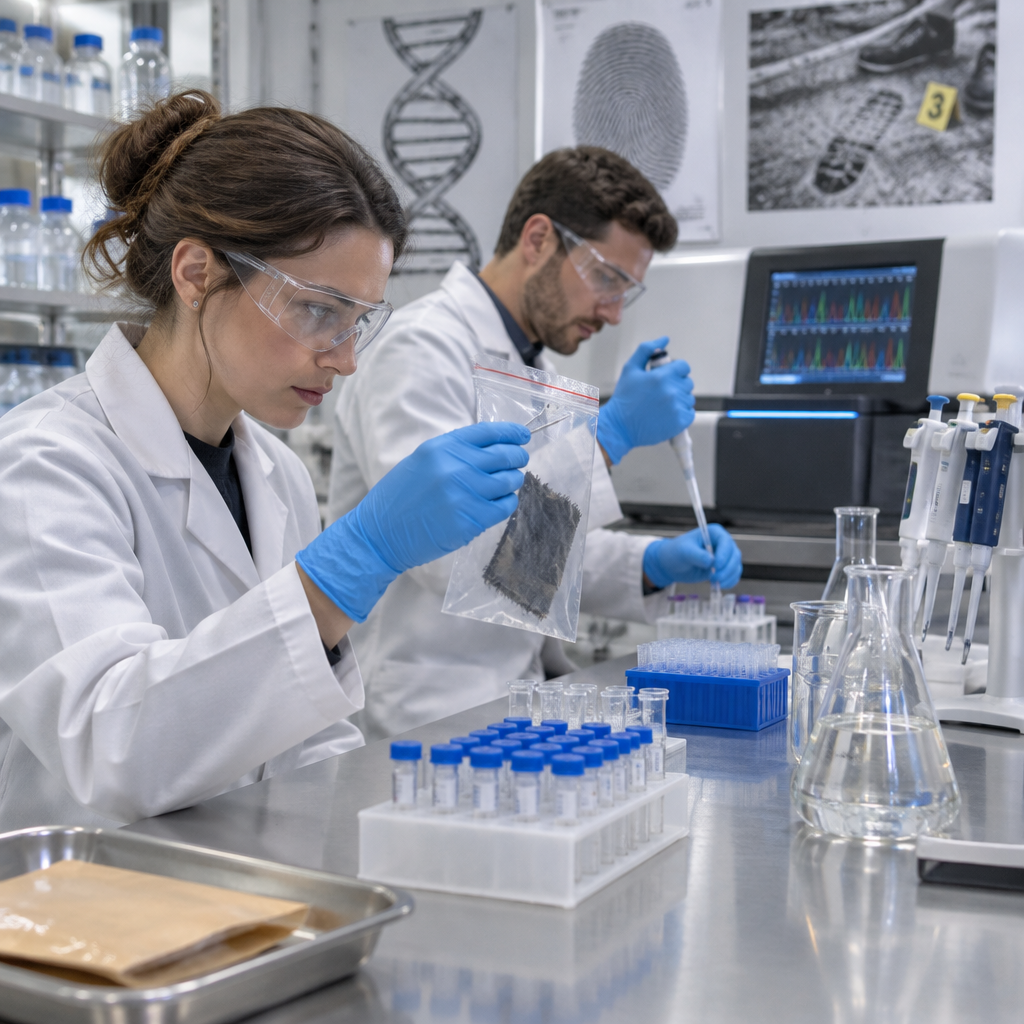
The older methods and newer methods are not clean substitutes. A DNA profile depends on evidence being available and suitable for analysis. Genealogical research depends on records, accurate family connections, and people who can be reached. A final relationship test can check whether the promising lead holds up. Remove one piece and the sequence may stall.
Here’s the kicker: a laboratory result is not the whole investigation. The public tends to focus on the technology because it is easy to describe as a breakthrough. But the case also required a detective to work the leads, a volunteer genealogist to help trace a family, a coroner to confirm the relationship, and relatives who could answer questions and participate in testing.
The case account does not state what databases or particular genealogical methods were used, and it does not report a numerical confidence score. Readers should not assume those details. In general, genetic genealogy raises reasonable questions about privacy and consent, especially when family connections can bring people into an investigation who were not themselves looking to participate. Responsible reporting should ask what is known, what remains undisclosed, and which officials confirmed the result, rather than treating a striking technology as magic.
For Mollie’s relatives, the useful outcome is concrete: the unidentified woman has a name, and her brother’s relationship was confirmed. For investigators, the case demonstrates the value of keeping records and evidence available for later review. It does not promise that every unidentified person can be named, nor does it establish a universal timetable for cold-case work.
Common Misconceptions and What to Know
Misconception 1: The ancestry finding identified Mollie. It did not. The 2022 profile indicated Scottish, Irish, and English ancestry, according to WSP’s account. That helped researchers look for potential family connections. The identification came after genealogical work produced a lead and additional DNA testing confirmed Michael McCullough as the woman’s brother. An ancestry result can point investigators toward a line of inquiry; it cannot, by itself, supply a person’s name.
Misconception 2: The case was solved as soon as DNA was tested. The timeline argues otherwise. Detectives reopened the investigation in 2014, the advanced profile was created in 2022, and Moate called Michael in August 2026. Several years of work separated those milestones. The available account does not state exactly when every lead emerged, but it plainly describes a process rather than an instant answer.
Misconception 3: A relative’s first answer was enough to close the case. Michael’s recognition of Mollie as a missing sister was significant, but the reported confirmation followed additional testing. That distinction protects both the family and the integrity of the identification. A familiar story can guide a search; forensic confirmation is needed to establish the relationship in this case.
Misconception 4: The published account explains exactly how Mollie disappeared. It does not. WSP says her family had not heard from her since she left home to catch a ride. It says she was the passenger killed in the crash. The public account does not state where she was going, who gave her a ride, how she came to be in the truck, or the full circumstances of the collision. Those details should be treated as unreported, not filled in through guesswork.
There is another easy mistake: treating “Helen Doe” as a name that belongs to the victim. It was the label attached to an unidentified case. Mollie’s actual name matters because it links the death investigation to a family history and gives relatives a place to direct their grief and remembrance. The difference is not cosmetic. It changes how the case is understood and how her family can speak about her.
Nor should the ancestry description be used to make broad claims about Mollie’s identity. WSP reported the profile’s indication of Scottish, Irish, and English ancestry; it did not present that estimate as a complete account of her heritage or a verdict about cultural belonging. Early investigators’ belief that she might be Native American was part of why the Puyallup Tribe supported the exhumation. Both details belong in the record, without stretching either beyond what was reported.
Most coverage gravitates toward the dramatic moment of recognition. The less dramatic fact matters too: agencies kept working a case after an early identification effort had failed. That is not a guarantee every case will be solved. It is evidence that a human being can remain worth identifying even when decades pass and the first answers are incomplete.
Frequently Asked Questions
Who was Helen Doe?
Helen Doe was the unidentified female passenger killed in a May 14, 1991, crash involving two semi-trucks on southbound Interstate 5 near Kalama, Washington. WSP later identified her as Mollie McCullough, who was 34 when she disappeared. She had been buried in an unmarked grave in Longview.
How was Mollie McCullough identified?
WSP detectives reopened the case in 2014 and worked with forensic and local partners to exhume the remains and create a DNA profile. An advanced profile produced in 2022 helped guide genealogical research. Detective Sgt. Stacy Moate followed family leads with help from Othram experts and volunteer genealogist Renee Kerr. Additional testing confirmed Mollie’s brother, Michael, as a sibling of the unidentified woman.
When did investigators contact her brother?
Detective Sgt. Stacy Moate called Michael McCullough on Aug. 6, 2026. He was among the possible relatives identified during the investigation. When asked about female family members who had disappeared in the early 1990s, he said his sister Mollie had. The identification was confirmed after further DNA testing, not by the phone call alone.
What will happen to Mollie’s remains?
Her family plans to bring her cremated remains to her birthplace in Cambridge, Ohio. WSP’s account does not provide a date for that return. Her brother Mike thanked the people and organizations that helped identify her, including WSP, the detectives, Othram Labs, the Puyallup Tribe, and the Cowlitz County community.
Final Thought
A name does not undo a death, and it cannot return the years a family spent wondering. It can, however, replace a case label with a person’s identity and give relatives a truthful account of what investigators were able to establish. Mollie McCullough was not simply an unidentified passenger in a decades-old crash. She was a daughter, a sister, and an aunt, remembered by family for her love of horses, travel, and time with younger generations.
There is no need to dress the case up as a miracle or claim that technology alone brought it to a close. WSP’s account describes patient work across years: a case reopened, remains examined, a DNA profile improved, family-tree leads pursued, and a sibling relationship confirmed. Each step mattered. So did the cooperation of public agencies, specialists, a tribe, a volunteer genealogist, and Mollie’s family.
The unanswered details should remain unanswered until reliable evidence fills them. That restraint is not a weakness in reporting; it is how a family’s story is treated with care. The known facts are already consequential: a woman lost in 1991 has her name back, and the family that never stopped seeking an answer can bring her remains home to Cambridge.
A community’s responsibility to the dead does not end when a grave is closed or an investigation goes quiet. In this case, persistence gave Mollie’s family what no headline can measure: recognition, connection, and a place to remember her by her own name.