Olympia is dealing with a rough mix right now: dangerous heat, elevated fire conditions, and smoke drifting in from regional wildfires. That combination is not...
Olympia Faces Heat, Fire Risk, and Smoke as Wildfires Blanket the Region
Olympia is dealing with a rough mix right now: dangerous heat, elevated fire conditions, and smoke drifting in from regional wildfires. That combination is not just uncomfortable. It raises real risks for health, outdoor work, travel, and emergency response, especially when dry fuels and poor air quality pile up at the same time.
Key Takeaways
- High heat increases strain on people, animals, and infrastructure.
- Elevated fire danger means one spark can become a fast-moving problem.
- Smoke from regional wildfires can worsen asthma, heart conditions, and visibility.
- Public officials are urging residents to limit exposure, stay hydrated, and prepare for changing conditions.
- The real issue is the overlap: heat, dryness, and smoke working together, not separately.
What is happening in Olympia?
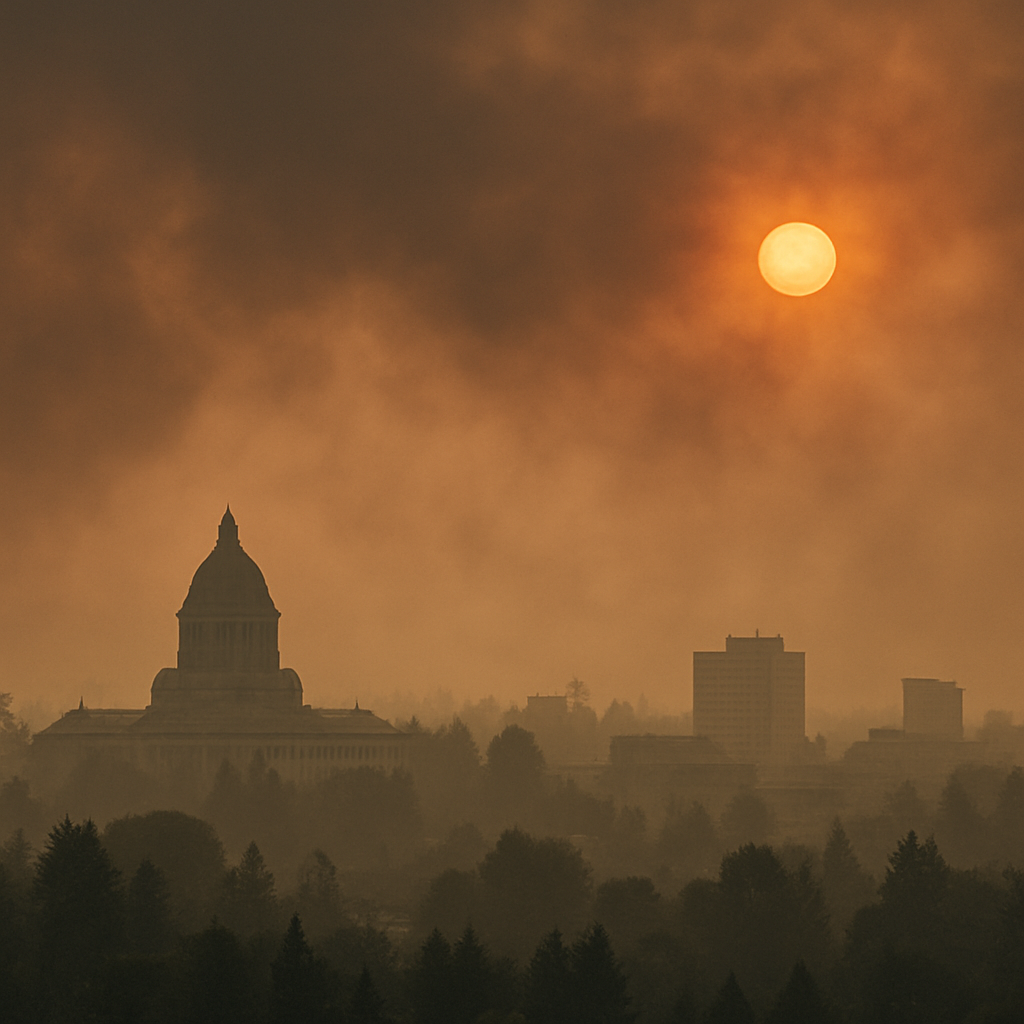
Olympia is under pressure from three sides. First, temperatures are running high enough to stress the body and dry out vegetation. Second, fire weather conditions are elevated, which usually means low humidity, dry fuels, and wind patterns that help fires spread. Third, smoke from nearby or regional wildfires is reducing air quality, creating a second hazard that people often underestimate.
Frankly, this is the kind of weather stack that turns a bad day into a public safety issue. The heat itself can be dangerous, but when it combines with smoke, the problem becomes more serious. Outdoor workers, older adults, children, pregnant people, and anyone with lung or heart conditions are especially vulnerable. I’ve covered enough weather-and-emergency stories to say this plainly: most people focus on temperature, but the smoke often does more day-to-day harm.
The situation in Olympia also reflects a larger Pacific Northwest pattern. Wildfire smoke does not respect county lines, and fire conditions in one part of the region can affect air in another. When winds shift, smoke can move quickly, and the air can go from tolerable to rough in a matter of hours. That’s why people should watch both forecast temperatures and air quality alerts, not just one or the other.
If you want the broader public-health angle, the CDC’s guidance on heat and smoke exposure is worth reading alongside local updates from the AirNow air quality index and Washington emergency alerts. The real story is not panic. It’s preparation, and a little common sense goes a long way.
Core details and context
- Heat risk: Hot weather can cause dehydration, heat exhaustion, and heat stroke. That risk rises when humidity, exertion, and limited cooling options enter the picture.
- Fire risk: Elevated fire danger means dry brush, grass, and forest fuels can ignite more easily. A campfire, equipment spark, discarded cigarette, or vehicle issue can become a serious incident.
- Smoke exposure: Fine particulate matter from wildfire smoke can penetrate deep into the lungs and enter the bloodstream. That is bad news for people with asthma, COPD, or cardiovascular disease.
- Visibility problems: Smoke can reduce driving visibility and worsen road conditions, especially during early morning and evening travel.
- Power and service strain: High heat can raise electricity demand. Wildfire-related conditions can also complicate response planning and transportation.
Here’s the kicker: people often treat smoke as just a nuisance. It isn’t. It is a measurable health hazard. State and federal public-health guidance is clear on that. The Washington State Department of Health has repeatedly warned residents to reduce exposure during smoke events, and the EPA’s public guidance on wildfire smoke points to staying indoors, using filtration where possible, and avoiding strenuous activity outdoors.
There’s also a moral angle here, though it rarely gets mentioned in coverage. Protecting vulnerable neighbors is not a side issue. It is the point. A community that takes stewardship seriously does not shrug off conditions that hit the elderly, the poor, and people without air conditioning first. That is not virtue signaling. That is basic responsibility.
From an operational standpoint, emergency managers usually watch several signals at once:
- temperature trends
- wind speed and direction
- humidity levels
- fuel moisture
- active fire perimeters
- air quality index readings
That’s the hard reality. A heat wave with smoke is not one event. It is a chain of risks.
If you want a useful local reference for preparedness, see related coverage such as wildfire smoke safety guidance, heat wave emergency preparedness, and Washington emergency response planning.
Timeline and what actually happened
This kind of situation usually builds in stages. It rarely appears out of nowhere.
- Hotter-than-normal conditions set in. Dry ground and elevated temperatures lower moisture in vegetation, which makes fuels easier to ignite.
- Fire weather alerts follow. Meteorologists and fire agencies begin warning about low humidity, gusty winds, and conditions that support fast fire spread.
- Regional wildfires generate smoke. Smoke plumes can travel long distances depending on wind patterns, topography, and upper-air movement.
- Air quality worsens in Olympia. Fine particulate pollution rises, and sensitive groups start feeling the effects first.
- Public guidance changes. Residents are told to limit outdoor exertion, keep windows closed, and use clean-air spaces if possible.
- Local response ramps up. Schools, employers, transit operators, and health agencies may adjust operations depending on severity.
When I analyzed past smoke events in the region, one thing stood out: the public often notices the smoke before it notices the fire conditions that caused it. That’s backwards. The fire danger is the engine; smoke is the exhaust. If officials issue burn restrictions, outdoor work advisories, or cooling-center recommendations, those are not cosmetic moves. They are response measures designed to blunt the worst outcomes.
The timeline also explains why conditions can change so fast. A morning that starts merely warm can turn ugly by afternoon if the wind shifts and the atmosphere traps smoke near the ground. That is why hourly updates matter more than general forecasts during fire season.
For readers following local weather and emergency impacts, related reporting such as wildfire smoke health impacts and heat illness prevention can help separate useful guidance from guesswork.
Comparison table
| Factor | Olympia current conditions | Typical summer heat wave |
|---|
| Main hazard | Heat, fire danger, and smoke together | Mostly heat alone |
| Health impact | Higher risk due to poor air quality | Heat illness risk without smoke burden |
| Fire spread risk | Elevated because fuels are dry | Often lower unless winds and fuel dryness align |
| Visibility | Reduced by smoke | Usually clear unless dust or haze is present |
| Best response | Limit outdoor activity, monitor AQI, prepare for changing alerts | Hydrate, cool down, and watch for heat advisories |
| Public concern | Multi-agency issue: health, fire, transport, schools | Mostly public health and comfort |
The comparison matters because the public tends to flatten all hot weather into one bucket. That’s lazy thinking. Olympia is not just hot right now. It is dealing with a layered risk profile, and that changes the advice.
The “competitor” here is the ordinary summer heat wave. On paper, it looks similar. In practice, it is not. The presence of wildfire smoke makes a major difference, and elevated fire weather means emergency responders have to plan for a wider range of outcomes. That is the part many headlines skip over.
If you want a broader look at how weather and public policy intersect, see climate and emergency management and utility demand during heat waves.
Common misconceptions and what to know
- Misconception: If you can see the smoke, that’s the only problem. Wrong. Fine particles can be harmful even when the sky looks only mildly hazy. If the AQI is poor, the risk is real.
- Misconception: Closing windows is enough. Not always. If indoor air is not filtered well, smoke can still seep in. A clean-air room with a HEPA filter is better.
- Misconception: Healthy adults do not need to worry. Not true. Overexertion in heat can affect anyone. Smoke exposure can irritate lungs and eyes even in fit people.
- Misconception: Fire risk is only a rural issue. That’s the sort of thinking that gets people hurt. Urban areas still face smoke impacts, evacuation planning, and utility disruptions.
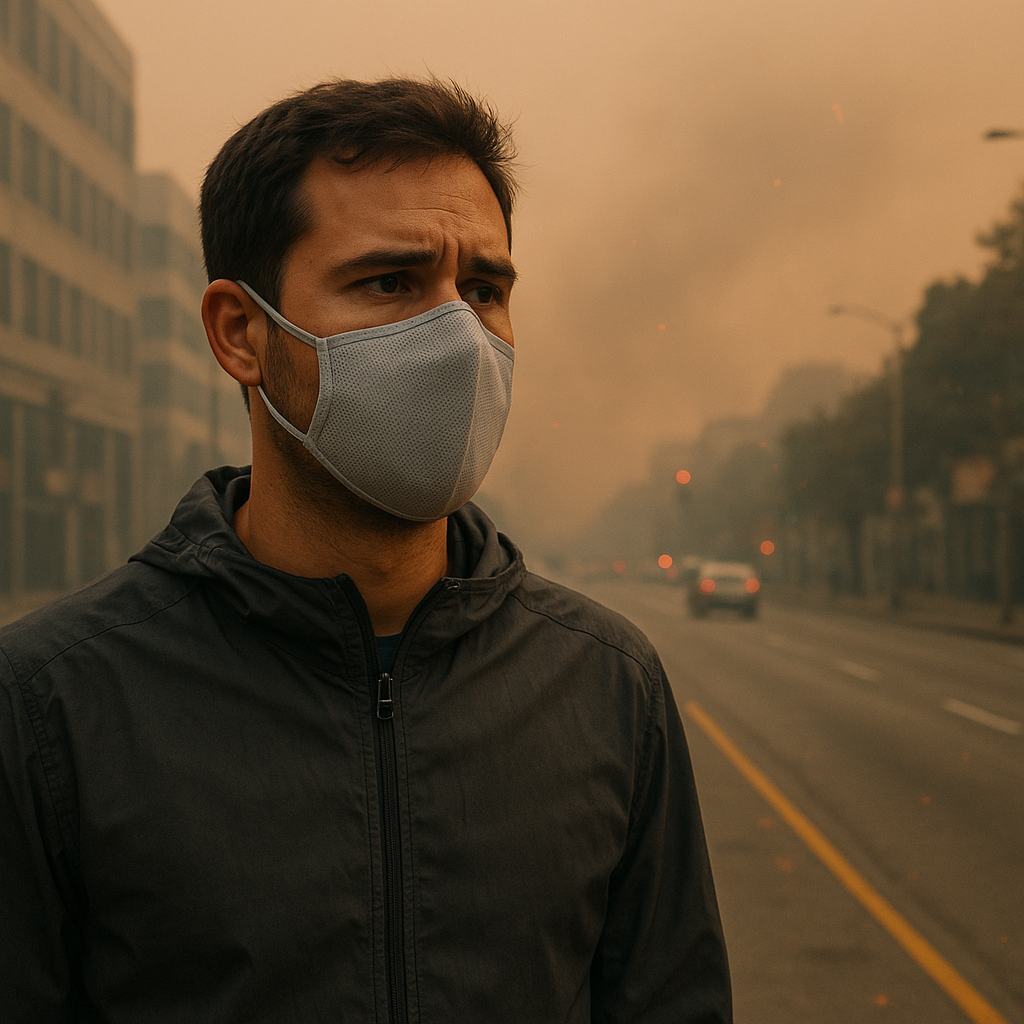
- Misconception: Masks solve everything. Not quite. Some masks help reduce particle exposure, but they do not replace indoor filtration, hydration, rest, or limiting exertion.
Most coverage stops at “stay inside and drink water.” That’s not wrong, but it is thin. The better question is whether homes, schools, workplaces, and public buildings have enough filtration and cooling to protect people who cannot simply disappear indoors for a day. That is where equity comes into the picture, and it matters. Stewardship is not only about personal preparation; it is about whether institutions actually look after the common good.
The truth is, smoke and heat events expose weak points in a community. People without reliable air conditioning, outdoor workers, and families with limited access to medical care bear the burden first. If local leaders talk about resilience, this is what it has to mean in practice.
The EPA’s wildfire smoke guidance remains a solid reference, and residents should also monitor local emergency management updates and air quality maps such as AirNow. Let’s be real: if conditions worsen, guessing is for amateurs.
Frequently asked questions
How bad is wildfire smoke for your health?
Wildfire smoke can irritate the eyes, throat, and lungs, and it can worsen asthma, COPD, and heart disease. Fine particulate matter is the main concern because it can travel deep into the body and trigger inflammation.
What should Olympia residents do during high heat and smoke?
Limit outdoor exertion, keep hydrated, stay in filtered indoor air if possible, and check air quality alerts frequently. If you have to go out, keep trips short and avoid heavy exercise during the worst periods.
Is it safe to run or work outside when the air looks only slightly smoky?
Not necessarily. Visibility is not a reliable measure of risk. AQI readings and official health guidance are better indicators than what the sky looks like from your porch.
Why do heat and wildfire smoke often happen together?
Hot, dry conditions reduce fuel moisture and make fires more likely. Once fires start, winds and atmospheric conditions can carry smoke far from the flames, including into communities like Olympia.
Final thought
Olympia’s current mix of heat, fire danger, and smoke is a reminder that weather is not just a backdrop. It is a force that hits people unevenly, and it rewards preparation while punishing delay. The prudent response is not panic. It is attention, discipline, and care for the people who carry the heaviest load when conditions turn ugly.
There’s also a broader lesson here, one that too many officials and editors avoid because it sounds old-fashioned: communities work best when they remember duty. Protecting the vulnerable, using resources wisely, and telling the truth about risk are not separate values. They belong together. That may sound quaint in a news cycle addicted to noise, but it’s still the right standard.
If Olympia residents keep one thing in mind, it should be this: smoke can fade and heat can break, but bad preparation leaves a mark long after the weather changes. Stay alert. Pay attention to the air. And don’t pretend this is just another warm day.