Olympia’s fire department is in a rough patch. Nearly 40 percent of <strong>Olympia Fire Department</strong> crews now have less than three years on the job...
Olympia’s fire department is in a rough patch. Nearly 40 percent of Olympia Fire Department crews now have less than three years on the job, and that matters because fire work punishes inexperience fast, with split-second decisions, brutal conditions, and no room for guesswork.
Key Takeaways
- About 40% of OFD’s crew is new, which changes how the department trains, responds, and supervises.
- Training matters more than slogans; fire service readiness depends on repetition, mentoring, and command discipline.
- Recruitment alone is not the fix; retention, mentorship, and station culture decide whether new hires stay and improve.
- Public safety is the point; the common good depends on competent crews, not just full staffing charts.
- Olympia’s challenge reflects a broader fire-service problem seen in cities across the country.
What is the Olympia fire staffing challenge?
It is a workforce problem. More specifically, it is a readiness problem dressed up as a staffing story. When a fire department has a large share of personnel with only a few years of experience, the agency can still answer calls, but the margin for error shrinks. That is the real issue here, and it is why the story matters.
Her goal is straightforward. OFD wants the next generation of firefighters to be ready before they are tested in the real world. That sounds obvious, but obvious things are often the hardest to do well. Fires do not care about training calendars. Medical calls do not wait for confidence to arrive. A kitchen fire, a car crash, or a cardiac arrest can turn ugly in a minute, and the crew on scene has to know its roles cold.
I have covered enough public safety stories to know that departments often talk about staffing as if headcount solves everything. Frankly, that is lazy thinking. A warm body in a turnout coat is not the same as a seasoned firefighter who can read smoke, manage air, communicate clearly, and trust the chain of command. Skills are built, not wished into existence.
This is also where public service gets its moral weight. Firefighters protect life, property, and the vulnerable, which is a fancy way of saying they practice stewardship over the community’s safety. That duty is not abstract. It is practical, daily, and measured in habits. The fireground rewards discipline, humility, and teamwork far more than bravado.
Reports on department staffing and training also echo a broader national trend. Across the United States, fire agencies have struggled with recruitment, retirements, and retention. The result is a thinner bench of experienced people to train newcomers. For context on fire-service performance standards and training expectations, see the National Fire Protection Association’s guidance at NFPA Fire Service Resources and U.S. Fire Administration materials at USFA.
Core Details and Context
The numbers matter, but they do not tell the whole story. Here is the kicker: a department can look fine on paper and still be under strain beneath the surface. A crew with lots of fresh hires may have strong morale, energy, and willingness to learn, yet it also has fewer firefighters who have lived through enough bad calls to spot patterns before they become problems.
- Experience mix is the issue. When 40 percent of the department has fewer than three years in the job, supervisors must spend more time on coaching and less time assuming muscle memory.
- Training time gets tighter. Newer firefighters need drills, live-burn exercises, apparatus familiarization, EMS refreshers, incident command practice, and after-action review. That takes hours. Lots of them.
- Mentorship becomes mission-critical. A rookie with a good senior partner can learn fast. A rookie left to improvise can make expensive mistakes. Or worse.
- Retention is part of readiness. If experienced firefighters leave, departments lose institutional memory. That memory is not a slogan. It is the quiet knowledge of how a station works, what local buildings hide behind walls, and which shortcuts never pay off.
- Community expectations stay the same. Residents want fast response, clear communication, and effective rescues. They do not care that the department is in a transition year. Nor should they.
Most news coverage stops at “staffing shortage,” but that phrase is too neat. It hides the harder question: is the department building durable competence, or merely filling vacancies? Those are different tasks. One is a spreadsheet exercise. The other is a years-long commitment.
The firefighter profession also depends on trust, and trust is earned the hard way. Every family that calls 911 is handing over a piece of its safety to strangers in turnout gear. That is why training cannot be treated like a back-office function. It is public accountability in boots.
There is a business side too, whether city hall likes that language or not. Training costs money. Recruiting costs money. Overtime costs money. Turnover costs even more. When local governments underinvest in staff development, the bill eventually comes due in stress, burnout, and slower institutional learning. For a broader look at how local public budgets shape safety services, see reporting from Reuters U.S. news and local government coverage from Associated Press local news.
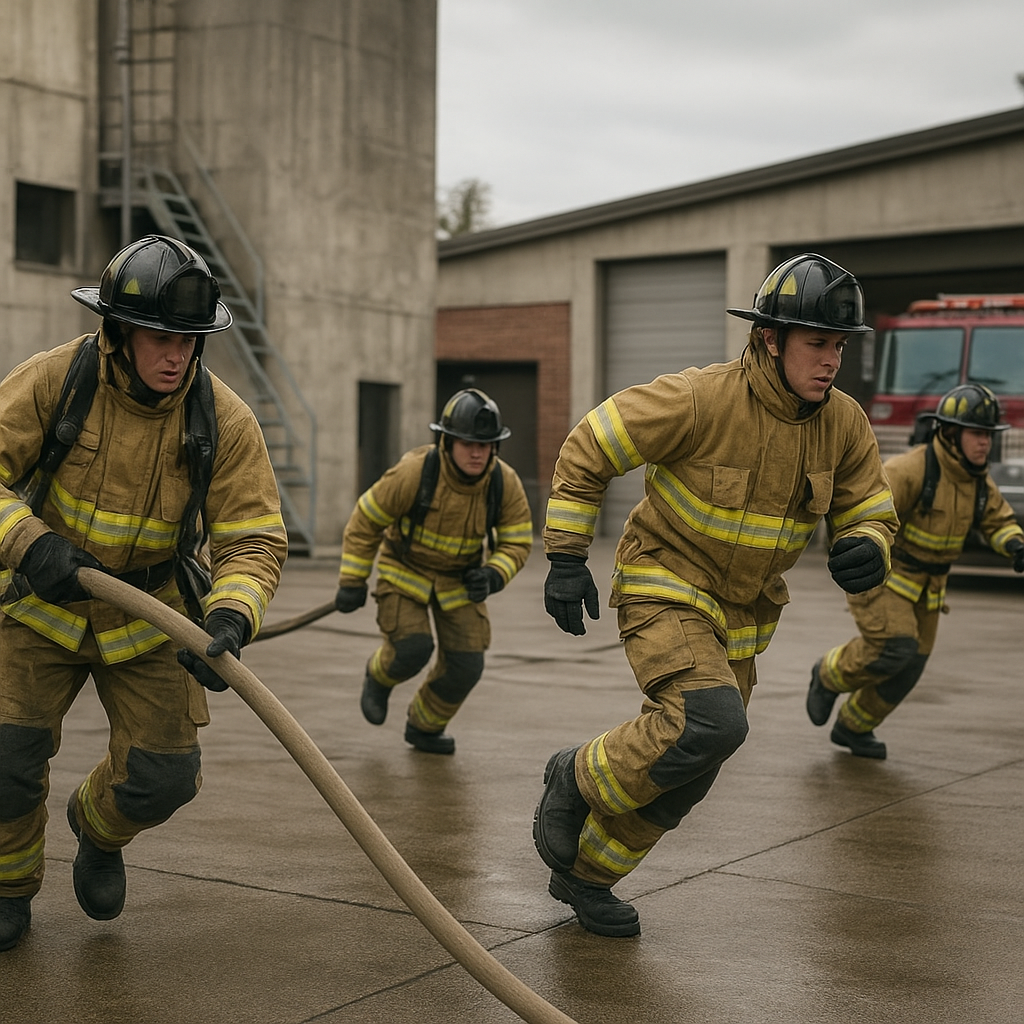
Timeline and What Actually Happens in a Fire Department Transition
Fire departments do not become undertrained overnight. The change creeps in. One retirement follows another. One veteran leaves for a different city, a medical reason, or a better schedule. Then a hiring wave arrives, and suddenly the department looks younger. That is how crews change shape without anyone meaning for it to happen.
- Experienced firefighters depart
- Long-serving members retire or transfer.
- They take practical memory with them: building layouts, call history, radio habits, and the tiny lessons that do not fit into a manual.
- New hires enter the pipeline
- They may arrive from academies, lateral transfers, or recent recruit classes.
- They bring energy, but they still need time to become dependable under pressure.
- Training expands, schedules tighten
- Officers must balance live calls with drills.
- The department has to keep service levels up while training new people. That is the hard part, because calls do not pause for classroom time.
- Supervisors absorb more load
- Captains and battalion chiefs end up doing more direct oversight.
- They must catch mistakes early, correct them calmly, and not let bad habits settle in.
- Performance settles only after repetition
- Real confidence grows after many calls, not one or two victories.
- The crew starts to operate as one unit when expectations are clear and practiced.
I have seen this pattern before. The story usually gets told as a staffing crisis, then a budget issue, then a recruitment push. But the real arc is cultural. A department either passes on its standards, or it starts to blur them. That is why leadership matters so much in public safety.
If you want a useful national comparison, look at how other agencies describe succession planning and training standards. The International Association of Fire Fighters has discussed staffing pressure and retention challenges in multiple reports, including at IAFF. That does not solve Olympia’s specific problem, but it shows the department is not alone.
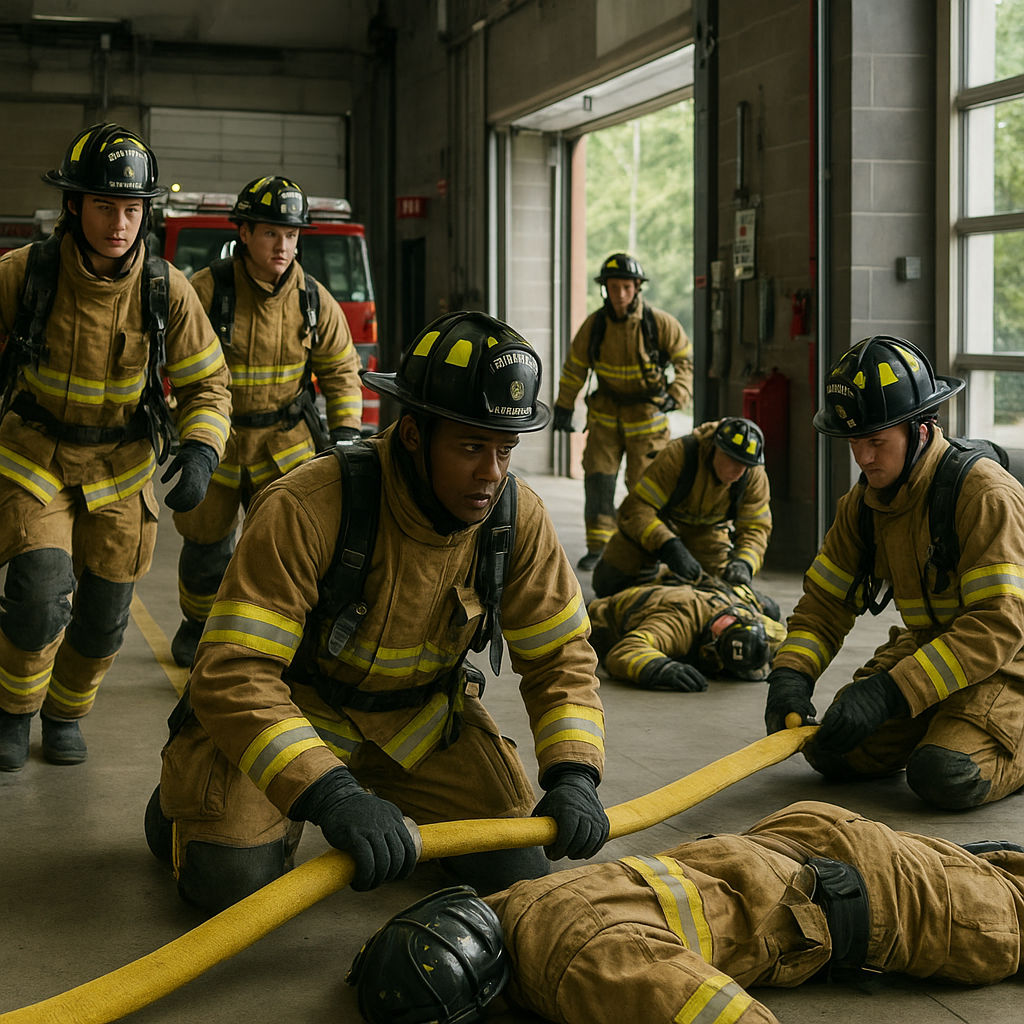
Comparison Table
| Factor | Olympia Fire Department | Typical Larger Metro Department |
|---|
| Share of staff with under 3 years’ experience | Around 40% | Usually lower, with deeper veteran ranks |
| Training burden | High | Moderate to high |
| Institutional memory | Thin | Thicker |
| Supervision load | Heavy | More distributed |
| Risk from turnover | Significant | Still real, but cushioned |
| Public-facing expectation | Immediate response, same as always | Immediate response, same as always |
| Key weakness | Inexperience concentration | Bureaucracy or slower adaptation |
| Biggest strength | New energy and adaptability | Depth of seasoned personnel |
The comparison makes one thing plain: Olympia’s problem is not unique, but the concentration of inexperience is what sharpens the risk. Bigger departments often have enough senior people to buffer the rough edges. Smaller or mid-sized agencies usually have to work harder to preserve knowledge.
Here is the truth nobody likes saying out loud: growth is not automatically good. A larger training class looks impressive in a city budget presentation. It is less impressive if the department cannot keep those people, coach them, and turn them into steady operators. Stewardship means more than hiring. It means forming people well so they can serve others well.
Common Misconceptions and What to Know
The public tends to hear “young department” and assume it means danger. That is too simple. Youth is not the enemy. Sloppiness is. A young crew can perform very well if it is trained, supervised, and held to a standard. A veteran-heavy crew can still fail if it is complacent.
- Misconception: More hires automatically fix everything.
Not true. Hiring without retention just starts the cycle over again. - Misconception: Experience alone guarantees safety.
Also false. Experience matters, but so do current procedures, equipment familiarity, and command discipline. - Misconception: Training is just classroom time.
No. Real training includes live drills, response review, and field correction. - Misconception: This is only Olympia’s issue.
It is local in form, national in pattern. Fire departments across the country face retirements, staffing strain, and recruitment headaches.
Everyone loves a clean narrative. “We hired more people, problem solved.” Nice try. Real life is messier. A department has to build competence in the same way a city builds trust: slowly, honestly, and with some hard self-examination along the way.
The news coverage also tends to ignore the human side. New firefighters are not just slots to fill. They are people learning how to shoulder a public duty that can be frightening, exhausting, and emotionally heavy. They deserve proper formation, not just a badge and a pep talk. That respect for the person, not merely the position, is where the better civic ethic begins.
For wider context on firefighter safety and training best practices, review the National Institute for Occupational Safety and Health resources at NIOSH Firefighter Safety. It is dry reading, sure, but useful. And useful beats dramatic every time.
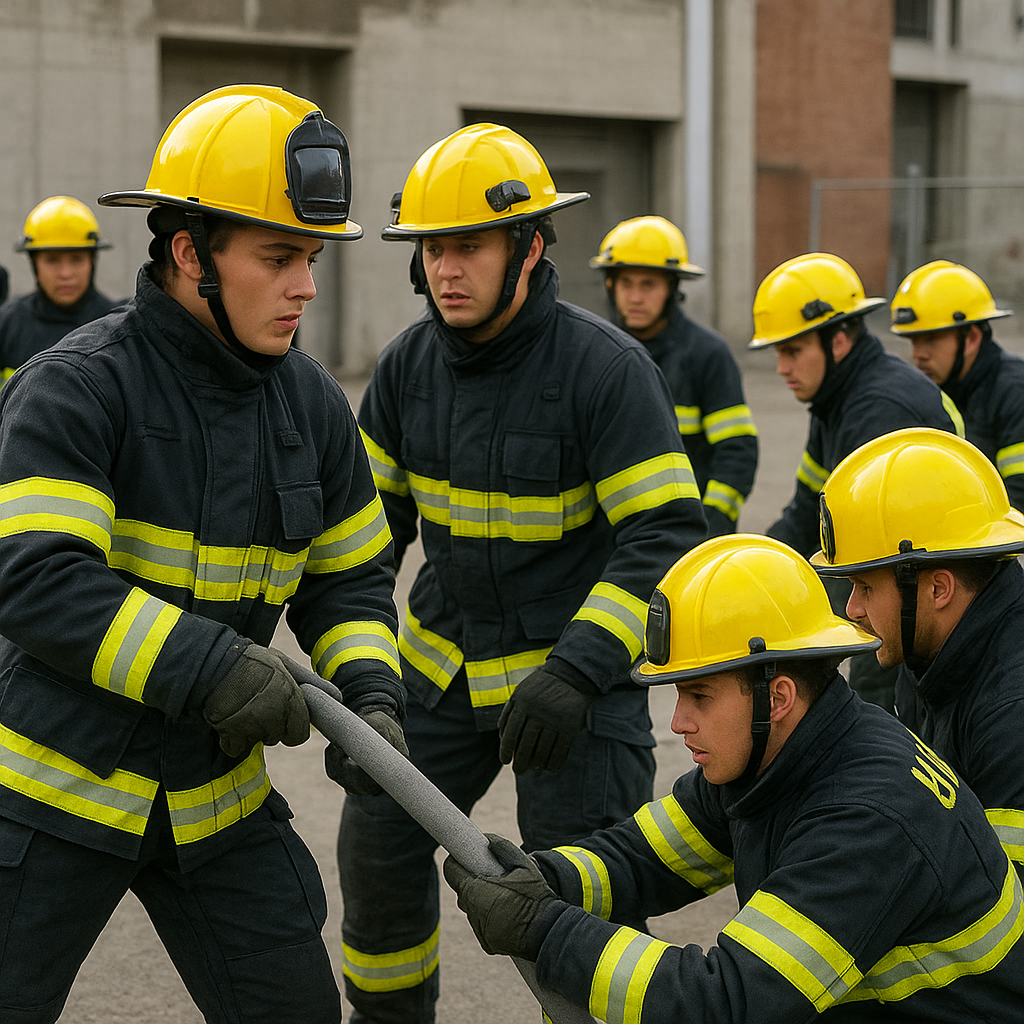
Frequently Asked Questions
Why does experience matter so much in fire service?
Because fires and medical emergencies move fast, and firefighters have to make decisions under stress. Experience helps them recognize danger, communicate clearly, and avoid costly mistakes. Training builds the base. Repetition turns it into instinct.
Does a young crew mean Olympia is unsafe?
Not automatically. A young crew can be highly capable if supervision is strong and training is constant. The concern is not age. It is whether the department can convert inexperience into dependable performance before a real incident tests the team.
What is the biggest risk when many firefighters are new?
The biggest risk is uneven judgment. Newer firefighters may know procedures but not yet know when a scene is changing faster than the checklist. That gap matters in structure fires, rescues, and multi-unit incidents.
How do departments fix this problem?
They do it the hard way: recruit well, train hard, mentor closely, and keep experienced people from walking out the door. That means better schedules, better leadership, and better respect for the work. No magic. Just disciplined follow-through.
Final Thought
Olympia’s firefighter pipeline is a warning and an opportunity at the same time. Warning, because a department cannot bluff its way through inexperience forever. Opportunity, because a well-led transition can produce a stronger force than the one that came before. The difference is whether leaders treat training as a real investment or a ceremonial expense.
I’ve watched public agencies make this mistake for years. They hire, congratulate themselves, and then assume the rest will sort itself out. It rarely does. Real readiness takes patience, standards, and a willingness to tell the truth about weakness before the weakness shows up in smoke and sirens. That is plain common sense, but common sense is not common enough.
If Olympia gets this right, the department will not just have more firefighters. It will have better ones. That is the point. The community deserves crews that can protect life with skill, restraint, and courage—the old virtues, still useful, still necessary, and still the only ones that matter when the alarm bells start.