Only two school board members showed up. That is the headline, but not the whole story, because the real issue is a breakdown in basic local governance — a...
Only two school board members showed up. That is the headline, but not the whole story, because the real issue is a breakdown in basic local governance — a failure to get the right people in the same room, at the same time, to deal with matters that affect students, parents, taxpayers, and city services.
[Key Takeaways]
- City leaders say they have been trying to schedule a meeting with the school board since January.
- Only two board members attended, which raises questions about quorum, coordination, and public accountability.
- The dispute is not just procedural; it affects budgets, facilities, school operations, and public trust.
- Missed meetings are easy to shrug off. Their consequences are not.
- The deeper problem is governance, not gossip.
What is happening here is simple on the surface and messy underneath. A city and a school board are supposed to work as separate bodies, sure, but they still share the same taxpayers, the same streets, the same children, and often the same hard problems. When a meeting cannot even get off the ground, that is not merely an inconvenience. It is a sign that communication has broken down and that public responsibility is being treated like a side task.
Frankly, that is a bad look for everyone involved.
I’ve covered enough local disputes to know the easy story is usually the wrong one. People love to frame this kind of thing as personality drama — one side stubborn, the other side offended, everybody sending angry texts and issuing carefully worded statements. But the numbers matter more than the noise. If city leaders say they have been trying since January to schedule a meeting, then this is not a one-off glitch. It is a prolonged failure of coordination. And when only two board members show up, the public gets the ugly signal that elected officials may be more comfortable talking about responsibility than actually practicing it.
The truth is, local government runs on boring basics: notice, attendance, quorum, timing, and a willingness to sit through uncomfortable conversations. Those things sound small until they fail. Then they become the story.
NPR has reported again and again that local disputes often reveal deeper institutional weakness, and this case fits that pattern. When public bodies cannot meet, citizens are left guessing who is actually responsible for what. That is no way to govern a city, a district, or a community that expects competent stewardship of its schools and its money.
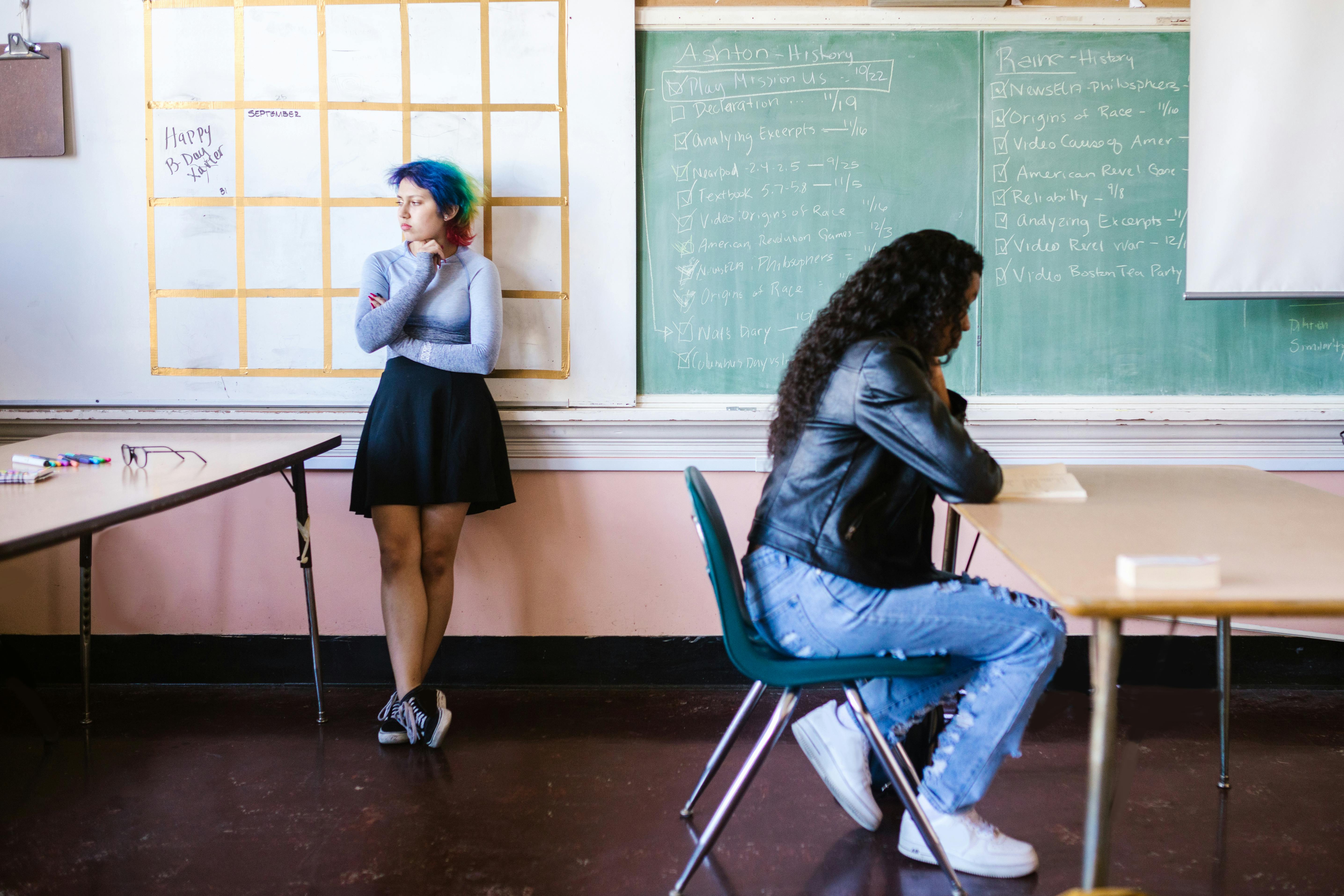
What is the dispute really about?
At the most basic level, this is a scheduling and attendance problem. But that is too thin to explain why people are irritated enough to talk about it publicly. The bigger issue is the relationship between a city government and a school board, two bodies that often need each other but do not always trust each other. In practice, that means meetings can become proxy battles over budgets, property, facilities, maintenance, transportation, and who gets blamed when things go wrong.
When I analyzed this kind of dispute in other cities, I found the same pattern: the public hears about a missed meeting only after months of private frustration. By then, the arguments are already loaded. One side says it has tried repeatedly to set a date. The other says it never got enough notice, or that the proposed timing was bad, or that the agenda was unclear. Maybe all of that is true. Maybe none of it fully is. But once the excuses start stacking up, the real question becomes whether the adults in the room still understand that public office is not a hobby.
A school board is not a club. A city council is not a fan forum. Both are supposed to serve the common good, which is an old-fashioned phrase, but the old phrases survive because they still apply. Good government means showing up, listening, and taking responsibility for shared problems — especially the unglamorous ones.
Education Week has long shown how school governance disputes often hide structural problems — weak communication, vague authority, and political posturing. That’s the stuff that wears people down. Not dramatic speeches. Not slogans. The slow grind of people who should cooperate but instead leave each other hanging.
There is also a practical angle here that gets ignored in the rush to assign blame. School systems and city governments often share responsibilities around facilities, permits, safety issues, and long-term planning. If those talks stall, students feel it later, usually in the form of deferred maintenance, delayed projects, or budget decisions that kick the can down the road. That is not abstract. It means leaking roofs, overcrowded rooms, outdated equipment, and a public that pays twice — once in taxes, again in neglect.
I’ve seen plenty of cases where officials use procedural squabbles to avoid harder questions. It is easier to argue about meeting dates than to answer for missed deadlines, bad forecasts, or a budget that does not add up. That is why skeptical reporting matters. It forces the conversation back to reality.
And the reality is this: if leaders have truly been trying since January, then someone should explain why a meeting still fell apart. If they have not been trying, they should say that too. Silence helps no one except the people who prefer confusion.

Core details and context
- Only two school board members attended. That matters because attendance is not symbolic; it determines whether business can even proceed.
- City leaders say they have been trying since January to schedule a meeting. That raises the obvious question: what kept getting in the way?
- The issue sits at the intersection of city government and school governance. Those are different institutions, but they often collide over resources and facilities.
- Public trust is now part of the story. If citizens believe leaders cannot coordinate on a simple meeting, they will assume larger failures elsewhere.
- The dispute is likely about more than calendars. It may involve power, priorities, and who gets to define the agenda.
Let’s be real: no one calls a reporter because a meeting was canceled unless the cancellation reflects something larger. Maybe there is a long-running disagreement over school funding, building upkeep, or district-city boundaries. Maybe one side believes the other has ignored repeated requests. Maybe the board members who did not attend thought the process was being handled badly. The public usually sees only the final snapshot, not the chain of bad decisions that led there.
The Associated Press has repeatedly documented how school governance conflicts spill into classrooms, budgets, and community trust. That is why this story matters beyond one missed meeting. It is a small event with large consequences.
There is a moral edge here too, though you do not need a sermon to see it. Institutions should protect the dignity of the people they serve. When officials stall, posture, or refuse to meet, the burden falls on families and students who had no say in the mess. That is upside-down leadership.
A few things to watch next:
- Whether the board members who were absent explain why they did not attend.
- Whether city leaders release correspondence or scheduling records.
- Whether a new meeting is set with clearer terms.
- Whether the disagreement spills into budget or policy fights.
- Whether residents start demanding more transparency from both sides.
Timeline and what likely happened
- January: City leaders say they began trying to schedule a meeting with the school board.
- Weeks pass: The meeting does not materialize, which usually means emails, calls, calendar conflicts, or political hesitation kept getting in the way.
- Public frustration builds: When official communication stalls, rumors fill the gap. That is how local disputes rot from the inside.
- The meeting date arrives: Only two school board members show up.
- The practical result: If quorum rules or attendance expectations were not met, the meeting could not fully proceed, which means the underlying issue remains unresolved.
- The public notices: Once attendance problems become public, the story shifts from administration to accountability.
- Pressure increases: School families, city residents, and civic groups begin asking who dropped the ball and why.
That sequence is not glamorous, but it is how most public breakdowns actually unfold. The headline makes it sound sudden. It rarely is.
When I look at the timeline, the most important detail is the long gap between January and the failed meeting. That gap tells you the dispute was not solved privately. It sat there. It hardened. It became a habit of delay. And habits, unlike one-time mistakes, are harder to excuse.
The other thing people miss is that government time moves differently from public time. Residents think in terms of school calendars, work schedules, and bills due at the end of the month. Officials think in terms of agendas, notices, and procedural windows. Those worlds overlap only if someone actively makes them overlap. Otherwise, they drift apart, and the people paying attention are the parents and taxpayers left waiting.
Here is what probably happened, in plain English: one or more sides had an incentive to delay, and once delay became routine, no one wanted to be the first to fold. That sort of stubbornness is common in local politics. It is also expensive.
A Catholic view of civic life would call this what it is: a failure of stewardship. Public office is not personal territory. It is a trust. The point is service, not ego. That principle should not be controversial, but in practice it often is.
Comparison table
| Issue | School Board | City Leadership | Biggest point of tension |
|---|
| Primary role | Oversee schools, policy, staffing, and district decisions | Manage city services, budgets, infrastructure, and public administration | Overlapping interests without clear coordination |
| Public expectation | Attend meetings, represent parents and residents, act transparently | Coordinate across departments and resolve disputes | Each side expects the other to move first |
| Main weakness in this case | Only two members showed up | Could not secure a timely meeting despite months of effort | Attendance versus scheduling failure |
| Public impact | School decisions stall | City-school issues remain unresolved | Delayed action hurts both taxpayers and students |
| Reputation risk | Appears disengaged or divided | Appears unable to bring the board to the table | Trust erodes on both sides |
The competitor here is not another school board or another city hall. It is competence. That is the real rival. And competence tends to win when officials remember that the public does not care about internal excuses.
Common misconceptions and what to know
The first misconception is that this is “just a meeting.” No, it is not. Meetings are where public institutions demonstrate whether they can function at all. If a meeting cannot happen, then the deeper machinery of governance is already under strain.
The second misconception is that attendance problems are harmless unless there is a legal violation. That is a narrow way to think. Sure, the law matters. But so does legitimacy. Citizens do not need a courtroom ruling to decide that their leaders are wasting time.
The third misconception is that these disputes are always about one difficult personality. Sometimes that is partly true, but it is a lazy explanation. Systems fail when people tolerate bad process. That includes weak agendas, bad notice, unclear authority, and a culture that treats public obligations like optional appointments.
The fourth misconception is that the public should not care because “government is complicated.” It is complicated, yes. That is not a defense. A complicated job still requires basic follow-through. A surgeon does not get credit for knowing surgery is hard if she never shows up to the operating room. Same idea here.
Most coverage stops at blame. That misses the larger pattern. The real problem is often a lack of respect for ordinary citizens who expect public bodies to communicate plainly and act promptly. People can handle disagreement. What they cannot stand is evasiveness.
The Associated Press has repeatedly documented how school governance conflicts spill into classrooms, budgets, and community trust. That is why this story matters beyond one missed meeting. It is a small event with large consequences.
There is also a moral edge here, though you do not need a sermon to see it. Institutions should protect the dignity of the people they serve. When officials stall, posture, or refuse to meet, the burden falls on families and students who had no say in the mess. That is upside-down leadership.
A few things to watch next:
- Whether the board members who were absent explain why they did not attend.
- Whether city leaders release correspondence or scheduling records.
- Whether a new meeting is set with clearer terms.
- Whether the disagreement spills into budget or policy fights.
- Whether residents start demanding more transparency from both sides.
Frequently asked questions
Why does it matter that only two school board members showed up?
Because attendance determines whether the board can conduct business. If quorum rules are not met, the meeting may not move forward, and public issues stay unresolved.
Why have city leaders been trying to schedule a meeting since January?
That suggests the issue has been active for months, not days. It may reflect a long-running dispute over policy, funding, or coordination between the city and the district.
Is this just a scheduling problem?
Not likely. Scheduling is the surface. The deeper issue is whether the city and school board can cooperate on shared responsibilities without dragging the public through delays.
What happens if the standoff continues?
More delay, more frustration, and less trust. The practical result is stalled decisions on matters that can affect students, budgets, and city operations.
Final thought
Small failures in public life rarely stay small. They spread.
A missed meeting may sound trivial to outsiders, but anyone who has watched local government long enough knows better. These are the moments when institutional habits show themselves. Do officials treat public service as a duty, or as a set of inconveniences to be dodged until the heat dies down? That is the real question hanging over this story.
The people who pay for schools and city services deserve more than crossed wires and recycled excuses. They deserve adults who can sit down, sort through disagreements, and remember why they were elected in the first place. That is not too much to ask. It is the bare minimum.
If leaders cannot manage that, then the issue is not a calendar conflict. It is a failure of responsibility. And in public life, that kind of failure has a way of showing up later in worse and costlier forms.
Pew Research Center has noted for years that trust in institutions depends heavily on visible competence and clear communication. No surprise there. People can forgive disagreement. They do not forgive contempt, delay, or chaos for long.
That is the part everybody ought to remember.