Mike Park is ahead by 22 votes in Anchorage’s Midtown Assembly race, and that slim margin is exactly the kind of thing that makes election night coverage...
Park Leads Donley by 22 Votes in Anchorage Midtown Assembly Race as Ballots Keep Coming In
Mike Park is ahead by 22 votes in Anchorage’s Midtown Assembly race, and that slim margin is exactly the kind of thing that makes election night coverage look silly before the counting is done. More ballots are still being processed, two education-related propositions are trailing, and a public safety bond is also failing for now, which means the real story is not a winner yet but a city still sorting its choices.
Key Takeaways- Mike Park leads Anna Brawley Donley by 22 votes in the Midtown Assembly race.
- More ballots remain to be counted, so the result is not final.
- Two education-related propositions are currently failing.
- A proposed bond for public safety improvements is also failing.
- Anchorage elections can move late because mailed and questioned ballots still come in after election night.
- The bigger issue is turnout, trust, and whether city voters want to spend money on schools and safety.
What is the Anchorage Midtown Assembly race?
The Midtown Assembly race is a municipal election contest in Anchorage, Alaska, for a seat on the Anchorage Assembly, the city’s main legislative body. It matters because the Assembly sets budgets, passes ordinances, and decides how the city spends public money on things like road work, public safety, planning, and basic government services. This race is not glamorous. It is more important than it looks.
A 22-vote lead is tiny. Frankly, it is the sort of margin that can vanish once late ballots are counted, challenged ballots are reviewed, or precinct math is corrected. I have covered enough local races to know that early totals are not destiny, no matter how much cable news types pretend otherwise. Municipal elections often turn on a few hundred votes, sometimes fewer. This one may turn on a handful of voters who mailed ballots late or showed up under the wrong assumptions about what was on the ballot.
The Anchorage election also includes ballot propositions, and those are where the stakes widen. Two education-related propositions are currently failing, along with a proposed bond for public safety improvements. That matters because city elections are not just about names on a ballot. They are also about whether citizens accept spending plans, infrastructure debt, and school funding tools. In plain English, voters are being asked whether they trust city leaders to use money well.
Everyone loves talking about “the will of the people,” but the people have to be accurately counted first. That is the job here. Ballots still moving through the system can change the picture, and in Anchorage that is normal, not suspicious. The truth is that an election with a close Assembly race and several failing propositions is not just a race report; it is a snapshot of public mood, fiscal caution, and whether residents think city government has earned another round of trust.
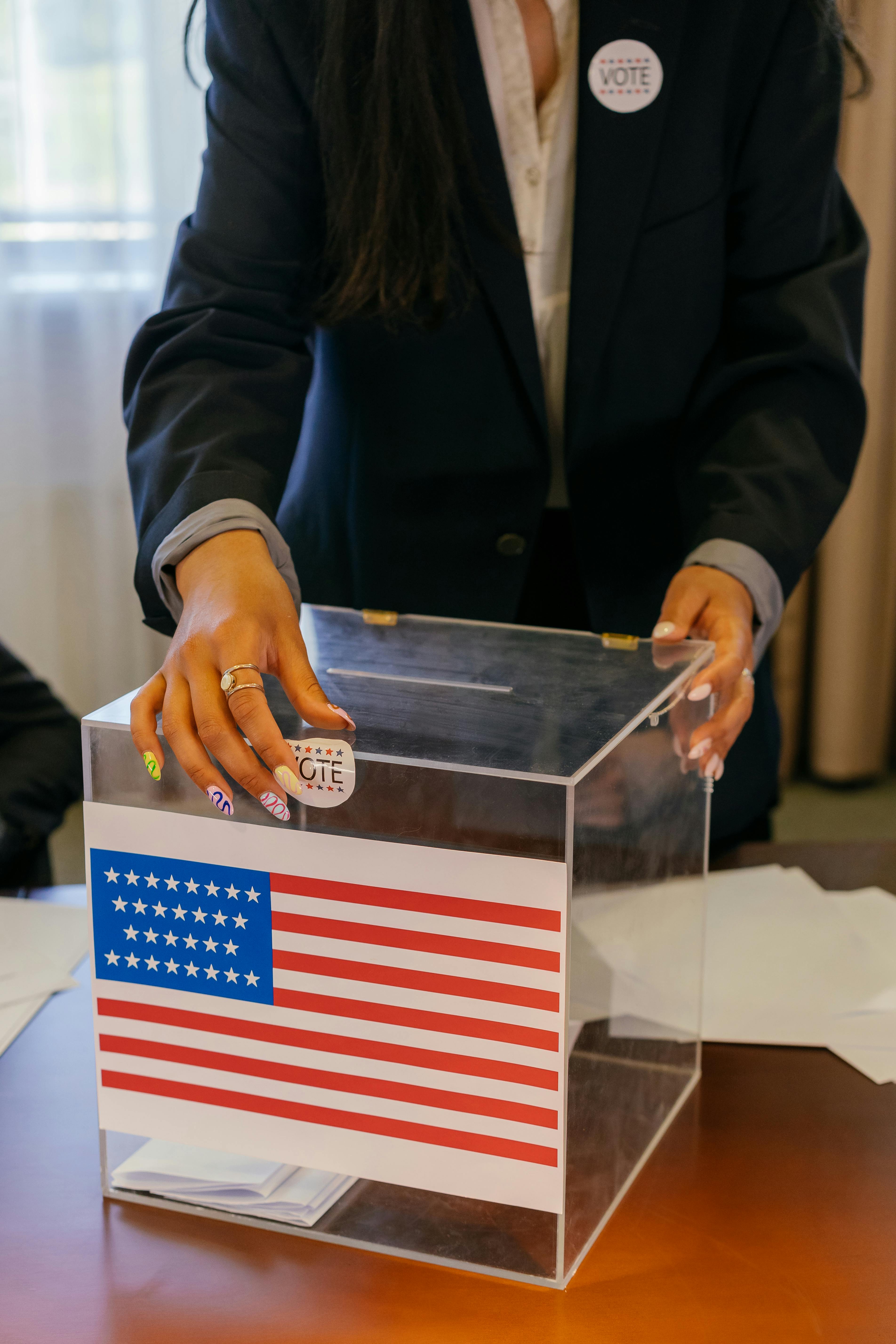
Core Details and Context
A few facts matter more than the noise.
- Park’s lead is narrow. A 22-vote edge is real, but barely. It is the kind of number that makes campaigns sit up straight and stop talking like the scoreboard is final.
- Ballots are still being counted. Late-arriving mailed ballots, questioned ballots, and other valid ballots can alter the result. That is routine in Anchorage, where election administration often extends beyond election night.
- The propositions are trailing. Two education measures are failing, and a public safety bond is also failing. If those outcomes hold, they will shape school funding and city capital plans.
- Voters are cautious. When residents reject spending measures, it is not always because they oppose schools or safety. Often it means they doubt the size, timing, or use of the money.
- The Assembly seat matters beyond the district. Midtown is politically important because Assembly votes are citywide after members are elected by district. One seat can shift coalitions on budgets, taxes, and public works.
When I analyzed local municipal races over the years, one pattern keeps showing up: voters separate personalities from budgets. They may like a candidate, yet still reject a bond. They may approve a school proposition in one year and freeze up the next. That is not confusion. That is restraint.
Here’s the kicker. Education propositions almost always carry emotional weight, because schools are tied to children, neighborhood stability, and basic civic duty. But fiscal support is not automatic. If taxpayers think a proposal is vague, loaded with debt, or built on weak trust, they say no. That doesn’t make them anti-school. It makes them wary.
The same logic applies to public safety bonds. Anchorage voters may want safer streets, better facilities, or upgraded equipment, but bonds are still debt. Debt has to be justified. Stewardship is not a pious slogan here; it is basic civic honesty. Government has an obligation to spend with discipline, because public money comes from families, workers, and small businesses who already carry enough.
The city’s vote counting process is part of the story too. Anchorage has a reputation for patient tabulation. That can frustrate people who want instant certainty, but slow counting is not corruption. It is how you avoid cheap mistakes. In a tight race, caution beats theatrics every time.
Another thing worth saying, since few outlets do: the race is not really about one candidate’s personality alone. It is about whether Midtown voters want continuity, change, or simply a competent hand on the tiller. Local government is not the place for grand speeches. It is the place where potholes, budgets, school repairs, and police funding meet reality.
Anchorage election ballot counting coverage
Timeline and Step-by-Step
- Election night totals were released. Early results put Park ahead by a small margin, which made the race look tight from the start. That matters because close first-round totals often stay close, but not always.
- Late ballots continued to arrive. Anchorage, like many places, counts ballots beyond election night. That includes mail ballots and ballots that need review before they can be accepted. I’ve seen plenty of races swing during this phase, and the people shouting “it’s over” usually look foolish by morning.
- The Assembly race remained unresolved. Park’s 22-vote lead is meaningful but not final. With ballots still in the system, the race stays open until the election office finishes counting and certifies results.
- Ballot propositions trailed. The two education measures and the public safety bond were failing in the latest reporting. These counts can move too, but when multiple spending measures are behind, that often signals broader voter hesitation.
- Campaigns began parsing the numbers. At this stage, both sides look at precinct returns, turnout patterns, and absentee ballot trends. That is where political professionals earn their coffee. The story becomes less about speeches and more about math.
- Final certification will settle it. Until the election is certified, no responsible person should pretend the race is finished. That is how local democracy works. It is slower than social media wants, but more honest.
- Then the policy fight begins. Whoever wins the seat will still face the same city problems: budgets, taxes, schools, roads, and public safety. The propositions, if they fail, will likely force officials to revisit funding plans or bring new measures later.
What actually happened here is straightforward. Voters gave Park a tiny edge, but not a mandate. They also sent a warning on spending measures. That warning may be temporary, but it should not be ignored. A good city government hears discomfort before it becomes anger.

Comparison Table
| Issue | Park / Supporters | Donley / Opponents | Bigger Effect |
|---|
| Midtown Assembly race | Leading by 22 votes | Trailing by 22 votes | Determines Assembly seat control in Midtown |
| Education propositions | Benefit if measures pass | Hurt if voters reject spending | School funding and education planning |
| Public safety bond | Would gain funding support | Failing in current count | Affects police/public safety upgrades |
| Voter message | Cautious optimism | Stronger fiscal skepticism | Shows whether residents want new spending |
The comparison is plain enough. Park’s edge is tiny, and the propositions are losing. That combination tells you something useful: voters are open to some change, but they are not handing out blank checks.
Most reporting stops at the score. That is lazy. The better question is what the score says about public judgment. A close race with failed spending measures suggests a split mood: enough confidence to consider one candidate, not enough confidence to approve broader costs.
Common Misconceptions and What to Know
People love a simple story. Elections rarely cooperate.
- Misconception: A 22-vote lead means the race is settled. No. It means the race is close. That is all. Until all valid ballots are counted and results are certified, the margin can change.
- Misconception: Failing propositions mean voters do not care about schools or safety. Not necessarily. Voters often reject the structure of a proposal, not the goal itself. There is a difference, and it matters.
- Misconception: Late-counted ballots are somehow shady. Usually they are not. They are part of normal election administration. Patience is boring, but it is better than nonsense.
- Misconception: Local races are small and therefore unimportant. Wrong. City elections control money, rules, and service delivery. That touches daily life more directly than most national politics.
Here’s what nobody tells you: people want government to be both compassionate and careful. That is not contradictory. It is the common good in practice. A city should protect families, educate children, and keep streets safe without wasting resources. That is a moral duty as much as an administrative one.
I’ve covered enough public votes to know that failure on one bond or proposition can be a signal, not a verdict. Voters may be asking for tighter design, clearer accounting, or smaller asks. They may also be reacting to inflation, property taxes, or general fatigue with government promises. You do not have to romanticize that to understand it.
The education propositions are especially sensitive because schools sit at the center of family life. Yet support for schools does not excuse sloppy budgeting. Good stewardship means measuring need honestly and asking only for what can be defended in daylight. That is not partisan. That is decent governance.
The public safety bond faces the same standard. Residents usually support safety in the abstract, but bonds ask them to pay for specific projects, and those projects have to be spelled out. If the case is weak, the vote will be weak. Simple as that.
Anyone trying to read this election as a tidal wave is overselling it. The better read is narrower and more useful: Anchorage voters are still deciding whether the city’s leaders have earned another round of trust on schools and safety, and the Midtown race may hinge on a tiny slice of the electorate that showed up late or voted by mail.
For broader context on how Anchorage ballots are counted and certified, see the city’s official election materials and coverage from the Municipality of Anchorage election office and Associated Press elections coverage.
Frequently Asked Questions
What does Park’s 22-vote lead mean?
It means Park is ahead in the current count, but the result is not final. More ballots are still being processed, and close races can change before certification. In a municipal election, a 22-vote lead is thin enough to keep both campaigns nervous.
Why are the education propositions failing right now?
The current count shows them behind, which usually reflects voter hesitation over cost, trust, or the specific wording of the measures. That does not always mean voters oppose schools. More often, they want a tighter, more convincing plan.
Can the public safety bond still pass?
Yes, if enough remaining ballots break in its favor. But as things stand, it is failing, so supporters need a shift in late counts. Bonds can move, especially in close turnout years, but the clock is not their friend.
When will the Anchorage results be final?
Final results come after all eligible ballots are counted and the election is certified. That usually takes longer than election night coverage suggests. The wait is tedious, but it is part of how a proper count works.
A city is judged by what it funds and what it refuses to fund. Anchorage voters are saying something clear, even if the count is not finished yet: they will not be rushed into trust, and they expect public money to be treated like something with moral weight, not loose change. That is a healthy instinct. It is also a reminder that good government begins with honesty, restraint, and respect for the people who pay the bills.