Brandon Torres-Mesa has pleaded not guilty in the fatal shooting of 17-year-old Braylon Diaz in Parkland, and the court has set bail at $10 million. That is...
Parkland Shooting Suspect Pleads Not Guilty as Judge Sets $10 Million Bail
Brandon Torres-Mesa has pleaded not guilty in the fatal shooting of 17-year-old Braylon Diaz in Parkland, and the court has set bail at $10 million. That is the legal bottom line, stripped of the noise. The case now moves into the slow, exacting machinery of criminal court, where prosecutors must prove what happened, the defense will attack every weak seam, and the public will keep asking why something so brutal happened at all.
- Brandon Torres-Mesa is accused in the May 24 killing of Braylon Diaz.
- He has pleaded not guilty and is being held on $10 million bail.
- Bail is not a verdict; it is a release decision made before trial.
- The case will turn on evidence, witness accounts, and intent.
- A teen’s death should be treated as a matter of justice, not theater.
What is the Parkland shooting case?
The Parkland case is the criminal case tied to the fatal shooting of 17-year-old Braylon Diaz on May 24, with Brandon Torres-Mesa accused in the killing. That is the basic frame, and it matters because people keep confusing accusation, plea, and guilt. Those are not the same thing. They are not even close.
When I look at cases like this, I see the same mistake over and over: the public hears one hard fact, fills the rest with emotion, and then wonders why the court record does not match the rumor mill. Frankly, that is a poor way to think. A not-guilty plea is not a claim of innocence; it is a demand that the state prove its case, which is the point of the system in the first place.
The $10 million bail figure is also not a conviction in disguise. It is a judicial signal that the court views the allegation as grave and the risk factors as serious. Judges weigh public safety, flight risk, criminal history, and the nature of the charge. That is a sober task, not a mood board. Human dignity matters here too: even amid a homicide allegation, the law is supposed to keep its footing and treat every person as more than a headline.
The hard truth is simple. A young man is dead. A family is grieving. A community is trying to understand how violence entered a place that should have been ordinary. The rest is procedure, and procedure is where justice either holds or cracks.
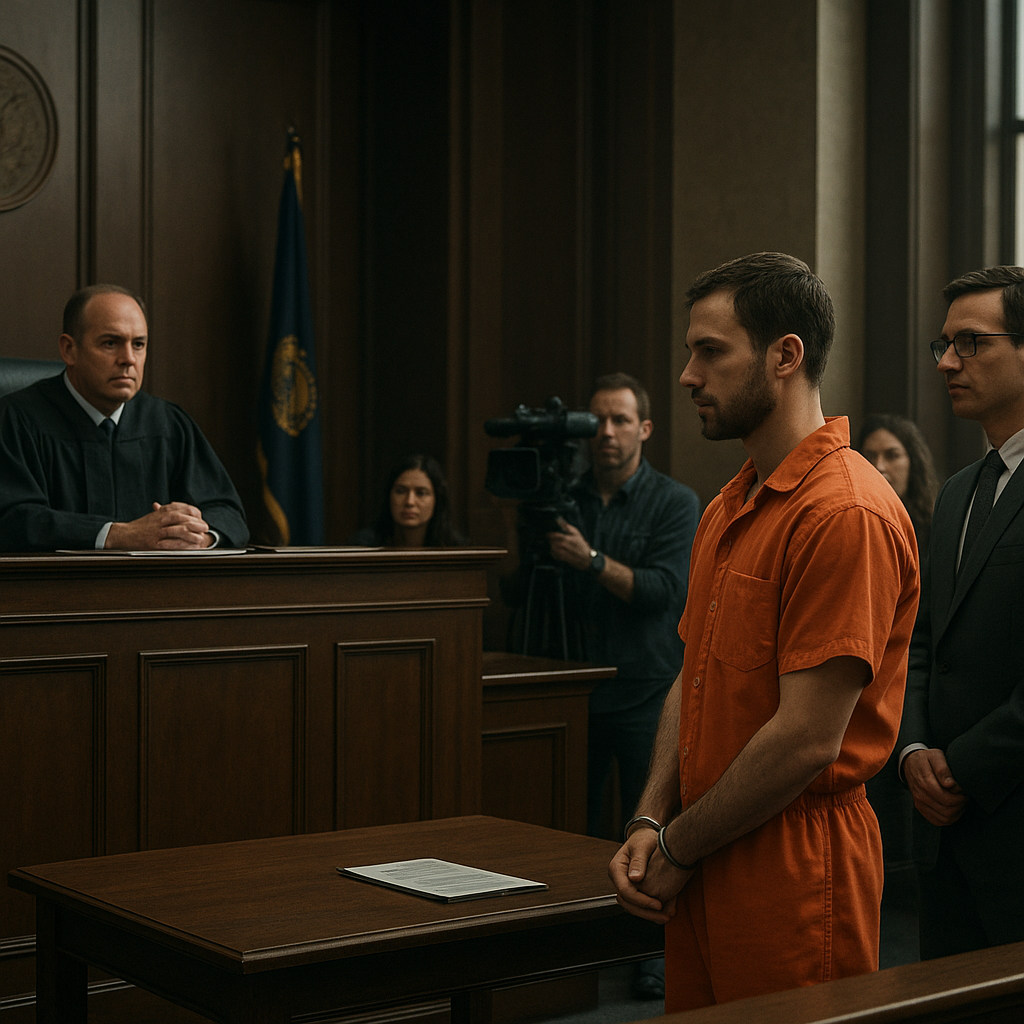
Core details and context
- Charge status matters. An arrest or accusation is not proof. Prosecutors still need to establish their case beyond a reasonable doubt.
- Not guilty is routine. Most defendants enter that plea early because it preserves every defense option.
- Bail is about risk. The court is weighing custody before trial, not deciding guilt.
- The victim was 17. That fact should cut through the chatter. A teenager died. That is the core story.
- Witnesses and records matter. Phone data, surveillance footage, ballistics, and statements will likely be central.
- The defense will push back. Expect challenges to identification, intent, timeline, and the reliability of witness accounts.
- Public pressure cuts both ways. Communities want action, but courts do not run on outrage.
- Justice has a moral duty. A decent society should seek accountability without turning the process into a spectacle. Stewardship of law is part of stewardship of the common good.
Let’s be real: many readers see a $10 million bail amount and assume the case is already over. It is not. Others hear “not guilty” and assume the evidence is weak. Also wrong. The court is not a comment section. It is a place where evidence has to survive contact with cross-examination.
Most news coverage misses the real story: the legal burden is about facts, not feelings. The state has to build a clean narrative from records, forensic work, and witness testimony. If that sounds tedious, good. Tedious is better than sloppy when someone’s liberty is at stake.
For readers following the legal side, the basics are simple: arrest, charging decision, plea, bail hearing, evidence disclosure, motions, and then either a plea deal or trial. If you want related context, see our coverage of Florida criminal justice process, our explainer on public safety and community response, and our analysis of why bail decisions matter.
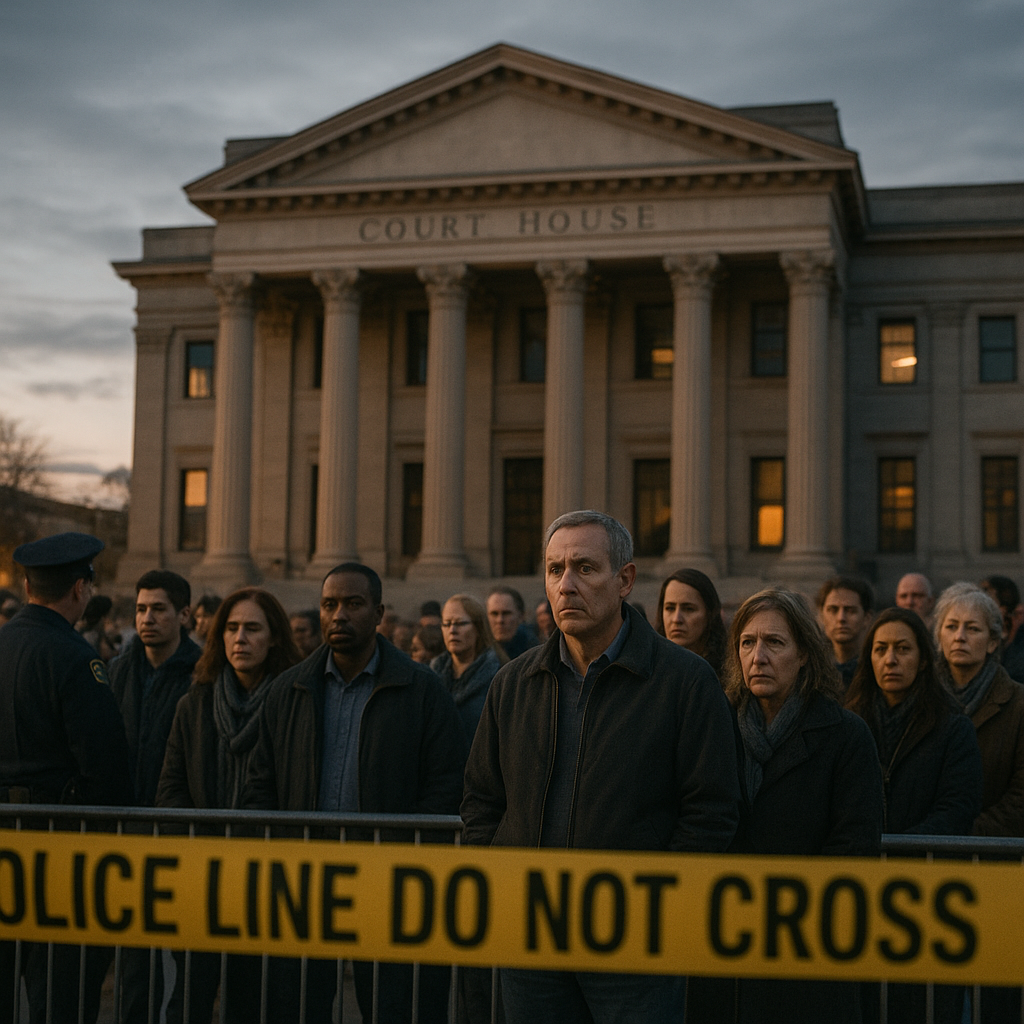
Timeline and step-by-step
- May 24: Authorities say Braylon Diaz was killed in Parkland.
- Police response: Investigators collect witness statements, physical evidence, and any available video or electronic data.
- Charging process: Brandon Torres-Mesa is accused in the killing and brought into court proceedings.
- Initial appearance: He pleads not guilty, which preserves the right to challenge the state’s case.
- Bail decision: The court sets bail at $10 million, reflecting the seriousness of the allegation and risk concerns.
- Pretrial phase: Lawyers exchange evidence and prepare motions.
- Possible challenges: The defense may question identification, causation, intent, or the reliability of witnesses.
- Next outcomes: The case could end in a plea, dismissal of some charges, or trial.
I’ve covered enough criminal proceedings to know this is where the real fight starts. The headlines fade, but the filings get sharper. That is when details matter: ballistics, phone records, location data, and the exact sequence of events. If the state has a solid chain, it will show. If it does not, the defense will pry at the seams.
Here is the kicker: the system is built for restraint, not speed. That frustrates people, but haste is how mistakes spread. A serious society does not just punish; it investigates carefully. That is not softness. That is discipline.
Comparison table
| Factor | Parkland case | Typical violent-crime case |
|---|
| Allegation | Fatal shooting of a 17-year-old | Varies by incident |
| Plea | Not guilty | Often not guilty at first appearance |
| Bail | $10 million | Often lower, depending on charge and risk |
| Public attention | High because of the victim’s age and local impact | Variable |
| Legal issue | Proof of identity, intent, and causation | Same basic burden |
| Likely next step | Pretrial motions and evidence review | Pretrial motions and evidence review |
Common misconceptions and what to know
Bail means guilt. No. Bail is a custody decision before trial. It does not decide the case.
A not-guilty plea is suspicious. Not at all. It is the default legal response and a basic protection in the criminal process.
The biggest number is the biggest story. Not really. The evidence is the story. The rest is just noise.
Public outrage replaces proof. It does not. It only adds pressure, and pressure is not evidence.
One side already knows the whole truth. Rarely. Early-stage homicide cases are messy, and the record often changes as new facts emerge.
The truth is, a case like this exposes the gap between what people want to believe and what can actually be proven. That gap is uncomfortable, but it is also where justice lives. The law’s job is not to satisfy the loudest voices. Its job is to reach a lawful result grounded in evidence, because the common good depends on that kind of restraint.
Frequently Asked Questions
What does a not-guilty plea mean in this case?
It means Brandon Torres-Mesa is contesting the charge and requiring the state to prove the case in court.
Why was bail set at $10 million?
Judges consider the seriousness of the allegation, public safety, and the risk that a defendant could flee before trial.
Does the bail amount mean the defendant is guilty?
No. Bail is not a finding of guilt. It is a pretrial custody decision.
What happens next?
The case moves into pretrial hearings, where lawyers review evidence, file motions, and prepare for either a plea or a trial.
Final thought
The legal system will have its say, but it should do so with discipline. A dead teenager deserves more than social media noise, and the accused deserves a process that is hard-edged, fair, and unsentimental. That balance is not weakness. It is the only thing standing between justice and raw impulse.