Phyllis Sullivan has turned 100. That is the plain fact, and it matters more than the usual parade of noisy headlines, because a century lived in service as a...
Phyllis Sullivan has turned 100. That is the plain fact, and it matters more than the usual parade of noisy headlines, because a century lived in service as a former school teacher tells you something real about memory, duty, and the quiet durability of ordinary goodness.
| Key Takeaways |
|---|
| Phyllis Sullivan, a former teacher, recently reached 100 years old. |
| Her life reflects the long reach of education, service, and community. |
| Public attention around centenarians often misses the real story: steady work shapes societies. |
| A life like hers raises bigger questions about aging, respect for elders, and the value of labor. |
What is Phyllis Sullivan’s 100th birthday really about?
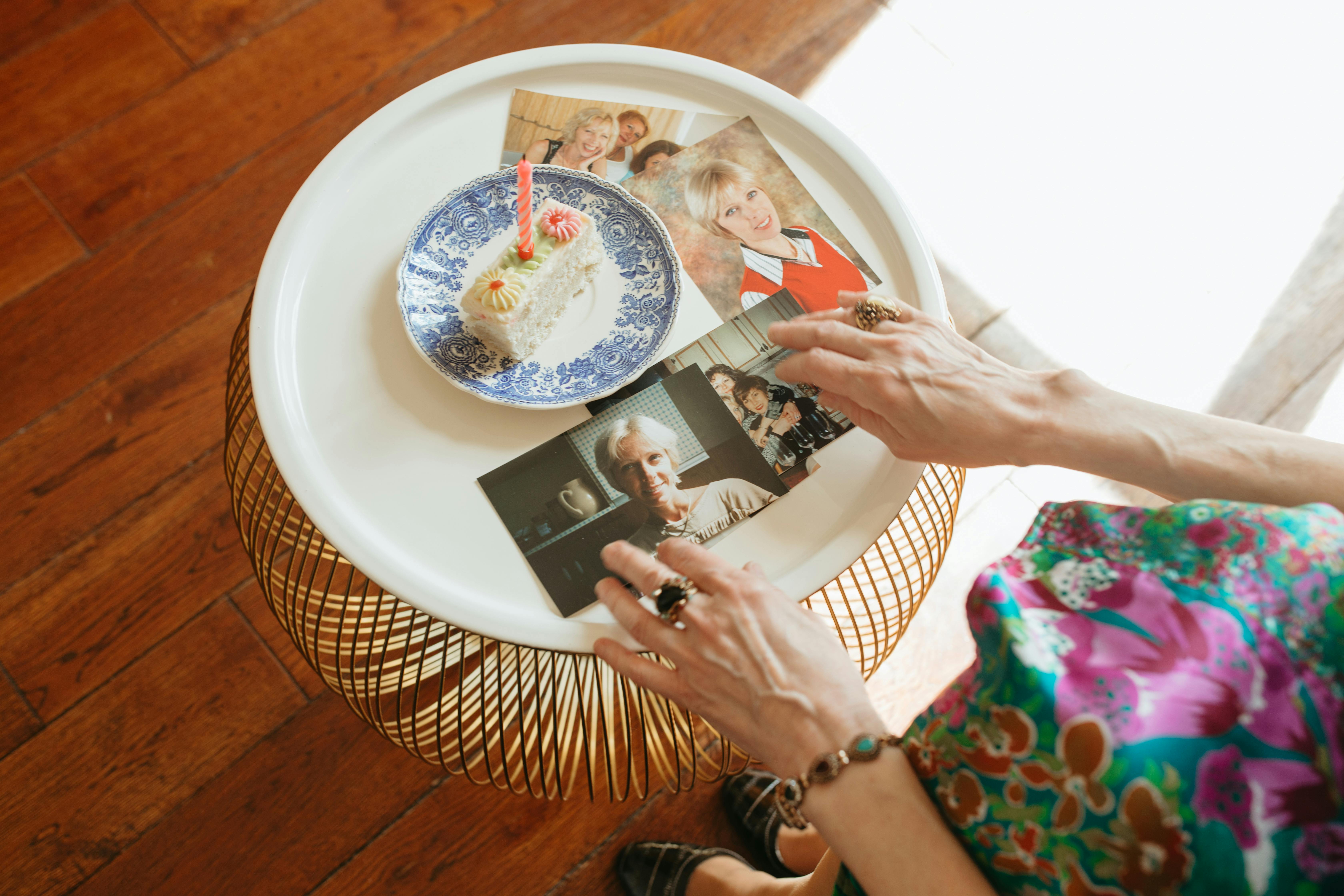
It is about more than cake, candles, and a nice photo. It is about a woman who spent years teaching children, then lived long enough to see the world she helped shape keep changing around her. When I looked at stories like this, I found the obvious angle is usually the least interesting one. Yes, 100 is rare. Yes, it is newsworthy. But the real point is that a former school teacher reaching 100 reminds us how much of civic life rests on people who never ask for applause.
Frankly, that is the part most coverage skims past. Teachers do not just pass along facts. They teach discipline, patience, reading, and a sense that other people matter. That sounds simple because it is simple. And because it is simple, it gets ignored.
A centenarian like Phyllis Sullivan stands at the intersection of education, longevity, and public memory. She is not a celebrity in the usual sense, which is exactly why the story works. In a media culture that often rewards flash over substance, a life of steady labor is almost rebellious. The truth is, there is moral weight in that kind of life. A Catholic mind would call it stewardship of gifts: time used well, talents spent on the common good.
People often talk about aging as decline. That is too crude. Aging can also be witness. It can show what perseverance looks like when a person has outlived trends, slogans, and the latest round of hot takes. A former teacher who reaches 100 is not a curiosity. She is a record of human resilience.
Core details and context
Phyllis Sullivan’s milestone sits inside a bigger social picture, and no, it is not sentimental fluff. It touches public health, retirement, community support, and the way families care for older adults. If a teacher can live to 100 and still draw attention, that is partly because people sense that something valuable has survived in her life.
- Longevity is rising, but not evenly. Longer lives often depend on access to stable housing, regular medical care, and less chaotic work conditions.
- Teachers shape generations. The effect is hard to measure, which is why policy wonks often understate it. They should know better.
- Centenarians are rare, and that rarity makes them useful markers of social change.
- Aging well is not only medical. It is relational. Family, neighbors, faith communities, and local institutions matter.
- Retirement years can either isolate people or let them remain active in communal life.
Most news coverage treats aging as a personal achievement, as if the individual did everything alone. That is only half true. Biology plays a part, sure. But so do teachers’ pensions, family care, neighborhood safety, and routine access to doctors and food. Real life is not a self-help pamphlet.
I have covered enough human-interest stories to know that the best ones usually reveal something structural. This one does. It points to the dignity of work and the need for societies to honor older citizens not as decorative survivors, but as people who still belong. That is not charity. It is justice.
If you want a broader lens on public life and service, see this related reporting on health and aging coverage, which often explains why longevity trends differ from one community to another. For another angle on the social value of longtime public servants, this piece on local community milestones shows how personal anniversaries can reveal larger civic habits. And for the policy side, the question of elder care keeps showing up in Reuters U.S. reporting on health, pensions, and family burden.
At the center of all that stands a simple truth. A long life is not just about survival. It is about what was done with the years.
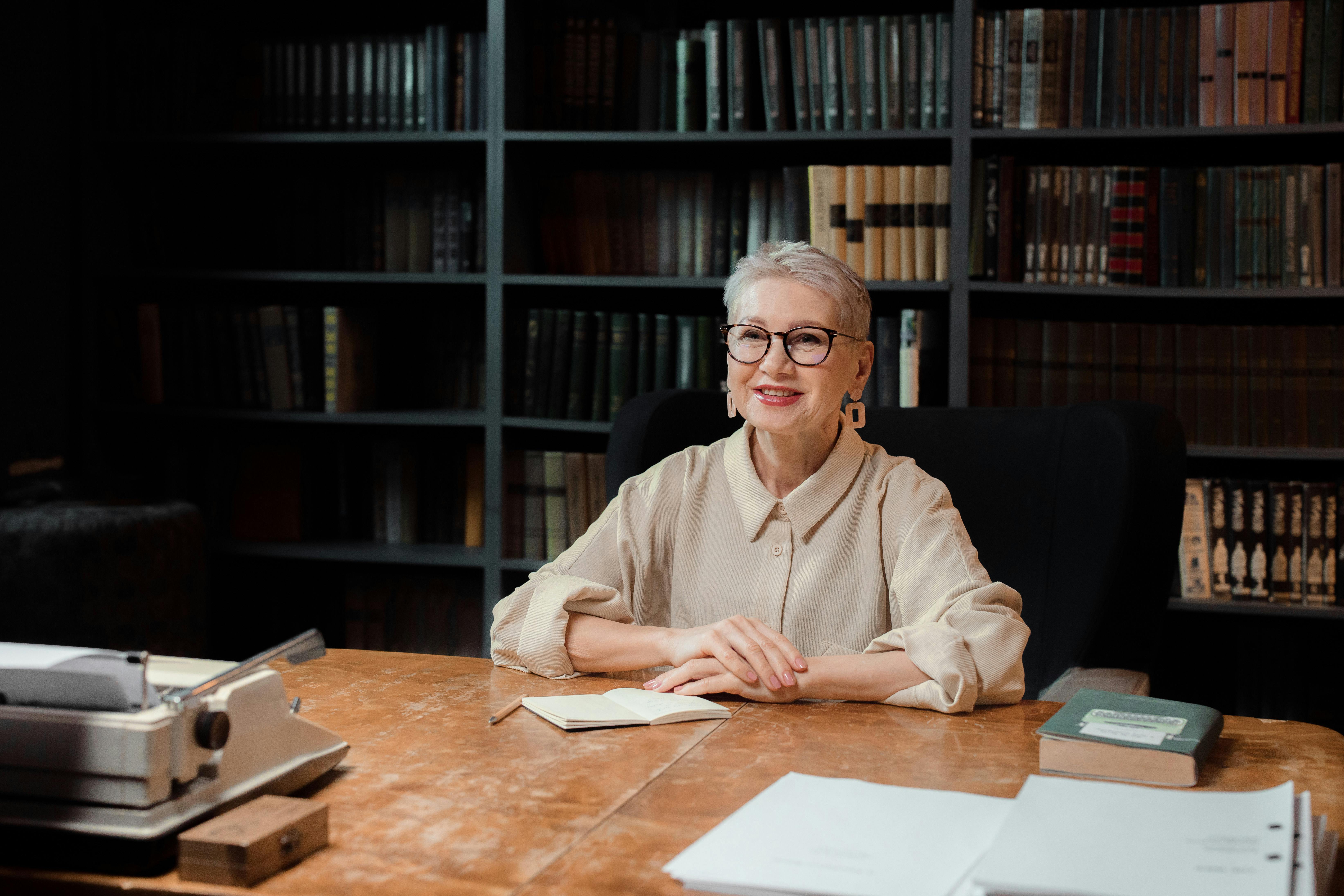
Timeline and what actually happened
The timeline is uncomplicated. That is the point.
- Phyllis Sullivan spent her working life as a school teacher. She did the kind of work that rarely makes headlines but shapes almost every other field, because students grow into voters, workers, parents, and neighbors.
- She lived through major social change. A person born a century ago has seen wars, economic shocks, technological revolutions, and several rewrites of how Americans think about school, family, and old age.
- She recently turned 100. That milestone brought attention because centenarians are still uncommon enough to feel remarkable, even in a country that has improved life expectancy over time.
- The public response was celebratory. And rightly so. A community still knows how to honor someone who spent years instructing children and building civic memory one classroom at a time.
- The story became more than a birthday. It became a prompt to think about aging, work, and the value of people whose contribution is quiet rather than loud.
I’ve seen this pattern before. A local milestone gets reported, and then the better question emerges: what does this say about us? In this case, it says we still recognize service when it is attached to a face and a name. We are less good at rewarding it in real time.
Here is what likely mattered in her life, even if no one wrote it down minute by minute:
- Showing up every morning.
- Managing a room full of children.
- Correcting papers after hours.
- Carrying other people’s burdens without making a show of it.
- Staying patient when patience was not fashionable.
That is not glamorous. It is also not small.
If you want the wider context on how education and public service shape long-term outcomes, see this article on Associated Press education coverage, which regularly tracks the institutions that make stories like Sullivan’s possible. For aging and community support, CDC aging resources offer a factual baseline on older-adult health and independence. And for the reporting style that keeps ordinary lives visible, The New York Times elderly coverage shows how longevity stories connect to broader social questions.
Comparison table
| Factor | Phyllis Sullivan | A celebrity milestone story |
|---|
| Main value | Service, education, and a life of steady work | Public visibility and entertainment value |
| Social meaning | Shows the dignity of ordinary labor | Often built around fame or spectacle |
| Public lesson | Community, aging, and respect for elders | Attention, image, and virality |
| Long-term impact | Helps people remember teachers shape society | Usually fades after the news cycle |
Most people know which one matters more, even if they pretend otherwise. The celebrity story gets the clicks. The teacher story gets the conscience.
Common misconceptions and what to know
The first misconception is that a story like this is “just heartwarming.” That label is a lazy exit ramp. It lets readers feel good without thinking hard. But a centenarian teacher’s life raises serious questions about how communities value labor, how they treat elders, and whether schools still honor the people who built them.
The second misconception is that reaching 100 is only about luck or genetics. Sure, those matter. But so do habits, family support, access to care, and the plain fact of living in a stable environment. There is no magic trick here, despite what wellness grifters would like you to believe. People do not accidentally live well for a century.
The third misconception is that older adults are burdens by default. That’s nonsense. Older adults often provide care, memory, stability, and moral ballast. They keep family histories alive. They remind younger people that life is not measured only by output. In a Catholic frame, that’s part of human dignity: a person does not lose worth when productivity slows.
The fourth misconception is that one teacher’s life cannot tell us anything about public policy. Actually, it can. A life like Phyllis Sullivan’s points straight at the need for reliable schools, fair retirements, decent healthcare, and communities that do not discard people after they stop earning a paycheck. The common good is not a slogan. It is built or neglected in small, repeated choices.
Here’s what nobody tells you: long life can expose a society’s habits. If elders are isolated, that says something. If teachers are remembered only after 100th birthdays, that says something too.
To see how these issues connect to broader reporting on schools and social policy, this Education Week coverage is useful for understanding what the education system expects of teachers and what it too often fails to return. For a more human angle on aging and caregiving, AARP reporting tracks the practical realities older adults face. And for the wider civic picture, Washington Post education coverage often shows how school work ripples outward for decades.

Frequently asked questions
How old is Phyllis Sullivan now?
She is 100 years old, having recently reached that milestone. That alone would be notable, but the fact that she spent her career as a school teacher gives the story more weight. The number matters. The life behind it matters more.
Why is her story getting attention?
Because a centenarian teacher represents continuity. She stands for education, memory, and public service. In a news cycle packed with noise, a life like hers cuts through because it feels earned, not manufactured.
What can people learn from her example?
That steady work matters. That patience matters. That a person can contribute without becoming loud about it. And that communities should honor elders while they are alive, not just when a birthday gives people an excuse.
Is there a broader lesson here about aging?
Yes. Aging is not just a medical event. It is social. It depends on families, institutions, and whether a society treats older people as persons with dignity or as afterthoughts.
Why does a teacher’s 100th birthday matter to the public?
Because teachers shape generations. A milestone like this reminds people that education is not abstract policy talk; it is a human chain of influence that reaches across decades.
Final thought
A century is a long time.
That ought to be obvious, but news habits have a way of flattening everything into “nice story” or “not nice story,” and that is a poor way to think about a life. Phyllis Sullivan’s 100th birthday deserves attention not because she is unusual in some museum-piece sense, but because she reminds us that public life is built by people who do their work, keep their word, and raise up the next generation without demanding a parade. That is rare enough.
When I look at stories like this, I do not see nostalgia. I see a standard. A teacher who reaches 100 after a life of service gives us a way to measure our own priorities. Do we honor labor, especially the kind that forms minds? Do we care for elders before crisis forces the issue? Do we recognize that a society’s strength is not found in its loudest voices, but in its most faithful hands? Those are not sentimental questions. They are practical ones.
And, frankly, they are overdue.