A woman was badly hurt in Pioneer Square. That is the plain fact, and it matters more than the noise that usually follows violent crime coverage, because...
Pioneer Square Shooting Leaves 26-Year-Old Woman Seriously Injured: What We Know
A woman was badly hurt in Pioneer Square. That is the plain fact, and it matters more than the noise that usually follows violent crime coverage, because behind every police report is a human being, a family, and a city still trying to keep public streets safe without pretending there are easy fixes.
| Key Takeaways |
|---|
| A 26-year-old woman was seriously injured in an early Sunday shooting in Pioneer Square. |
| The case sits inside a stubborn pattern of violence that keeps resurfacing in Seattle’s downtown core. |
| Police details remain limited, so the public should resist rumor and wait for confirmed information. |
| The bigger issue is not one block or one night, but public safety, accountability, and how cities protect ordinary people. |
What is the Pioneer Square shooting incident?
This is a reported shooting in Seattle’s Pioneer Square neighborhood that left a 26-year-old woman seriously injured early Sunday morning. It is a criminal violence case, but it is also a public-order story, a street-safety story, and, frankly, a test of whether the city can keep dense nightlife districts from becoming predictable crime scenes.
Pioneer Square is not just another part of town. It is one of Seattle’s oldest neighborhoods, a place packed with bars, transit access, offices, historic buildings, stadium traffic, and foot traffic that rises and falls by the hour. That mix can be lively. It can also be messy. When I look at these incidents, I do not see an abstract “urban challenge” or the usual polished civic language. I see the same old problem: too much disorder, not enough deterrence, and too many people forced to live with the consequences.
Most news coverage stops at the headline. That is sloppy. A shooting like this raises several questions at once: Was this targeted? Was the victim known to the shooter? Was anyone else injured? What security, policing, or emergency response was in place? Those are not idle questions. They shape how the public understands risk and how city leaders should respond.
The truth is, violent crime in a downtown district does not just affect tourists or people going out at night. It affects workers, residents, transit riders, restaurant staff, and small businesses that depend on people feeling safe enough to linger. Human dignity is not an abstract church phrase here; it is the baseline requirement of civil life. When a young woman is seriously injured on a city street, the common good has already been damaged.
Authorities have not, at least in the initial reporting, released every answer. Good. They should not guess. But the public should also not accept vague reassurance. Facts first, spin never. If you want the broader context on urban safety and street violence, it helps to read reporting on Seattle crime trends from sources like The Seattle Times crime coverage, official updates from the Seattle Police Department, and city-level policy discussions that often trail the real-world problem by months.
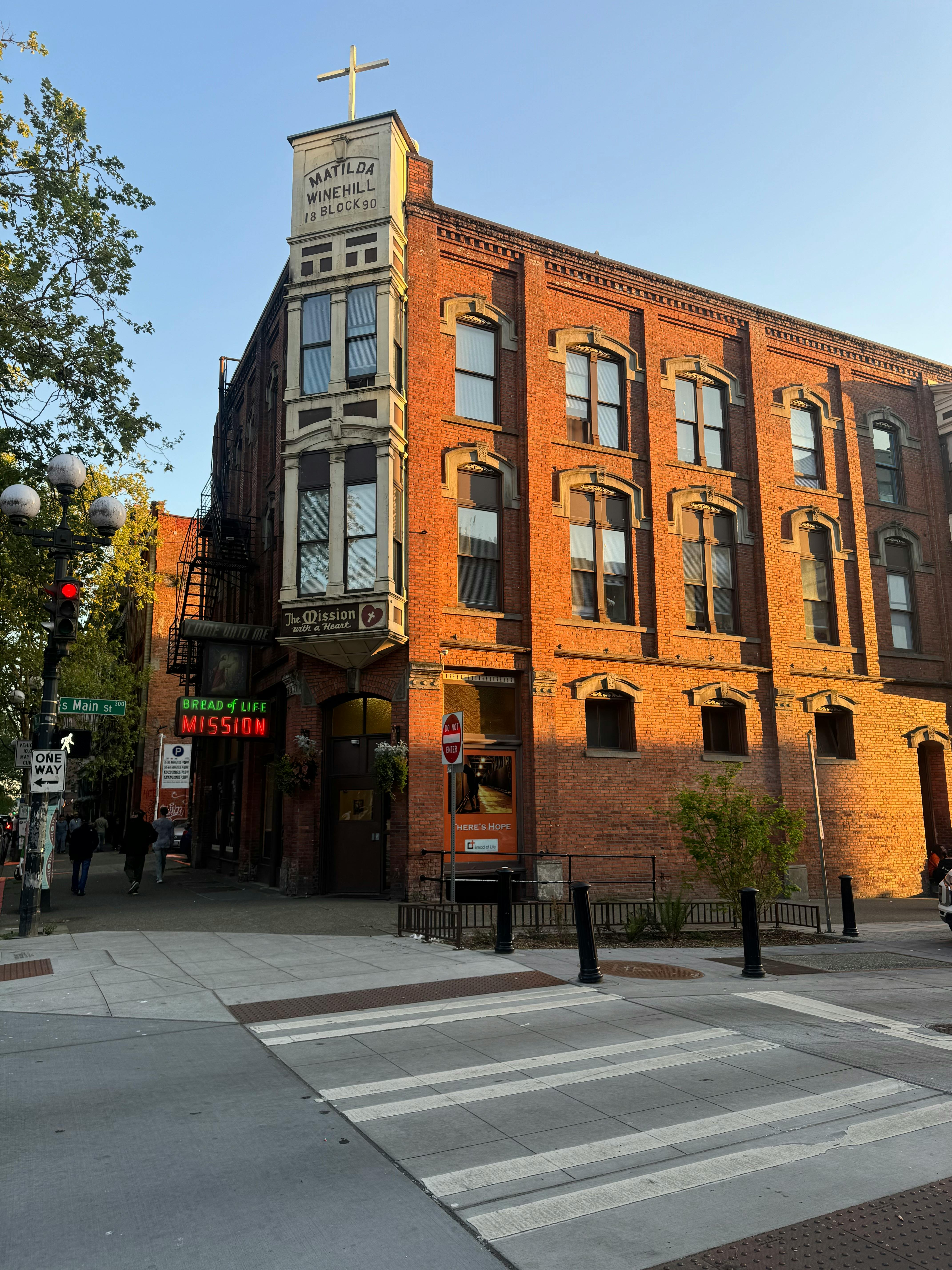
Core details and context
- The shooting happened early Sunday morning.
- The victim is a 26-year-old woman.
- She was seriously injured.
- The incident took place in Pioneer Square, a high-traffic downtown Seattle district.
- Details about a suspect, motive, or arrest were not part of the initial public report.
That last point is important. Everyone wants a neat story. They want a villain, a motive, a tidy sequence, maybe even a mugshot before the sun goes down. That is not how real investigations work. Police often release only the basics first because they are trying to preserve evidence, interview witnesses, and avoid contaminating the case.
Still, the lack of early detail should not become a blank check for complacency. If violence keeps occurring in the same districts, then the city has to ask whether policing levels, lighting, patrol patterns, business security, and outreach systems are actually working. If not, then no amount of press release language will fix the root problem.
A few realities are worth saying out loud:
- Pioneer Square is a conflict zone of uses. Bars, clubs, shelters, transit, offices, and tourists all compress into a few blocks.
- Nightlife districts create risk concentrations. The mix of alcohol, late hours, and crowd movement often increases the odds of altercations.
- Emergency response is only the first layer. Treating the injured is vital, but preventing repeat incidents is what matters long-term.
- Public safety policy is never just policing. It also involves street design, cleanup, lighting, court follow-through, and social services.
Some people will insist the answer is only more police. Others will insist it is only social programs. I do not buy that false split. Cities need enforcement and prevention, order and mercy, consequences and care. That is not a trendy political slogan. It is just common sense, with a bit of moral spine.
The broader Seattle backdrop makes the shooting more consequential. Residents and workers have complained for years about disorder downtown, and city officials have tried different combinations of patrols, cleanups, outreach, and prosecution strategies. If you want a deeper read on city policy and public safety decisions, related coverage often overlaps with debates like those seen in Seattle political reporting and regional coverage from KING 5 local news.
A sober view of the matter should hold two thoughts at once. First, the injured woman deserves privacy, medical care, and justice. Second, the city deserves honesty about whether it is doing enough to keep this from happening again. That balance is harder than slogans, which is probably why it is so often ignored.
Timeline and step-by-step account
- Early Sunday morning: A shooting occurs in Pioneer Square.
- The victim is hit: A 26-year-old woman is seriously injured.
- Emergency response is triggered: Police and medical personnel respond to the scene.
- Initial reporting emerges: The public learns the basic facts, but not yet the full motive or suspect details.
- Investigation continues: Detectives and officers work through witness statements, evidence collection, and scene reconstruction.
That is the skeleton. The flesh takes time.
When I have followed cases like this over the years, one thing becomes clear fast: the first 24 hours are often the most confusing and the most distorted. Rumors spread. Social media fills the gaps with nonsense. Someone claims it was gang-related. Someone else says it was random. Someone else insists the neighborhood is “out of control,” which may be emotionally understandable but still too vague to be useful. Let’s be real: outrage is not analysis.
What typically happens next in a case like this?
- Police may identify a suspect or vehicle if evidence is strong.
- Detectives may ask for surveillance footage from businesses or nearby buildings.
- Witnesses may be interviewed repeatedly as memory sharpens.
- Prosecutors may wait until they have enough to charge, especially if the evidence is circumstantial.
- Hospital information remains limited because of privacy and medical concerns.
That last point matters too. A serious injury does not equal an automatically public medical file. Nor should it. There is still such a thing as dignity, even in a crime story.
A responsible public response also means looking at the scene itself. Pioneer Square’s mix of late-night activity and transit access can complicate police work. Crowds disperse quickly. Cameras may cover some angles and miss others. Witnesses may be tourists or temporary visitors who leave town within hours. All of that makes rapid fact-gathering difficult.
If you want to understand why city incidents in entertainment and nightlife districts are so hard to solve, the pattern is consistent across American downtowns: the more transient the crowd, the more effort it takes to reconstruct what happened. That does not excuse low clearance rates. It explains them.
For comparison, reporting on similar urban violence often appears in broader crime dashboards and city crime updates, such as the Seattle Police crime statistics portal. Numbers do not tell the whole story, but they do stop officials from hiding behind vague impressions.
Comparison table
| Factor | Pioneer Square shooting | Typical downtown nightlife violence |
|---|
| Time of day | Early Sunday morning | Late night to early morning |
| Location type | Dense urban entertainment district | Similar high-traffic nightlife area |
| Victim profile | 26-year-old woman seriously injured | Often adults in public-facing spaces |
| Immediate public detail | Limited initial information | Often limited at first, then expands |
| Police challenge | Fast-moving scene, possible witness turnover | Same: crowd movement complicates evidence |
| Policy implication | Calls for better safety, patrols, and prevention | Usually triggers similar debates |
| Public impact | Fear, anger, demand for answers | Same, but often normalized too quickly |
The bigger comparison, of course, is not just this incident versus “typical” violence. It is the real-world gap between civic promises and street-level safety. Officials like to say they are improving conditions. Businesses like to say they are committed to the neighborhood. Residents hear all that and still want to know why the street keeps producing trauma.
Here is the kicker: cities often treat violent episodes as isolated when the public experiences them as patterns. A single shooting can be a crime scene. A series of them becomes a credibility problem.
The same tension shows up in public policy debates around transit safety, downtown recovery, and business corridor health. You can see echoes of that discussion in coverage of neighborhood policing and city governance, including analysis from The New York Times U.S. coverage and regional accountability reporting from outlets like Axios Seattle.
That comparison matters because the real issue is not just one injured woman, awful as that is. It is whether the city can stop normal people from becoming collateral damage in places that should be secure enough for work, transit, and a night out.
Common misconceptions and what to know
A violent incident triggers a lot of lazy thinking. People rush to fill gaps with whatever fits their prior beliefs. That is human, but it is also dangerous.
Misconception 1: Every shooting in downtown Seattle means the same thing.
No. Some are targeted. Some are disputes that spill into public places. Some are random. Some involve known groups, and some do not. Treating all incidents as identical is intellectually sloppy and makes bad policy more likely.
Misconception 2: If police do not release a suspect immediately, they are doing nothing.
Not true. Often they are working scenes, checking cameras, gathering witness statements, and building a case that will actually stick in court. Instant certainty is for television, not investigations.
Misconception 3: More patrol cars automatically solve public violence.
Sometimes visible enforcement helps. Sometimes it just pushes problems one block over. Real safety requires follow-through: arrests where warranted, prosecutorial seriousness, street lighting, venue accountability, and interventions before disputes become shootings.
Misconception 4: Public safety is only about crime statistics.
Also false. Statistics matter, but so do lived experience, business closures, transit hesitation, and the quiet decision by a parent or worker to avoid a neighborhood after dark. Public order is not just a number. It is trust.
The skeptical view here is not cynical; it is necessary. Civic institutions often understate disorder until the evidence becomes impossible to hide. Then they issue earnest statements, promise reviews, and wait for attention to move elsewhere. That cycle is tiresome. Frankly, people are done with it.
If you want the plain truth, it is this: cities are judged not by what they say on a good day but by how they protect the vulnerable on a bad one. That is a moral issue as much as a political one. A society that cannot shield a young woman from serious street violence has work to do, and not the decorative kind.
There is also a temptation to forget the victim in favor of the debate. Resist that. The injured woman is not a prop in a policy argument. She is a person made in dignity, and that fact should shape how officials, journalists, and the public talk about her case.
For readers following broader violence and urban safety issues, related coverage from Associated Press Seattle coverage often provides a clean baseline free of local spin. That is useful, because spin is cheap and truth is not.
Frequently asked questions
What happened in Pioneer Square early Sunday morning?
A 26-year-old woman was seriously injured in a shooting in Seattle’s Pioneer Square neighborhood. Initial reports described the incident as happening early Sunday morning, with police investigating the circumstances.
Has police identified a suspect?
Not in the initial public details available from the report. In early stages of an investigation, police often withhold suspect information while they gather evidence and interview witnesses.
Was the shooting random?
That has not been confirmed publicly. Randomness, targeted violence, and dispute-related shootings can look similar at first, which is why investigators usually avoid speculation until the facts are clearer.
Why does Pioneer Square keep coming up in crime reports?
Because it is a dense downtown district with nightlife, transit access, and heavy foot traffic. That mix can increase the chance of conflict, especially late at night and on weekends.
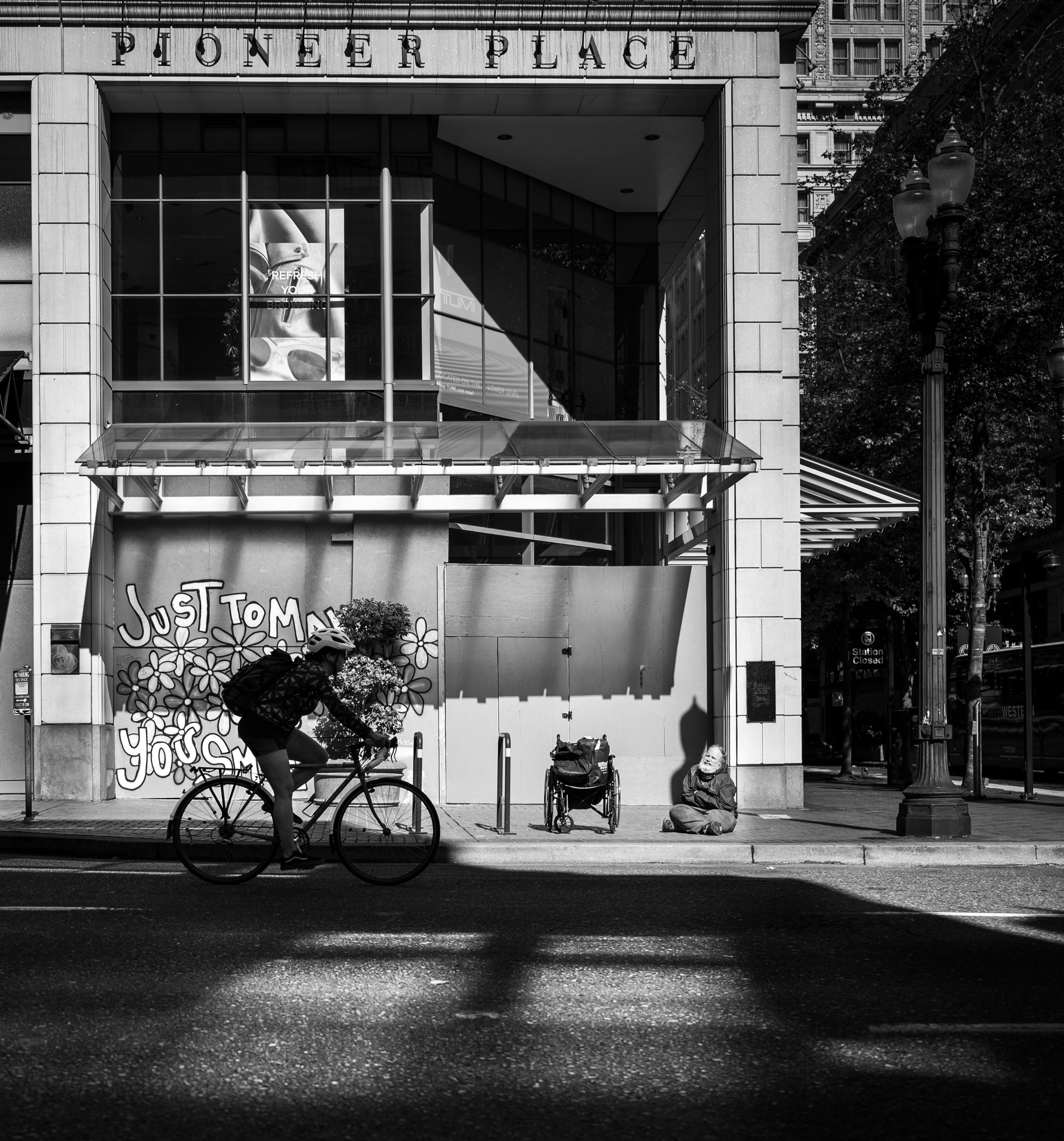
What the city should do next
The next step is not a slogan. It is competence.
Seattle officials should focus on a few basic duties: keep the scene and surrounding blocks under review, support the victim and her family, identify whether this was targeted or random, and be honest about whether current safety measures are working. Businesses and residents deserve more than comforting language. They deserve visible order and credible enforcement.
I’ve covered enough of these cases to know that outrage fades quickly unless leaders do the hard part after the cameras leave. That means court follow-through, witness protection if needed, smart patrol deployment, and attention to the corners where repeat trouble starts. It also means admitting that public spaces belong to the public, not to the loudest or most reckless people in them.
The long-term answer is not mystical. Better lighting, coordinated policing, faster medical response, better venue responsibility, cleaner streets, and consistent prosecution all matter. So does respect for the human person. A city that forgets that will keep relearning the same lesson, usually the hard way.
The injury to one young woman should not be treated as an unfortunate footnote. It is a warning. And warnings are supposed to be useful, not decorative.
Final thought
Violence in a public district always leaves two injuries. There is the wound to the victim, immediate and personal, and there is the wound to trust, slower but wider. Pioneer Square now carries both. The public should want answers, but it should want something more than that: discipline from institutions, seriousness from leaders, and a city that treats human life as more than a line in a report. That is not a grand vision. It is the minimum decent standard.