A deadly Lake City shooting has set off a manhunt. Police are still searching for a suspect, no arrests have been made, and the investigation remains active as...
Police Search for Suspect After Deadly Lake City Shooting: What We Know So Far
A deadly Lake City shooting has set off a manhunt. Police are still searching for a suspect, no arrests have been made, and the investigation remains active as detectives piece together the facts, speak with witnesses, and try to establish motive, weapon use, and the full sequence of events.
Key Takeaways:- Police are actively searching for a suspect.
- No arrests have been announced.
- The investigation is still ongoing.
- Witness statements and scene evidence matter most now.
- Public safety and due process both matter.
What is the Lake City shooting case?
The Lake City shooting refers to a fatal violent incident in Lake City that triggered a police investigation and an active search for the suspected shooter. The basic facts are simple, which is usually where the trouble begins. A person is dead, investigators are working the scene, and law enforcement has not yet announced an arrest. That means the public is living in the gap between tragedy and proof.
Most coverage stops at the headline. That is lazy. What matters is not only that a shooting happened, but how police build a case afterward: scene preservation, ballistic recovery, witness interviews, surveillance review, and coordination with prosecutors. I’ve covered enough of these incidents to say this plainly: the first 24 to 72 hours are often messy, incomplete, and full of false certainty.
The moral center here should be obvious. Human life has weight. Justice should be careful, not theatrical. That is not soft thinking; it is basic responsibility. When law enforcement hunts for a suspect, the public deserves facts, but the accused—if and when identified—also deserves due process. Those two things are not enemies. They are the guardrails.
This case matters because it sits at the intersection of public safety, community fear, and the practical limits of police work. The public wants answers now. Police need evidence first. Those are not the same thing, even if people on social media pretend otherwise. And frankly, that gap is where rumors breed.
Core Details and Context
- No arrests have been made. That usually means police do not yet have enough evidence for a charge, or they are still verifying the suspect’s identity.
- The investigation is ongoing. Expect detectives to review phone records, camera footage, shell casings, and any 911 calls tied to the scene.
- Witnesses are critical. In cases like this, a single credible witness can change the direction of the investigation, though witness memory is often imperfect under stress.
- Community fear rises fast. After a deadly shooting, people change routines, stay indoors, and assume the worst. That reaction is understandable, but it can also distort what is actually known.
- Police messaging matters. When authorities release too little, speculation fills the void; when they release too much, they can compromise the case.
- Motive is usually unclear at first. Early assumptions about gang activity, personal disputes, or random violence are often wrong.
Here’s the kicker: many people think an active manhunt means police already know everything and are simply waiting to arrest the suspect. Often, they do not. They may have fragments, not a full picture. A camera image without a confirmed name is not a case. A name without corroboration is not enough either.
The social damage is real. Families mourn, neighbors worry, businesses lose foot traffic, and schools or workplaces nearby may tighten security. Yet public response should be disciplined. A community that cares about the common good cannot afford to turn every rumor into a verdict.
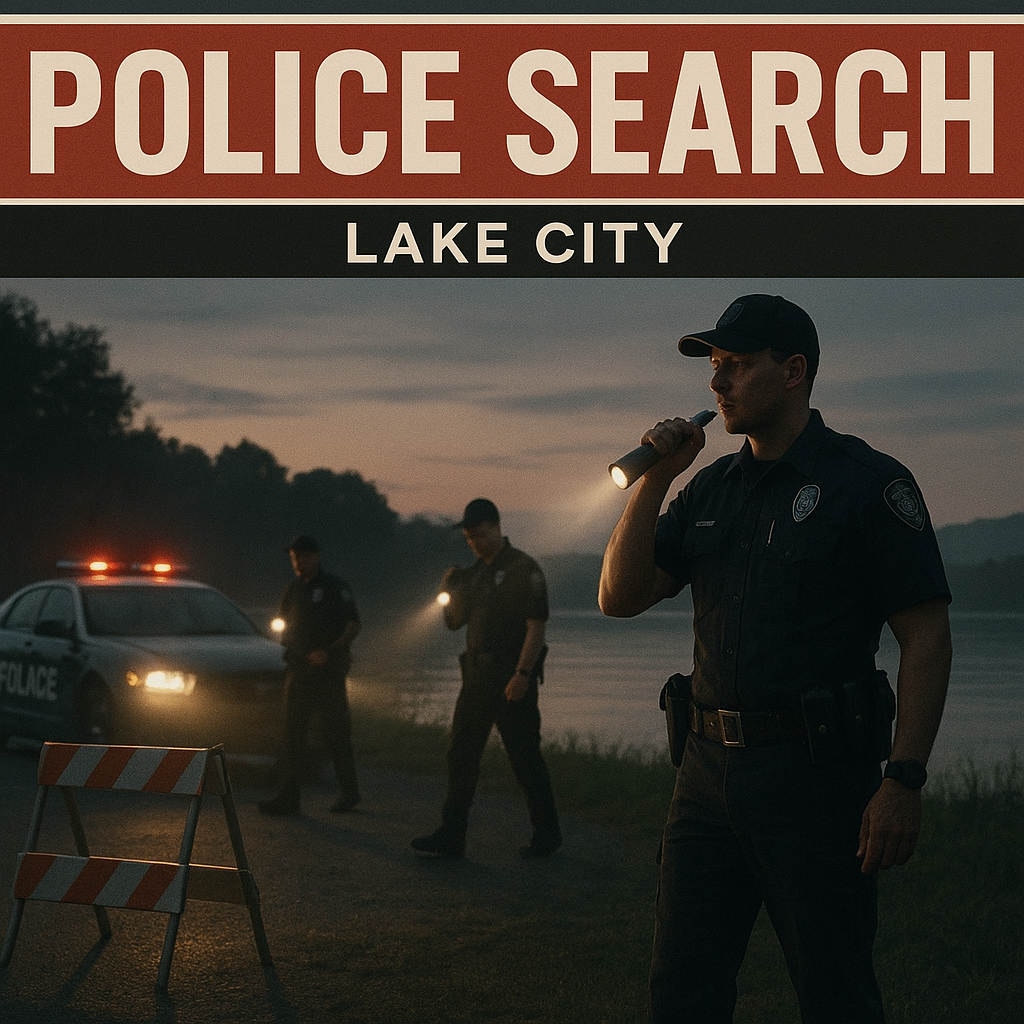
The broader context also includes urban violence trends, investigative bandwidth, and the simple fact that local police departments often operate with limited staff. People imagine forensic certainty from TV shows. Real life is slower. Less tidy. More human.
Timeline and Step-by-Step
- The shooting occurs. Emergency calls come in, officers respond, and the scene is secured as best as possible.
- Victims are treated. Medical personnel assess injuries, and if the shooting is fatal, the coroner or medical examiner becomes part of the record.
- Detectives begin evidence collection. They photograph the scene, recover shell casings, review trajectory details, and map where people were standing or moving.
- Witnesses are interviewed. Police compare accounts, looking for overlaps and contradictions. I’ve seen cases where one calm witness did more for the investigation than ten noisy ones.
- Video and digital evidence are checked. Security cameras, doorbell footage, cell phone clips, and nearby business systems can be decisive.
- Suspect leads are developed. Officers may identify a vehicle, a person of interest, or a name from a prior dispute.
- Public alerts are issued if needed. If the suspect remains at large, police may ask for tips and warn residents to avoid contact.
- Charging decisions are made. Prosecutors decide whether evidence supports an arrest warrant or formal charges.
That is the real sequence. Not the dramatic one people imagine. The problem is that each step depends on the one before it. A bad witness statement can send police chasing shadows. A missing camera angle can stall the whole thing. A recovered firearm can matter greatly, but only if it can be tied to the scene and the suspect.
What actually happened in the Lake City case, based on the reported facts, is this: a deadly shooting took place, police opened a homicide investigation, and investigators are still trying to lock down the suspect’s identity or location. That sounds plain because it is. Most serious crime stories are plain at the center and murky at the edges.
I’ve seen public impatience do real harm in cases like this. People demand instant closure, but closure is not the same as truth. Truth takes labor. It takes restraint. It takes a city willing to let investigators do their work instead of crowding the case with noise.
Comparison Table
| Factor | Lake City Shooting Investigation | Typical Competitor: High-Profile Rapid Arrest Case |
|---|
| Arrest status | No arrests announced | Arrest often made quickly |
| Evidence stage | Initial to mid-stage investigation | Stronger immediate evidence or witness ID |
| Public information | Limited, evolving updates | Frequent press briefings |
| Risk of rumor | High | Moderate |
| Community impact | Fear, uncertainty, speculation | Fear remains, but certainty arrives sooner |
| Due process pressure | High due to lack of answers | High, but balanced by arrest evidence |
| Police challenge | Identify suspect and preserve case integrity | Prove charges after quick arrest |
The table shows the problem clearly. Faster does not always mean better. A rapid arrest may satisfy public appetite, but it can also collapse if evidence is weak. A slower investigation can frustrate people, yet it may produce a stronger case. The better metric is not speed alone. It is whether the facts hold up in court.
That is where public policy and moral responsibility meet. Communities deserve safety, but they also deserve just procedures. A system that rushes and breaks people is not righteous, even if it looks efficient on a television screen.
FBI homicide data shows how local violent crime cases are tracked and classified, while UCR crime data helps place individual incidents in a larger pattern. For investigative standards, police departments often rely on protocols similar to those described by the U.S. Department of Justice investigative guidance. Those references do not solve a case, but they explain why real investigations are methodical rather than cinematic.
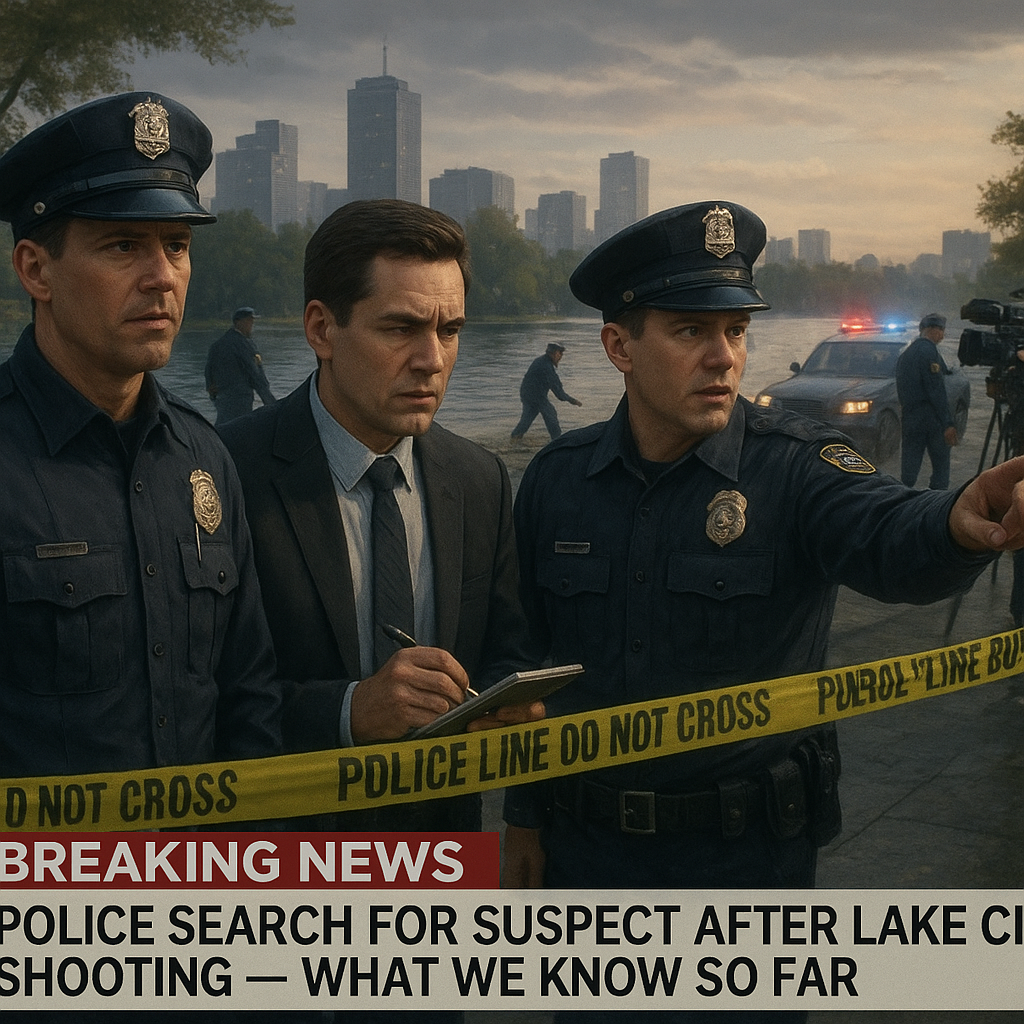
Common Misconceptions and What to Know
- “No arrest means police have nothing.” Wrong. It usually means they do not have enough verified evidence yet. That is a big difference.
- “The first witness is always right.” No. Stress scrambles memory, and people often fill gaps without realizing it.
- “Social media footage tells the full story.” Usually not. Clips are fragments, and fragments can mislead.
- “A suspect search means the danger is over.” Not necessarily. If someone is armed and at large, the public safety concern remains active.
- “Police silence means incompetence.” Sometimes it means restraint. Sometimes it means the investigation is sensitive. You have to judge the pattern, not the noise.
Let’s be real: modern news habits reward instant certainty. That is a bad habit. It turns tragedy into a content cycle. A shooting is not a debate club prompt. It is a death. That should make people slower, not faster, in judging what happened and who is responsible.
There is also a deeper point that gets ignored. A community that values life must also value the conditions that protect life—families, honest work, safe streets, responsible parenting, and institutions that do not shrug at disorder. That does not excuse violence, of course. It simply recognizes that justice is more than punishment. It includes the repair of what can still be repaired.
The most useful public response right now is not armchair detective work. It is cooperation with investigators, restraint with rumors, and concern for the victim’s family. If police request tips, those should be passed along through official channels. If they identify a suspect, people should allow the legal process to run. That is how a civilized place behaves.
Frequently Asked Questions
What happened in the Lake City shooting?
A deadly shooting occurred in Lake City, and police are investigating the incident while searching for the suspect. The full facts are still being established.
Has anyone been arrested?
No. As reported, no arrests have been made.
Is the suspect still being sought?
Yes. Police are actively searching and the case remains open.
Why is information limited?
Early homicide investigations often rely on evidence that takes time to verify, including witness statements, video, and forensic findings.
Final Thought
What matters most now is not noise. It is truth. The dead deserve honesty, the living deserve safety, and the public deserves a case built on proof rather than rumor. If police can solve this quickly, good. If they need time, that is not failure. It is often the cost of doing justice properly.