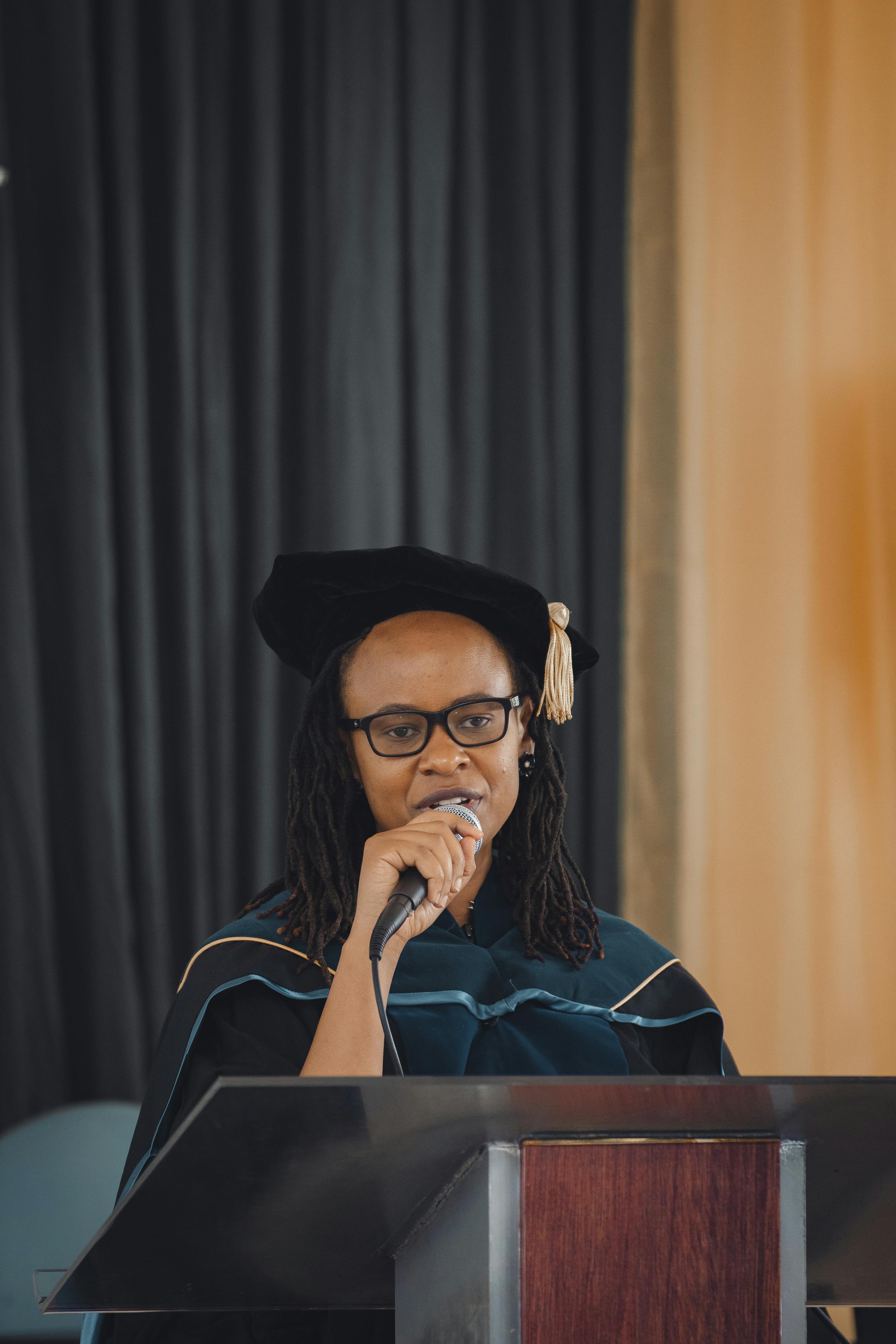
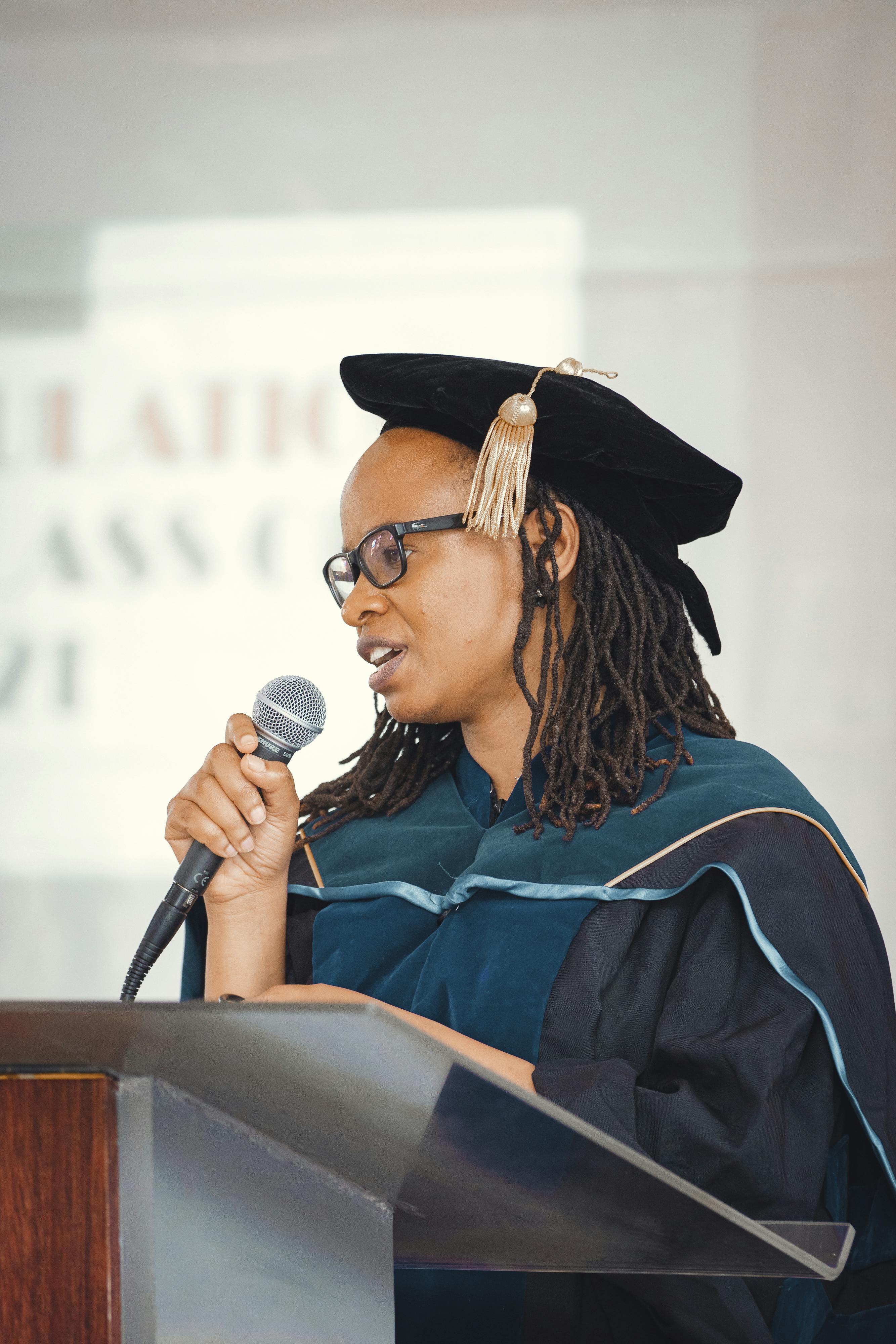
Rainey Spurlock is getting a bigger stage. The Palmer native, known for child acting credits and for making music as <strong>Rainey Laine</strong>, will...
Rainey Spurlock is getting a bigger stage. The Palmer native, known for child acting credits and for making music as Rainey Laine, will deliver the University of Alaska Anchorage’s undergraduate commencement speech. That is not a random booking. It says something about student leadership, public voice, and the university’s habit of choosing speakers who can speak to work, discipline, and the long road from small-town roots to a public platform.
Key Takeaways
- Rainey Spurlock is a Palmer native with experience in both acting and music.
- She performs and produces music under the name Rainey Laine.
- She will speak at UAA’s undergraduate commencement, a role that puts her in front of graduating students and their families.
- The selection reflects more than celebrity; it points to representation, achievement, and the value of artistic work.
- The moment also highlights how Alaska institutions often look for speakers who can connect education, ambition, and community.
What is Rainey Spurlock’s UAA commencement role?
It is a public honor. Rainey Spurlock has been chosen to address undergraduate graduates at the University of Alaska Anchorage, a platform reserved for people who can speak to accomplishment, persistence, and the responsibilities that come with education. She is not being asked to perform for applause alone, and frankly, that is the whole point. A commencement address is supposed to give graduates something sturdier than a slogan.
Spurlock’s background makes her an unusual but sensible choice. She has worked as a child actor, and she creates music under the name Rainey Laine. That mix of early public exposure and creative output gives her a story many graduates will recognize: skills built over time, setbacks that do not make headlines, and the grind behind the polished result. When I look at speakers like this, I do not see a gimmick. I see a university trying to show students that talent is one thing, but discipline and purpose matter more.
There is also a deeper layer. University commencement speakers often signal what an institution thinks success looks like. In this case, UAA appears to value artistic work, local roots, and the ability to speak across generations. That lines up with a basic moral idea that is easy to miss in noisy coverage: the dignity of labor is not limited to one field. A singer-songwriter, actor, or teacher can all contribute to the common good if their work is honest and serves others.
What matters most? The speech itself, not the celebrity label.
Core Details and Context
Spurlock’s selection fits several realities at once. Some are obvious. Some are not.
- She is from Palmer. That matters because local ties still carry weight in Alaska. People pay attention when one of their own returns to a major stage.
- She has a performing background. Child acting is not a trivia note. It usually means long hours, public scrutiny, and a need to adapt early. That kind of pressure can harden a person or flatten them. Sometimes both.
- She makes music as Rainey Laine. Artists who write and produce their own material usually have a clearer sense of authorship than people who merely rent a public image.
- She will address graduates. A commencement speech is part ceremony, part civic moment. It is not a TED Talk. It is a public handoff.
- Her story is relatable. Students listening may hear a message about identity, craft, and persistence rather than fame.
Here’s the kicker: news coverage often treats young creatives as novelty acts. That is lazy. If someone has balanced acting, music production, and public speaking, then the story is not “former child star grows up.” The real story is that she has built a multi-track career in an industry that usually chews people up and spits them out.
I’ve covered enough public events to know that universities do not choose speakers by accident. They weigh symbolism, audience appeal, and institutional values. A graduate audience does not want a lecture from a corporate placeholder. It wants someone with a lived example. Spurlock fits that bill.
There is also a practical lesson here. Young people are often told to pick one identity and stick to it. That advice is overrated. People change. Talents overlap. A student can be a writer, an athlete, a caregiver, and a part-time employee all at once. Real life does not come in neat boxes. As Scripture reminds us in a quiet way, gifts are given to be used wisely, not buried under fear.
So the timeline is not just about one announcement. It is about a person moving from local recognition to an institutional platform, with the university essentially saying: this voice belongs here.
Timeline and What Actually Happened
- Spurlock built an early public profile. She worked as a child actor, which likely gave her early exposure to professional sets, deadlines, and audience expectations. That kind of start can be a burden or a foundation. Often it is both.
- She developed her music identity. Under the name Rainey Laine, she produced music, building a separate creative lane rather than leaning only on acting history. That matters because artists who keep making work are the ones who last.
- UAA selected her as commencement speaker. This is the main news. The university chose her to speak to undergraduate graduates, a signal that her story has resonance beyond entertainment.
- Her role became a public marker. Once a university names a commencement speaker, the person is no longer just a performer or local figure. She becomes part of the institution’s message to its students.
- The audience will judge the speech on substance. That is the real test. Students remember whether a speaker had something worth hearing. They do not care much about buzzwords, and they should not.
When I analyze moments like this, I look for the gap between image and substance. Too often, media stories hype the surface and ignore the work underneath. In this case, the work is the point. Spurlock’s acting background and music production suggest a person who has learned how to make things under pressure, which is exactly the kind of experience a graduating class can use.
There is a practical lesson here too. Young people are often told to pick one identity and stick to it. That advice is overrated. People change. Talents overlap. A student can be a writer, an athlete, a caregiver, and a part-time employee all at once. Real life does not come in neat boxes. As Scripture reminds us in a quiet way, gifts are given to be used wisely, not buried under fear.
So the timeline is not just about one announcement. It is about a person moving from local recognition to an institutional platform, with the university essentially saying: this voice belongs here.
Comparison Table
Here is how Rainey Spurlock compares with a more common commencement speaker profile: the traditional university insider or high-profile administrator.
| Factor | Rainey Spurlock | Typical University Insider |
|---|
| Public identity | Actor and music producer | Administrator, faculty member, or donor |
| Audience appeal | Strong to students and local community | Often stronger to faculty and trustees |
| Symbolic value | Youth, creativity, and local roots | Institutional continuity |
| Message style | Personal story, artistic discipline | Formal, policy-heavy, academic |
| Risk | Less conventional choice | Lower controversy, but often forgettable |
| Likely takeaway | Persistence, identity, craft | Procedure, tradition, and achievement |
| Community connection | High, especially in Alaska | Varies by role |
| Main strength | Human story with broad reach | Authority and institutional knowledge |
The comparison is not meant to flatter one and dismiss the other. Both can work. But the truth is, students usually remember the speaker who sounds like a person, not a press release. That is where Spurlock may have an edge.
Common Misconceptions and What to Know
The first misconception is that a commencement speaker must be nationally famous to matter. Nonsense. Fame is easy to confuse with relevance. A speaker who understands the room often lands better than somebody with a bigger follower count and less to say.
The second misconception is that a child actor’s later career is just a side note. That is sloppy thinking. Early professional experience can shape discipline, confidence, and public presence. It can also leave scars. Either way, it is part of the story.
The third misconception is that music and acting are fluff compared with “serious” public roles. I do not buy that, and neither should anyone who cares about work with purpose. Creative labor requires training, revision, rejection, and patience. It is work. Honest work. That matters.
The fourth misconception is that commencement addresses are ceremonial filler. Some are. Plenty deserve to be forgotten. But every once in a while a speaker lands a plain truth students actually need: your life is not measured only by prestige, but by fidelity to what you were given and how you used it.
Let’s be real. Most coverage of figures like Spurlock leans on novelty. “Former child actor” gets repeated because it is easy. “Musician” gets added because it sounds cool. But the more important question is whether the university sees in her a model of stewardship—of talent, time, and public attention. That is the quieter, better standard.
If you want a sharper read, here it is: UAA is not just featuring a performer. It is choosing a graduate-facing voice who reflects local roots, creative ambition, and the possibility of building a meaningful life without surrendering to cynical careerism.
That is worth noticing.
Frequently Asked Questions
Who is Rainey Spurlock?
Rainey Spurlock is a Palmer native who has worked as a child actor and makes music under the name Rainey Laine.
Why is she being mentioned in connection with UAA?
She has been selected to deliver the University of Alaska Anchorage undergraduate commencement speech, which makes her part of the ceremony’s official message to graduates.
What is Rainey Laine?
Rainey Laine is the music name Spurlock uses for her work as a producer and musician.
Why does this choice matter?
It highlights a speaker with Alaska roots, creative experience, and a public story that may resonate with graduating students more than a generic institutional voice.
The best commencement speeches do not pretend to know everything. They tell the truth about work, loss, and the stubborn business of becoming an adult. If Spurlock does that, then UAA made a smart choice. If she only entertains, the moment fades fast. Students can smell the difference.
Still, I suspect she understands the assignment. People who have had to earn their place in the room usually do.
UAA official site | Alaska’s News Source | Anchorage Daily News