A federal seizure of roe from a factory trawler in Alaska’s Bering Sea is more than a bureaucratic move. It points to a familiar but ugly problem: when...
A federal seizure of roe from a factory trawler in Alaska’s Bering Sea is more than a bureaucratic move. It points to a familiar but ugly problem: when industrial fishing pushes hard enough, regulators sometimes answer with seizures, penalties, and a public reminder that the rules still matter.
Key Takeaways
- Roe seizure signals active enforcement, not just paperwork.
- Factory trawlers face close scrutiny because they can process huge catches at sea.
- The case sits inside a wider fight over fishing violations, bycatch, and resource stewardship.
- Alaska’s Bering Sea remains one of the most valuable, and most contested, fisheries in the country.
- The real issue is not one haul of roe. It is whether the industry can keep profit from outrunning law.
What is the seizure of roe from a factory trawler in Alaska’s Bering Sea?
It is an enforcement action. A federal or state authority takes control of fish products, in this case roe, because investigators believe the vessel violated fishing rules. That can mean fishing in a closed area, exceeding limits, misreporting catch, or breaking processing rules tied to permits and quotas. Simple enough. But the details matter, and they usually tell a harsher story.
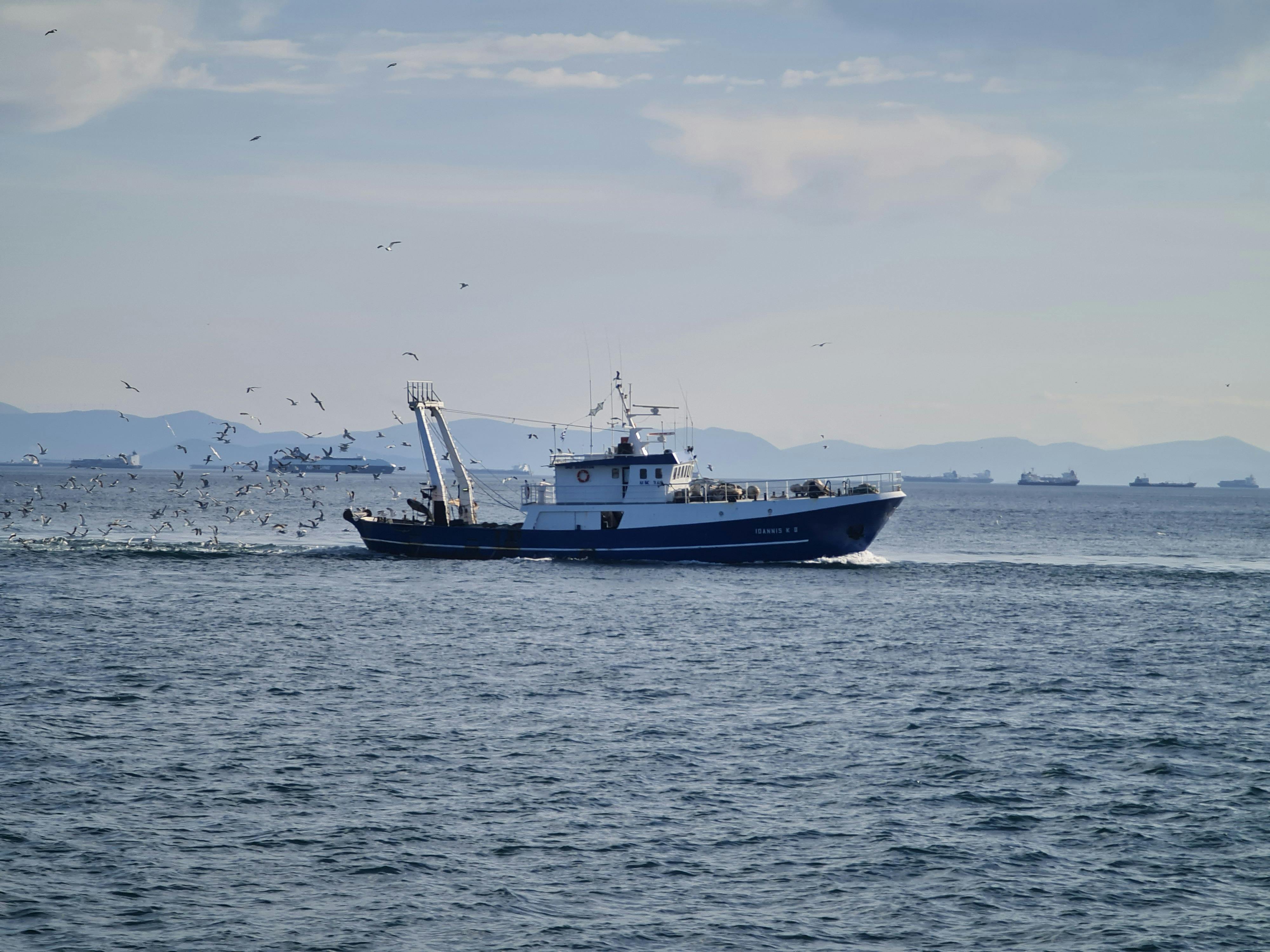
A factory trawler is not a small boat with a net and a couple of crewmen. It is a floating industrial plant, built to catch fish, process them on board, and keep working far from shore. That scale is exactly why regulators watch these vessels so closely. One bad actor can damage a lot of stock, and one illegal haul can distort the numbers that fishery managers rely on.
The Bering Sea adds another layer. It is not just cold water and bad weather. It is one of the most productive fishing grounds in North America, feeding major commercial fisheries and supporting communities that depend on the sea for work, food, and stability. When rules get bent there, the consequences land on more than one company. They land on crews, coastal towns, subsistence users, and future harvests.
I’ve covered enough resource cases to know the script. Companies usually talk about errors, confusion, or paperwork problems. Regulators usually talk about accountability, conservation, and the need to protect fish stocks for the long haul. Both sides have incentives, but not equal moral weight. The law exists for a reason: fish are not a private buffet, and the public has a stake in how they are taken. That is plain stewardship, whether anyone likes the phrase or not.
For broader context on Alaska fisheries oversight, see reporting from the National Marine Fisheries Service and related federal enforcement updates from the NOAA Fisheries site. Those agencies are where the boring paperwork meets the real-world grind of marine enforcement.
Core details and context
The basic facts are not flashy, but they are important.
- The seizure targets roe, a high-value fish product often used in food markets and processed goods.
- The vessel is described as a factory trawler, which means it can harvest and process large volumes at sea.
- The accusation involves fishing violations in Alaska’s Bering Sea, a region where quotas, gear limits, observer rules, and protected areas are tightly managed.
- Enforcement actions like seizures are often used when officials believe the product itself is tied to unlawful activity.
- The case fits a broader pattern of fishery compliance disputes, especially in heavily managed commercial fisheries.
Here’s the kicker: in fisheries work, the product often becomes evidence. That means the roe is not just merchandise. It can be treated as proof that a violation occurred, or that catch came from an illegal source, or that reporting was false. That is why seizure can sting beyond the lost money. It can interrupt sales, expose a vessel to further penalties, and signal to buyers that the supply chain has a problem.
There is also the issue of scale. Industrial fishing operations can create temptation by sheer volume. A small error on a modest boat may matter less than the same “error” on a factory ship taking in massive catches day after day. I am skeptical of any claim that says big operations are just too complex to police. Complexity is not innocence. It is often the excuse handed out after the fact.
The Bering Sea itself is no sideshow. It supports valuable species and a chain of economic activity stretching from deckhands to processors to export markets. It also supports ecosystems that are harder to repair than a damaged warehouse or a missed delivery. Fish populations reproduce on biological time, not accounting time. That difference is why regulators insist on limits.
If you want a sense of how federal fishery rules work, the NOAA bycatch and conservation rules page is useful background, as is the North Pacific Fishery Management Council site, which explains how Alaska fisheries are managed through quotas and regulations.
The human side matters too. Crews may be under pressure to meet quotas, keep schedules, and avoid losses. But pressure is not a legal defense every time. In a moral sense, work should be productive and dignified, not extractive to the point of disrespect for the common good. Catholic social teaching has a simple point here: labor is real, but so are obligations to justice and the community. That applies on land and at sea.
Timeline and step-by-step: how cases like this usually unfold
The public often sees only the seizure. That is the last move, not the first.
- Monitoring begins. Observers, vessel tracking systems, dock inspections, catch reports, or satellite data raise questions. In many fisheries, compliance starts with data, not drama.
- An apparent violation is flagged. Officials may spot catch that appears inconsistent with quotas, gear restrictions, closed seasons, or permitted fishing areas. Sometimes it is a paper mismatch. Sometimes it is cleaner than that: the vessel simply fished where it should not.
- Investigation follows. Enforcement officers review logs, interviews, landings, and the chain of custody for the product. I’ve seen these cases turn on records that looked routine until one line did not match another.
- The product may be seized. If authorities believe the roe is tied to unlawful harvest, they can seize it to prevent sale or disposal. That step matters because it removes the profit before the case is fully resolved.
- Administrative or civil penalties may come next. Fines, permit restrictions, quota deductions, or other sanctions can follow. In some cases, there are criminal implications, though many fisheries cases stay in the administrative lane.
- The vessel and company respond. Operators often contest the facts, argue over interpretation, or claim a paperwork or observer issue. Sometimes they are right on a narrow point. Sometimes they are spinning.
- The broader market feels it. Buyers, processors, and foreign customers may become wary. Reputation is not a side note in seafood. It is part of the price.
- The policy debate heats up. Environmental groups call for stronger oversight, industry groups warn against overreach, and local communities worry about jobs. Everyone claims to speak for the public good. Not everyone means it.
When I look at cases like this, one thing stands out: enforcement only works if it is visible enough to deter, but consistent enough to be fair. Random crackdowns help no one. Neither does a wink-and-nod system where large operators assume they can settle later. The rule of law should not depend on whether a company is big enough to make trouble.
For readers tracking similar fisheries enforcement issues, coverage from Anchorage Daily News has often been useful on Alaska-specific matters, while Alaska’s News Source provides local reporting on industry and regulatory disputes. These cases often need local reporting because the national stories miss the dockside details.
Comparison table: compliant fishing operation vs. factory trawler under investigation
| Factor | Compliant operation | Factory trawler under investigation |
|---|
| Catch reporting | Matches landings and logs | Possible mismatch or disputed records |
| Regulatory risk | Lower, managed through routine audits | Higher, due to alleged violations |
| Product status | Marketable with normal documentation | Product may be seized or held |
| Public trust | Generally stable | Often damaged quickly |
| Financial impact | Predictable operating costs | Fines, delays, lost sales, legal costs |
| Ecosystem effect | Within quota and area rules | Potential harm if rules were broken |
| Community impact | Supports long-term fishing work | Can undermine fair access and local trust |
Now compare the incentives. A compliant operator has a boring life, which is usually a good sign in regulated industries. A trawler under investigation has a different problem: even before guilt is established, it carries reputational baggage and financial risk. That is not censorship. That is what happens when resource extraction collides with public rules.
The biggest competitor here is not another ship. It is the temptation to cut corners. In seafood markets, the margins can be tight, the weather can be brutal, and the pressure to maximize catch can be intense. But the law is not a decorative sign. It exists to keep competition honest and the fishery alive.
There is also a moral dimension that rarely gets enough airtime. Fish stocks are a shared resource, not a private inheritance. Stewardship means taking only what can be taken responsibly, so that workers today do not rob workers tomorrow. That is not poetry. It is practical justice.
For the management side of the equation, the NOAA Fisheries Alaska region page explains the oversight structure, while the NMFS pages cover enforcement and conservation priorities in federally managed fisheries.
Common misconceptions and what to know
The usual story goes like this: regulators are either saving the ocean or strangling business. That binary is lazy. Real cases are messier.
Misconception 1: A seizure means the case is already decided.
Not necessarily. A seizure is an enforcement step, not always a final judgment. Authorities may believe the product is linked to violations, but the company can still challenge the facts, the procedure, or the penalties.
Misconception 2: All fishing violations are the same.
They are not. Some involve paperwork errors. Others involve illegal gear, closed areas, quota busting, or false reporting. The difference matters because the harm can range from minor compliance failure to serious depletion of a stock.
Misconception 3: Factory trawlers are always illegal by nature.
No. Industrial vessels are legal and central to commercial fishing in Alaska. The issue is not size alone. It is how the vessel operates, what it reports, and whether it follows the rules.
Misconception 4: Enforcement only hurts workers.
That is too simple. Weak enforcement can hurt workers too, especially those who play by the rules and lose ground to operators who cut corners. Fairness cuts both ways.
Misconception 5: This is just another headline and nothing changes.
That would be wishful thinking. Public enforcement actions can alter industry behavior, tighten compliance reviews, and make buyers more cautious. Even one seizure can ripple through a chain of contracts.
Let’s be real: seafood regulation is often invisible until something goes wrong. Then everybody acts shocked that the system was there all along. But the system matters because fishery rules protect more than fish. They protect wages, food supply, market trust, and the ability of coastal communities to keep working without being undercut by bad actors.
I also think people miss the way these cases tie into the common good. This is not a moral lecture. It is a recognition that resources taken from public waters carry public obligations. If a company profits from those waters, it should also bear the burden of honest conduct. That is basic fairness, the kind Scripture would not find hard to recognize.
If you want a deeper look at Alaska seafood governance, the North Pacific Fishery Management Council remains one of the most important reference points, because its framework shapes what vessels can catch, where they can fish, and how quotas are enforced.
Frequently asked questions
What does it mean when roe is seized from a trawler?
It means regulators have taken control of the product because they believe it is tied to a violation. The roe may be held as evidence, blocked from sale, or used in an enforcement case tied to fishing rules.
Why focus on roe instead of the whole vessel?
Because the product itself can carry the legal and financial value of the violation. Seizing roe can stop illegal profit and preserve evidence while the case is reviewed.
Are factory trawlers common in Alaska fisheries?
Yes. Industrial vessels operate in Alaska’s commercial fisheries, especially in large federal management zones. The issue is not their existence. It is compliance with area, quota, and reporting rules.
Does a seizure mean the company is guilty?
Not automatically. It means authorities found enough concern to act. The company may still challenge the findings through administrative or legal channels.
Final thought
The sea rewards discipline and punishes greed. That is the blunt truth, and honestly, it is why fishery enforcement still matters. A seizure of roe from a factory trawler may sound technical, but underneath the jargon sits a simple question: who gets to take from a shared resource, and on what terms?
Most coverage stops at the accusation. That is the lazy way. The better view is wider. Alaska’s Bering Sea is not merely a site of commerce; it is a place where law, labor, ecology, and public trust meet. If the rules are strong, they can protect honest workers and the stock itself. If the rules are weak, everyone pays later, especially the people who never had the power to cheat in the first place.
I’ve spent enough time around public-lands and resource disputes to know this much: stewardship is not a slogan. It is the hard work of restraint. And restraint is what keeps a harvest from becoming plunder.