Seattle is under pressure. Advocates say the city is seeing more trans people arriving for safety, and they want Mayor Katie Wilson to declare a civil...
Seattle is under pressure. Advocates say the city is seeing more trans people arriving for safety, and they want Mayor Katie Wilson to declare a civil emergency before shelters, clinics, and legal aid hit the wall.
Key Takeaways
- Advocates want a civil emergency declaration.
- More trans people are moving to Seattle for safety.
- Local shelters and services are feeling the strain.
- The debate is about capacity, rights, and city responsibility.
What is this about? It is a blunt request for city government to treat the surge in need as an urgent public matter, not a slow-moving social problem. Seattle’s LGBTQ advocates are not asking for a slogan. They want policy, money, and coordination—fast. Frankly, that is the real story here.
When I looked at similar disputes in other cities, the pattern was familiar: once a place becomes known as a safer harbor, people arrive with real needs, not abstractions. Housing, counseling, emergency shelter, medication access, and legal help all get strained at once. Who pays? That is the question everyone circles and then avoids.
The current push comes as trans people across the country face tighter restrictions, more harassment, and more uncertainty around care and identity documents. Seattle has become one of the cities people mention when they talk about refuge. That sounds noble until the waiting room fills up. Then the ledger matters.
Most coverage treats this like a culture-war headline. It is more practical than that. Civil emergency declarations usually exist for situations where normal systems cannot keep up—fires, storms, mass displacement, public safety breakdowns. Advocates argue that the same logic applies when a city becomes a destination for vulnerable residents because other places have turned hostile. The underlying principle is simple, and very Catholic in the unflashy sense: human dignity is not a luxury item.
I do not think the city can shrug this off. Neither can it pretend a declaration alone solves the problem. It may help open doors to emergency funding, speed procurement, and force agencies to coordinate. Or it may become another press conference with a headline attached. Here’s the kicker: both things can be true.
The request also exposes a harder reality. Local governments are being asked to absorb national conflict at street level. That is not just about LGBTQ policy. It is about housing supply, public health, nonprofit burnout, and whether a city can still deliver basic care without breaking its own institutions. Seattle is being asked to prove it can do more than issue sympathy.
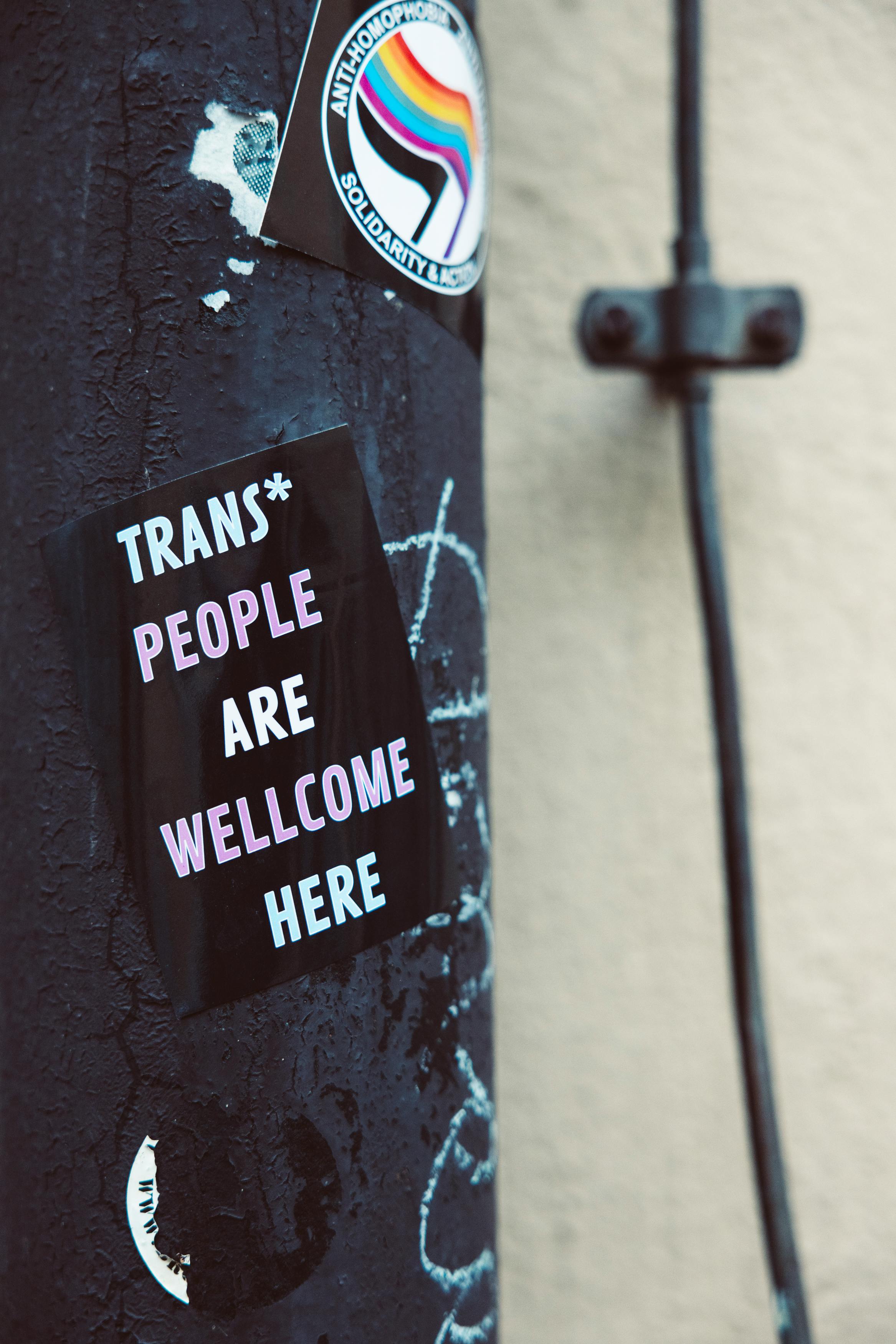
What is the real test? Not sentiment. Capacity.
What is Seattle’s civil emergency push?
Seattle’s civil emergency push is a demand for the mayor to formally recognize that the influx of trans people seeking safety has created an urgent service crisis. A civil emergency declaration can help local government move faster, loosen administrative bottlenecks, and direct resources toward shelters, health access, and outreach. It is not a magic wand. It is a signal that the city thinks the usual pace is too slow.
The advocates making this case are, in effect, saying that Seattle is already functioning as a refuge city whether officials like the wording or not. That means more demand on nonprofit providers, more pressure on appointment schedules, and more need for short-term housing and legal support. If the city does nothing, the burden falls on groups already running on fumes. That is the part most commentary skates past.
Seattle is not alone in this. Other cities have had to absorb people fleeing violence, policy changes, or economic collapse. But the trans case has a sharp edge because the displacement is tied to identity, medical care, and civil rights all at once. The debate is not theoretical. It sits in clinic hallways, shelter intake desks, and overloaded phone lines.
I have covered enough public-policy fights to know this: declarations often matter less for their legal force than for what they unlock. They can justify emergency spending, prioritize agencies, and reduce the time wasted on bureaucratic roundabouts. Still, if the city does not pair the declaration with actual services, it is just a loud note in a quiet file cabinet.
Seattle’s advocates are also making a moral argument, though they do not always say it in those terms. A city should protect people who arrive vulnerable, especially when those people are moving because they fear harm elsewhere. That does not mean the city can take on every case forever. It means public authority has duties, not just options. The common good is not a slogan; it is the ugly work of balancing finite resources with real human need.
The controversy also fits a broader national pattern. As states pass more restrictive laws around gender-affirming care and public life, some trans people choose to move to more permissive places. That migration is not huge in the abstract, but it is concentrated enough to matter locally. A dozen or two dozen extra people needing housing and support can make all the difference when services are already thin.
The problem is not just numbers. It is timing. Need arrives all at once. Services do not.
Core details and context
- Advocates say arrivals are rising. More trans people are coming to Seattle because they believe the city is safer, more stable, or less hostile than where they came from. That may be true in broad terms, but it also means local systems are absorbing people with immediate needs.
- Shelters are under pressure. Shelter space is not infinite. Once demand climbs, staff have to decide who gets a bed, who gets referrals, and who gets told to call back tomorrow. That is ugly work, and it gets uglier when the stakes are safety.
- Health access is part of the crisis. Trans people relocating often need continuity of care, prescriptions, and referrals. Gaps in treatment create real consequences. Anyone pretending otherwise is selling fiction.
- Legal aid matters. Changing address, IDs, benefits, and records sounds dull until it becomes the difference between stability and chaos. That is why civil society groups keep asking for more support.
- The city’s capacity is finite. Seattle cannot treat every problem as symbolic. Agencies need staffing, data, and a chain of command that works.
Everyone keeps talking about compassion, but compassion without logistics is mostly noise. The city has to track who is arriving, what they need, and which services can absorb the load without collapsing. That means actual coordination between the mayor’s office, public health, housing agencies, and nonprofits. Not a photo-op. A system.
The advocates’ request also raises a thorny question about precedent. If Seattle declares a civil emergency here, what does that mean next time another vulnerable group arrives in large numbers? The answer should not be “nothing.” Cities routinely declare emergencies for floods, fires, and public health crises. Human displacement belongs in the same conversation when ordinary systems cannot cope.
For readers who want the political context, Seattle’s move belongs in the same category as other urban responses to pressure on social services. It is similar in spirit, if not in details, to debates over how cities handle migration, shelter policy, and emergency funding. If you want a nearby example of how local government can get caught between principle and capacity, see Seattle Times coverage of city politics. For broader policy and legal context around trans rights, NPR’s health reporting has tracked the consequences of state-level restrictions. And for the national political angle, Reuters U.S. politics reporting is usually less dramatic and more useful than cable chatter.
The real issue is not whether Seattle is “welcoming.” Cities love that word because it costs nothing. The real question is whether they can house, treat, and stabilize people without making the already fragile system crack. That is a stewardship problem, plain and simple.
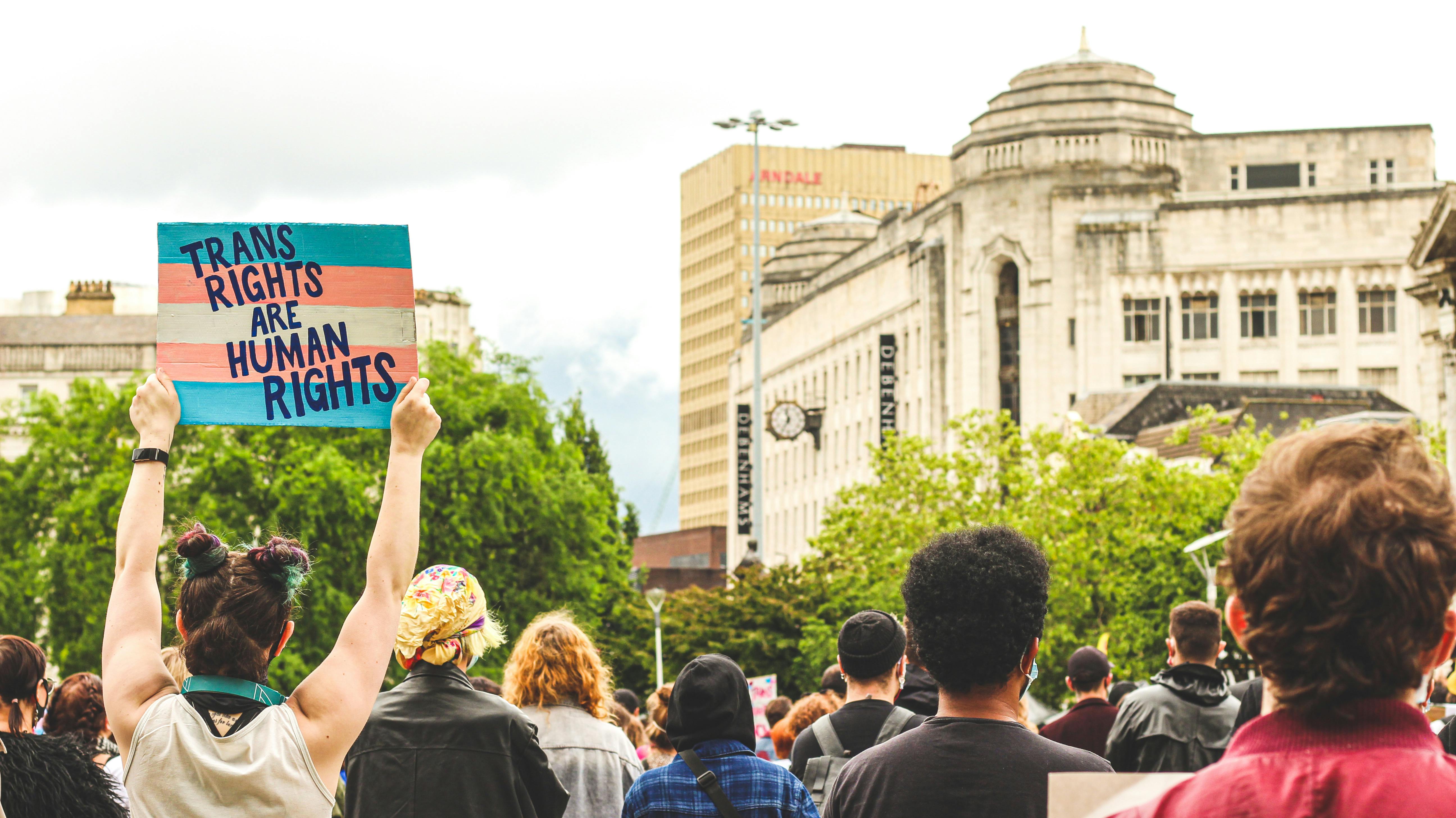
When I analyzed similar local service surges, one thing kept showing up: the first failure is usually not money, but coordination.
Timeline and what actually happened
- Trans residents and advocates raised alarms. They said more people were moving to Seattle for safety, and the service system was feeling the strain.
- Advocates urged a civil emergency declaration. The request went to Mayor Katie Wilson, with the argument that normal channels are too slow.
- The issue broadened beyond LGBTQ politics. It became a question about housing, public health, and emergency management.
- Public attention followed. That is always how it goes. Once a policy fight gets a clear human face, officials have to respond.
- The city now faces a choice. It can declare an emergency and build a response, or it can wait until the strain becomes a bigger mess.
I have seen this movie before. Officials often wait for a neat category before acting, but real life is messier than a committee memo. One week a city says it has no crisis; the next week shelters are full, outreach workers are exhausted, and everybody starts talking about “capacity constraints” as if they discovered gravity.
Seattle’s case also reflects a broader national truth. State laws can push people across borders, and cities end up dealing with the consequences. The politics are loud, but the consequences are quiet and expensive. A person needs a room, a doctor, a lawyer, a phone charger, and a stable address. That is not ideology. That is life.
Here’s the kicker: even if the number of new arrivals is not huge in a metropolitan sense, concentrated need can still overwhelm specific programs. A clinic can run out of appointments. A shelter can run out of safe beds. A caseworker can hit a breaking point. That is how small overloads become big failures.
The timing matters because cities are already squeezed by housing shortages and budget fights. Seattle is not operating in a vacuum. Every dollar earmarked for emergency response is competing with schools, transit, homelessness services, and public safety. That is why the declaration debate matters. It is not only about symbolism. It is about whether the city is willing to re-rank its priorities for a while.
For the legal and policy backdrop on transgender rights and government response, readers may also want to see AP News coverage of transgender health and Brookings analysis of LGBTQ policy. I do not agree with every think-tank flourish, but the institutional details are usually solid.
The practical takeaway is simple. If Seattle believes people are arriving because they fear harm, then the city has to treat their arrival as a planning problem, not a surprise. Emergency planning exists for exactly this sort of thing. The question is whether officials have the nerve to use it.
Comparison table
| Issue | Seattle civil emergency push | Typical city response / competitor model |
|---|
| Main goal | Speed up support for trans arrivals | Slow, piecemeal service expansion |
| Policy tool | Civil emergency declaration | Standard budgeting and agency process |
| Speed | Fast, if approved | Often slow and fragmented |
| Visibility | High public attention | Lower visibility, less pressure |
| Risk | Political backlash, weak follow-through | Quiet overload, hidden failures |
| Strength | Can unlock coordination and funding | More predictable, but sluggish |
| Weakness | May become symbolic if not funded | Can ignore urgent needs until crisis worsens |
| Ethical frame | Human dignity and urgent protection | Procedural caution and budget restraint |
The biggest competitor here is not another city. It is inertia.
Seattle’s advocates are betting that a formal emergency path will force action where ordinary advocacy has stalled. The city’s defenders may argue that emergency language is too blunt, too political, or too open-ended. Both sides have a point. But one side is dealing with people who need help this week, not next quarter.
When I compare those positions, I keep coming back to the same practical standard: does the policy help people safely and fairly, without wasting scarce resources? That is the only honest metric. Everything else is spin.
Common misconceptions and what to know
The first misconception is that a civil emergency declaration means the city is “overreacting.” Nonsense. Governments use emergency powers when ordinary systems are no longer adequate. If a policy failure or external pressure has created a bottleneck, then the issue is not drama. It is administration.
The second misconception is that this is only an LGBTQ issue. Not even close. It touches housing, public health, local budgeting, legal aid, and city planning. Once that many systems get involved, the story stops being niche.
The third misconception is that Seattle can solve everything with goodwill. Goodwill is cheap. Beds, clinicians, counselors, and intake staff are not. You can applaud dignity all day long, but if the shelter floor is full, applause does not count as capacity.
The fourth misconception is that the number of arrivals is the only thing that matters. It is not. Concentration matters more than totals. A service office can absorb a thousand routine cases better than twenty emergencies that all arrive at once. Anyone who has worked in public service knows this; anyone who has not should stop pretending otherwise.
The fifth misconception is that the city’s role is optional. It is not. Governments exist to protect the common good, especially where vulnerable people face pressure they did not choose. That does not mean unlimited spending. It means honest prioritization, which is rarer than it should be.
One more thing. Some observers frame this as a problem caused by trans people relocating. That is upside down. The real cause is hostility and restriction elsewhere. People do not uproot their lives for fun. They move because they are trying to stay safe, keep treatment consistent, or avoid open discrimination. That is not a partisan talking point. It is a human fact.
For broader context on city services and emergency response, it helps to compare with other public crises. Reuters has a useful record on how local governments handle fast-moving policy shocks: Reuters markets and government coverage often shows the budgeting side, and NBC News LGBTQ reporting tracks how public policy affects everyday life. Neither source pretends this stuff is simple. Good. It is not.
If Seattle acts, the city should publish metrics: intake volume, shelter capacity, wait times, clinic access, and funding flows. Otherwise the declaration will just be a nice headline with no legs. That would be a waste, and the poor are the ones who usually pay for that sort of vanity.
Frequently asked questions
Why are trans people moving to Seattle?
Because many see Seattle as safer and more supportive than states or cities with restrictive laws, hostile public attitudes, or reduced access to gender-affirming care.
What would a civil emergency declaration actually do?
It could help the city move faster on funding, coordination, procurement, and staffing for shelters, health services, and outreach programs.
Is Seattle the only city facing this pressure?
No. Other large cities with supportive policies can see similar influxes when people relocate for safety, but the strain shows up differently depending on housing supply and service capacity.
Does a declaration solve the problem by itself?
No. It only helps if the city pairs it with money, planning, and direct service expansion.
Final thought: the city is being asked a simple question, and simple questions are usually the hardest ones. If Seattle says it stands for dignity, then it has to show that in budgets, staffing, and basic competence—not just speeches. That is what stewardship looks like when nobody is clapping.
{
  "@context": "https://schema.org",
  "@type": "FAQPage",
  "mainEntity": [
    {
      "@type": "Question",
      "name": "Why are trans people moving to Seattle?",
      "acceptedAnswer": {
        "@type": "Answer",
        "text": "Many see Seattle as safer and more supportive than places with restrictive laws, hostile public attitudes, or reduced access to gender-affirming care."
      }
    },
    {
      "@type": "Question",
      "name": "What would a civil emergency declaration actually do?",
      "acceptedAnswer": {
        "@type": "Answer",
        "text": "It could help the city move faster on funding, coordination, procurement, and staffing for shelters, health services, and outreach programs."
      }
    },
    {
      "@type": "Question",
      "name": "Is Seattle the only city facing this pressure?",
      "acceptedAnswer": {
        "@type": "Answer",
        "text": "No. Other large cities with supportive policies can see similar influxes when people relocate for safety, but the strain depends on housing supply and service capacity."
      }
    },
    {
      "@type": "Question",
      "name": "Does a declaration solve the problem by itself?",
      "acceptedAnswer": {
        "@type": "Answer",
        "text": "No. It only helps if the city pairs it with money, planning, and direct service expansion."
      }
    }
  ]
}