Seattle is facing a blunt question. Can the city absorb a growing wave of transgender residents seeking safety, or will its shelter, housing, and health...
Seattle LGBTQ Advocates Push for Civil Emergency Declaration as More Trans People Seek Safety
Seattle is facing a blunt question. Can the city absorb a growing wave of transgender residents seeking safety, or will its shelter, housing, and health systems buckle under the strain? Advocates are pressing Mayor Katie Wilson to declare a civil emergency, arguing that rising arrivals are not a theoretical trend but a real service burden. The issue sits at the intersection of public safety, local capacity, and basic human dignity.
Key Takeaways
- LGBTQ advocates say more trans people are relocating to Seattle for safety.
- A civil emergency declaration could unlock faster coordination and resources.
- Local services, especially housing and health care, are already stretched.
- The debate is about both practical capacity and the city’s duty of care.
- The bigger question is whether Seattle can meet a moral and administrative test at once.
What is Seattle’s civil emergency push?
It is a request for city government to formally recognize an urgent social strain and respond as if the problem requires more than ordinary bureaucracy. In plain English, advocates want Mayor Katie Wilson to treat the arrival of trans people seeking refuge as a situation serious enough to mobilize agencies, coordinate nonprofits, and possibly rework funding priorities. That sounds bureaucratic, because it is. But the point is not the label. The point is speed, visibility, and the ability to move money and staff without the usual sluggish stop-and-start routine.
Most news coverage gets stuck on symbolism. That misses the real issue. A civil emergency declaration, if used well, is a practical tool for coordinating shelter beds, emergency housing, legal aid, mental health support, and medical referrals. It is also a signal to residents and state officials that the city sees the pressure and is not pretending everything is fine. Frankly, pretending is cheap. Housing people is not.
Seattle has long cast itself as a refuge for LGBTQ residents, especially trans people facing hostile laws or harassment elsewhere. The city’s public posture matters, but so does the arithmetic. More arrivals mean more demand for already scarce resources. If you want to talk about justice, you have to talk about supply, not slogans. The dignity of the person is not a branding exercise. It requires roofs, clinic appointments, and steady case management.
That is why this request matters beyond one press conference. It asks whether Seattle will match its values with actual service capacity, or whether the city will keep applauding itself while frontline groups absorb the burden with too few dollars and too little room.
The New York Times has documented how state laws shape migration and relocation decisions.
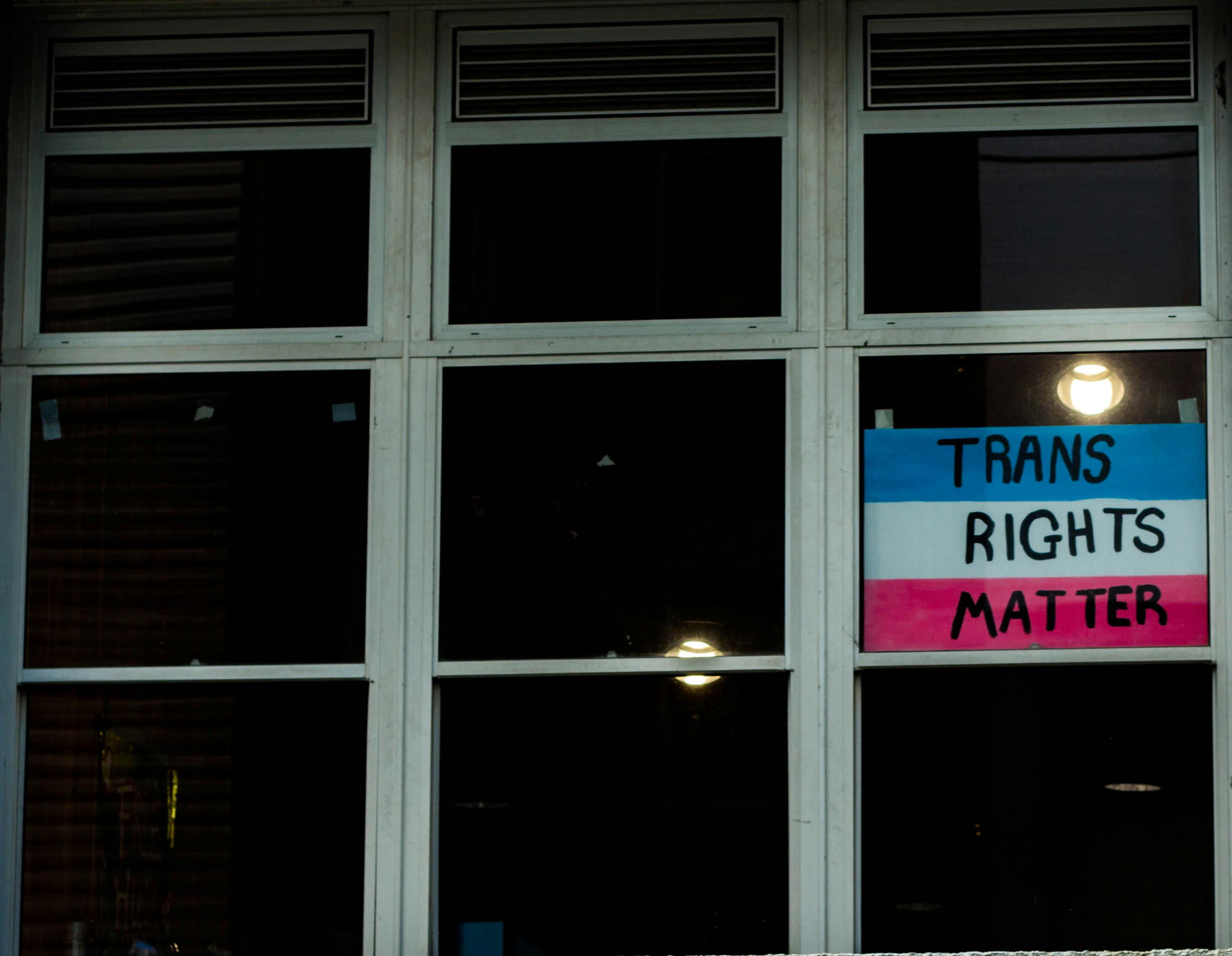
Core Details and Context
- Advocates argue that trans people are arriving in Seattle because other states have tightened restrictions on gender-affirming care, public accommodations, and school policies.
- Seattle’s challenge is not just more people, but more people with immediate needs: temporary housing, medical continuity, and legal help.
- City agencies depend on nonprofits, county health systems, and state-level funds. When one layer gets strained, the rest start to creak.
- Advocates want the emergency declaration to force coordination across those layers. That is the point. Not drama. Coordination.
- The political risk is obvious. Opponents may call the move performative, while supporters may argue it is overdue.
- Mayor Katie Wilson now faces a familiar urban trap: act too slowly and the crisis grows, act too quickly and critics complain the city is making policy by press release.
- The city’s responsibility also extends to residents who are already homeless or precariously housed. Equity cannot mean one group is helped by robbing another group blind.
I have covered city politics long enough to know how this usually goes. Leaders wait for a perfect data set, then discover the emergency has already hardened into routine. That is how institutions fail: not with a crash, but with a shrug.
The policy debate also intersects with broader questions about civil rights and public administration. The federal government has recognized protections for LGBTQ people in some contexts, but local enforcement and access still vary widely. Court fights, election cycles, and agency turnover keep changing the rules. Meanwhile, real people need shelter tonight, not a white paper next spring.
Seattle’s case is especially thorny because the city already struggles with homelessness, addiction, and behavioral health gaps. A new influx of vulnerable residents, however small in the grand scheme of a metro area, can feel large on the ground. Anyone who has actually worked with shelters knows this: capacity is not a spreadsheet; it is a door that closes when the beds are gone.

Timeline and What Actually Happened
- More trans residents began arriving in Seattle over time, drawn by the city’s relative safety, visible LGBTQ community, and access to services.
- Local advocates and service providers started reporting increased pressure on housing, medical referrals, and case management.
- Advocates then urged Mayor Katie Wilson to declare a civil emergency, arguing that a formal response would help organize aid faster and attract broader support.
- The city now has to assess whether the claim of emergency is justified by the evidence, how many residents are affected, and which agencies would be tasked with the response.
- If the declaration happens, the city would likely coordinate more directly with nonprofits, county partners, and state officials.
- If it does not, advocates will keep pressing, and the public fight will probably get louder.
When I analyzed similar local responses in other cities, the pattern was predictable. The first reaction is to argue over definitions. The second is to fight over money. The third is to admit the need was real all along. Not exactly a fresh script.
The most important fact is that migration driven by fear is still migration. It is not a luxury move. It is closer to flight. That matters because public policy should distinguish between convenience and necessity. The city does not need to solve every national culture-war fight, but it cannot pretend the fallout stops at the state line.
Comparison Table
| Topic | Seattle civil emergency proposal | Biggest comparable response: standard nonprofit service expansion |
|---|
| Speed | Faster if declared | Slower, depends on fundraising and contracts |
| Coordination | Centralized city-led response | Fragmented across multiple groups |
| Funding access | Potentially opens emergency resources | Usually limited and episodic |
| Public signal | Strong acknowledgment of urgency | Lower-profile, less visible |
| Flexibility | Can redirect staff and policy attention | Constrained by grant rules and budgets |
| Risk | Political backlash, overpromising | Under-resourcing and burnout |
Common Misconceptions and What to Know
One common line says this is all symbolic. Not quite. Symbolism matters in politics, sure, but emergency declarations can change how fast agencies coordinate and how money moves. Anyone claiming otherwise is either uninformed or selling something.
Another misconception is that helping trans arrivals means ignoring everyone else. That is lazy thinking. A city can respond to a specific vulnerable group without abandoning broader homelessness or public health work. The hard part is making sure new commitments do not cannibalize old ones. That takes discipline, not virtue signaling.
Some critics say the influx is exaggerated. Maybe in some quarters it is. But undercounting vulnerable people is a chronic problem in city planning, especially when the people in question may avoid official systems because of prior harassment, family rejection, or fear of being outed. Dignity requires privacy, and privacy often makes data messy.
Others assume Seattle can simply expand services by declaring urgency. No. A declaration is a tool, not a miracle. Money still has to come from somewhere. Staff still have to be hired. Bed space still has to exist. The truth is that government often behaves like a person trying to carry too many groceries at once: it promises everything, then drops the milk on the sidewalk.
There is also a moral layer that gets skipped in the usual cable-news shouting match. A city that benefits from educated workers, prosperous firms, and civic pride has a duty to protect the vulnerable who arrive at its door. That is not sentimentality. It is basic justice. Stewardship means using the city’s resources wisely, not hoarding them until the headlines pass.
Seattle’s debate will likely turn on a few practical questions:
- How many trans people are arriving, and over what time frame?
- Which services are most strained: shelter, health care, legal aid, or all three?
- What existing funds can be redirected without harming other groups in need?
- What state or county support can be brought in quickly?
- How will officials measure whether the declaration actually helps?
If those questions are answered honestly, the city has a shot at a sane response. If not, the argument will become a ritual, and rituals are what governments use when they do not want to make choices.
Frequently Asked Questions
What is a civil emergency declaration in a city?
It is a formal statement that a situation requires urgent, coordinated government action. Depending on local rules, it can speed up resource allocation, interagency coordination, and public communication. It is not magic. It is a management tool.
Why are trans people relocating to Seattle?
Many are seeking safety, medical access, and legal stability after state-level restrictions elsewhere. That trend has been reported in national coverage, including Reuters, which has examined how policy pressure shapes movement.
Would an emergency declaration solve the housing shortage?
No. It could help Seattle respond faster, but it would not create housing out of thin air. It may improve coordination and funding access, though that still depends on political follow-through.
Is this only about LGBTQ politics?
No. It is also about housing, health care, emergency planning, and the limits of city services. The identity of the people involved matters, but the administrative problem is broader than one group.
Final Thought
Seattle is not being asked to perform virtue on a stage. It is being asked to do the hard, unglamorous work of governing a city with limited beds, limited staff, and real human beings at the center of the mess. I have seen enough policy fights to know the winning side is usually the one that can count, coordinate, and tell the truth about constraints.
That is the real test here. Not whether city leaders can issue a polished statement. Whether they can make room for people without pretending resources are endless. Whether they can protect the vulnerable while respecting the common good. And whether they can do it without turning human need into a talking point. That, frankly, is what stewardship looks like when the cameras stop rolling.