Seattle’s recall fight has moved from politics to procedure. Two voters say Mayor Katie Wilson failed on public safety, and now King County Superior Court...
Seattle’s recall fight has moved from politics to procedure. Two voters say Mayor Katie Wilson failed on public safety, and now King County Superior Court will decide whether the charges and ballot language clear the legal bar for a recall election. That is the real story, not the usual noise.
Key Takeaways
- The recall petition against Seattle Mayor Katie Wilson is now headed to King County Superior Court.
- Two Seattle voters accuse Wilson of neglecting public-safety duties.
- A judge will review whether the allegations meet the legal standard for a recall and whether the ballot language is fair.
- Recall cases in Washington are not decided by pundits or social media; they are decided by statutory rules, sworn charges, and judicial review.
- The outcome could shape how quickly this challenge reaches voters, and whether it reaches them at all.
It is a formal effort to remove the sitting Seattle mayor before the end of the term. Plain enough. In Washington, recall is not a free-for-all, and it is not a popularity contest dressed up as civic virtue. Petitioners must allege specific misconduct, not just broad disappointment, and a court must decide whether those charges can legally support a recall election.
The case now before King County Superior Court centers on allegations that Wilson neglected her public-safety responsibilities. That phrase matters. Courts do not evaluate whether voters are annoyed. They ask whether the petition states facts that, if proven, would amount to legal grounds for recall under state law. That distinction is the whole ballgame.
Most coverage of recalls gets lazy right here. Reporters repeat the accusation and forget the threshold question. But Washington’s recall process is built to keep politics from swallowing law. Under the state’s framework, as reflected in the recall procedures used by counties and reviewed by courts, petition language must be specific, factual, and tied to acts that can be judged legally, not merely argued on cable news or in a neighborhood forum. The state’s guidance on recalls and election procedures, along with court review, exists for a reason: government power is real, but so is the dignity of the people who are asked to sign a petition or vote on it. Stewardship of public office is not a slogan. It is the job.
If you want the bare legal context, start with the Washington Secretary of State’s election materials on recalls and public office procedures at Washington Secretary of State elections, then compare that with King County’s election and court-related information at King County Courts. Those are the unglamorous sources. They matter more than the hot takes.
This case is also a test of public trust. When I have covered municipal fights like this, the pattern is familiar: a headline says “recall,” activists say “accountability,” the target says “political stunt,” and everyone pretends the law is secondary. It is not. The law is the filter. The court is the gatekeeper. And voters deserve that discipline, because the common good suffers when process gets bent for convenience.
Seattle’s recall fight has moved from politics to procedure. Two voters say Mayor Katie Wilson failed on public safety, and now King County Superior Court will decide whether the charges and ballot language clear the legal bar for a recall election. That is the real story, not the usual noise.
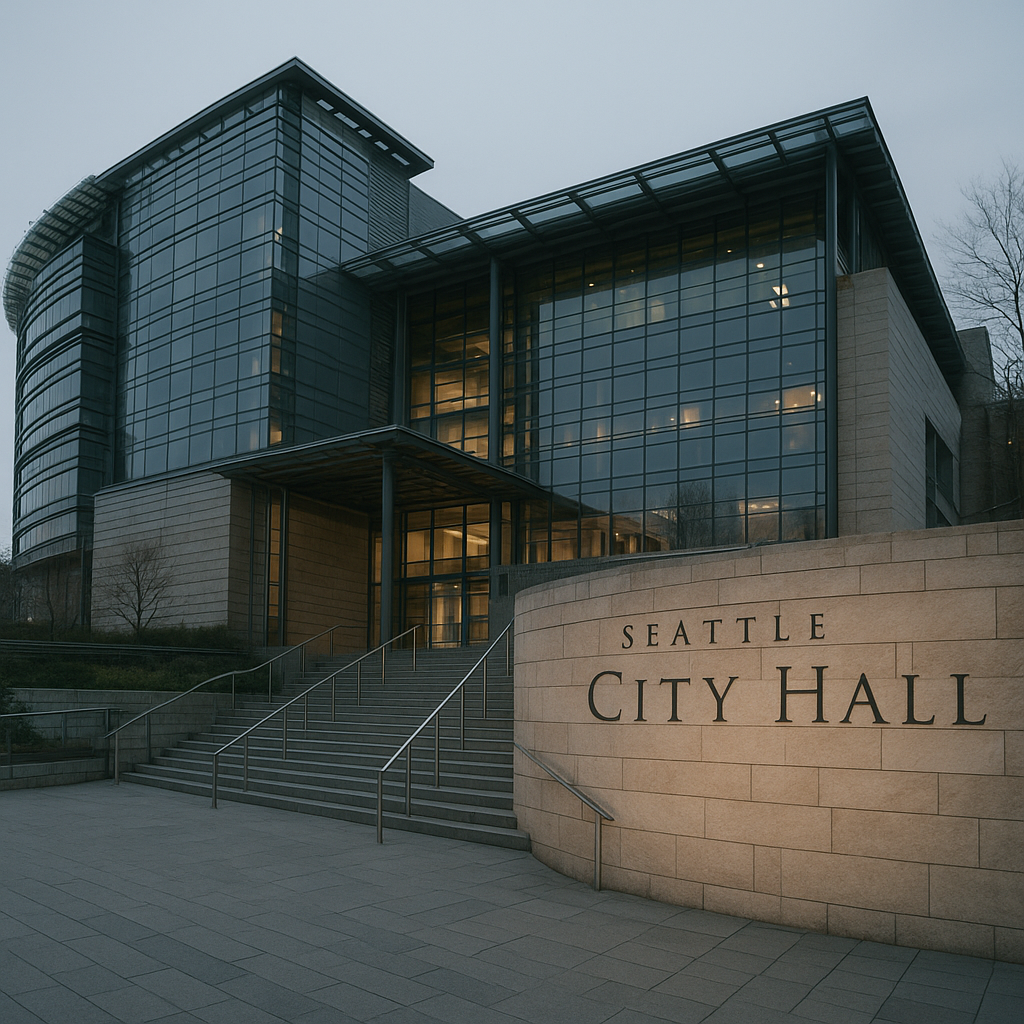
What is the recall petition against Seattle Mayor Katie Wilson?
It is a formal effort to remove the sitting Seattle mayor before the end of the term. Plain enough. In Washington, recall is not a free-for-all, and it is not a popularity contest dressed up as civic virtue. Petitioners must allege specific misconduct, not just broad disappointment, and a court must decide whether those charges can legally support a recall election.
The case now before King County Superior Court centers on allegations that Wilson neglected her public-safety responsibilities. That phrase matters. Courts do not evaluate whether voters are annoyed. They ask whether the petition states facts that, if proven, would amount to legal grounds for recall under state law. That distinction is the whole ballgame.
Most coverage of recalls gets lazy right here. Reporters repeat the accusation and forget the threshold question. But Washington’s recall process is built to keep politics from swallowing law. Under the state’s framework, as reflected in the recall procedures used by counties and reviewed by courts, petition language must be specific, factual, and tied to acts that can be judged legally, not merely argued on cable news or in a neighborhood forum. The state’s guidance on recalls and election procedures, along with court review, exists for a reason: government power is real, but so is the dignity of the people who are asked to sign a petition or vote on it. Stewardship of public office is not a slogan. It is the job.
If you want the bare legal context, start with the Washington Secretary of State’s election materials on recalls and public office procedures at Washington Secretary of State elections, then compare that with King County’s election and court-related information at King County Courts. Those are the unglamorous sources. They matter more than the hot takes.
This case is also a test of public trust. When I have covered municipal fights like this, the pattern is familiar: a headline says “recall,” activists say “accountability,” the target says “political stunt,” and everyone pretends the law is secondary. It is not. The law is the filter. The court is the gatekeeper. And voters deserve that discipline, because the common good suffers when process gets bent for convenience.
Core Details and Context
Here’s the gist. Two Seattle voters filed recall charges against Mayor Katie Wilson, claiming she neglected her public-safety responsibilities. A judge in King County Superior Court will now review those charges and the proposed ballot language. If the court finds the petition legally sufficient, the matter can move forward. If not, the recall effort stalls.
That sounds simple. It rarely is.
- Recall petitions are narrow in scope. The petitioners must identify conduct that fits recognized legal grounds for recall. Vague complaints about leadership style do not cut it.
- Ballot language matters. If the wording is slanted, misleading, or too broad, a judge can require changes or reject it. That is not mere bureaucratic fussiness. It protects voters from being boxed into a false choice.
- Public safety is politically loaded. Every mayor in America gets blamed for crime, disorder, homelessness, and policing, usually all at once, even when the causes are layered and the fixes are slow.
- A court review is not an endorsement. If the case advances, that does not mean the allegations are true. It means they are legally sufficient to be considered.
- A failure in court is not a political vindication. It only means the petition did not meet the legal threshold.
Everyone talks about whether the mayor is “safe” politically. That is not the first question. The first question is whether the petition survives judicial review. Courts in recall matters are not there to settle policy arguments about police staffing, budget choices, or neighborhood frustration. They are there to check whether the accusations are tied to specific acts, omissions, or statutory duties that can be scrutinized.
For background on Washington recall law and petition standards, the state’s election resources are useful, as is county-level court information. For broader context on Seattle governance and city politics, readers should also watch coverage from reputable local outlets such as the Seattle Times politics coverage and the KUOW local news desk. That is where the practical details usually surface first.
What is the underlying political question? Simple. Can a newly elected mayor govern under intense scrutiny without every contested policy becoming grounds for a removal campaign? That is not a rhetorical flourish. It goes to whether city leadership can survive in an era where public anger gets converted into legal paperwork almost instantly.
But there is another layer, and people skip it too often. Recall petitions can reveal a real gap between public expectations and municipal capacity. If residents believe the city has failed to keep streets safe, that complaint may be sincere even if the legal claim falls short. Both things can be true. It is a mistake to confuse emotional legitimacy with legal sufficiency.
And here is the kicker: the legal review protects not only the mayor, but also the voters. A recall that rests on mushy language cheapens the democratic process. It turns a serious remedy into a permanent campaign. That is bad governance, bad law, and bad civic habits.
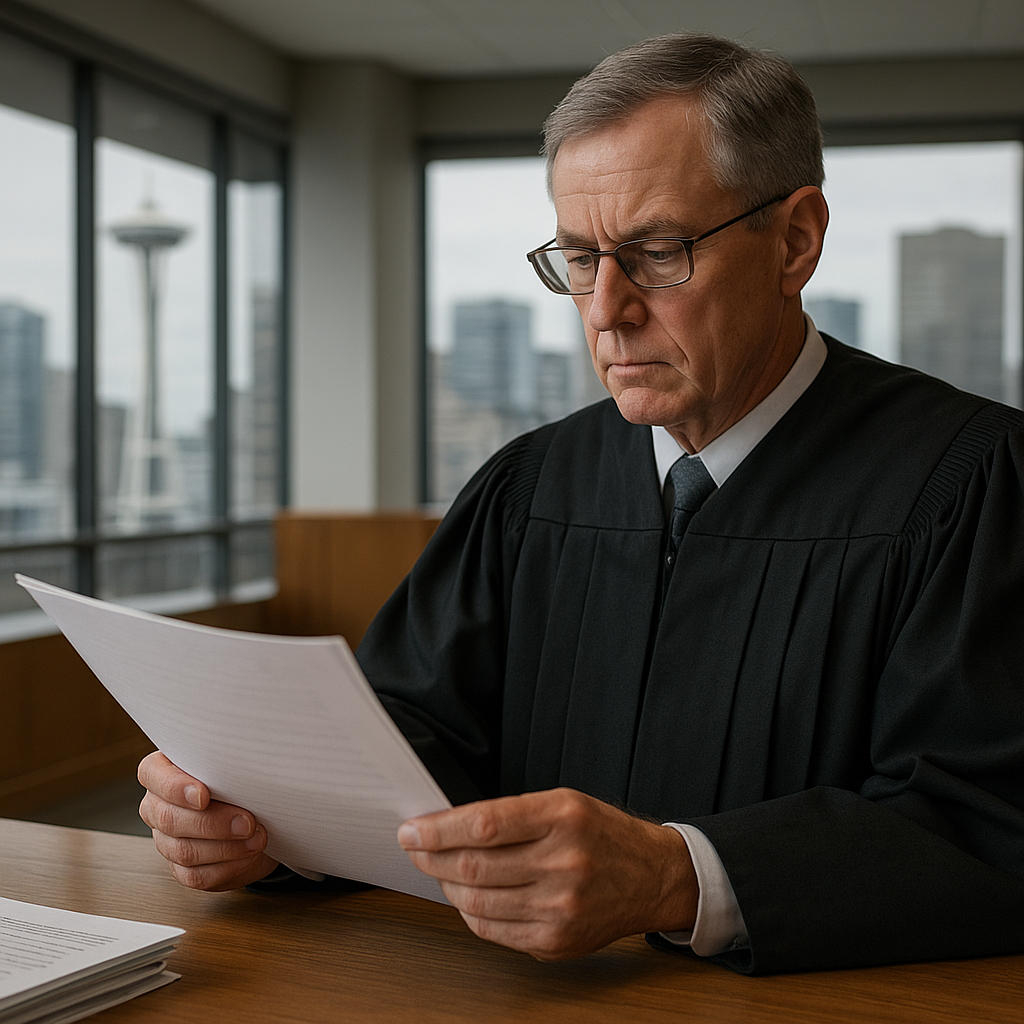
Timeline and Step-by-Step
The sequence matters. Politics gets messy when people blur what happened first, what happened next, and what is still unresolved. So let’s sort it out.
- Two Seattle voters file recall charges. They accuse Mayor Wilson of neglecting public-safety responsibilities.
- The petition enters legal review. Washington recall law requires judicial scrutiny before the process can advance.
- King County Superior Court takes up the matter. A judge reviews the sufficiency of the charges and the wording proposed for the ballot.
- The judge decides whether the petition meets the legal threshold. If it does, the recall can proceed to the next stage. If not, it stops or gets revised.
- If approved, signature-gathering and election procedures may follow. But only after the legal gate is cleared.
I’ve covered enough of these fights to know what usually happens after step one. The petition gets spun as either a heroic act of civic courage or a dirty trick by political enemies. Both stories are often overcooked. The plain truth is less dramatic and more important: legal process decides the issue before voter drama ever gets its turn.
What actually happened here is still unfolding, but the crucial fact is the court review. That tells you the petition has not simply been filed and forgotten. It has reached the stage where a judge will test its legal bones.
Now, a few practical points.
- The petitioner’s burden is real. Courts do not accept recall claims on vibes.
- The city’s response will matter. Any defense will likely emphasize lawful discretion, policy complexity, and the difference between unpopular decisions and illegal conduct.
- The public-safety framing is strategic. Recall campaigns often pick a high-emotion issue because it resonates faster than budget spreadsheets.
- Timing is everything. A recall effort can reshape a mayor’s first months in office by forcing defensive posture, media scrutiny, and donor hesitation.
If the charges focus on police staffing, homelessness response, or crime conditions, the court will still ask the same thing: are the allegations specific enough to support a recall under law? That is the thread. Pull it, and everything else falls into place.
A lot of people want recalls to work like referendum politics. They do not. They are more exacting. They are supposed to be. Democracy is not just about majorities. It is also about rules, boundaries, and the obligation to tell the truth in public filings. That sounds old-fashioned. It is. It is also necessary.
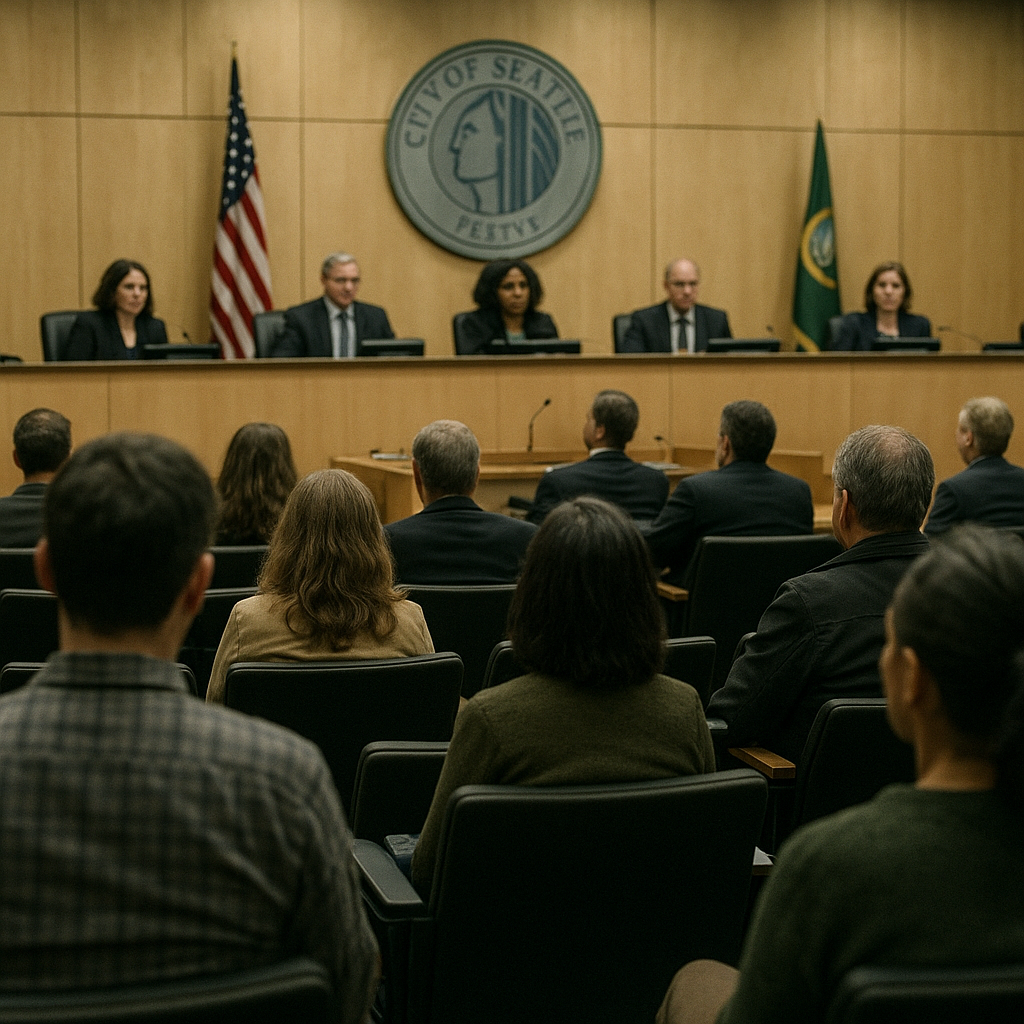
Comparison Table
Here is the clearest way to separate this recall effort from the better-known modern recall model that often gets held up in these fights: the California-style gubernatorial recall. The two are not the same animal.
| Feature | Seattle Recall Against Mayor Katie Wilson | California-Style High-Profile Recall |
|---|
| Legal setting | Washington state recall process with judicial review | Often a more nationally watched, highly politicized statewide recall process |
| Gatekeeper | King County Superior Court reviews charges and ballot language | Usually a petition/signature threshold first, then election administration |
| Main question | Are the charges legally sufficient for recall? | Can the recall qualify and survive political pressure? |
| Typical focus | Specific alleged misconduct, such as neglect of duty | Broad dissatisfaction with leadership and policy direction |
| Public tone | Local, procedural, court-driven | Nationalized, media-heavy, partisan |
| Risk of confusion | High, because people think a recall is just a vote | High, because voters may treat it like a regular election |
| Best source of truth | Court filings, election law, county and state records | State election officials, court records, and certified ballot language |
The comparison is useful because it shows how much depends on process. Seattle’s case is not a mass spectacle by default. It is a legal filing that must survive judicial review. That makes it more sober, and frankly more interesting, than the usual partisan theater.
When I compare the two, one thing stands out: the Seattle case is more likely to turn on language, precision, and statute than on campaign energy. That is good. It forces discipline. It also frustrates people who want a quicker payoff. Tough luck. Public office is not a reality show, and the law should not be either.
If you want a broader political read on city governance and accountability, the issue sits beside other Seattle policy debates about policing, homelessness, and budget restraint. Those topics often overlap in public conversation, but they are not legally interchangeable. A city can be under pressure on public safety without every disappointment becoming recall material.
That is the part many commentators miss. Not every grievance is a legal charge. Not every policy failure is recall-worthy. And not every loud petition reflects a serious constitutional or statutory question. A good society knows the difference. A decent one insists on it.
Common Misconceptions and What to Know
The biggest mistake people make is treating a recall like a public opinion poll with legal stationery. It is not that. It is a formal accusation process with an election component bolted on later.
Misconception one: “If enough people are upset, the recall should move forward.”
No. Popular anger is not a legal standard. In Washington, the recall charges must meet statutory and judicial requirements. Courts are not there to rubber-stamp outrage.
Misconception two: “The court review means the judge already thinks Wilson did something wrong.”
Not even close. The court is checking whether the petition can legally proceed. That is a threshold question, not a verdict on conduct. Confusing the two is how people end up making fools of themselves on TV and online.
Misconception three: “Public safety complaints automatically justify recall.”
Also false. Public safety is a policy area, not a magic word. If a mayor is making choices within legal authority, those choices may be unpopular without being recall-worthy. The law distinguishes between poor politics and unlawful conduct.
Misconception four: “Ballot language is just clerical detail.”
Wrong again. Ballot language shapes how voters understand the issue. If it is too vague or loaded, voters are manipulated. That is why judges scrutinize it. Clarity is a form of fairness.
Here is what nobody tells you: recall laws are partly about restraint. They exist so citizens have a remedy when an official truly crosses the line, but they also keep that remedy from becoming a blunt instrument for every policy dispute. That restraint serves the common good. It protects institutions from becoming unstable every time tempers flare.
The Catholic moral lens fits here, quietly but firmly. Public office is stewardship. Leaders owe the city more than slogans, and citizens owe the truth more than convenience. Justice requires proportion. Human dignity requires that legal accusations be specific, not sloppy. That is not theology pasted on politics. It is basic moral order.
One more thing. If the recall petition fails in court, critics may claim the system protected the mayor. That is too simple. It may instead mean the system protected the public from a weak petition. That distinction matters. It is the kind of thing serious people should care about, even if it spoils the emotional narrative.
The case may still generate plenty of heat. Fine. Heat is cheap. Proof is not.
Frequently Asked Questions
What does King County Superior Court decide in a recall case?
The court reviews whether the recall charges are legally sufficient and whether the ballot language accurately reflects the allegations. It is a gatekeeping role, not a political endorsement.
Does a recall filing mean the mayor will face an election?
Not necessarily. The petition must survive judicial review first. If the judge finds the charges or ballot language defective, the effort can stop or be rewritten.
Why are the allegations focused on public safety?
Because public safety is one of the most politically charged issues in city government. It is also an area where voters often feel immediate frustration, even when the causes are complicated and slow-moving.
Is this the same as a normal election campaign?
No. A recall is a legal process that can lead to a vote, but only after specific statutory and judicial hurdles are cleared. It is not just another campaign season with sharper elbows.
The recall fight against Mayor Katie Wilson is less about one mayor than about how Seattle handles accountability when emotion outruns evidence. The court review will tell us whether the petition is a real legal challenge or just another loud complaint wearing a suit. That matters, because city government depends on more than noise. It depends on rules, truth, and the habit of judging leaders by facts, not fashion.
A city can survive bad headlines. It can survive harsh criticism, too. What it cannot survive for long is a public square where every dispute is treated as a removal referendum and every policy disagreement is recast as a moral emergency. That road leads nowhere good. The wiser course is slower, tougher, and less glamorous: demand competence, require honesty, and let the law do its job. Frankly, that is how a serious community protects both liberty and order.